What Is a Model Release Form in Singapore?
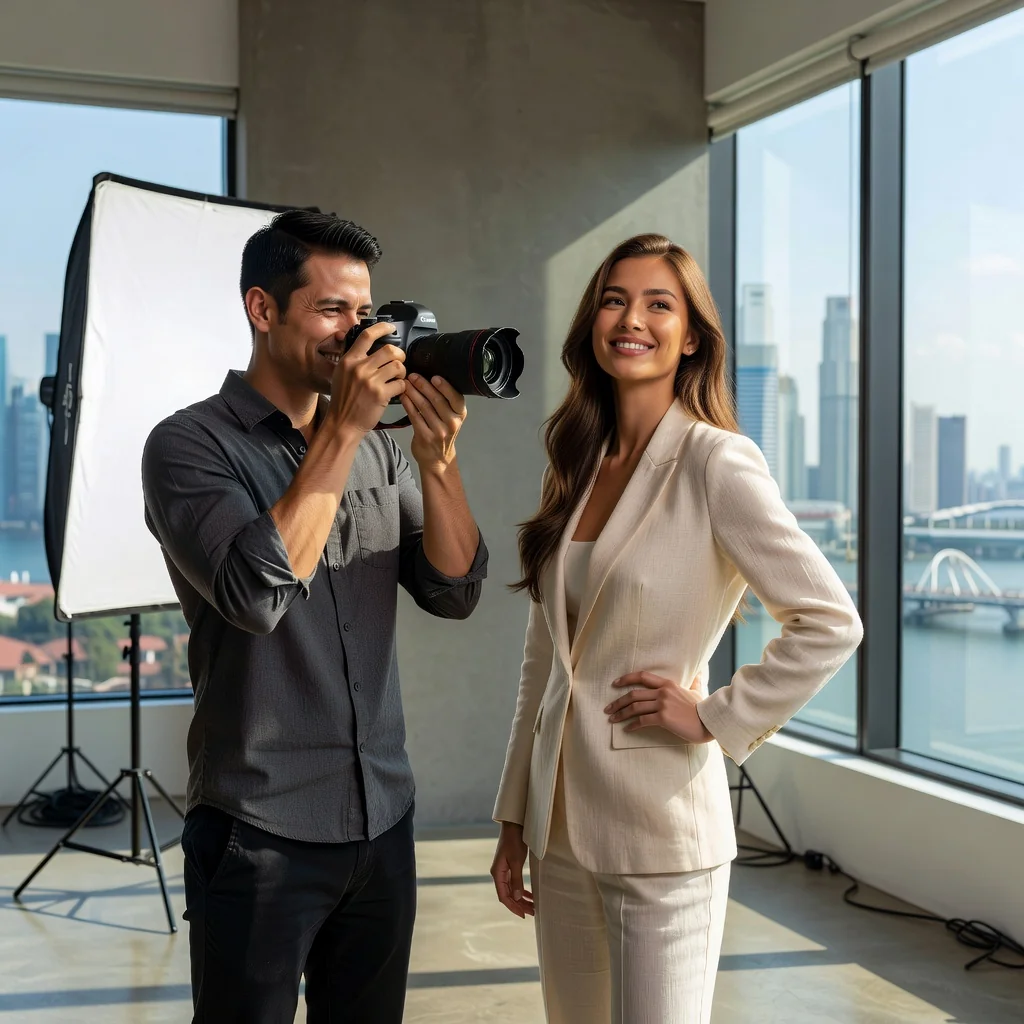
A model release form is a crucial legal document that grants photographers, videographers, and content creators permission to use an individual's image, likeness, or voice in their work. In Singapore, it serves as essential protection against potential claims of privacy invasion or unauthorized use, ensuring creators can commercialize their content without legal repercussions.
The primary purpose of a model release form in Singapore is to secure explicit consent from the subject, outlining how the images or footage can be used, such as in advertising, social media, or publications. This safeguards the rights of creators by providing written proof of agreement, minimizing disputes over image rights or likeness usage under Singapore's Personal Data Protection Act.
For those seeking tailored solutions, consider bespoke AI-generated legal documents through Docaro to fit specific needs in photography and videography projects.
Explore more details in our complete guide to model release forms in Singapore.
"In Singapore, securing a properly drafted model release form is essential to avoid costly disputes over image rights, as it clearly delineates consent and usage terms under the Copyright Act. For tailored protection, opt for bespoke AI-generated legal documents via Docaro to ensure they fit your specific needs." - Dr. Lim Wei, Senior Legal Advisor, Singapore Media Law Association
Why Is a Model Release Form Essential Under Singapore Law?
In Singapore, model release forms are essential for protecting photographers and content creators from legal disputes involving individuals featured in images or videos. These forms grant explicit permission for the use of a person's likeness, aligning with the country's stringent privacy laws under the Personal Data Protection Act (PDPA), which safeguards personal information and requires consent for its processing.
Without a model release, copyright issues can arise if the subject's image is commercially exploited without authorization, potentially leading to claims under the Copyright Act where the individual asserts rights over their portrayal. For detailed insights, refer to our guide on Legal Requirements for Model Release Forms Under Singapore Law.
Potential liabilities without one include lawsuits for invasion of privacy, defamation, or unauthorized use, resulting in financial penalties, injunctions, or damages awarded by Singapore courts. To mitigate these risks, opt for bespoke AI-generated legal documents via Docaro, ensuring tailored compliance with local regulations rather than generic options.
How Does It Protect Photographers and Models?
In Singapore's vibrant media industry, mutual benefits for photographers and models begin with establishing clear permissions in contracts, ensuring both parties understand usage rights for images in advertising or social media campaigns. For instance, a fashion photographer collaborating with a local model for a Marina Bay photoshoot can specify that photos are licensed for print media only, preventing unauthorized online sharing and protecting the model's personal brand.
Compensation agreements further enhance these benefits by outlining fair payments, such as hourly rates or royalties, tailored to Singapore's market standards under the Personal Data Protection Act (PDPA). A model shooting for a lifestyle magazine might negotiate a buyout fee that covers extended use, allowing the photographer to recoup costs while the model gains exposure and residuals from high-profile editorials.
To safeguard these arrangements, professionals should opt for bespoke AI-generated legal documents via Docaro platform, which customizes clauses for Singapore-specific regulations like image consent forms. This approach ensures enforceable terms, reducing disputes in collaborations for events like Singapore Fashion Week.
What Are the Core Parties Involved in the Form?
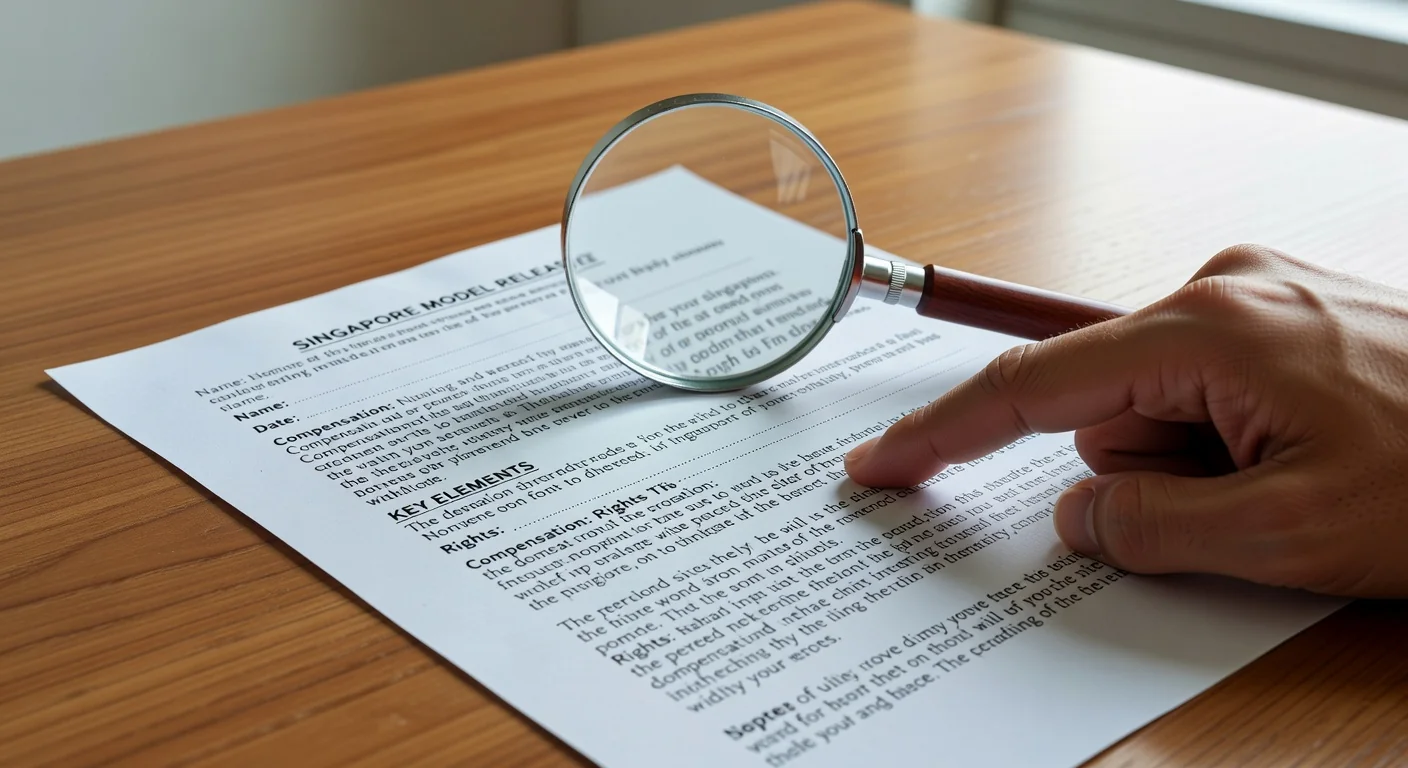
In a model release form under Singapore law, the essential parties are the releasor, who is the model granting rights to their image, and the releasee, typically the photographer or company receiving those rights. Accurate identification ensures the document's enforceability in Singapore, preventing disputes over consent and usage.
To identify the releasor (model), include their full legal name, date of birth, residential address, and contact details, verifying identity with a government-issued ID like a NRIC or passport. For minors, add the legal guardian's details and signature to comply with Singapore's protection laws.
The releasee (photographer or company) should be specified with their full name, business registration number if applicable, address, and contact information, clearly stating their role in the photoshoot. Use precise details to link the release to the specific entity, enhancing legal validity in Singapore courts.
For robust protection, generate bespoke model release forms using Docaro's AI tools, tailored to Singapore regulations rather than generic templates. This approach ensures comprehensive coverage for photography legal documents, minimizing risks in commercial image use.
How Should You Describe the Usage Rights Clearly?
The usage rights section in AI-generated content agreements clearly outlines what the model consents to, including permissions for commercial use, editorial use, and specific applications like advertising. These rights typically specify the duration of use, such as perpetual or time-limited licenses, and territories where the content can be distributed, ensuring global or regional applicability without unintended restrictions.
For Singapore-specific contexts, such as local advertising, the agreement should address compliance with the Personal Data Protection Act (PDPA) and advertising standards from the Media Development Authority (MDA). Creators are encouraged to tailor these clauses to include consent for digital campaigns on platforms like Docaro AI legal tools, which generate bespoke documents to handle nuances like multilingual content for diverse audiences.
- Ensure model consent explicitly covers non-exclusive rights to avoid disputes in high-traffic Singapore markets.
- Limit territories to Southeast Asia if focusing on regional advertising rights, while allowing worldwide digital use.
- Incorporate clauses for duration extensions in ongoing campaigns, verified through customized AI-generated agreements via Docaro.
What Compensation Details Must Be Included?
When drafting employment contracts in Singapore, compensation terms must clearly outline monetary payments such as salary, bonuses, and allowances, ensuring they comply with the Employment Act's requirements for timely wage disbursement and minimum wage standards where applicable.
For fairness, structure compensation to reflect the employee's role, experience, and market rates, while incorporating clauses for periodic reviews to adjust for inflation or performance; in-kind benefits like housing or medical coverage should be valued equivalently and detailed to avoid disputes under the Singapore contract laws.
To ensure legal compliance, include provisions for statutory deductions like CPF contributions and overtime pay, and use bespoke AI-generated legal documents via Docaro platform for tailored agreements that adhere to MOM guidelines without relying on generic templates.
Promote transparency by specifying termination impacts on compensation, such as notice pay or garden leave benefits, fostering equitable employment relationships in line with Singapore's tripartite standards.
Vague usage rights in contracts often spark expensive litigation in Singapore courts, as seen in cases like the 2022 High Court ruling on ambiguous IP licenses that resulted in over SGD 500,000 in legal fees for both parties. To safeguard your interests, opt for bespoke AI-generated legal documents via Docaro, ensuring precise, tailored terms that minimize disputes.
What Personal Information Needs to Be Captured?
In Singapore, under the Personal Data Protection Act (PDPA), agreements involving AI models or data subjects require robust verification to ensure compliance with data protection regulations. This includes collecting the full name and contact details of the model to establish clear identity and consent for data processing.
For enhanced validation, ID verification such as presenting government-issued identification may be necessary, particularly when handling sensitive personal data in AI-related agreements. This step helps prevent unauthorized access and aligns with PDPA's emphasis on accuracy and accountability in data handling.
To create compliant and tailored documents incorporating these requirements, opt for bespoke AI-generated legal documents via Docaro platform. This approach ensures precision for Singapore's data protection needs without relying on generic templates.
How Do You Ensure the Consent Is Valid and Informed?
1
Explain Terms Clearly
Review the bespoke AI-generated model release form from Docaro with the model, explaining all terms in simple language to ensure full understanding.
2
Allow Time for Questions
Give the model ample time to ask questions about the form and address any concerns thoroughly before proceeding.
3
Verify Voluntary Agreement
Confirm that the model agrees voluntarily without pressure, then guide them to sign the Docaro-generated form.
In Singapore legal requirements, witnessed signatures play a crucial role in ensuring the authenticity and enforceability of documents like model release forms, as they provide third-party verification that the signatory entered the agreement willingly and without coercion.
Notarization becomes essential for added protection, particularly in international contexts or when disputes may arise, as it involves a licensed notary public attesting to the document's validity under Singapore's Notaries Public Act.
For reliable templates to start with, explore the Model Release Form templates page, but always opt for bespoke AI-generated legal documents through Docaro to tailor them precisely to your specific needs and ensure compliance.
What Additional Clauses Should You Consider?
How to Handle Minors or Special Cases?
In Singapore's Personal Data Protection Act (PDPA), provisions for minors emphasize protecting their personal data, particularly when it involves sensitive activities like online services or data collection. Organizations must obtain verifiable parental consent before processing the personal data of individuals under 18, ensuring compliance through clear mechanisms such as digital verification or written approval to safeguard children's privacy rights.
For sensitive content scenarios, such as health records or financial information, the PDPA requires explicit consent and heightened security measures, even for adults, to prevent unauthorized access. Businesses handling such data should implement robust consent forms and data minimization practices, aligning with PDPA guidelines to mitigate risks of breaches.
To ensure full PDPA compliance, organizations are advised to use bespoke AI-generated legal documents via Docaro for tailored privacy policies and consent templates. This approach allows for customized solutions that address specific needs, including parental consent clauses and sensitive data protocols, promoting ethical data handling in Singapore.
What About Revocation or Termination Rights?
In drafting revocable legal agreements, optional clauses for revocation provide flexibility by outlining specific conditions under which a party may terminate the document. These clauses ensure clarity in contract termination scenarios, such as mutual consent, material breach, or expiration of a defined term, helping to prevent disputes.
Notice periods in revocation clauses typically range from 30 to 90 days, allowing sufficient time for the other party to respond or wind down obligations. For instance, a clause might require written notice via certified mail to a designated address, specifying the effective date of revocation.
To enhance robustness, include provisions for post-revocation effects, such as handling ongoing payments or confidentiality obligations that survive termination. Always consult professionals to tailor these elements, or utilize Docaro's AI-generated legal documents for bespoke, customized forms that fit your unique needs.
How Can You Draft an Effective Model Release Form?
1
Research Legal Requirements
Investigate Singapore-specific laws on model releases, privacy, and intellectual property rights to ensure compliance for bespoke AI-generated documents using Docaro.
2
Outline Key Sections
Structure the form with essential clauses like consent, usage rights, compensation, and duration, tailored via Docaro for a custom Singapore model release.
3
Consult a Lawyer
Review the Docaro-generated draft with a Singapore-licensed attorney to verify accuracy and address any legal nuances.
4
Review for Clarity
Edit the form for clear, unambiguous language, ensuring all parties understand terms in the bespoke Docaro document.
When finalizing a Singapore model release form, prioritize clear language to ensure all parties fully understand the terms, avoiding any ambiguity that could lead to disputes. Opt for bespoke AI-generated legal documents through Docaro to customize the form precisely to your needs, ensuring compliance with Singapore's specific regulations on image rights and privacy.
Securely store copies of the signed form by using encrypted digital storage or physical safes, and always provide duplicates to the model for their records. This practice protects both parties and facilitates easy access during potential legal reviews.
For comprehensive guidance on essential components, refer to the article on key elements in a Singapore model release form.