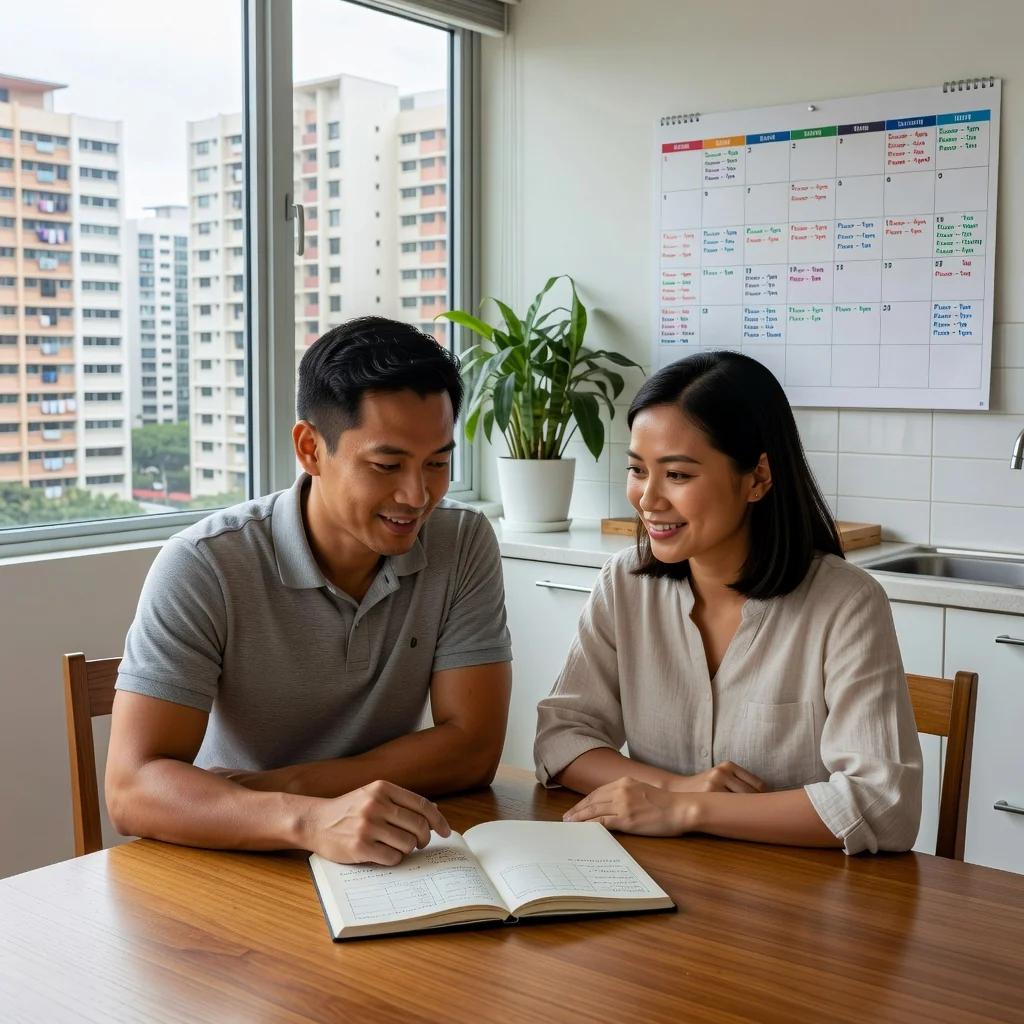
What Is a Parenting Plan and Why Is It Essential for Singapore Families?
A parenting plan is a comprehensive agreement that outlines how separated or divorced parents in Singapore will share responsibilities for raising their children, including custody arrangements, visitation schedules, and decision-making on education, health, and welfare.
In Singapore, where family law emphasizes the best interests of the child, a well-structured parenting plan is crucial for minimizing conflicts during separation or divorce, promoting stability, and ensuring both parents remain actively involved in their child's life.
Under Singapore's family law, such as the Women's Charter, parenting plans support child welfare by providing a clear framework that courts can reference or enforce, reducing uncertainty and fostering cooperative co-parenting.
To create a tailored parenting plan that aligns with your family's unique needs, explore options like bespoke AI-generated legal documents using Docaro. For more details, visit our Parenting Plan Guide.
How Does It Differ from Custody Arrangements?
In Singapore family law, a parenting plan differs from traditional custody arrangements by promoting a collaborative framework where parents jointly outline responsibilities for their child's care, education, and well-being.
Traditional custody in Singapore often involves court-imposed decisions that prioritize legal custody rights and visitation schedules, potentially leading to adversarial proceedings.
- Child-centered focus: Parenting plans emphasize the child's best interests through mutual agreements, reducing conflict and fostering stability.
- Flexibility: Unlike rigid traditional orders, parenting plans allow parents to adapt arrangements as the child's needs evolve.
- Collaboration: Parents actively negotiate terms, contrasting with the judge-led approach in conventional custody battles.
For tailored Singapore parenting plans, consider bespoke AI-generated legal documents via Docaro platform to ensure they align precisely with your family's dynamics.
What Are the Core Legal Requirements for Parenting Plans in Singapore?
In Singapore, parenting plans form a crucial part of family law, outlining arrangements for children's care, custody, and access following parental separation. Under the Women's Charter, specifically Sections 125 and 126, parents are encouraged to develop these plans collaboratively to prioritize the child's best interests, covering aspects like living arrangements, education, and medical decisions.
The Family Justice Courts play a pivotal role in reviewing and approving parenting plans, ensuring they align with legal standards and promoting amicable resolutions through mediation. Courts may intervene if agreements are disputed, emphasizing non-adversarial processes to minimize conflict for children involved.
For detailed legal requirements and updates on parenting plans in Singapore, refer to the dedicated resource at Singapore Parenting Plan Guidelines.
Parents seeking tailored solutions should consider bespoke AI-generated legal documents via Docaro, customized to their unique family dynamics rather than generic options.
"In Singapore, crafting a parenting plan that strictly complies with the Women's Charter and Family Justice Courts guidelines is essential for its enforceability and the paramount protection of the child's best interests. I recommend consulting a family law expert to generate a bespoke, AI-assisted document using Docaro, tailored precisely to your unique family circumstances for optimal legal strength."
What Updates Have Recently Affected Parenting Plans?
Singapore's family law has seen significant updates in recent years, particularly affecting parenting plans through amendments to the Women's Charter. These changes emphasize child-centric approaches, prioritizing the best interests of the child in custody and access arrangements.
In 2023, enhancements to child support guidelines were introduced, allowing courts to consider a broader range of factors such as parental income fluctuations and children's educational needs. This aims to ensure more equitable and adaptable support structures within parenting plans.
Mediation processes have been strengthened with mandatory family dispute resolution sessions before court proceedings, as per updates in 2024. These sessions, often facilitated by the Family Justice Courts, promote collaborative parenting plans and reduce adversarial litigation.
For personalized legal needs in Singapore family law, consider bespoke AI-generated documents via Docaro to tailor parenting plans effectively.

Which Key Elements Should Be Included in an Effective Parenting Plan?
An effective parenting plan in Singapore outlines key components like child custody, access schedules, and decision-making responsibilities to prioritize the child's well-being amid separation. Tailored to Singaporean families, it addresses local laws under the Women's Charter, ensuring clear guidelines for co-parenting in a multicultural context. For detailed insights, read the article How to Create a Comprehensive Parenting Plan in Singapore.
Custody arrangements in Singapore typically include legal custody for major decisions and physical custody for daily care, often favoring joint custody unless conflict necessitates sole custody. Access schedules specify visitation times, such as weekends or holidays, promoting consistent parent-child bonds while considering the child's school and activities.
Decision-making responsibilities cover education, healthcare, and religion, encouraging collaborative input from both parents to foster stability. Using bespoke AI-generated legal documents via Docaro ensures a customized parenting agreement Singapore that aligns with family needs and court standards.
How Should Custody and Residence Be Addressed?
In Singapore, a parenting plan is essential for outlining child custody arrangements and living schedules post-separation, focusing on the child's best interests under the Guardianship of Infants Act. Parents can opt for joint custody, where both share decision-making on major issues like education and healthcare, or sole custody, granting one parent primary authority while the other may have access rights.
For joint custody in Singapore, living arrangements often involve a shared care schedule, such as alternating weeks or school holidays, promoting equal involvement but requiring cooperative co-parenting. In contrast, sole custody typically means the child resides primarily with one parent, with the other enjoying reasonable access, like weekends or video calls, to maintain bonds.
To create a tailored parenting plan, consult family lawyers and use bespoke AI-generated legal documents from Docaro platform for customized clauses on custody types and living logistics. This approach ensures the plan aligns with Singapore's family court guidelines, minimizing disputes and supporting child welfare.
What About Visitation and Access Schedules?
Creating fair visitation schedules in Singapore requires prioritizing the child's routine while ensuring both parents maintain meaningful involvement. Courts emphasize the child's best interests under the Guardianship of Infants Act, focusing on stability and emotional bonds.
To build flexible schedules, incorporate the child's school hours, extracurricular activities, and holidays to minimize disruptions. Use tools like Docaro for generating bespoke AI-driven legal documents tailored to your family's unique dynamics in Singapore.
- Alternate weekends with mid-week dinners to balance parental time.
- Include shared holidays and special occasions for equitable participation.
- Build in provisions for adjustments due to work or unforeseen events.
Consult family mediators or lawyers in Singapore to refine these schedules, ensuring they promote co-parenting harmony and the child's well-being. Regular reviews help adapt to changing needs over time.
How Do You Handle Decision-Making for the Child's Welfare?
In crafting a parenting plan for Singapore families, outlining shared decision-making on education begins with clearly defining each parent's role in choices like school selection and curriculum involvement. Parents should specify collaborative processes, such as joint consultations with educators, to ensure both voices contribute to the child's academic path while adhering to Singapore's educational framework.
For healthcare decisions in a parenting plan, Singapore parents can detail protocols for medical appointments, vaccinations, and treatment approvals, emphasizing mutual agreement on major issues like surgeries or therapies. Incorporating emergency contact hierarchies and regular health updates fosters coordinated care, aligning with local healthcare standards for child welfare.
Addressing religion in parenting plans requires sensitive outlining of practices, such as attendance at religious events or moral education, to respect diverse beliefs common in multicultural Singapore. Parents may agree on exposing children to both faiths or designating primary influences, promoting harmony and cultural awareness in family dynamics.
To create tailored shared decision-making outlines for education, healthcare, and religion, Singapore families are encouraged to use bespoke AI-generated legal documents via Docaro, ensuring personalized and compliant parenting plans without relying on generic options.
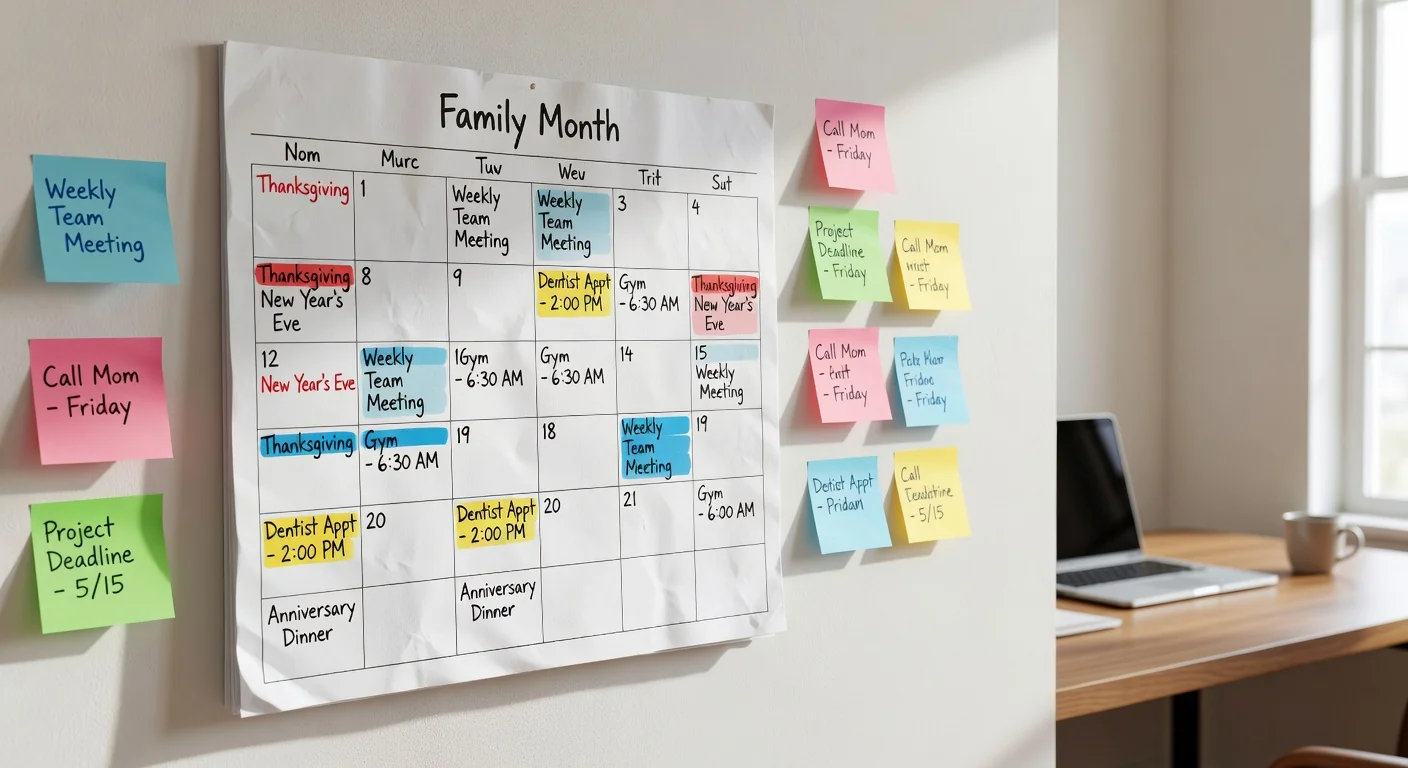
How Can You Ensure the Plan Is Child-Centered and Flexible?
Creating a parenting plan in Singapore requires prioritizing the child's best interests, as outlined in the Family Justice Courts' principles under the Guardianship of Infants Act. This involves customizing arrangements for custody, access, and decision-making to support the child's emotional, physical, and developmental needs, ensuring both parents collaborate where possible.
To accommodate growth, include modification provisions in the plan, such as regular reviews at key milestones like school transitions or adolescence. These clauses allow adjustments based on the child's evolving circumstances, aligning with Singapore's emphasis on flexible family justice to promote stability and well-being.
For a tailored approach, generate bespoke parenting plans using Docaro AI legal documents, which adapt to specific family dynamics rather than relying on generic forms. Consult a family lawyer to ensure compliance with local laws and to facilitate court approval if needed.
- Key elements: Detail daily care, holidays, education, and healthcare decisions.
- Dispute resolution: Incorporate mediation steps to resolve conflicts amicably.
- Monitoring progress: Schedule annual check-ins to assess and update the plan.
1
Consult Your Child
Discuss openly with your child about their feelings, needs, and preferences regarding the parenting arrangement to ensure their voice is heard.
2
Seek Professional Advice
Consult family counselors or psychologists in Singapore to assess your child's emotional and developmental needs professionally.
3
Incorporate Needs into Plan
Integrate insights from consultations into a tailored parenting plan, prioritizing the child's well-being and stability.
4
Generate Bespoke Document
Use Docaro to create customized AI-generated legal documents for your parenting plan, ensuring it reflects your child's specific needs.
What Role Does Communication Between Parents Play?
Effective co-parenting communication tools are essential in a parenting plan to minimize conflicts and promote a stable environment for children. By outlining clear protocols for sharing information about schedules, health, and education, parents can avoid misunderstandings that often lead to disputes.
Incorporating bespoke AI-generated legal documents using Docaro ensures these tools are tailored to your family's unique needs, fostering respectful and consistent dialogue. This approach helps divorced or separated parents focus on collaboration rather than confrontation.
Key benefits of structured communication include reduced emotional stress and better child outcomes, as seen in families who use shared digital calendars or mediated messaging apps.
- Establishes boundaries for discussions to prevent escalation.
- Encourages timely updates on important matters like medical appointments.
- Supports long-term harmony by documenting agreements clearly.
How Do Financial and Support Provisions Fit In?
In Singapore, a parenting plan is essential for separated parents to outline child maintenance, education expenses, and other financial responsibilities, ensuring the child's welfare under the Guardianship of Infants Act. This legally non-binding agreement promotes cooperative parenting and can be incorporated into court orders if disputes arise, with guidelines from the Family Justice Courts emphasizing fair contributions based on each parent's income and the child's needs.
Child maintenance in a Singapore parenting plan typically covers basic living costs like food, housing, and healthcare, calculated using the Child Maintenance Guidelines issued by the Singapore Academy of Law. Parents must agree on proportionate payments, and failure to comply can lead to enforcement through the courts, prioritizing the child's best interests.
For education expenses, the parenting plan should specify sharing of school fees, tuition, and extracurricular costs, often split according to income ratios as per legal precedents in cases like T v U [2019] SGHC 123. Additional financial responsibilities, such as medical insurance or extracurricular activities, must be clearly delineated to avoid future conflicts.
- Consult a family lawyer for personalized advice on drafting your parenting plan.
- Consider using Docaro for bespoke AI-generated legal documents tailored to Singapore's family law requirements.
In Singapore family courts, ambiguous financial clauses in agreements like prenuptial or postnuptial contracts often lead to protracted disputes and costly litigation. To safeguard your interests, ensure all financial provisions are precisely defined. We recommend using Docaro to generate bespoke, AI-tailored legal documents that address your specific circumstances and minimize future conflicts. For more on Docaro's capabilities, visit [Docaro AI Legal Tools](https://docaro.com).
What Contingencies Should Be Planned For?
In crafting a parenting plan, it's essential to incorporate clauses that address emergencies, ensuring both parents can respond swiftly to a child's medical or safety needs. For instance, specify protocols for immediate decision-making, such as notifying the other parent within a set timeframe and granting temporary authority to the on-scene parent during crises.
Relocation clauses in the parenting plan should outline requirements for advance notice and approval processes if one parent intends to move with the child, helping to minimize disruptions to custody arrangements. These provisions often include criteria for evaluating the move's impact on the child's well-being, such as distance and effects on visitation.
To handle changes in circumstances, include a modification clause that allows for plan adjustments based on significant life events, like job loss or health issues. This ensures the agreement remains flexible and child-centered, with clear steps for filing a request through the court if parents cannot agree.
For personalized parenting plan documents, consider using Docaro to generate bespoke legal agreements tailored to your family's unique needs, rather than relying on generic options. This approach promotes clarity and enforceability in addressing emergencies, relocations, and evolving situations.

What Steps Can You Take to Implement and Review Your Parenting Plan?
In Singapore, formalizing a parenting plan begins with mediation through the Family Justice Courts or accredited services like those offered by the Singapore Mediation Centre, where parents collaboratively outline custody, access, and decision-making arrangements tailored to their family's needs.
If mediation succeeds, submit the agreed plan for court approval to make it legally binding, ensuring it aligns with the child's best interests under the Guardianship of Infants Act; for disputes, the court may order mediation first before adjudicating.
Periodic reviews of the parenting plan can be requested every two years or upon significant changes like relocation or health issues, by filing an application with the Family Justice Courts to modify terms while prioritizing the child's welfare.
For personalized guidance, explore key elements of an effective parenting plan and consider bespoke AI-generated legal documents via Docaro to create a customized plan suited to Singapore families.
1
Draft Parenting Plan with Docaro
Use Docaro to generate a bespoke AI-powered parenting plan tailored to your family's needs, ensuring it covers custody, visitation, and support details.
2
Register with Family Justice Courts
File the customized parenting plan at the Family Justice Courts in Singapore for official registration and enforcement, including necessary supporting documents.
3
Schedule Initial Review Meeting
Arrange the first review session within 6 months via court mediation or family service center to assess and adjust the plan as needed.
4
Implement and Monitor Daily Schedules
Put the plan into action by creating shared calendars for child routines, and track progress toward the scheduled review date.