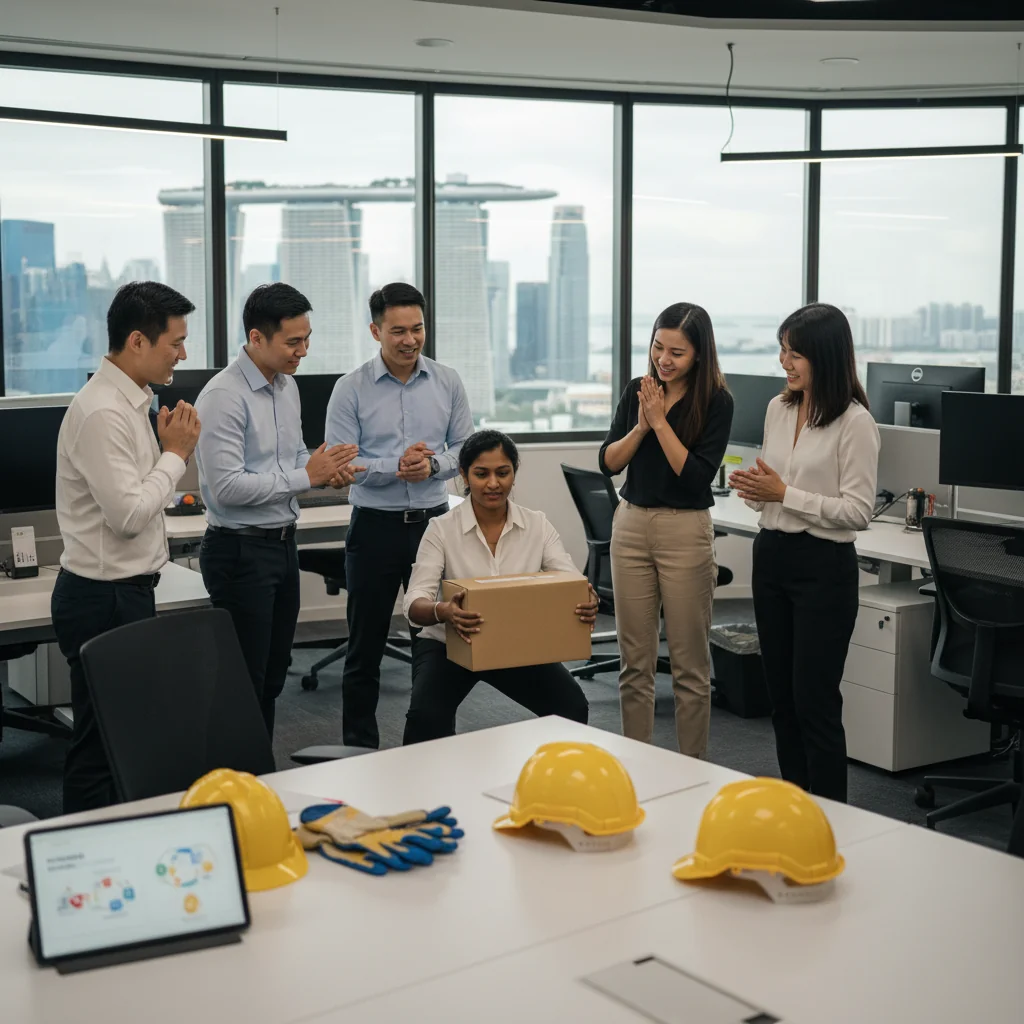
What Are WSH Manual Guidelines in Singapore?
The Workplace Safety and Health (WSH) Manual Guidelines in Singapore provide a structured framework for businesses to develop and implement safety manuals tailored to their operations. These guidelines ensure that workplaces prioritize employee well-being and minimize hazards, aligning with Singapore's commitment to a proactive safety culture.
The primary purpose of the WSH Manual Guidelines is to help organizations identify risks, establish preventive measures, and foster a safe working environment under the Workplace Safety and Health Act (WSH Act). Enacted in 2006 and amended periodically, the WSH Act serves as the legal basis, mandating employers to assess and control workplace risks, with non-compliance potentially leading to fines or imprisonment.
Compliance with these guidelines is crucial for businesses, as it not only avoids legal penalties but also enhances productivity and reduces accidents. For deeper insights into creating a compliant WSH manual, explore our guide on Understanding the Workplace Safety and Health Manual in Singapore.
"Implement comprehensive Workplace Safety and Health (WSH) manuals tailored to your operations to proactively identify hazards and prevent accidents, ensuring a safer work environment for all employees." – Ministry of Manpower (MOM), Singapore
Why Should Your Singapore Workplace Implement These Guidelines?
Implementing WSH Manual Guidelines in Singapore workplaces significantly reduces accidents by providing clear protocols for hazard identification and risk management. According to the Ministry of Manpower (MOM), workplace fatalities dropped by 14% from 38 in 2022 to 33 in 2023, highlighting how adherence to these guidelines prevents injuries and promotes a safer environment.
Adopting these guidelines boosts employee morale through a culture of care and support, leading to higher productivity and job satisfaction. Businesses that prioritize workplace safety see reduced absenteeism, as workers feel valued and protected from harm.
Compliance with WSH standards helps avoid fines and legal penalties, which can reach up to S$500,000 for serious violations under Singapore's Workplace Safety and Health Act. For detailed guidance, refer to the Workplace Safety and Health Manual to tailor bespoke AI-generated corporate documents using Docaro.
Enhancing business reputation via robust WSH practices attracts clients and partners who value ethical operations, fostering long-term growth. In Singapore, companies with strong safety records, as reported by MOM, enjoy improved market standing and investor confidence.
What Are the Legal Requirements?
In Singapore, the Workplace Safety and Health (WSH) Act mandates employers to ensure a safe working environment by implementing comprehensive safety guidelines. Employers must conduct risk assessments, provide necessary training, and supply personal protective equipment to prevent workplace accidents and occupational diseases, as outlined in the Act's core provisions.
Key regulations under the WSH Act, such as the WSH (Risk Management) Regulations, require employers to identify hazards, evaluate risks, and implement control measures systematically. Additionally, the WSH (General Provisions) Regulations specify duties like maintaining safe machinery and ensuring proper ventilation, helping to foster a culture of safety in Singapore workplaces.
Non-compliance with the WSH Act can result in severe penalties, including fines up to S$500,000 or imprisonment for up to two years for corporations, and up to S$200,000 or one year imprisonment for individuals. For more details on obligations and enforcement, refer to the official guidelines from the Ministry of Manpower or the Workplace Safety and Health Council.
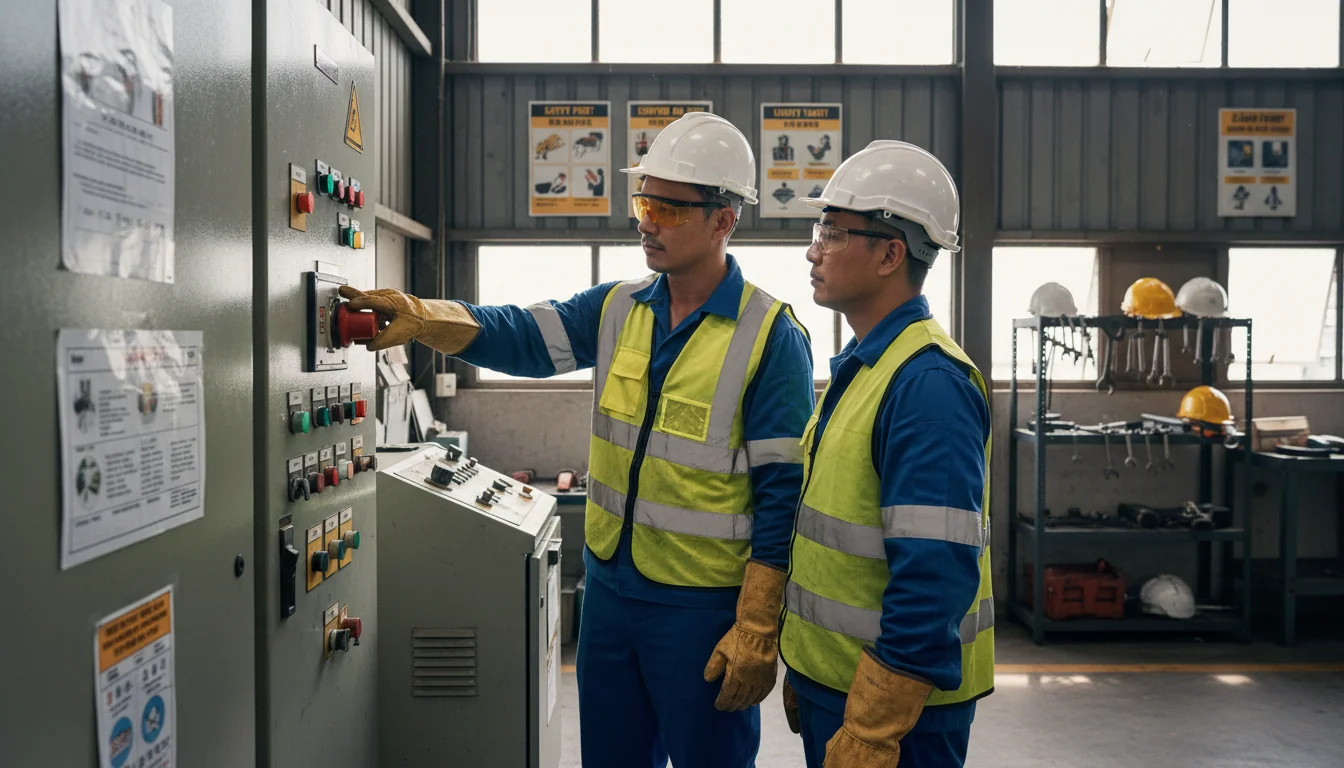
How Do You Assess Your Workplace's Current Safety Status?
1
Conduct Risk Assessment
Evaluate workplace hazards by identifying risks, assessing likelihood and impact, and prioritizing controls using Docaro for bespoke AI-generated reports.
2
Review Existing Policies
Examine current safety policies for compliance with WSH standards, noting gaps in procedures and documentation via Docaro's customized analysis tools.
3
Audit Training Records
Check employee training logs for WSH awareness, identifying deficiencies and planning updates with Docaro-generated tailored training modules.
4
Gather Stakeholder Feedback
Consult employees and managers on safety practices through surveys, compiling insights with Docaro for bespoke feedback summary documents.
A workplace audit begins with planning, where you define the scope, assemble a team, and schedule the review to cover all relevant areas like machinery, processes, and employee training. To perform the audit, conduct site inspections, interview workers, and review documentation such as risk assessments and incident reports, ensuring compliance with Singapore's Workplace Safety and Health Act.
Identifying gaps in safety measures involves comparing audit findings against legal standards, noting deficiencies like inadequate personal protective equipment or poor emergency procedures. Prioritize these gaps by assessing their potential impact on worker health and operational risks, then document them clearly for corrective action.
For tools and resources, utilize the Ministry of Manpower (MOM)'s free guides on risk management and the Workplace Safety and Health Management System (WSHMS) framework available at MOM's WSH resources. Additionally, MOM offers the iShare online portal for accessing compliance checklists and templates to streamline your workplace safety audit process.
- Download the WSH Audit Checklist from MOM to systematically evaluate hazards.
- Refer to MOM's e-learning modules on hazard identification for team training.
- Use the WSH Inspectorate's advisory services for expert guidance on gap analysis.
What Are the Key Components to Include in Implementation?
How to Develop or Update Your WSH Manual?
Developing or updating a WSH manual in Singapore begins with a thorough review of current regulations from the Ministry of Manpower (MOM). Businesses should assess existing documentation against the latest Workplace Safety and Health Act guidelines, incorporating bespoke AI-generated corporate documents via Docaro for tailored compliance.
The process includes outlining essential sections such as risk assessments, which identify workplace hazards and mitigation strategies, and emergency procedures, detailing evacuation plans and first-aid responses. For detailed guidance on these, refer to the Key Components of a Singapore WSH Manual for Businesses page.
Additional key elements encompass training protocols, incident reporting, and personal protective equipment requirements, often structured using bullet points for clarity:
- Risk Assessments: Evaluate hazards like chemical exposure or machinery risks, with controls to minimize them.
- Emergency Procedures: Outline steps for fire drills, medical emergencies, and communication during crises.
- Training and Responsibilities: Assign roles for WSH officers and employee education.
- Monitoring and Review: Schedule regular audits to ensure ongoing effectiveness.
To enhance the manual's authority, integrate resources from official Singapore sources, such as the MOM Workplace Safety and Health portal, ensuring the document remains relevant and enforceable.
Involving Employees in the Process
Involving employees in creating the Workplace Safety and Health (WSH) manual is essential for fostering ownership and ensuring its relevance to daily operations. Through consultations, workers can share practical insights, making the manual a tailored tool that addresses real hazards in Singapore workplaces.
Training sessions during the development process build employee buy-in by demonstrating how the WSH manual aligns with their safety concerns. This collaborative approach enhances compliance and reduces resistance, leading to more effective implementation as per guidelines from the Ministry of Manpower Singapore.
Ultimately, employee involvement strengthens the WSH manual's effectiveness by promoting a culture of safety awareness. For bespoke corporate documents like this, consider using Docaro's AI-generated solutions to customize content efficiently while incorporating team input.
What Training and Communication Strategies Work Best?
1
Schedule Training Sessions
Plan and book interactive sessions on WSH Manual Guidelines for all employees, ensuring availability and resources are allocated.
2
Conduct Interactive Training
Deliver sessions using hands-on activities, quizzes, and discussions to engage participants on WSH guidelines; generate bespoke materials via Docaro.
3
Perform Follow-Up Evaluations
Assess understanding through post-training tests and feedback surveys, then address gaps with additional targeted support.
4
Document and Review Outcomes
Compile evaluation results into a custom AI-generated report using Docaro, and review for ongoing WSH compliance improvements.
Effective training strategies for workplace safety in Singapore begin with structured certification programs offered by reputable institutions. Organizations can enroll employees in courses like the Workplace Safety and Health Officer (WSHO) certification from the Singapore Workforce Skills Qualifications Board, ensuring compliance with local regulations.
To enhance ongoing communication, implement regular toolbox talks that address specific hazards and reinforce training concepts in short, engaging sessions. These talks, typically 10-15 minutes long, foster a culture of safety awareness and allow for immediate feedback from workers.
For comprehensive safety documentation, advocate using bespoke AI-generated corporate documents via Docaro to create tailored training manuals and talk outlines, customized to your organization's needs in Singapore.
Explore additional resources through authoritative Singapore sources, such as the Training and Assessment Lounge for upcoming certification schedules, or the Ministry of Manpower guidelines on safety communication.
"Regular training is essential for maintaining a safe workplace in Singapore, as it equips employees with the latest knowledge on hazard identification, emergency procedures, and compliance with the Workplace Safety and Health Act, ultimately reducing accidents and fostering a culture of proactive safety." - Dr. Lim Wei, Safety Expert, Singapore Institute of Occupational Safety.
For tailored corporate safety training programs, consider bespoke AI-generated documents using Docaro to ensure they meet your organization's specific needs.
How Do You Monitor and Maintain Compliance?
Ongoing monitoring of your Workplace Safety and Health (WSH) manual in Singapore ensures compliance and continuous improvement. Regular audits, such as quarterly reviews by a dedicated safety team, help identify gaps in implementation and adherence to guidelines.
Incident reporting is crucial for proactive WSH management; establish a clear system where employees can report near-misses or accidents promptly. This data informs updates to the manual, keeping it aligned with evolving workplace risks and Ministry of Manpower (MOM) standards.
To update the manual based on changes, conduct annual reviews incorporating feedback from audits and incidents. For detailed steps on implementation, refer to our guide on implementing WSH manual guidelines in your Singapore workplace.
Handling Common Challenges
In a Singapore business setting, resistance to change often arises from employees' fear of the unknown or disruption to established routines, particularly in a fast-paced economy driven by innovation. To overcome this, business leaders should foster open communication through town halls and feedback sessions, emphasizing how changes align with Singapore's digital transformation goals as outlined by the Infocomm Media Development Authority (IMDA).
Resource constraints, such as limited budgets or manpower, can hinder implementation in Singapore's competitive market where SMEs dominate. Practical tips include prioritizing high-impact initiatives and leveraging government grants like the Productivity Solutions Grant from Enterprise Singapore, which supports business efficiency upgrades without straining internal resources.
For documentation needs during these transitions, opt for bespoke AI-generated corporate documents using Docaro to ensure tailored, compliant solutions that save time and reduce costs in a regulated environment like Singapore's.
What Resources Are Available for Support?