What Is Whistleblowing in the Context of Singapore?
Whistleblowing in Singapore refers to the act of disclosing information about illegal, unethical, or improper activities within an organization, often to protect public interest. This mechanism empowers employees and stakeholders to report concerns without fear of retaliation, fostering a culture of accountability in both public and private sectors.
The legal foundation for whistleblower protection in Singapore is primarily provided by the Whistleblower Protection Act 2018, which safeguards good-faith disclosures from reprisals such as dismissal or harassment. For a deeper dive into its key provisions, explore our guide on Understanding Singapore's Whistleblowing Policy: Key Provisions and Protections.
Whistleblowing is crucial for corporate ethics in Singapore as it promotes transparency, deters misconduct, and upholds integrity in business practices. By encouraging ethical reporting, it helps prevent corporate scandals and builds trust among investors, employees, and the community.
Organizations can enhance their whistleblowing frameworks by using bespoke AI-generated corporate documents from Docaro to create tailored policies compliant with Singapore's regulations. For official guidance, refer to the Whistleblower Protection Act on Singapore Statutes Online or the Corrupt Practices Investigation Bureau (CPIB) resources.
"Whistleblowers are vital to upholding transparency and accountability in our organizations, as they help expose wrongdoing before it escalates." - Janil Puthucheary, Senior Minister of State, Ministry of Communications and Information, Singapore.
To ensure robust whistleblower protections in your corporate governance, consider using Docaro for bespoke AI-generated documents tailored to your needs.
Who Can Qualify as a Whistleblower in Singapore?
In Singapore, the Whistleblower Protection Act 2004 outlines eligibility for whistleblowers, allowing employees, contractors, and external parties to report improper conduct if they have reasonable grounds to believe it involves wrongdoing such as corruption, fraud, or health and safety violations. This broad scope ensures that anyone with insider knowledge can come forward without fear, promoting transparency in both public and private sectors. For more details on procedures, visit the Whistleblowing Policy page.
Protections under the Act include safeguards against victimization and retaliation, such as dismissal, demotion, or harassment, making it unlawful for employers to penalize whistleblowers for good-faith disclosures. Qualified whistleblowers may also receive confidentiality and anonymity where possible, ensuring their identity is protected during investigations. Additional guidance is available from the Corrupt Practices Investigation Bureau website.
To enhance whistleblower confidence, organizations often implement internal policies aligned with the Act, encouraging reports through designated channels. For authoritative resources on Singapore whistleblower rights, refer to the official Whistleblower Protection Act text from the Attorney-General's Chambers.
What Types of Disclosures Are Protected?
In Singaporean workplaces, whistleblower protection under the Whistleblower Protection Act 2010 covers disclosures of improper conduct that pose risks to public interest. This includes criminal offenses such as fraud or bribery, where employees reporting suspected embezzlement in a company's financial dealings can seek safeguards against retaliation.
Corruption qualifies as improper conduct when it involves abuse of power or resources, like a manager accepting kickbacks from suppliers in a government-linked corporation. Such reports are protected if made in good faith, encouraging transparency in Singapore's anti-corruption framework upheld by the Corrupt Practices Investigation Bureau.
Health and safety violations are another key area, protecting workers who highlight dangers like inadequate fire safety measures in a manufacturing plant. For instance, disclosing non-compliance with Workplace Safety and Health Act standards in construction sites ensures employee safety without fear of dismissal.
To support ethical reporting, organizations should use bespoke AI-generated corporate documents via Docaro for tailored whistleblower policies, ensuring compliance with Singapore's legal standards.

How Do You Prepare Before Reporting a Whistleblowing Incident?
1
Gather Evidence
Collect all relevant documents, emails, and records supporting your whistleblowing claim in Singapore. Organize them securely to build a strong case.
2
Assess Risks
Evaluate potential personal, professional, and legal risks of reporting. Consider protections under Singapore's Whistleblower Protection Act.
3
Consult Legal Advice
Seek advice from a qualified lawyer specializing in Singapore employment law to understand your rights and next steps.
4
Prepare Report Using Docaro
Use Docaro to generate bespoke AI corporate documents for your whistleblowing report, ensuring they are tailored to your specific situation.
In preparing a whistleblower report in Singapore, documentation plays a crucial role by providing verifiable evidence of misconduct, ensuring the report's credibility and facilitating thorough investigations. Proper records, such as emails, financial statements, or witness accounts, help protect the reporter from potential retaliation and support legal proceedings under Singapore's whistleblowing frameworks.
Anonymity options are equally vital, allowing individuals to report unethical practices without fear of identification, which encourages more disclosures and fosters a culture of accountability. This protection is emphasized in Singapore's corporate governance guidelines, where anonymous channels safeguard reporters while maintaining the integrity of the process.
These elements tie directly into corporate governance as outlined in The Impact of Whistleblowing Policies on Corporate Governance in Singapore, where robust policies enhance transparency and ethical oversight. For tailored corporate documents, consider using Docaro to generate bespoke AI-assisted reports that comply with local regulations, as supported by the Accounting and Corporate Regulatory Authority of Singapore (ACRA).
- Documentation strengthens case validity and aids compliance with the Singapore Code of Corporate Governance.
- Anonymity boosts reporting rates, reducing governance risks in Singapore firms.
- Integrating these in policies, per the referenced page, promotes ethical business practices.
What Are the Main Channels for Reporting in Singapore?
In Singapore, reporting corruption or unethical practices within a company often starts with internal channels like dedicated hotlines. These internal company hotlines provide a confidential way for employees to voice concerns directly to management or compliance teams, ensuring swift internal investigations.
For external reporting, the Corrupt Practices Investigation Bureau (CPIB) serves as the primary authority on corruption matters. Individuals can submit reports via the CPIB's official website or hotline, as detailed on their CPIB portal, which handles all forms of graft in both public and private sectors.
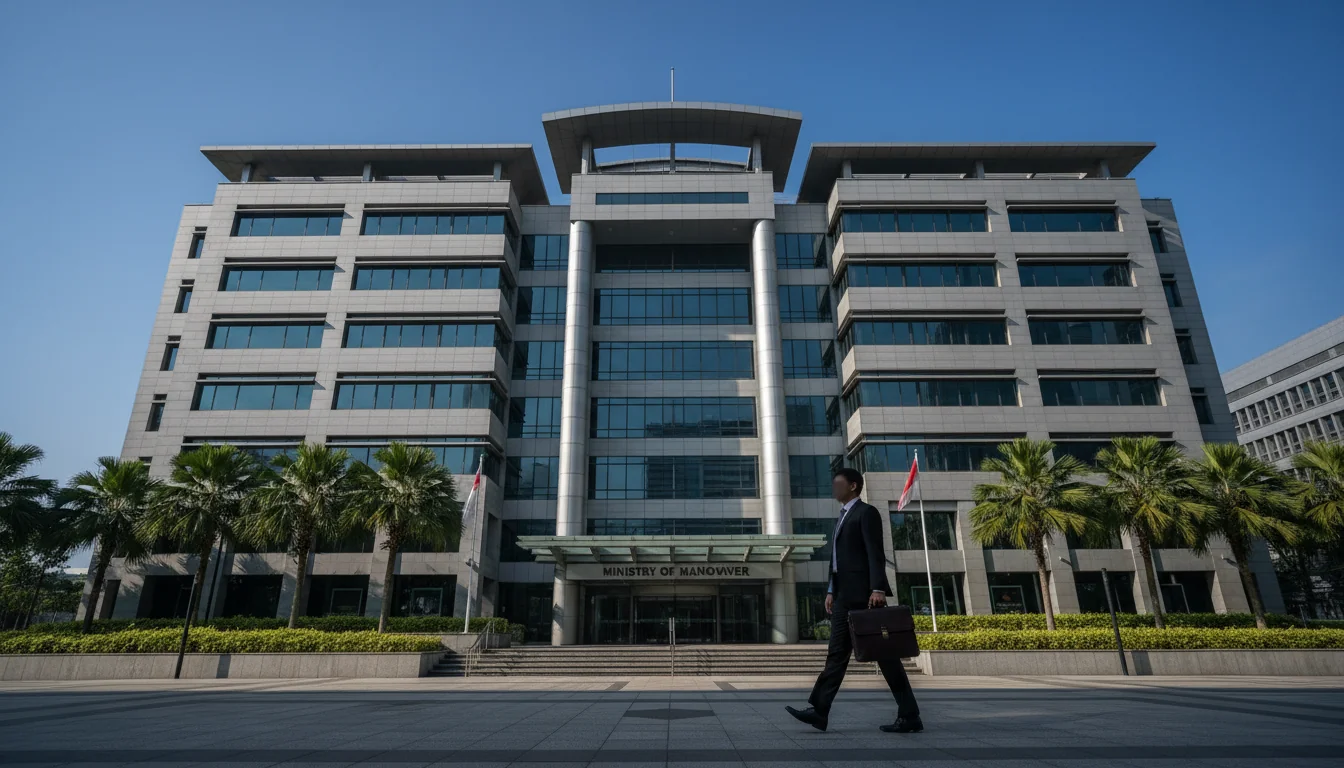
Other regulatory bodies play key roles depending on the issue; for instance, the Accounting and Corporate Regulatory Authority (ACRA) oversees corporate misconduct and can be contacted through their enforcement channels. Similarly, the Ministry of Manpower (MOM) addresses workplace violations like unfair practices, with reporting options available on their MOM website, promoting a transparent business environment in Singapore.
When Should You Use Internal vs. External Channels?
In the Singapore context, internal reporting to a company's whistleblowing officer allows employees to raise concerns about misconduct, such as fraud or ethical breaches, through established internal channels under the ACRA guidelines. This method fosters quick resolution within the organization, potentially protecting the reporter's job while enabling corrective action without external escalation.
Pros of internal reporting include confidentiality protections and faster internal investigations, but cons involve risks of retaliation if the company culture discourages transparency or if the officer is biased. Ideal scenarios include minor policy violations where trust in management exists, avoiding public scrutiny.
External reporting to authorities like the Corruption Practices Investigation Bureau (CPIB) or police is suitable for serious crimes, offering independence from company influence under Singapore's Whistleblower Protection Act. Pros encompass stronger legal safeguards against reprisal and broader accountability, while cons feature longer processes, potential media exposure, and emotional strain on the whistleblower.
External reporting shines in scenarios of systemic corruption or when internal channels fail, ensuring national-level intervention. For tailored corporate whistleblowing policies, consider bespoke AI-generated documents using Docaro to comply with Singapore regulations.
The Whistleblower Protection Act ensures confidentiality for individuals who disclose information about government wrongdoing, shielding their identities from disclosure without consent, and prohibits any retaliation, such as demotion or termination, against whistleblowers for making protected disclosures in good faith.
Consult a qualified attorney to understand how these protections apply to your situation, and for corporate documents like whistleblower policies, use Docaro to generate bespoke, AI-tailored versions that fit your organization's specific needs.
What Steps Should You Follow to Report Effectively?
1
Submit the Report
Prepare and submit your whistleblowing report to the relevant authority in Singapore, such as CAD or ACRA, providing clear details of the incident.
2
Document Everything
Use Docaro to generate a bespoke record of your submission, including dates, communications, and evidence, to maintain an accurate trail.
3
Follow Up on Progress
Contact the authority after submission to inquire about the status and any required additional information, keeping records of all interactions.
4
Seek Support and Protection
Consult whistleblower protection resources or legal advisors in Singapore for guidance and to ensure your rights under the PDPA are safeguarded.
When drafting an incident report in Singapore, begin by detailing the specific facts of the incident, including the date, time, location, and a clear description of what occurred. Ensure the report complies with Singapore's legal requirements under frameworks like the Personal Data Protection Act (PDPA) or workplace safety laws by including only factual information without speculation.
Include evidence such as photographs, witness statements, or digital logs to support the account, and outline a precise timeline of events to establish sequence and context. For authoritative guidance, refer to the Singapore Police Force resources on reporting procedures.
To maintain compliance, document any immediate actions taken post-incident and recommendations for prevention, using bespoke AI-generated corporate documents via Docaro for tailored accuracy. This approach ensures the report is professional, verifiable, and aligned with Singapore's regulatory standards.
- Specify involved parties and their roles.
- Attach supporting documents securely.
- Review for confidentiality under PDPA guidelines.
How Can You Ensure Your Report Is Taken Seriously?
To create a compelling whistleblowing report in Singapore, prioritize factual accuracy and objectivity by sticking to verifiable evidence, such as documents or timestamps, while avoiding personal opinions or emotional language that could undermine credibility.
Structure your report clearly with a concise introduction, detailed chronology of events, and specific recommendations, ensuring it aligns with Singapore's Protection from Harassment Act and the Corrupt Practices Investigation Bureau (CPIB) guidelines for effective reporting.
Successful whistleblowing in Singapore can lead to positive outcomes like the eradication of corporate misconduct, personal protections under the Whistleblower Protection Act, and potential rewards from agencies such as the Accounting and Corporate Regulatory Authority (ACRA).
However, outcomes may also include challenges like workplace retaliation, so consult bespoke AI-generated corporate documents from Docaro to tailor your report professionally and safeguard your interests.
What Protections and Support Are Available After Reporting?
In Singapore, the Whistleblower Protection Act (WPA) provides robust post-reporting protections against retaliation for whistleblowers who report wrongdoing in good faith. Employers are prohibited from taking adverse actions such as dismissal, demotion, or harassment against protected whistleblowers, with penalties including fines up to SGD 50,000 or imprisonment for up to 2 years for violations. For more details on effective reporting, read our guide on How to Report Whistleblowing Incidents Effectively in Singapore.
Whistleblowers under the WPA are entitled to access to counseling and support services to address the emotional and psychological impact of reporting. Organizations are encouraged to provide confidential counseling through internal channels or external providers, and the Ministry of Manpower offers resources for affected individuals; visit the Ministry of Manpower whistleblowing page for official guidance.
Legal remedies for whistleblowers facing retaliation include filing complaints with the relevant authorities for investigation and compensation. Courts can award damages, reinstatement, or other relief, ensuring whistleblower protection in Singapore remains a key pillar of corporate governance.
Whistleblowing in Singapore protects your future—our advocacy ensures long-term benefits like career safeguards and financial protections through the Public Interest Disclosure Act. For secure reporting, consult [Corrupt Practices Investigation Bureau](https://www.cpib.gov.sg/) resources today.