What is an Arbitration Agreement Under Singapore Law?
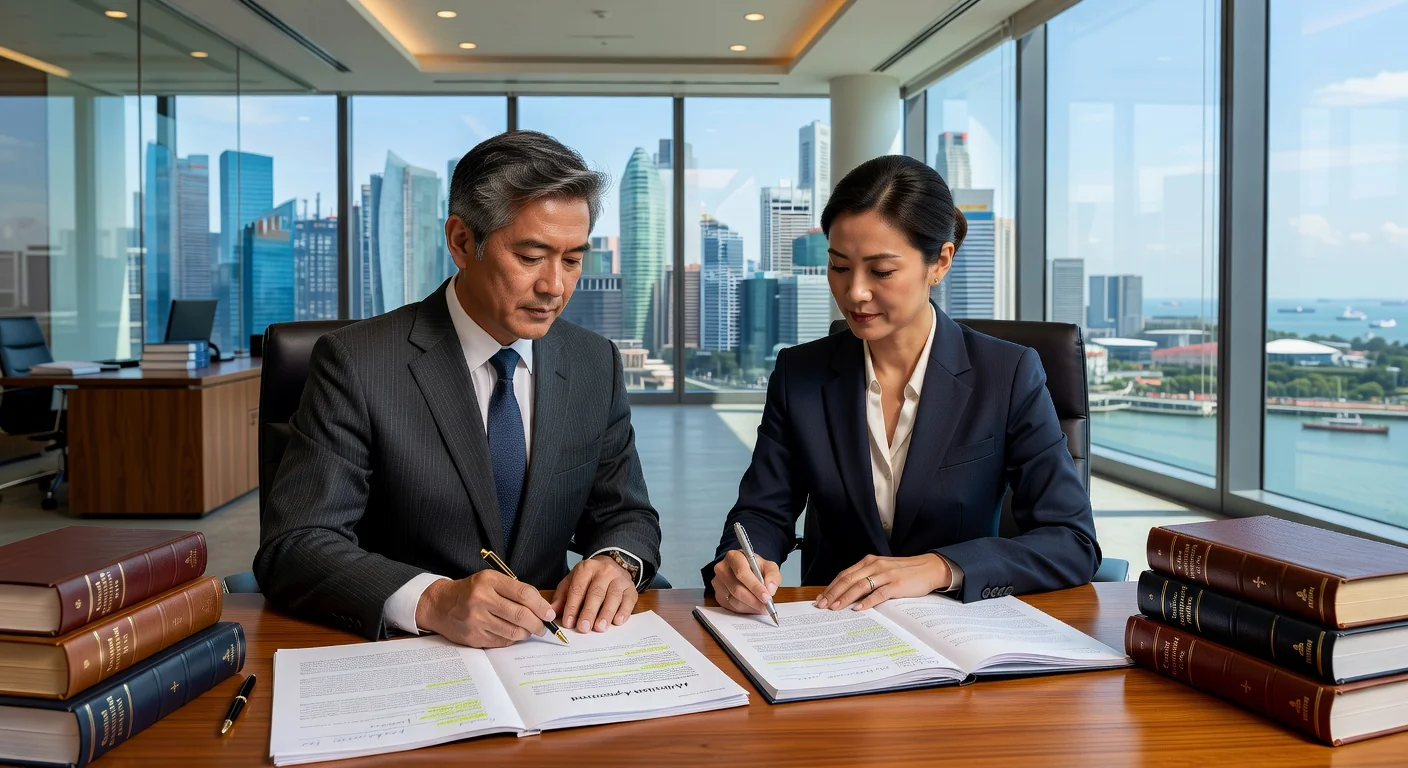
An arbitration agreement under Singapore law is a written pact between parties to resolve disputes through arbitration rather than court litigation, providing a structured alternative for conflict resolution. This agreement forms the cornerstone of arbitration proceedings in Singapore, ensuring enforceability and confidentiality.
The Arbitration Act (Cap. 10), which governs domestic arbitrations, defines an arbitration agreement in Section 4 as an agreement by the parties to submit existing or future disputes to arbitration, whether as a clause in a contract or a standalone document. For international arbitrations, the International Arbitration Act (Cap. 143A) under Section 2A adopts a similar definition, emphasizing its applicability to cross-border disputes and aligning with the UNCITRAL Model Law.
Key elements of a valid Singapore arbitration agreement include clear intent to arbitrate, specificity on the scope of disputes, and details on the arbitration seat or rules, as outlined in resources like the Arbitration Agreement page.
In the Singapore Court of Appeal case of Tjong Very Sumito v Antig Investments Pte Ltd [2009] SGCA 41, Judith Prakash J emphasized the critical need for precision in arbitration agreements, stating: "A well-drafted arbitration clause is essential to avoid disputes over its scope and enforceability, ensuring efficient resolution of commercial conflicts."
To achieve this, seek bespoke AI-generated legal documents tailored to your needs using Docaro for accurate, customized drafting.
Why Should You Choose Arbitration in Singapore?
Arbitration under Singapore law offers significant benefits, including strong enforceability of awards through Singapore's adoption of the New York Convention, which facilitates recognition and enforcement in over 160 countries. This makes it a preferred choice for international disputes, enhancing Singapore's reputation as a leading arbitration hub in Asia.
One key advantage is confidentiality, where proceedings and awards remain private under the International Arbitration Act, protecting sensitive business information from public scrutiny. This confidentiality, combined with Singapore's neutral and pro-arbitration judiciary, attracts global parties seeking discreet resolutions.
Efficiency in arbitration under Singapore law stems from streamlined procedures and limited court intervention, often resolving disputes faster and at lower costs than litigation. For guidance on incorporating these benefits, explore drafting an effective arbitration agreement tailored to your needs.
- Leverage bespoke AI-generated legal documents via Docaro for customized arbitration clauses that maximize enforceability and efficiency.
- Ensure your agreement aligns with Singapore's arbitration framework to uphold confidentiality and support swift enforcement.
What Are the Key Advantages Over Litigation?
In Singapore arbitration, one of the primary advantages over court litigation is its superior speed. Arbitration proceedings typically resolve disputes within months, avoiding the lengthy timelines of court cases that can drag on for years due to backlogs and procedural delays.
Cost efficiency stands out as another key benefit of arbitration in Singapore, often making it more affordable than litigation. Parties can control expenses through streamlined processes and avoid high court fees, discovery costs, and prolonged legal battles.
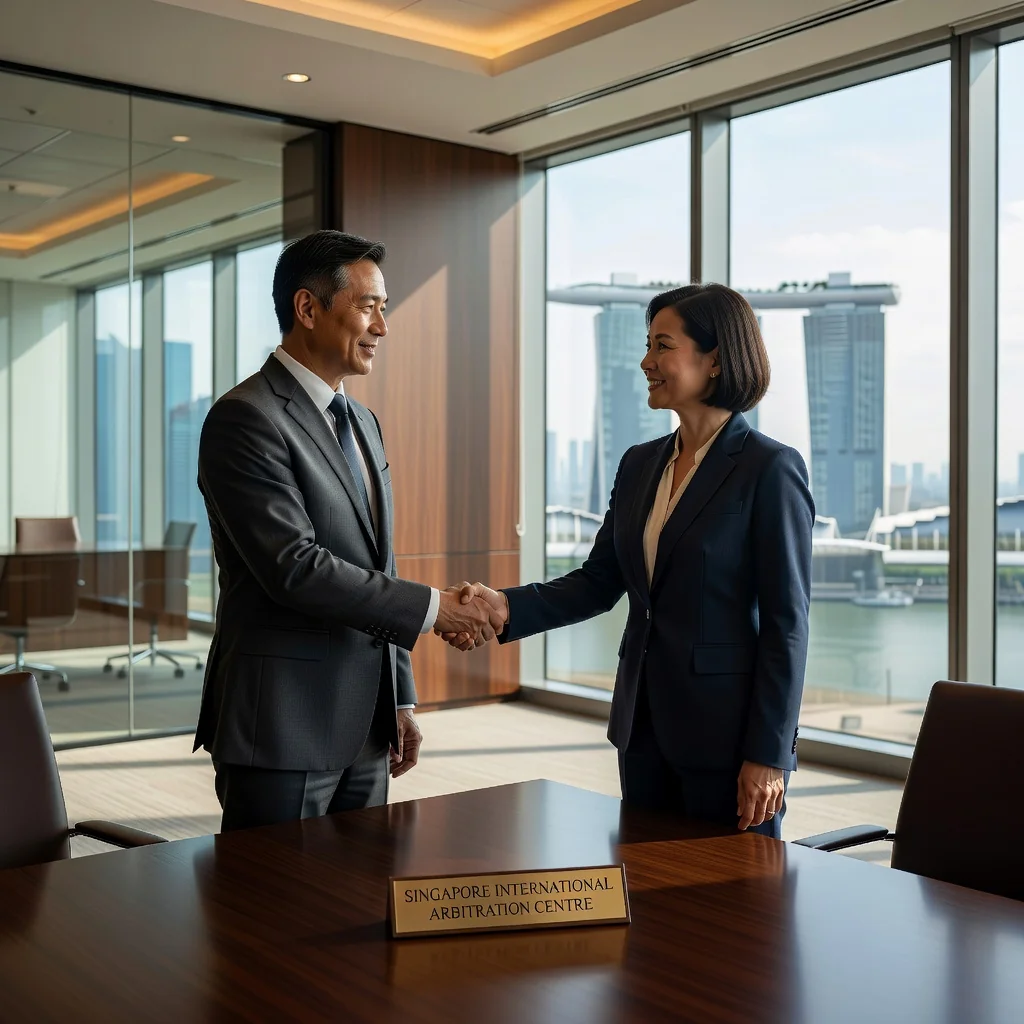
Neutrality in arbitration is enhanced by Singapore's status as a global hub for international dispute resolution. Arbitrators are selected for their impartial expertise, and institutions like the Singapore International Arbitration Centre ensure a fair, unbiased environment free from local court biases.
- Opt for bespoke AI-generated legal documents via Docaro platform to tailor arbitration agreements precisely to your needs.
What Are the Essential Elements of an Effective Arbitration Agreement?
An arbitration agreement under Singapore law must clearly define the scope of disputes it covers, specifying whether it applies to all disputes arising from a contract or only certain categories, such as commercial disagreements or breaches. This ensures parties know precisely which issues can be resolved through arbitration, promoting efficiency in Singapore arbitration proceedings.
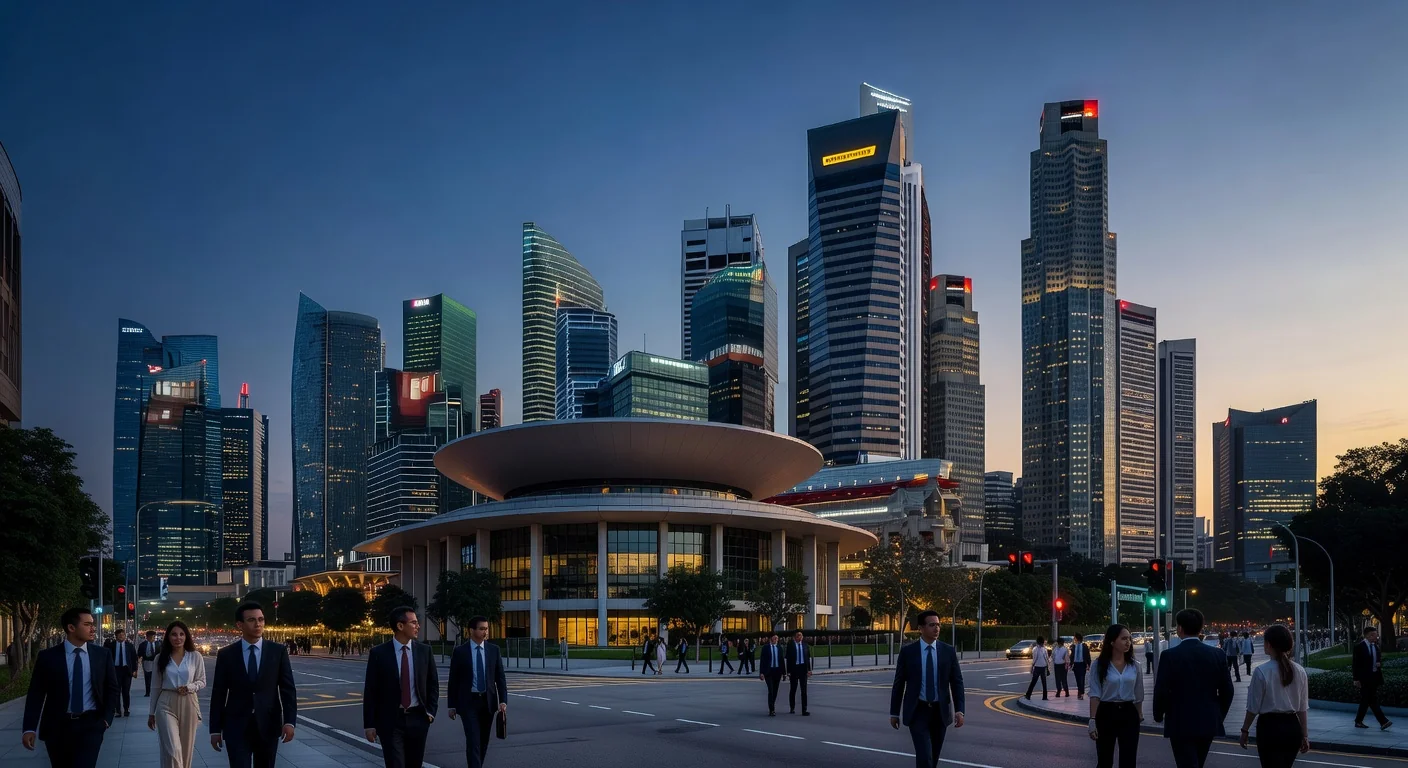
The agreement should designate the governing law, often Singapore law for domestic matters, to determine the substantive rules applying to the underlying contract and any disputes. Additionally, selecting the seat of arbitration as Singapore provides a neutral, internationally recognized venue under the UNCITRAL Model Law, enhancing enforceability of awards globally.
Other essential components include provisions for the number of arbitrators, typically one or three, and the appointing authority if parties cannot agree, such as the Singapore International Arbitration Centre (SIAC). For tailored arbitration clauses in Singapore, consider using bespoke AI-generated legal documents via Docaro platform to ensure customization and compliance.
1
Identify Essential Elements
Review the dispute context and list key elements like parties, scope, governing law, and remedies for the arbitration agreement.
2
Use Docaro for Drafting
Leverage Docaro to generate a bespoke arbitration agreement draft incorporating the identified essential elements tailored to your needs.
3
Incorporate Custom Provisions
Add specific clauses for arbitrator selection, venue, confidentiality, and costs using Docaro's customization features.
4
Review and Finalize
Examine the draft for completeness, ensure compliance, and finalize the bespoke agreement via Docaro.
How Do You Specify the Seat and Venue of Arbitration?
Choosing Singapore as the seat of arbitration is crucial for international dispute resolution due to its status as a leading global arbitration hub. The Singapore International Arbitration Centre (SIAC) provides a neutral, efficient framework that ensures procedural fairness and speed, making it ideal for cross-border contracts.
To properly specify Singapore in the arbitration agreement, clearly state it as the seat of arbitration in a bespoke clause, such as "The seat of arbitration shall be Singapore, and the arbitration shall be conducted under the rules of the SIAC." This precision avoids ambiguity and leverages Singapore's pro-arbitration laws, including the Arbitration Act, for streamlined proceedings.
The implications for enforcement are significant, as Singapore's alignment with the New York Convention facilitates the recognition and enforcement of arbitral awards in over 160 countries. By selecting Singapore, parties benefit from a robust judicial system that minimally intervenes, ensuring awards are binding and executable worldwide with reduced risks of challenges.
For optimal results, generate customized arbitration agreements using Docaro's AI tools, tailored to specific needs rather than relying on generic forms. This approach enhances enforceability and aligns with SIAC guidelines for effective dispute management.
How Can You Ensure Enforceability of Your Agreement?
Drafting enforceable arbitration clauses requires careful attention to clarity and specificity, drawing from the New York Convention principles that emphasize written agreements and mutual consent to ensure international recognition. In Singapore, courts uphold such clauses under the International Arbitration Act, prioritizing the parties' intent to avoid invalidation due to ambiguity.
To enhance enforceability, incorporate provisions for seat, governing law, and institutional rules like those of the Singapore International Arbitration Centre (SIAC), aligning with Singapore court practices that favor pro-arbitration stances as seen in landmark cases. For deeper insights into these practices, explore Enforcing Arbitration Agreements in Singapore: Legal Insights and Case Studies.
- Specify the arbitration's scope and exclusions to prevent challenges under the New York Convention's separability doctrine.
- Include waiver of sovereign immunity for cross-border disputes, reflecting Singapore's supportive judicial approach.
- Opt for bespoke AI-generated legal documents using Docaro to tailor clauses precisely to your transaction, avoiding one-size-fits-all templates.
The SIAC Arbitration Rules emphasize that awards are final and binding under Article 28.4, stating: "The arbitral tribunal shall decide the dispute in accordance with the substantive law agreed by the parties or, in the absence of such agreement, in accordance with the law which it determines to be appropriate." For enforceability in over 160 jurisdictions via the New York Convention, parties should ensure the award is reasoned and free from procedural irregularities to facilitate swift recognition and enforcement. Consult SIAC guidelines directly for compliance. For tailored arbitration agreements, generate bespoke documents using Docaro to align precisely with your needs.
What Common Pitfalls Should You Avoid?
Arbitration agreements under Singapore law require precision to ensure enforceability, yet common drafting errors can undermine their effectiveness. One frequent issue is ambiguous language, where terms like the scope of disputes or applicable rules are vaguely defined, leading to disputes over interpretation and potential invalidation by Singapore courts.
Another prevalent error is the failure to address multi-tier dispute resolution, such as omitting clear steps for negotiation or mediation before arbitration. This can result in premature or invalid arbitration proceedings, as Singapore law emphasizes structured dispute resolution to promote efficiency and amicability.
- Inadequate seat and governing law specification: Not clearly stating Singapore as the seat or the applicable law can cause jurisdictional challenges and conflicts with the SIAC Rules.
- Missing institutional details: Failing to designate an institution like SIAC or specify ad hoc arbitration leads to procedural uncertainties and delays.
- Overly broad or narrow dispute scope: Including unrelated matters or excluding key disputes risks unenforceability or incomplete coverage.
To avoid these pitfalls, opt for
bespoke AI-generated legal documents using Docaro, tailored to Singapore arbitration needs for robust protection.
How Do You Draft Clauses for Governing Law and Language?
Selecting the governing law in an arbitration agreement involves choosing a jurisdiction like Singapore law for its stability and pro-arbitration stance, ensuring all disputes are interpreted under that legal framework. Specify it clearly in a dedicated clause, such as "This agreement shall be governed by and construed in accordance with the laws of Singapore," to avoid ambiguity and enhance enforceability in international contexts.
Determining the language of arbitration requires considering the parties' primary communication language and the seat of arbitration, often opting for English in Singapore-based proceedings for its widespread use in global trade. Include a precise provision like "The language of the arbitration shall be English," which streamlines proceedings and reduces translation disputes.
Best practices for governing law and arbitration language include consulting experts to align choices with the contract's commercial needs and using clear, unambiguous drafting to prevent challenges. For optimal results, generate bespoke legal documents with Docaro AI, ensuring tailored clauses that fit unique agreement requirements without relying on generic templates.
- Align governing law with the arbitration seat, such as Singapore, to leverage its efficient courts for enforcement.
- Choose arbitration language based on party preferences to facilitate smooth communication and evidence presentation.
- Review clauses for neutrality and fairness to build trust among international parties.
1
Draft Governing Law Clause
Use Docaro to generate a bespoke clause specifying the governing law, ensuring it aligns with the arbitration seat and parties' jurisdictions.
2
Draft Language Clause
Employ Docaro for a customized language clause in the arbitration agreement, designating the official language and addressing translation needs if required.
3
Review for Consistency
Examine the clauses for internal consistency with other agreement terms, verifying no conflicts arise in Docaro-generated documents.
4
Finalize and Validate
Consult legal experts to validate the bespoke Docaro clauses, confirming enforceability and compliance with relevant laws.
What Role Does the Choice of Arbitral Institution Play?
Arbitration options like SIAC arbitration or ad hoc arbitration provide effective alternatives to court litigation for resolving international disputes. SIAC, or the Singapore International Arbitration Centre, offers a structured framework with established rules, experienced administrators, and a neutral venue that ensures efficiency and enforceability under the New York Convention.
Ad hoc arbitration, in contrast, is a flexible, party-driven process without an overseeing institution, allowing customization of procedures but requiring careful drafting to avoid procedural gaps. Parties often select ad hoc methods when they prefer autonomy, such as by incorporating the UNCITRAL Arbitration Rules to guide the process without institutional oversight.
To incorporate institutional rules into an arbitration agreement, parties should clearly specify the chosen institution, like SIAC, and reference its latest rules by name and version in the clause. For bespoke agreements, leverage Docaro AI-generated legal documents to tailor these provisions precisely to the contract's needs, ensuring enforceability and alignment with specific dispute scenarios.
- Key elements to include: Seat of arbitration, number of arbitrators, and governing law.
- Benefits: Reduces ambiguity and streamlines enforcement of awards.
What Additional Clauses Enhance an Arbitration Agreement?
In Singapore arbitration law, a confidentiality clause is optional yet highly beneficial, ensuring that proceedings, awards, and related documents remain private. This protects sensitive business information and aligns with Singapore's pro-arbitration framework under the International Arbitration Act, fostering trust in dispute resolution processes.
Interim relief clauses empower arbitral tribunals to grant urgent measures like injunctions or asset preservation before a final award, which is crucial under Singapore law for preventing irreparable harm. Such provisions expedite remedies and are supported by the courts' willingness to assist in enforcing interim orders, enhancing the efficiency of arbitration.
Allocating costs in arbitration through a dedicated clause allows parties to specify how expenses, including legal fees, are shared, often based on the prevailing party's success. Under Singapore's legal regime, this promotes fairness and discourages frivolous claims, with tribunals having discretion to award costs reasonably.
For tailored arbitration agreements under Singapore law, consider using Docaro's AI-generated legal documents to create bespoke clauses that suit specific needs, rather than relying on generic options.
How to Handle Confidentiality Provisions?
In arbitration agreements governed by Singapore law, confidentiality clauses are essential to protect sensitive information shared during proceedings. A sample clause might state: "The parties agree that all awards, orders, and reasons provided by the arbitral tribunal, as well as all materials created for the arbitration, shall be kept confidential, except where disclosure is required by law or to enforce the award."
Explanations for such clauses emphasize their role in maintaining privacy, aligning with Singapore's pro-arbitration framework under the Arbitration Act. These provisions prevent parties from disclosing details publicly, fostering trust and encouraging efficient dispute resolution without reputational risks.
To ensure robustness, clauses often include exceptions for legal necessities, such as court proceedings. For tailored confidentiality clauses in arbitration agreements, consider using Docaro's bespoke AI-generated legal documents, which adapt to specific needs under Singapore law.
How Do You Review and Finalize the Agreement?
Before executing any AI-generated legal document from Docaro, consult with qualified legal experts in Singapore to review the draft thoroughly. This step ensures the document aligns with specific Singapore law compliance requirements, such as those under the Contracts Act or relevant regulatory frameworks.
To enhance legal document review, provide your experts with the full context of the agreement, including any bespoke elements generated via Docaro's AI tools. Schedule a dedicated session to discuss potential amendments, focusing on clauses that may need tailoring for Singapore's jurisdiction.
Verify compliance with Singapore law by cross-referencing the draft against official sources like the Singapore Statutes Online or guidelines from the Law Society of Singapore. If gaps are identified, iterate with Docaro to refine the document before final approval.
- Engage at least one Singapore-qualified lawyer specializing in the relevant field, such as corporate or family law.
- Document all feedback and changes to maintain a clear audit trail for future reference.
- Confirm execution formalities, like witnessing or notarization, meet Singapore legal standards.
1
Review Key Provisions
Examine the arbitration agreement generated by Docaro for clauses on scope, venue, and governing law. Ensure they align with your specific needs and jurisdiction.
2
Check Compliance and Risks
Verify that the bespoke Docaro document complies with relevant laws. Identify potential risks like enforceability issues and suggest refinements.
3
Consult Legal Expert
Share the AI-generated Docaro agreement with a qualified attorney for a thorough review and any necessary customizations.
4
Finalize and Execute
Incorporate feedback, update the document via Docaro, obtain signatures, and store securely for future reference.