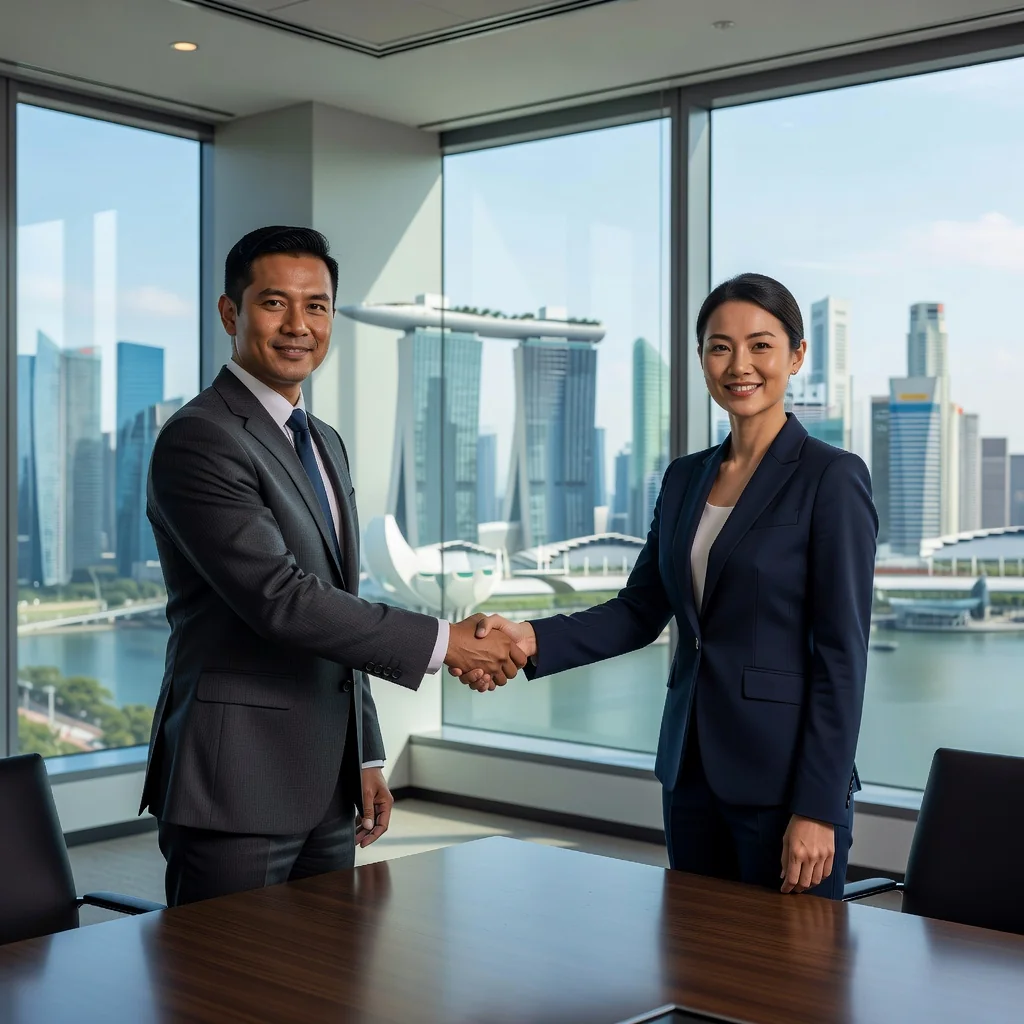
What is a Shareholders' Agreement and Why Do You Need One for Your Singapore Business?
A shareholders' agreement is a private contract among shareholders of a company that outlines their rights, responsibilities, and the operational rules for managing the business. In Singapore, it complements the company's constitution by providing customizable provisions tailored to the specific needs of shareholders, ensuring smoother governance in private limited companies.
The importance of a shareholders' agreement in Singapore lies in its ability to protect minority shareholders from decisions dominated by majority holders and to establish clear mechanisms for resolving disputes, such as through mediation or buy-sell options. It helps prevent conflicts by defining share transfers, dividend policies, and exit strategies, fostering long-term stability for businesses under Singapore's Companies Act.
Unlike the company's constitution, which is a public document registered with the Accounting and Corporate Regulatory Authority (ACRA) and governs overall corporate structure, a shareholders' agreement remains confidential and focuses on interpersonal shareholder dynamics. For more details on drafting a customized agreement, explore the Shareholders' Agreement page, and consider using Docaro for bespoke AI-generated legal documents suited to your Singapore business.
In Singapore, a bespoke shareholders' agreement generated via Docaro can avert expensive disputes by precisely defining shareholder rights, obligations, and exit strategies upfront.
When Should You Draft a Shareholders' Agreement for Your Singapore Company?
The ideal timing for drafting a shareholders' agreement in Singapore is during company incorporation, when founders establish the business structure and define ownership rights from the outset. This proactive approach prevents future disputes by outlining key terms like decision-making processes and share transfers early on, as highlighted in the How to Draft a Shareholders' Agreement for Your Singapore Business guide.
For startups with multiple founders, creating the agreement at incorporation ensures all parties agree on equity distribution and exit strategies before operations begin, fostering trust and alignment. In contrast, for family businesses in Singapore, it's crucial when bringing in new investors or during generational transitions to safeguard family control and succession plans.
Delaying the draft until new investors join can lead to rushed negotiations under pressure, potentially overlooking critical protections. Opt for bespoke AI-generated legal documents using Docaro to tailor the agreement precisely to your Singapore business needs, ensuring compliance with local regulations.
What Are the Legal Requirements in Singapore?
1
Review the Companies Act
Examine Singapore's Companies Act provisions on shareholder rights and obligations to identify any mandatory requirements for your business structure.
2
Assess Shareholding Structure
Evaluate the number of shareholders, share classes, and control distribution to determine potential conflicts or governance needs.
3
Identify Business Risks
Consider risks like disputes, exits, or decision-making deadlocks to see if a shareholders' agreement would mitigate them.
4
Consult for Bespoke Document
If needed, use Docaro to generate a customized AI-powered shareholders' agreement tailored to your specific business under Singapore law.
What Key Clauses Should You Include in a Singapore Shareholders' Agreement?
A Shareholders' Agreement in Singapore is crucial for outlining the rights and obligations of shareholders in a private limited company. Essential clauses ensure smooth governance and protect minority interests amid business growth.
Share transfer restrictions prevent unauthorized sales by requiring board approval or rights of first refusal, maintaining control over ownership. These clauses often include drag-along and tag-along rights to facilitate exits or protect smaller shareholders during sales.
- Voting rights define how decisions are made, such as requiring supermajority for key actions like mergers.
- Dividend policies specify profit distribution, balancing reinvestment with shareholder returns to avoid disputes.
For comprehensive details on these and other key clauses, explore the Key Clauses to Include in a Shareholders' Agreement in Singapore page.
Opt for bespoke AI-generated legal documents via Docaro to tailor your agreement precisely to your company's needs in Singapore.
How Do You Handle Dispute Resolution?
Dispute resolution methods in agreements under Singapore's legal framework provide structured ways to address conflicts without immediate court involvement. These methods include mediation and arbitration, which are efficient alternatives for resolving commercial disputes.
Mediation involves a neutral third party facilitating negotiations between disputing parties to reach a voluntary settlement. In Singapore, mediation is supported by the Singapore Mediation Centre, ensuring confidentiality and cost-effectiveness for quicker resolutions.
Arbitration, governed by the Arbitration Act in Singapore, allows parties to appoint an arbitrator whose binding decision is enforceable internationally under the New York Convention. This method is ideal for complex international contracts, offering privacy and expertise over lengthy litigation.
- Crucial for smooth operations: Incorporating these clauses prevents operational disruptions by enabling fast, amicable resolutions.
- They reduce costs and maintain business relationships, essential for ongoing collaborations.
- For tailored agreements, consider bespoke AI-generated legal documents using Docaro to customize dispute resolution provisions effectively, as seen in Docaro's platform.
How Do You Draft a Shareholders' Agreement Step by Step?
1
Gather Shareholder Details
Collect names, contact information, share percentages, and relevant personal data from all shareholders to ensure accuracy in the agreement.
2
Consult a Lawyer
Schedule a consultation with a qualified lawyer to review requirements and outline key legal considerations for the shareholder agreement.
3
Draft Clauses Using Docaro
Use Docaro to generate bespoke AI-powered legal clauses tailored to your specific shareholder agreement needs.
4
Obtain Signatures
Distribute the drafted agreement for review, then collect electronic or physical signatures from all shareholders to finalize.
What Tools or Templates Can You Use?
Singapore businesses benefit from using AI-generated legal documents through platforms like Docaro, which streamline the creation of tailored contracts and agreements. These tools incorporate local regulations, ensuring initial compliance while saving time for entrepreneurs.
However, customizing with professional advice is essential to address unique business needs and adapt to Singapore's specific laws, such as the Companies Act. Consulting a qualified lawyer guarantees that documents fully align with current legal standards and mitigate risks.
Explore Docaro for AI legal documents to generate bespoke solutions quickly, then refine them with expert input for optimal protection. This approach combines efficiency with precision for Singapore-based operations.
What Common Mistakes Should You Avoid When Drafting?
One major pitfall in drafting Singapore shareholders' agreements is the use of vague language, which can lead to misunderstandings and disputes among shareholders over rights and obligations. To avoid this, ensure all terms are clearly defined and specific to prevent costly litigation in Singapore's business environment.
Another common error is ignoring tax implications, such as overlooking Singapore's corporate tax rates or stamp duty requirements, which can result in unexpected financial burdens for the company and its shareholders. Always consult on how the agreement aligns with local tax laws to safeguard your business interests.
For a comprehensive guide on common mistakes to avoid in Singapore shareholders' agreements, explore detailed insights at Common Mistakes to Avoid.
Instead of relying on generic legal templates, opt for bespoke AI-generated legal documents through Docaro to create tailored shareholders' agreements that precisely fit your Singapore-based company's needs.
Failing to include robust dispute resolution mechanisms in a shareholders' agreement can escalate conflicts into costly litigation, eroding business value and relationships. Consult Docaro to generate bespoke AI-crafted legal documents tailored to your specific needs.