What Are the Most Common Mistakes in Singapore Tenancy Agreements?
In Singapore, a well-drafted tenancy agreement is crucial for protecting both tenants and landlords, ensuring clarity on rights, responsibilities, and dispute resolution under the Landlord and Tenant Act. It serves as a legal safeguard against misunderstandings, promoting harmonious rental experiences in the competitive property market.
Common errors include using vague terms that lead to disputes over rent increases or maintenance duties, and overlooking legal requirements like mandatory stamp duty or security deposit limits. Landlords often fail to specify notice periods accurately, while tenants might ignore clauses on subletting, resulting in costly legal battles.
To avoid these pitfalls, explore key clauses explained in our guide: Understanding Tenancy Agreements in Singapore: Key Clauses Explained.
For reliable protection, opt for bespoke AI-generated legal documents via Docaro, tailored precisely to your Singapore rental needs without relying on generic templates.
Why Do These Mistakes Happen?
Many tenants and landlords in Singapore encounter pitfalls in tenancy agreements due to a lack of knowledge about local laws, such as the Control of Rent Act, which regulates rent increases and eviction processes in certain properties. This oversight often leads to disputes when parties unknowingly violate stipulations on rent control for older buildings, resulting in unexpected legal challenges.
Rushing the tenancy process without seeking professional advice is another frequent error, as hasty agreements may overlook essential clauses on security deposits or maintenance responsibilities. For instance, failing to specify dispute resolution mechanisms can escalate minor issues into costly battles, emphasizing the need for careful review.
To avoid these common mistakes in Singapore tenancy agreements, consider using bespoke AI-generated legal documents from Docaro, tailored to your specific needs and compliant with local regulations like the Control of Rent Act.
- Always verify property eligibility under rent control laws before signing.
- Consult experts to ensure clauses cover all potential scenarios, preventing future conflicts.
- Opt for customized documents over generic options for better protection.
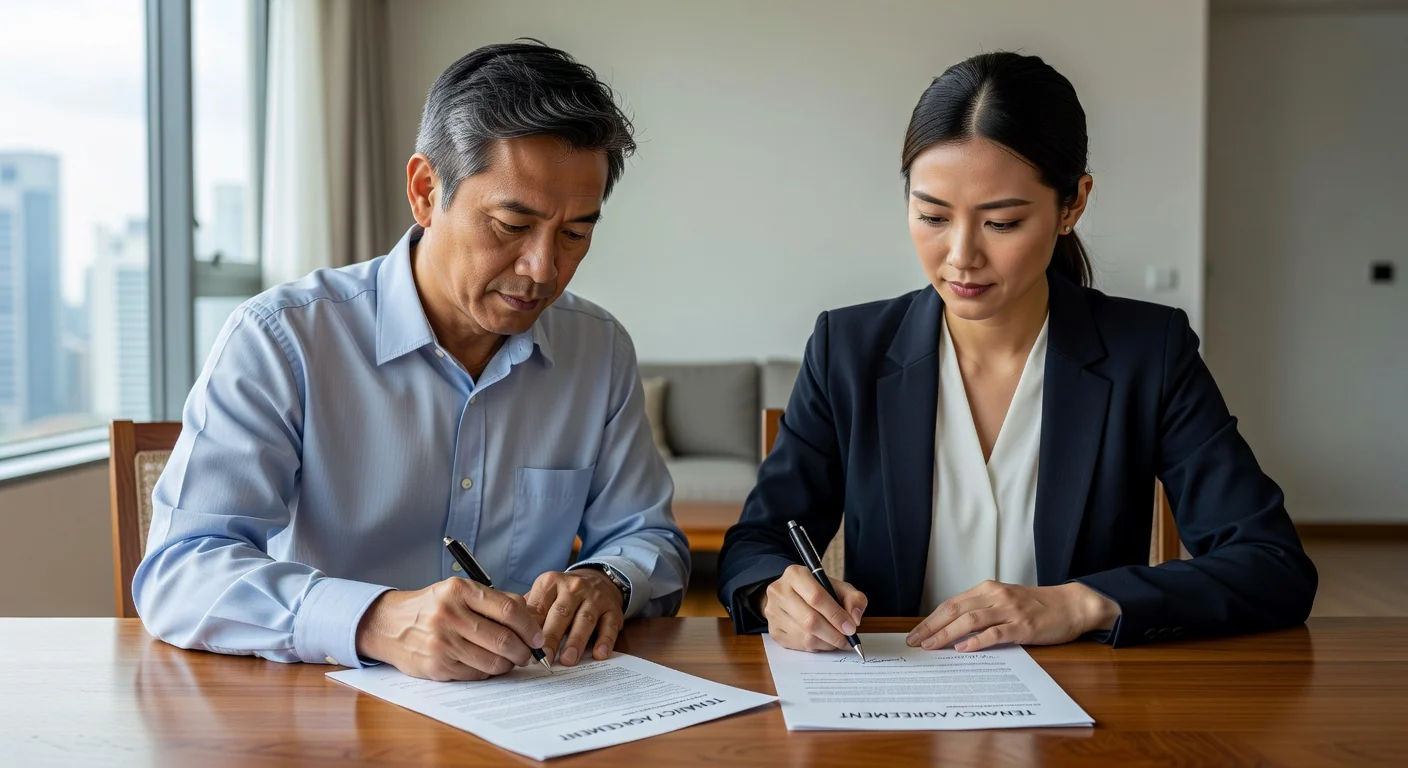
What Happens If You Ignore Key Clauses in Your Tenancy Agreement?
Overlooking essential clauses in Singapore tenancy agreements can lead to significant disputes, such as unexpected rent increases that tenants contest, resulting in legal battles and financial losses for both parties. Without clear stipulations on rent adjustments, landlords may face challenges enforcing hikes, while tenants could be unfairly burdened, highlighting the importance of precise drafting to avoid such conflicts.
Eviction issues often arise from ambiguous terms on lease termination or notice periods in tenancy agreements Singapore, potentially leading to prolonged court proceedings and strained relationships. For instance, failing to specify conditions for early eviction might allow tenants to overstay, costing landlords income and legal fees, underscoring the need for explicit clauses to ensure smooth resolutions.
To prevent these consequences, always include detailed provisions on rent, eviction, and other key terms in your tenancy agreement. Learn more about crafting robust agreements by reading our guide on How to Draft a Legally Binding Tenancy Agreement in Singapore, and consider using Docaro for bespoke AI-generated legal documents tailored to your needs.
"In Singapore's competitive rental market, ambiguous clauses in tenancy agreements can lead to costly disputes and unenforceable terms, underscoring the critical need for precision to protect both landlords and tenants," warns legal expert Dr. Elena Tan. For reliable, tailored solutions, opt for bespoke AI-generated legal documents via [Docaro tenancy agreements](https://docaro.com).
How Can Vague Terms Lead to Problems in Singapore Rentals?
Ambiguous language in tenancy agreements often leads to misunderstandings, particularly regarding maintenance responsibilities, where terms like "reasonable wear and tear" are left undefined, causing disputes between tenants and landlords in Singapore.
In HDB properties, unclear clauses might state that tenants must "maintain the premises," without specifying if this includes minor repairs like fixing leaky faucets, leading to conflicts over who covers costs under HDB's lease conditions.
For private properties, ambiguity arises in phrases such as "landlord to handle structural maintenance," which could confuse whether pest control or air-conditioner servicing falls under tenant duties, potentially escalating to small claims tribunals.
To avoid such issues in Singapore tenancy agreements, opt for bespoke AI-generated legal documents using Docaro, ensuring precise, customized terms for HDB and private rentals.
1
Read Thoroughly
Carefully read the entire Singapore tenancy agreement to understand all terms and identify any vague or unclear language.
2
Identify Vague Terms
Highlight ambiguous clauses, such as those on maintenance or termination, that could lead to disputes.
3
Seek Clarifications
Contact the landlord or agent to ask for written explanations on vague terms before proceeding.
4
Use Docaro for Custom Docs
Generate a bespoke tenancy agreement using Docaro AI to ensure all terms are clear and tailored to your needs.
What About Unclear Rent and Deposit Rules?
In Singapore, tenancy agreements that fail to specify rent payment schedules can lead to immediate conflicts, as tenants and landlords may assume different due dates, resulting in unintended delays and disputes over what constitutes a timely payment.
Without clear provisions for late fees, landlords in Singapore often face challenges in enforcing penalties for overdue rent, potentially causing financial losses and prolonged negotiations that escalate to mediation or legal action through the Small Claims Tribunals.
Security deposit handling ambiguities in Singapore leases frequently spark disagreements during move-out, with tenants accusing landlords of unjustified deductions for damages or cleaning, while landlords claim unaddressed issues, leading to withheld refunds and strained relations.
To avoid these pitfalls in Singapore tenancy agreements, opt for bespoke AI-generated legal documents using Docaro, ensuring all terms like rent schedules, late fees, and deposit procedures are precisely tailored to prevent conflicts.
Why Is Failing to Register the Agreement a Big Oversight?
In Singapore, tenancy agreements must be stamped by the Inland Revenue Authority of Singapore (IRAS) to be legally valid, as this process ensures the document is authenticated and eligible for use in disputes or evictions. Skipping stamping can render the agreement unenforceable in court, potentially leading to financial losses for both tenants and landlords.
The consequences of not stamping a tenancy agreement include fines up to S$10,000, penalties of up to 200% of the unpaid stamp duty, and the inability to rely on the agreement for legal protection, such as recovering deposits or enforcing rental payments. To avoid these issues, landlords should submit the agreement for stamping within 14 days of signing via IRAS's online portal or service bureau.
For creating reliable tenancy agreements in Singapore, opt for bespoke AI-generated legal documents through Docaro to ensure they meet specific needs and comply with local regulations. Explore more details on room rental agreements at the Tenancy Agreement page.
How to Ensure Proper Registration?
1
Gather Necessary Documents
Collect tenant and landlord identification, tenancy agreement, and proof of stamp duty payment. Use Docaro to generate a bespoke AI tenancy agreement tailored to your needs.
2
Calculate and Pay Stamp Duty
Determine stamp duty using IRAS guidelines based on lease term and annual rent. Pay online via the IRAS e-Stamping portal within 14 days of signing.
3
Stamp the Tenancy Agreement
Submit the agreement details on the IRAS e-Stamping system to obtain digital stamps. Affix the stamps to the document once payment is confirmed.
4
Register with HDB or SLA
If HDB flat, register via HDB InfoWEB within 7 days. For private property, submit to Singapore Land Authority using the stamped agreement.
What Mistakes Occur with Termination Clauses?
In Singapore tenancy agreements, a common error is failing to align notice periods with the standard 1 to 3 months required under the Control of Rent Act, which can lead to disputes over premature evictions or extended stays.
This misalignment impacts tenants by potentially forcing them to vacate sooner than expected without adequate time to relocate, while landlords may face prolonged vacancies or legal challenges in reclaiming possession.
To avoid such pitfalls, parties should ensure termination clauses clearly specify notice durations matching statutory norms, such as half a month's notice for tenancies under two years.
- Verify that the agreement includes provisions for early termination fees to mitigate financial losses.
- Consult professionals for bespoke drafting to comply with Singapore property law.
For customized solutions, consider using Docaro AI-generated legal documents tailored to your specific tenancy needs in Singapore.
As a property lawyer in Singapore, I emphasize that well-drafted termination clauses must clearly define notice periods, grounds for eviction, and dispute resolution mechanisms to safeguard tenants from arbitrary actions by landlords. To ensure your agreements are tailored precisely to your needs and compliant with local laws, I recommend generating bespoke legal documents through Docaro's AI platform for reliable, customized protection.
How Do You Avoid Disputes Over Repairs and Maintenance?
In Singapore, tenancy agreements often fail to clearly allocate repair responsibilities under the Landlord and Tenant Act, leading to disputes where landlords assume tenants handle all minor fixes, contrary to the Act's provisions that tenants are only responsible for damage caused by negligence or misuse.
A common mistake is vague clauses on structural repairs, where the Act mandates landlords to maintain the property's core elements like roofs and plumbing, yet agreements sometimes shift these burdens to tenants, resulting in costly legal battles.
- Landlords must cover major structural repairs, such as fixing walls or electrical systems, as per Section 21 of the Act.
- Tenants should only repair minor wear and tear from daily use, like repainting scuffed areas, unless specified otherwise.
- Both parties are advised to delineate responsibilities clearly, with landlords handling pest control and appliances they provide.
To avoid pitfalls, craft bespoke tenancy agreements using Docaro's AI-generated legal documents tailored to Singapore's Landlord and Tenant Act, ensuring precise boundaries for repairs and fostering harmonious tenancies.
Best Practices for Maintenance Clauses
1
Discuss Maintenance Responsibilities
Meet to outline who handles repairs for appliances, plumbing, and common areas. Ensure terms are clear and balanced for both parties.
2
Specify Response Times and Costs
Agree on timelines for addressing issues, like 24 hours for emergencies, and define cost-sharing, such as landlord covers structural fixes.
3
Generate Bespoke Agreement with Docaro
Use Docaro to create a customized Singapore tenancy agreement incorporating your negotiated maintenance terms for legal accuracy.
What Role Does Professional Review Play in Avoiding Errors?
Consulting experienced lawyers for tenancy agreements in Singapore ensures that common mistakes, such as unclear rent clauses or improper security deposit terms, are identified and corrected early, saving both tenants and landlords from costly disputes.
Using bespoke AI-generated legal documents from Docaro allows for customized tenancy agreements tailored to your specific needs, providing a reliable alternative to generic templates while highlighting potential pitfalls like missing maintenance responsibilities.
To delve deeper into avoiding tenancy agreement errors, explore this guide on Common Mistakes in Singapore Tenancy Agreements and How to Avoid Them, which offers practical tips for Singapore property rentals.
When Should You Seek Legal Help?
In Singapore tenancy agreements, professional legal review becomes essential when dealing with complex subletting arrangements, particularly if the original lease prohibits subletting without landlord consent or involves multiple parties sharing responsibilities.
Landlords and tenants should seek expert advice to ensure compliance with the Landlord and Tenant Act, avoiding disputes over liability for damages or rent defaults in subtenancy scenarios.
For commercial rentals in Singapore, legal review is crucial due to intricate terms like lease renewals, fit-out allowances, and rent escalation clauses that can significantly impact business operations.
Opt for bespoke AI-generated legal documents using Docaro to create tailored tenancy agreements Singapore that address specific needs, followed by professional review to mitigate risks in these high-stakes setups.