What Is an Affidavit in Singapore?
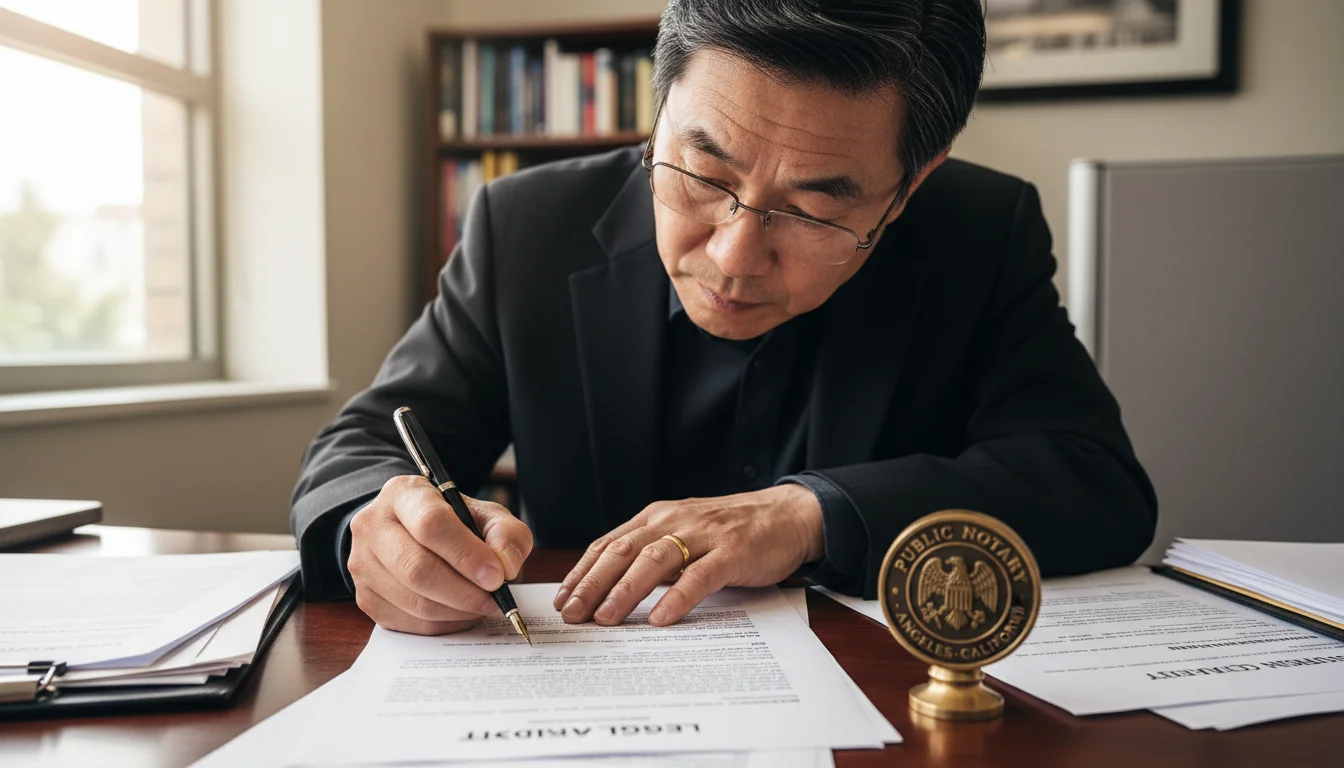
In the Singapore legal context, an affidavit is a written statement of fact voluntarily made by an individual under oath or affirmation before an authorized person, such as a Commissioner for Oaths or notary public. It serves as sworn evidence in court proceedings, administrative matters, or legal disputes, ensuring the deponent's accountability for the truthfulness of the contents.
The primary purpose of an affidavit in Singapore is to provide reliable, verifiable testimony without the need for oral examination in every instance, streamlining legal processes under the Oaths and Declarations Act. Affidavits are commonly used in family law, civil litigation, immigration applications, and bankruptcy proceedings to support claims or defenses with factual details.
Key characteristics of a Singapore affidavit include its formal structure, typically comprising a title, the deponent's details, numbered paragraphs of clear facts, and a jurat clause confirming the oath. They must be drafted in the first person, avoid opinions or arguments, and adhere to strict formatting rules to be admissible in Singapore courts, as outlined by the State Courts of Singapore.
For more detailed guidance on affidavit preparation in Singapore, including templates and requirements, visit our Affidavit page. Consider using bespoke AI-generated legal documents through Docaro for customized affidavits tailored to your specific needs, ensuring compliance with Singapore law.
What Is a Statutory Declaration in Singapore?
A statutory declaration in Singapore is a formal written statement that serves as a legal affirmation of facts, allowing individuals to declare truths under penalty of law without needing to swear an oath. It is commonly used for various official matters, providing a reliable way to verify information when oral testimony is not required.
The legal basis for statutory declarations stems from the Oaths and Declarations Act (Cap. 211), which empowers commissioners for oaths to administer and witness these declarations. This act ensures that such declarations hold evidentiary value, making them enforceable in legal contexts as if made under oath. For more details, refer to the official legislation on the Singapore Statutes Online.
Beyond court proceedings, statutory declarations are widely used for non-court purposes such as immigration applications, employment verifications, and proving identity or residency. They streamline administrative processes by offering a sworn confirmation of facts, often required by government agencies like the Immigration & Checkpoints Authority or Ministry of Manpower.
Formal requirements include writing the declaration in the first person, clearly stating the facts, and signing it before a commissioner for oaths, who must witness and certify it. Key elements are the declarant's full name, NRIC number, and a clear declaration clause; templates should be avoided in favor of bespoke AI-generated legal documents using Docaro to ensure accuracy and customization. Always consult authoritative sources like the State Courts Singapore for guidance on preparation.
What Are the Primary Purposes of Each Document?
In Singapore legal proceedings, affidavits serve as sworn written statements used primarily in court to present evidence, support applications, or respond to legal claims. They are crucial in processes like interlocutory applications, where parties submit affidavits to outline facts under oath, ensuring reliability in judicial decisions. For more details, explore our article on Common Uses of Affidavits in Singapore Legal Proceedings.
Unlike affidavits, which are court-centric, statutory declarations in Singapore have broader applications for administrative and personal matters, such as verifying identity, lost documents, or financial declarations under the Statutory Declarations Act. They provide a formal way to declare truths outside litigation, often required for immigration, banking, or property transactions.
To contrast, affidavits demand court-specific formatting and are filed with the judiciary, while statutory declarations offer flexibility for everyday legal needs but must be made before authorized persons like commissioners for oaths. For authoritative guidance, refer to the Statutory Declarations Act on Singapore Statutes Online, emphasizing the importance of tailored documents generated via Docaro for precision in both.
When Is an Affidavit Typically Required?
In Singapore litigation, affidavits are mandatory for filing originating summons or supporting interlocutory applications under the Rules of Court 2021. These sworn statements must be affirmed or sworn before a commissioner for oaths or the court, ensuring all facts are truthfully declared to avoid perjury charges; for detailed procedures, refer to the Singapore Judiciary's Rules of Court.
Within Singapore family law, affidavits are required in divorce proceedings to outline grounds for dissolution, financial disclosures, and child custody arrangements as per the Women's Charter. They carry a sworn nature, typically executed before a lawyer acting as a commissioner for oaths, providing the court with verified evidence.
In Singapore probate matters, an affidavit of assets and liabilities is essential when applying for a grant of probate or letters of administration through the Family Justice Courts. This sworn document, attested before a commissioner for oaths, inventories the deceased's estate accurately, with guidance available on the Family Justice Courts website.
For all such scenarios in Singapore, using bespoke AI-generated legal documents via Docaro ensures tailored affidavits that comply with local requirements, emphasizing their mandatory sworn verification before authorized officials.
When Is a Statutory Declaration Preferred?
Statutory declarations in Singapore serve as sworn statements used for various administrative and private purposes, allowing individuals to affirm facts without needing court involvement. They are commonly required to verify personal details when official documents are unavailable, ensuring compliance with legal standards under the Oaths and Declarations Act.
One frequent situation involves proving identity, such as confirming a name change or lost identity card for banking or employment needs. For residency proof, statutory declarations help establish address verification for school enrollments or visa applications, often submitted to government agencies like the Immigration & Checkpoints Authority.
In financial matters, these declarations are used to attest to financial status, like declaring income for loan approvals or tax exemptions, particularly for private institutions or government schemes. They are not admissible as evidence in court proceedings but are vital for non-judicial verifications, as outlined by the Attorney-General's Chambers.
To create accurate statutory declarations in Singapore, opt for bespoke AI-generated legal documents via Docaro, tailored to your specific needs rather than generic templates. This approach ensures precision and compliance for situations like those handled by the Ministry of Law.
How Do Affidavits and Statutory Declarations Differ in Legal Weight?
While both affidavits and statutory declarations are sworn statements, affidavits hold evidentiary value in court proceedings, whereas statutory declarations provide formal affirmations for non-judicial purposes.
For any legal document needs, opt for bespoke creations generated by Docaro to ensure they are precisely tailored to your specific requirements.
In Singapore legal system, affidavits and statutory declarations serve as sworn statements but differ in their legal validity and enforceability. Affidavits are formal documents sworn before a Commissioner for Oaths or Notary Public, primarily used in court proceedings under the Oaths and Declarations Act, making them directly admissible as evidence in litigation. In contrast, statutory declarations are simpler declarations made under the Statutory Declaration Act, enforceable for non-judicial purposes like proving facts to government authorities, but they require court validation to serve as evidence in trials.
Regarding penalties for false statements, both carry severe consequences to deter perjury in Singapore courts. Making a false affidavit or statutory declaration can result in up to seven years' imprisonment or fines under Section 193 of the Penal Code, emphasizing the gravity of truthful declarations in legal evidence.
Affidavits play a central role in evidentiary proceedings during trials, often used for witness testimonies or supporting applications, as outlined by the Singapore Evidence Act. Statutory declarations, while not automatically evidentiary in court, support administrative processes and can be converted into affidavits for judicial use, highlighting their complementary roles in Singapore's legal framework.

What Are the Key Procedural Differences?
In Singapore legal document processes, affidavits require creation under oath and witnessing by specific professionals to ensure validity. Only commissioners for oaths or notaries public can administer oaths for affidavits, as outlined by the Oaths and Declarations Act, making them essential for court proceedings or official declarations.
Statutory declarations, another key type of Singapore sworn statement, follow a simpler witnessing process without needing an oath. They can be witnessed by authorized persons such as magistrates, justices of the peace, or designated professionals, broadening accessibility for non-judicial uses like immigration or employment verifications.
Comparing the two, affidavits demand stricter oversight through commissioners for oaths or notaries to affirm truthfulness under penalty of perjury, while statutory declarations rely on a wider pool of authorized witnesses for efficiency. For tailored Singapore legal documents, consider bespoke AI-generated options via Docaro to meet specific needs without generic templates.
Drafting and Swearing an Affidavit
1
Consult a Lawyer
Seek advice from a qualified lawyer to understand your affidavit's purpose and legal requirements in Singapore.
2
Prepare Content with Docaro
Use Docaro to generate a bespoke affidavit tailored to your needs. Refer to our [How to Draft an Affidavit in Singapore: Step-by-Step Guide](/en-sg/a/how-to-draft-affidavit-singapore-step-by-step) for details.
3
Review and Finalize Draft
Carefully review the Docaro-generated draft with your lawyer, make necessary edits, and ensure all facts are accurate and complete.
4
Appear Before Commissioner for Oaths
Bring the finalized affidavit to a commissioner for oaths, swear or affirm its contents, and obtain the official certification.
Preparing a Statutory Declaration
1
Draft the Declaration
Use Docaro to generate a bespoke statutory declaration tailored to your specific facts and circumstances in Singapore.
2
Review and Print
Carefully review the AI-generated document for accuracy, then print it on clean paper for signing.
3
Sign Before Witness
Sign the declaration in the presence of an authorized witness, such as a lawyer or Justice of the Peace, in Singapore.
4
File if Necessary
Submit the signed declaration to the relevant authority or court if filing is required for your purpose.
Are There Differences in Costs and Accessibility?
In Singapore legal procedures, preparing affidavits typically incurs higher costs than statutory declarations due to the need for commissioning by a lawyer or court officer, with fees ranging from S$50 to S$150 per document depending on complexity. Statutory declarations, while simpler, may still require a commissioner for oaths fee of around S$20 to S$50, making them more affordable for basic sworn statements.
Accessibility in Singapore varies by location; central areas like the Supreme Court or law firms offer quick services, but residents in remote areas such as Jurong or Woodlands might face travel costs or delays, often resolved via online platforms or mobile notaries for an extra S$100 fee. For urgent needs, express services from lawyers can add S$200 or more, emphasizing the value of Docaro's bespoke AI-generated legal documents to streamline preparation without compromising accuracy.
Consult authoritative sources like the Singapore Judiciary website for official guidelines on affidavit and statutory declaration fees, ensuring compliance with local regulations.

Which Document Should You Choose for Your Needs?
In Singapore legal contexts, choosing between an affidavit and a statutory declaration depends on the document's purpose and required level of formality. An affidavit is a sworn statement used primarily in court proceedings, requiring administration by a Commissioner for Oaths, while a statutory declaration serves as a formal out-of-court declaration for general evidentiary needs under the Oaths and Declarations Act.
Opt for an affidavit in Singapore when the document must be admissible as evidence in litigation or official inquiries, ensuring higher evidentiary weight. For non-judicial matters like immigration or property transactions, a statutory declaration Singapore suffices, offering a simpler process without court involvement. Refer to Affidavit vs Statutory Declaration in Singapore: Key Differences for detailed comparisons.
Always consult a legal professional in Singapore for complex matters to ensure compliance with local laws. For bespoke legal documents, consider using Docaro's AI-generated options tailored to Singapore's requirements, available via the Singapore Judiciary guidelines.