What is a Party Wall Agreement in Singapore?
A Party Wall Agreement in Singapore property law refers to a legal document that outlines the rights and responsibilities of adjacent property owners regarding shared or boundary walls between their properties. This agreement is essential for preventing disputes over the use, maintenance, or alteration of these common structures, ensuring clarity in ownership and obligations.
The legal basis for Party Wall Agreements stems from the Land Titles (Strata) Act, which governs strata-titled properties in Singapore and addresses shared elements like party walls in multi-unit developments. Under this Act, such agreements help define how costs for repairs or modifications are shared, providing a framework for harmonious neighbor relations as detailed on the Estate and Land Acquisition Authority website.
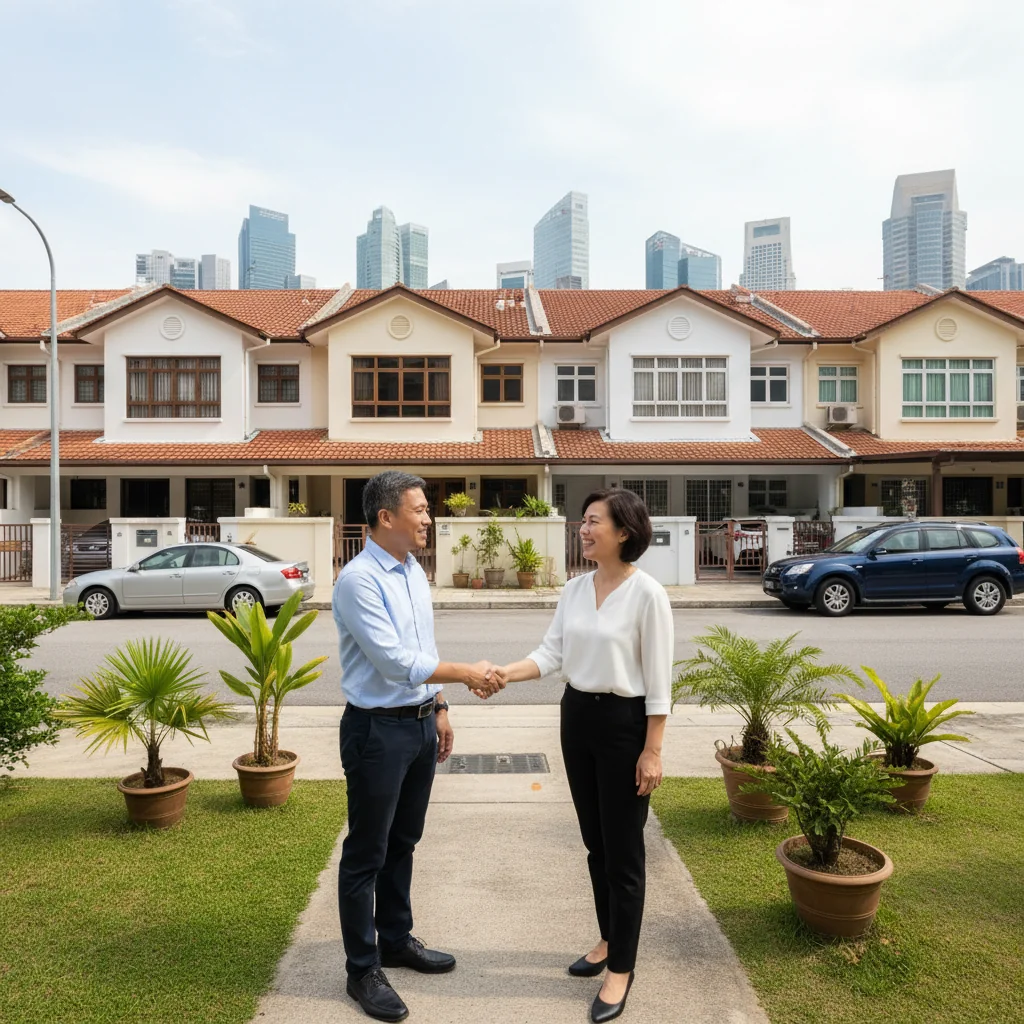
These agreements are typically required when shared walls exist between adjacent properties, such as in terraced houses, semi-detached homes, or strata developments, especially during construction or renovation works. For instance, if one owner plans to build an extension or modify the wall, the agreement ensures the other party's consent and protects against structural damage or liability issues.
The importance of a Party Wall Agreement cannot be overstated for homeowners and property owners undertaking renovations, as it mitigates legal risks, avoids costly litigation, and promotes smooth project execution. To create a tailored agreement suited to your specific property situation, consider using Docaro for bespoke AI-generated legal documents that comply with Singapore regulations.
Why is a Party Wall Agreement Necessary?
A Party Wall Agreement in Singapore is essential for protecting property rights when shared walls or boundaries are involved in construction or renovation projects. It clearly delineates responsibilities between adjoining property owners, ensuring that each party's property rights are safeguarded against unauthorized alterations or damage.
Without such an agreement, disputes can escalate quickly, leading to costly legal battles and strained neighbor relations. It also prevents disputes by establishing mutual consent and terms upfront, fostering cooperation during works.
Compliance with Singapore's building regulations is another key reason, as the agreement aligns projects with standards set by the Building and Construction Authority (BCA). For detailed guidance, explore our Party Wall Agreement page or visit the BCA website for official regulations.
Failing to secure a Party Wall Agreement can result in severe consequences, such as legal liabilities for damages or non-compliance fines, and potential construction halts ordered by authorities until issues are resolved. In extreme cases, this may lead to project abandonment or court-mandated stop-work orders, emphasizing the need for bespoke AI-generated legal documents via Docaro to ensure tailored protection.
Secure your property rights with a bespoke Party Wall Agreement generated via Docaro, protecting both parties from disputes and ensuring compliant renovations in Singapore.
What are the Key Components of a Party Wall Agreement?
A Party Wall Agreement in Singapore primarily governs the shared boundaries between adjacent properties, ensuring clear delineation of the shared wall to prevent disputes. This agreement outlines the exact location, ownership, and maintenance of the wall, often requiring a licensed land surveyor to verify boundaries through precise measurements and documentation, as per guidelines from the Singapore Land Authority.
The rights and responsibilities of involved parties include mutual access for repairs, restrictions on alterations without consent, and shared costs for upkeep, fostering cooperation between neighbors. Compensation terms may apply if one party benefits disproportionately, such as reimbursing for wall extensions or damages, helping to equitably resolve potential conflicts.
Surveyor involvement is crucial, as professionals prepare the agreement by conducting site surveys and drafting terms, ensuring legal enforceability under Singapore's property laws. These elements formalize agreements by providing a binding document that protects property rights, reduces litigation risks, and promotes harmonious neighbor relations; for bespoke AI-generated legal documents, consider using Docaro to tailor agreements to specific needs.
Who Needs to Be Involved in a Party Wall Agreement?
A Party Wall Agreement in Singapore is essential for property owners planning construction or renovations that affect a shared boundary wall with a neighboring property. The primary parties involved include the building owner initiating the work and the neighboring property owner, whose mutual consent is crucial to avoid disputes and ensure compliance with the Building and Construction Authority (BCA) regulations.
Qualified surveyors, such as licensed land surveyors or professional engineers, play a key role by assessing the party wall, preparing detailed surveys, and drafting the agreement to specify conditions like structural support and maintenance responsibilities. Their expertise helps prevent future liabilities, making their involvement mandatory for accurate and legally sound documentation.
Legal advisors, including property lawyers, are often engaged to review the agreement, ensure it aligns with Singapore's property laws, and facilitate negotiations if consent is withheld. For reliable and customized legal documents, consider using Docaro's AI-generated solutions tailored to Singapore's requirements, rather than generic templates.
Mutual consent from all involved parties is paramount, as it legally binds everyone to the terms and minimizes risks of litigation or construction halts; without it, owners may need to seek BCA mediation or court intervention. For official guidance, refer to the BCA website on boundary wall guidelines in Singapore.
1
Assess Shared Walls
Determine if your property in Singapore shares a party wall with a neighbor by reviewing property boundaries and plans.
2
Consult Surveyor
Engage a professional surveyor to evaluate the party wall and advise on potential agreements needed.
3
Negotiate with Neighbor
Discuss agreement terms with the neighboring owner, focusing on usage rights and responsibilities.
4
Generate Document via Docaro
Use Docaro to create a bespoke AI-generated Party Wall Agreement. For details, see [How to Obtain a Party Wall Agreement in Singapore: Step-by-Step Guide](/en-sg/a/how-to-obtain-party-wall-agreement-singapore-guide).
What are Common Challenges with Party Wall Agreements?
Party Wall Agreements in Singapore often face common challenges like disagreements on terms, where neighbors dispute the extent of shared wall usage or maintenance responsibilities, leading to delays in construction projects. Overlooking legal requirements, such as mandatory notifications under the Building and Construction Authority (BCA) guidelines, can result in fines or project halts, emphasizing the need for clear communication from the start.
To avoid these pitfalls, consult professionals early to draft bespoke AI-generated legal documents using Docaro, ensuring all parties' needs are addressed without relying on generic templates. Additionally, review authoritative resources like the BCA website for compliance standards and engage a solicitor to mediate terms, reducing the risk of disputes.
For more detailed insights, explore our guide on Common Mistakes to Avoid in Party Wall Agreements in Singapore, which outlines practical steps tailored to local regulations.
How Does a Party Wall Agreement Differ from Other Property Agreements?