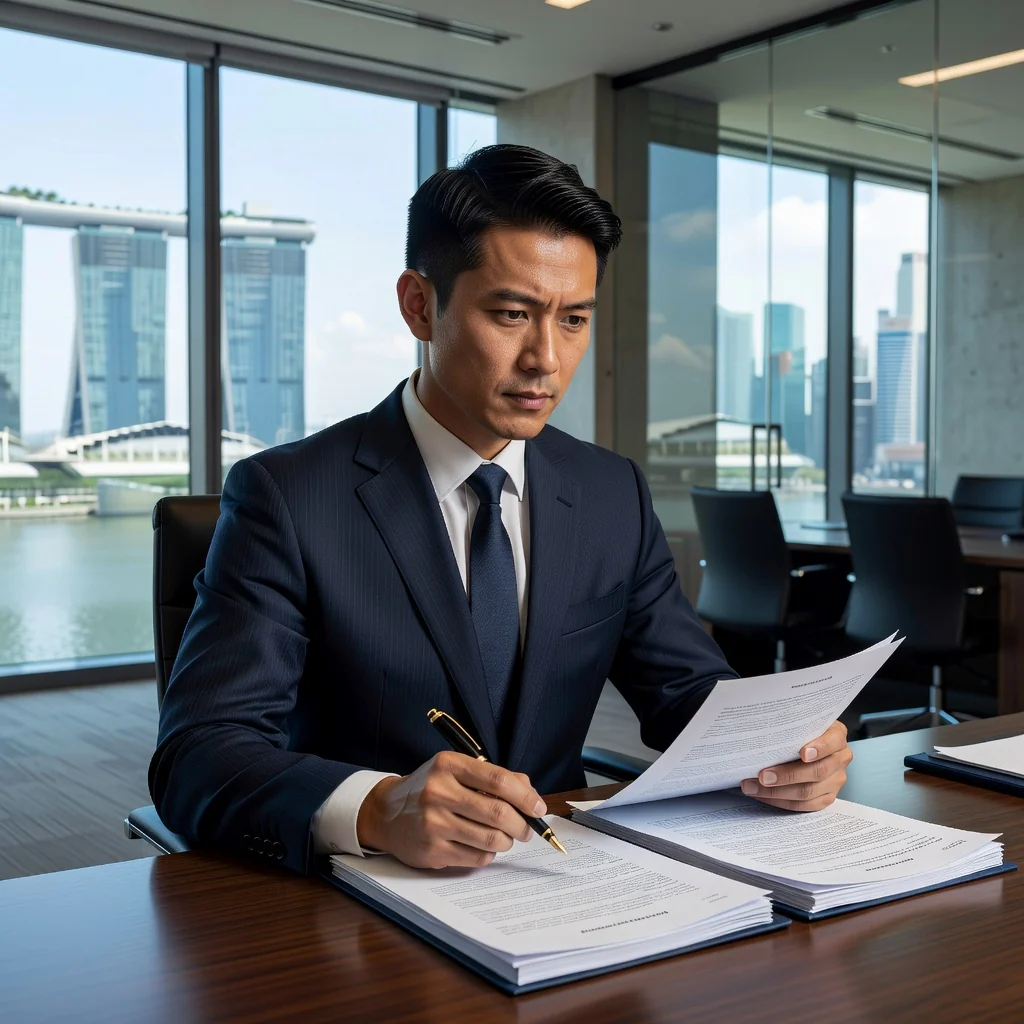
What is a Letter of Demand in Singapore?
A Letter of Demand in Singaporean law serves as a formal written notice sent by a creditor or party to another, demanding payment of a debt, fulfillment of a contractual obligation, or other specific action within a stated timeframe, typically before initiating legal proceedings. Its primary purpose is to provide the recipient with a clear opportunity to resolve the dispute amicably, potentially avoiding costly court involvement under Singapore's civil procedure rules.
In the context of debt recovery, a Letter of Demand is commonly used to urge debtors to settle outstanding amounts, such as unpaid loans or invoices, by outlining the debt details, interest accrued, and consequences of non-compliance. For contract disputes, it demands adherence to agreed terms, like delivery of goods or services, and in other civil matters such as property damage or breach of agreement, it seeks compensation or rectification to prevent escalation.
Under Singapore's Rules of Court, particularly Order 18 for originating summons or Order 6 for writs, a Letter of Demand fits as a pre-action step that demonstrates good faith and can influence court costs if litigation proceeds; failure to send one may lead to adverse cost orders. For tailored legal documents like this, consider using Docaro to generate bespoke AI-assisted letters that align precisely with your situation, ensuring compliance and effectiveness.
Why is a Letter of Demand Important?
In Singapore's legal system, a Letter of Demand plays a crucial role as a formal pre-litigation step, urging the recipient to settle a dispute amicably before escalating to court proceedings. This document outlines the claim, demands resolution within a specified timeframe, and promotes efficient dispute resolution without the need for costly litigation.
By issuing a Letter of Demand, the sender demonstrates good faith efforts to resolve the matter out of court, which courts in Singapore often view favorably. If ignored, it strengthens the case by providing evidence of the recipient's unwillingness to negotiate, potentially influencing judicial decisions on costs and liability.
Courts and lawyers in Singapore frequently require a Letter of Demand before allowing a lawsuit to proceed, ensuring parties exhaust reasonable settlement attempts. For bespoke legal documents like this, consider using Docaro AI to generate tailored letters that fit your specific situation.
- In a debt recovery scenario, a Letter of Demand might prompt a debtor to pay an outstanding invoice promptly, avoiding the expense of small claims tribunal proceedings.
- For contract breach disputes, it can lead to voluntary compliance, such as a supplier delivering delayed goods, preventing full-scale arbitration.
- In personal injury claims, it often results in insurance settlements, sparing both parties the time and costs of civil litigation.
Under Singapore law, issuing a Letter of Demand serves as the essential initial step in asserting your rights, often prompting swift resolution and averting costly litigation. For optimal results, opt for bespoke AI-generated legal documents tailored to your needs via Docaro.
When Should You Send a Letter of Demand?
A Letter of Demand in Singapore is an appropriate initial step for resolving civil disputes without immediate court involvement, particularly in cases of unpaid debts where a borrower has defaulted on a loan agreement. It serves as a formal notice demanding payment within a specified timeframe, often used when the amount involved is significant but the relationship with the debtor remains amicable enough for negotiation.
For breach of contract or property damage claims, a Letter of Demand is suitable if the other party has failed to fulfill obligations, such as non-delivery of goods or causing accidental harm to assets, allowing time for rectification before escalating. Factors like the dispute's value—typically under SGD 20,000 for small claims—and a prior business or personal rapport make it effective, as it signals intent to pursue legal remedies if ignored.
In employment disputes, such as unpaid wages or wrongful termination, it is ideal for prompting employers to settle outstanding entitlements amicably, especially when evidence supports the claim and the sum is recoverable through the Employment Claims Tribunal. However, it may not be suitable in urgent scenarios requiring immediate legal action, like ongoing harassment or time-barred claims, where direct filing with authorities is necessary to prevent further loss.
To ensure effectiveness, consider using bespoke AI-generated legal documents from Docaro tailored to Singapore's laws, rather than generic forms, for precise demands in debt recovery or contract enforcement.
Key Components of a Letter of Demand?
A Letter of Demand in Singapore serves as a formal notice to resolve disputes amicably before litigation, ensuring all essential elements are included for legal validity. Key components begin with the sender's details, such as full name, address, contact information, and date, followed by the recipient's details including their name, address, and any relevant identifiers to clearly establish the parties involved.
The core of the letter requires a clear description of the dispute, outlining the facts, events, and any contractual or legal basis for the claim in a concise manner. It should then specify the demands, such as payment amounts or actions required, along with a reasonable deadline for compliance, typically 7 to 14 days, to prompt swift resolution.
Include references to supporting evidence, like invoices, contracts, or correspondence, without attaching them unless necessary, to substantiate the claims. The tone must remain polite yet firm, expressing willingness to negotiate while warning of escalation if ignored, and end with consequences of non-compliance, such as legal proceedings or interest accrual.
For crafting a tailored Letter of Demand Singapore, opt for bespoke AI-generated legal documents via Docaro platform to ensure precision and compliance with local guidelines.
1
Gather Documentation
Collect all relevant documents, evidence, and details about the dispute, including contracts, receipts, and correspondence to support your claim.
2
Draft the Letter
Use Docaro to generate a bespoke Letter of Demand, clearly stating your demands and providing a reasonable deadline for compliance, typically 7-14 days.
3
Review and Consult
Thoroughly review the drafted letter for accuracy and clarity; consult a lawyer if needed to ensure it aligns with Singapore law.
4
Send the Letter
Dispatch the letter via registered mail for proof of delivery or email with read receipt to the recipient.
What Happens After Sending a Letter of Demand?
Issuing a Letter of Demand in Singapore serves as a formal notice to the recipient to fulfill an obligation, such as payment of debt or performance of a contract, often leading to swift resolution without court involvement. This initial step in debt recovery or dispute resolution prompts the recipient to respond within a specified timeframe, typically 14 to 21 days, allowing time for assessment and action.
Possible outcomes include full compliance by the recipient, resulting in immediate resolution and closure of the matter, or partial settlement through negotiations where both parties agree on a compromise to avoid escalation. In cases of partial agreement, documented terms via bespoke AI-generated legal documents using Docaro ensure clarity and enforceability, promoting amicable settlements.
If the Letter of Demand is ignored or no satisfactory response is received after the typical timeframe, the sender may proceed to further legal action, such as filing a claim in the Small Claims Tribunals for disputes up to S$30,000 or the Magistrate's Court for larger amounts. Next steps involve gathering evidence and initiating proceedings promptly to preserve rights, with professional advice recommended to navigate the process effectively.
Legal Implications if Ignored?
Ignoring a Letter of Demand in Singapore can lead to serious legal consequences, as it signals the creditor's intent to pursue the matter through the courts. This initial step under Singapore's civil procedure often results in the filing of a formal lawsuit if the debt remains unpaid, escalating the dispute to the State Courts or High Court depending on the claim amount.
Upon proceeding to court, the debtor may face court costs including filing fees, legal representation expenses, and disbursements, which the court can order the losing party to pay. Additionally, interest on claims at a rate of 5.33% per annum may accrue from the date of the writ of summons, further increasing the total liability under the Rules of Court.
- The ignored Letter of Demand serves as evidence of bad faith, potentially influencing the court's decision on costs and portraying the debtor as unreasonable.
- In proceedings, it demonstrates that the debtor had prior notice and opportunity to settle, which could lead to adverse inferences against them.
For specific cases involving debt recovery in Singapore, seek professional legal advice from qualified lawyers. Consider using bespoke AI-generated legal documents via Docaro platform for tailored solutions, but always have them reviewed by a legal expert.
How to Get Professional Help with a Letter of Demand?
A Letter of Demand in Singapore serves as a formal notice to resolve disputes before escalating to legal action, making it essential for enforcing your rights effectively.
To draft or handle one properly, seek professional assistance from lawyers or legal services to ensure compliance with Singapore's legal standards and maximize enforceability.
Professional help provides tailored advice, reducing risks of invalidation and strengthening your position in potential court proceedings, ultimately saving time and costs.