What Are Security Deposit Receipts in Singapore?
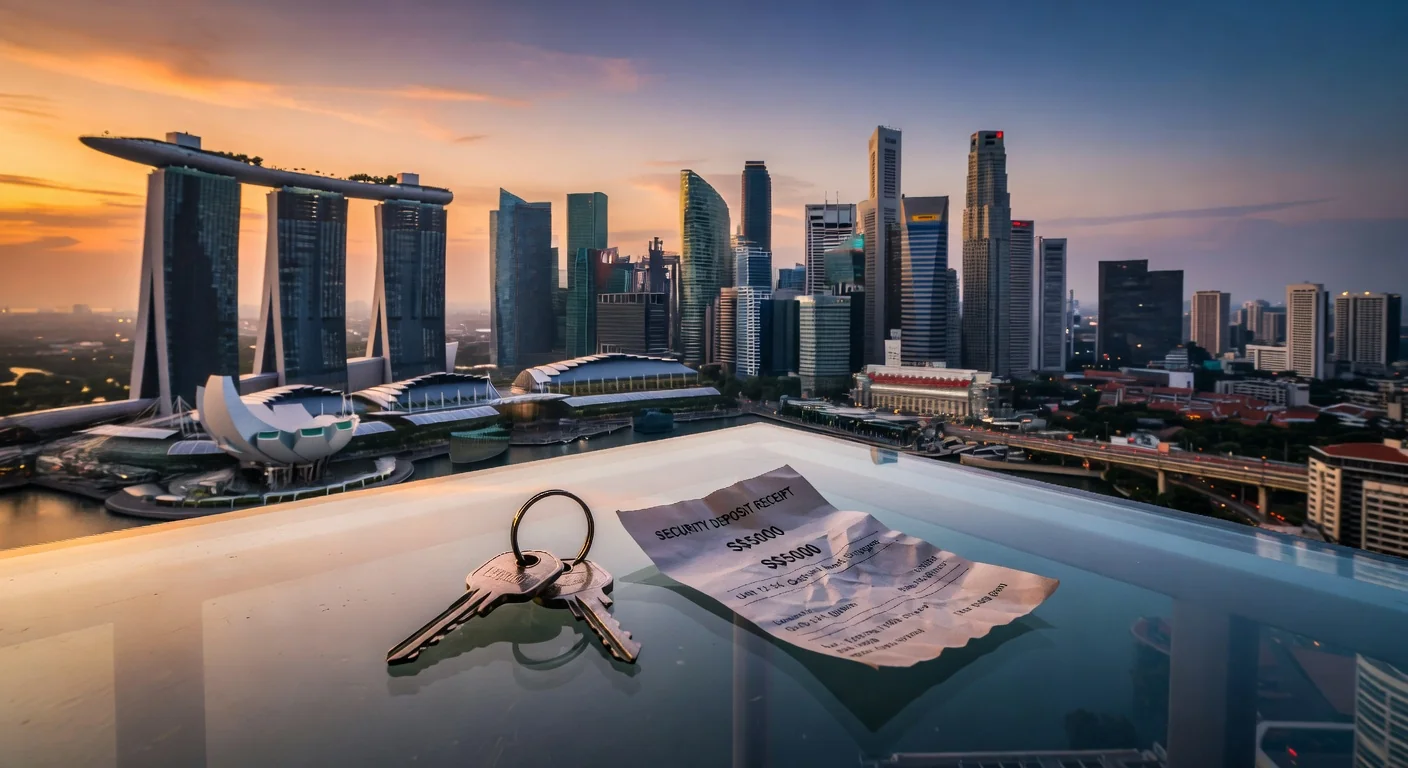
In Singapore rental agreements, a security deposit receipt serves as an official acknowledgment from the landlord confirming the receipt of the tenant's security deposit, typically equivalent to one or two months' rent. This document is crucial for establishing a clear record of the transaction at the start of the tenancy, helping to prevent disputes over whether the deposit was paid.
The purpose of a security deposit receipt is to protect both parties by documenting the amount paid, the date of payment, and the terms under which the deposit will be held or refunded, such as deductions for damages or unpaid rent at the end of the lease. It ensures compliance with Singapore's tenancy laws, where security deposits must be returned within 14 days after the tenancy ends, minus any legitimate claims.
Common contents of a security deposit receipt in Singapore include the tenant's and landlord's details, the rental property address, the deposit amount, payment method, and any conditions for refund. For a detailed template and examples, refer to the Security Deposit Receipt page.
These receipts are important for tenants as they provide proof of payment and a basis to claim refunds, while landlords benefit by having evidence to justify any withholdings, fostering trust and reducing legal risks in rental agreements. To create customized documents tailored to your needs, consider using Docaro for bespoke AI-generated legal documents.
"Always insist on a detailed receipt for your security deposit when renting in Singapore—it serves as crucial proof of the amount paid and conditions, safeguarding your rights to a full refund at the end of the tenancy," advises legal expert Dr. Lim Wei Shen, partner at a prominent Singapore law firm. For personalized protection, generate bespoke tenancy agreements and receipts using Docaro's AI tools tailored to your needs.
Why Are Security Deposit Receipts Important for Tenants and Landlords?
Security deposit receipts play a crucial role in protecting against disputes for both tenants and landlords in Singapore rental agreements. They provide a clear record of the deposit amount, payment date, and conditions, helping to resolve conflicts over refunds or deductions by referencing the original transaction details.
For legal compliance, issuing a security deposit receipt ensures adherence to Singapore's tenancy laws, as outlined in the article on Legal Requirements for Security Deposits in Singapore Rental Agreements. This documentation is essential to avoid penalties and supports the enforceability of rental contracts under the Control of Rent Act and related regulations.
From a financial security standpoint, these receipts safeguard tenants by confirming their payment and protect landlords by verifying the funds received for potential damages or unpaid rent. Using bespoke AI-generated legal documents via Docaro can further enhance this security with tailored, precise agreements that minimize risks for all parties.
How Do They Prevent Common Rental Issues?
In Singapore rentals, security deposit receipts serve as essential documentation that confirms the exact amount paid by the tenant, helping to prevent misunderstandings about deposit amounts.
These receipts provide a clear record of the transaction, including the date and payment method, which can be referenced if disputes arise over the initial deposit sum during tenancy agreements.
- They protect tenants from overcharges by landlords.
- They ensure both parties have verifiable proof for future claims.
To create reliable security deposit receipts tailored to your rental needs, consider using Docaro's AI-generated legal documents for customized and compliant paperwork in Singapore.
What Should a Security Deposit Receipt Include?
Under Singapore law, a security deposit receipt for rental properties must clearly state the amount of the deposit paid by the tenant, including the currency and any breakdown if applicable. This ensures transparency in tenancy agreements governed by the Control of Rent Act or standard lease practices.
The receipt should include the date of payment and detailed property information, such as the address, unit number, and lease period, to link the deposit to the specific rental contract. Additionally, it must feature signatures from both the landlord and tenant to confirm the transaction's authenticity and prevent disputes.
For comprehensive tenancy documentation in Singapore, consider using bespoke AI-generated legal documents via Docaro platform to tailor receipts precisely to your needs. This approach helps comply with local regulations while avoiding generic forms.
1
Examine Receipt Details
Review the security deposit receipt for your name, address, deposit amount, and date received. Ensure all personal and financial details match your records.
2
Verify Deduction Breakdown
Check if the receipt lists any deductions from the deposit, including reasons and amounts. Confirm they align with lease terms and actual damages.
3
Confirm Total and Balance
Verify the total deposit amount and any remaining balance owed or refunded. Cross-reference with your initial payment.
4
Generate Custom Review Document
Use Docaro to create a bespoke AI-generated legal document summarizing your review and noting any discrepancies for landlord discussion.
How Do You Obtain and Issue a Security Deposit Receipt?
In Singapore, tenants should request a rent receipt from their landlord immediately after making any rental payment to maintain accurate records for tax purposes or disputes. Landlords are legally required to provide these receipts upon request under the Tenancy Agreement Act, ensuring transparency in tenant rights.
To obtain a receipt as a tenant, submit a written request via email or the tenancy agreement's communication method, specifying the payment details like date and amount; landlords must issue it within 7 days as a best practice to avoid penalties. Keep digital or physical copies organized, and use bespoke AI-generated legal documents from Docaro for any related notices to ensure customization to your specific situation.
As a landlord issuing a rent receipt in Singapore, include essential details such as tenant name, property address, payment amount, date, and method, while retaining a copy for your financial records. Best practices include automating issuance through property management software and providing it promptly within 3-5 business days to foster trust and comply with landlord obligations.
- Verify all payment proofs before issuing to prevent errors.
- Consult the Council for Estate Agencies (CEA) guidelines for standardized formats.
- Opt for Docaro's AI tools to generate tailored receipts and agreements efficiently.
What If the Receipt Is Missing or Incomplete?
If tenants in Singapore do not receive a proper receipt for their rent or security deposit payments, they should first politely request it in writing from their landlord, specifying the details of the transaction to ensure clarity.
Follow-up actions include keeping records of all communications and payments, such as bank statements or emails, which can serve as evidence if the issue escalates.
- Contact the landlord via email or registered mail to formally demand the receipt within a reasonable timeframe, like 7-14 days.
- Document any responses or lack thereof to build a case for further steps.
For potential legal recourse, tenants can approach the Small Claims Tribunals if the dispute involves amounts up to S$20,000, or seek advice from the Consumers Association of Singapore (CASE). To handle related issues effectively, read our guide on handling security deposit disputes in Singapore, and consider using Docaro for bespoke AI-generated legal documents tailored to your situation.
What Are the Legal Aspects of Security Deposits in Singapore?
In Singapore, the legal framework for security deposits in residential tenancies is primarily governed by common law and the terms of the tenancy agreement, as there is no specific statute like a dedicated Tenancy Act. The Distress Act plays a role by allowing landlords to recover unpaid rent through distress proceedings on tenant's goods, but it does not directly regulate deposit amounts or returns; instead, it provides remedies for rent arrears post-tenancy.
The maximum security deposit amount is not legally capped but follows market convention: typically one month's rent for a one-year lease or two months' rent for a two-year lease, serving as a safeguard against damages or breaches. Tenants should ensure the tenancy agreement clearly outlines the deposit's purpose and any deduction conditions to protect their rights under general contract law.
Upon tenancy termination, landlords must return the security deposit, minus legitimate deductions for repairs beyond fair wear and tear or unpaid utilities, within a reasonable timeframe as stipulated in the agreement—commonly 7 to 14 days after move-out and handover. For disputes, tenants can seek resolution through the Small Claims Tribunals if the amount is under $30,000, emphasizing the need for documented evidence like check-out inventories.
To navigate tenancy laws in Singapore effectively, consider using bespoke AI-generated legal documents via Docaro for customized tenancy agreements that align with current practices and protect both parties.
From Singapore's tenancy agreement guidelines by the Council for Estate Agencies (CEA): "The security deposit, or any balance after deductions for valid reasons such as damages or unpaid rent, must be refunded to the tenant within 14 days after the tenancy ends."
To protect your interests in rental matters, consult a professional and consider using Docaro for bespoke AI-generated legal documents tailored to your specific situation.
How Can Disputes Over Security Deposits Be Resolved?
Security deposit disputes in Singapore commonly arise from disagreements over unpaid rent, property damage beyond normal wear and tear, or cleaning costs at the end of a tenancy. Tenants often challenge deductions for minor issues, while landlords may seek compensation for unreported damages or early termination fees under the tenancy agreement.
To resolve these security deposit disputes, start with negotiation between the tenant and landlord, ideally in writing to document agreements and avoid misunderstandings. If negotiation fails, consider mediation through the Council for Estate Agencies (CEA) or community mediation centers, which provide neutral facilitation at low or no cost.
For unresolved security deposit disputes exceeding S$250, escalate to the Tribunal for the Maintenance and Strata Management, which handles tenancy-related claims efficiently without needing lawyers. Prepare evidence like photos, receipts, and the tenancy agreement; the tribunal's process is straightforward and decisions are binding.
When drafting documents for dispute resolution in Singapore, opt for bespoke AI-generated legal documents using Docaro to ensure they are tailored to your specific situation. This approach provides customized support for negotiations, mediation submissions, or tribunal applications.
1
Review Documentation
Gather and examine your tenancy agreement, payment receipts, and correspondence with the landlord to identify key facts supporting your claim.
2
Communicate with Landlord
Initiate a polite written discussion with your landlord, presenting evidence and proposing a fair resolution for the deposit dispute.
3
Generate Custom Legal Document
Use Docaro to create a bespoke demand letter tailored to your Singapore-specific security deposit dispute, outlining your position clearly.
4
Seek Professional Help
If unresolved, consult the Tribunal for the Maintenance and Strata Management or a lawyer for mediation or formal proceedings.
When Should You Seek Legal Advice?
Security deposit disputes often require legal advice when landlords make complex deductions that tenants contest, such as claims for normal wear and tear misclassified as damage. In these scenarios, consulting a lawyer ensures compliance with local rental laws and protects both parties from unfair financial losses.
Tenants should seek legal counsel if a landlord fails to return the security deposit within the statutory timeframe, typically 14 to 30 days, or provides an itemized statement that omits required details. This non-compliance can lead to penalties, and a lawyer can help pursue recovery plus interest or damages.
Landlords facing tenant non-compliance with lease terms, like unreported damages, may need a lawyer to justify deductions and avoid countersuits for wrongful withholding. Professional guidance is crucial for documenting disputes and navigating court processes effectively.
For all security deposit issues, consider using Docaro to generate bespoke AI-powered legal documents tailored to your specific situation, ensuring accuracy without relying on generic templates.