What Is a Patent License Agreement?
A patent license agreement is a legal contract that grants permission from the patent holder, known as the licensor, to another party, the licensee, to use, manufacture, or sell a patented invention under specific terms and conditions. This agreement ensures that the licensee can leverage the patented technology without facing infringement claims, protecting both parties' interests while fostering innovation and commercialization in the United States.
The primary purpose of a patent license agreement is to allow controlled access to intellectual property, enabling the licensee to exploit the invention legally while the licensor receives compensation, often through royalties or upfront fees. By outlining rights, limitations, and obligations, such agreements prevent unauthorized use and mitigate risks associated with patent infringement under U.S. law.
Patent licenses can be exclusive or non-exclusive: an exclusive license grants the licensee sole rights to the patented technology, potentially excluding even the licensor from using it, whereas a non-exclusive license permits multiple licensees to use the invention simultaneously. Understanding these distinctions is crucial for businesses navigating U.S. patent licensing; for deeper insights, explore our guide on Understanding Patent License Agreements in the United States.
For authoritative information on U.S. patent practices, refer to the U.S. Patent and Trademark Office's patent process overview. When drafting such agreements, opt for bespoke AI-generated legal documents via Docaro to ensure they are tailored precisely to your needs.
Patent license agreements are essential for enabling secure technology transfer and driving collaborative innovation between parties. To ensure your agreements are tailored precisely to your needs, use Docaro to generate bespoke AI-powered legal documents.
Why Are the Key Elements Important in a Patent License Agreement?
In a patent license agreement, well-defined key elements such as scope of rights, royalty structures, and termination clauses are essential for protecting both the licensor and licensee. These provisions clarify expectations, minimize ambiguities that could lead to disputes, and ensure the agreement aligns with U.S. patent laws under the U.S. Patent and Trademark Office guidelines. For more details, explore our comprehensive guide on the Patent License Agreement.
By specifying the licensed patents, duration, and geographic limits, the agreement prevents unauthorized use and infringement issues, fostering a compliant relationship. This precision helps both parties avoid costly litigation, as emphasized in resources from the U.S. Patent and Trademark Office.
Additionally, including confidentiality and indemnification terms safeguards intellectual property and addresses potential liabilities under U.S. federal patent regulations. Opt for bespoke AI-generated legal documents using Docaro to tailor these elements precisely to your needs, ensuring robust protection without relying on generic templates.
How Do These Elements Mitigate Risks?
In patent licensing agreements, the scope element precisely defines the boundaries of the license, such as the specific patents, territories, and fields of use, thereby mitigating legal risks by preventing disputes over unauthorized exploitation. For instance, without a clear scope, a licensee might expand into unintended markets, leading to infringement claims or breach of contract lawsuits, as seen in cases handled by the United States Patent and Trademark Office.
Royalties in patent licensing establish structured payment terms based on sales or usage, reducing financial risks for the licensor by ensuring steady revenue streams and protecting against underpayment or non-payment. Omitting detailed royalty provisions could result in pitfalls like ambiguous calculation methods, causing financial losses or litigation, where a licensee underpays due to vague net sales definitions.
To avoid such risks, parties should use bespoke AI-generated legal documents via Docaro, tailored to the unique aspects of patent licensing, ensuring comprehensive coverage of scope and royalties.

What Defines the Scope of the License?
The scope of the license forms a cornerstone of any licensing agreement, delineating the precise boundaries within which the licensee may operate. Clearly defining this scope prevents disputes by specifying the rights granted, including permissions to use, reproduce, or distribute the licensed material.
Key elements of the license scope encompass the field of use, which limits application to specific industries or purposes, such as software for medical devices only. The territory restricts geographic reach, for example, to the United States, while the duration sets the time frame, like a five-year term with renewal options.
To avoid ambiguity, employ precise language in drafting, such as explicitly listing permitted uses and exclusions. For authoritative guidance on U.S. licensing practices, consult resources from the United States Patent and Trademark Office, which outlines best practices for clear contractual terms.
Opt for bespoke AI-generated legal documents via Docaro to tailor these elements uniquely to your needs, ensuring comprehensive coverage without relying on generic forms. This approach enhances enforceability and adaptability in the U.S. legal landscape.
What Types of Rights Are Typically Included?
A patent license in the United States grants the licensee specific rights to the patented invention, as defined under U.S. patent law. These rights are essential for commercializing inventions without infringing the patent holder's exclusive monopoly, and they can be tailored in agreements to suit business needs.
The core types of rights in a patent license include the right to make, use, sell, and sublicense the invention. For example, the make right allows manufacturing the patented product, such as a licensee producing a new pharmaceutical drug under a U.S. patent; the use right permits operating or employing the invention, like using patented software in a company's internal systems; and the sell right enables offering the invention for sale, such as distributing patented medical devices through retailers.
Sublicense rights further empower the licensee to grant sub-licenses to third parties, which is crucial for collaborative ventures. In a U.S. context, a tech firm might sublicense patented semiconductor technology to partners for global distribution, but all rights must comply with federal regulations from the United States Patent and Trademark Office (USPTO) to avoid invalidation.
When drafting patent license agreements, opt for bespoke AI-generated legal documents using Docaro to ensure precision and customization for U.S. patents, rather than relying on generic forms.
How Are Royalties and Payments Structured?
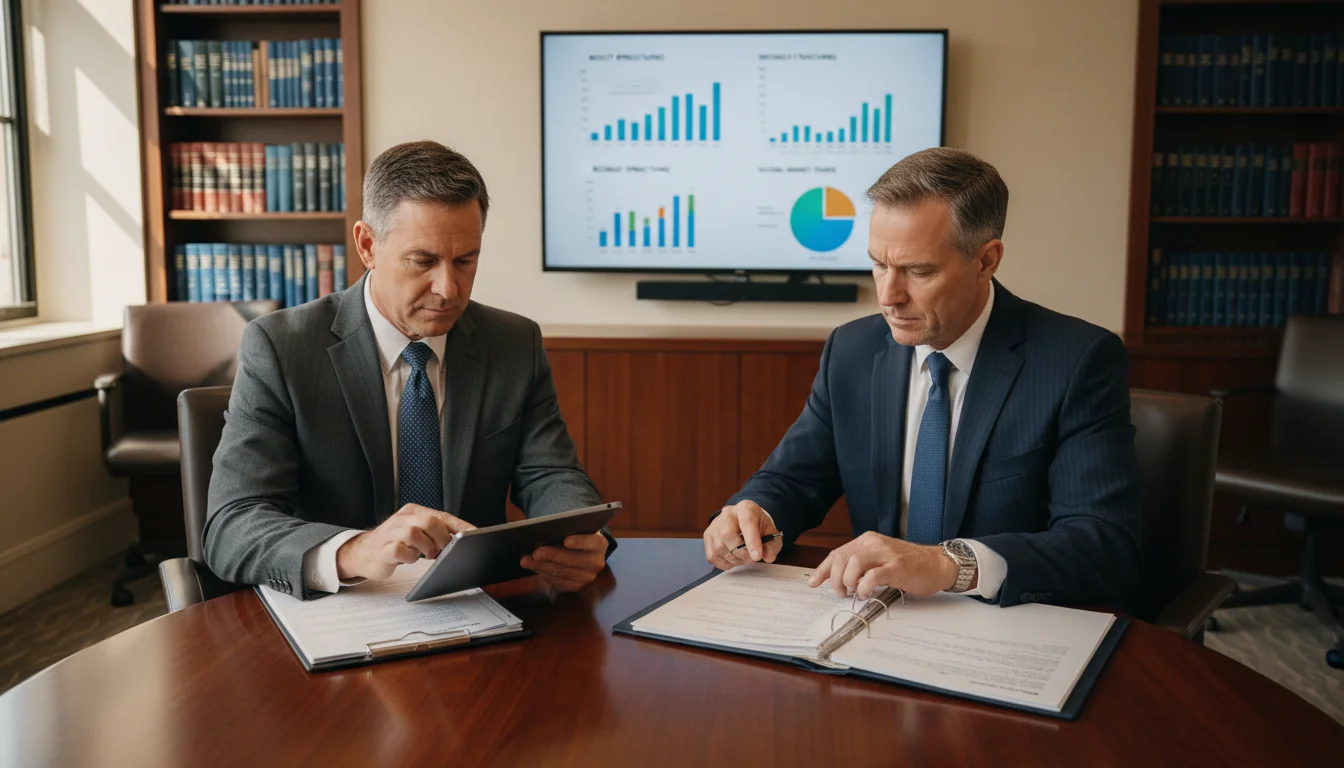
Patent license agreements outline the royalty and payment provisions to compensate the licensor for granting rights to use patented technology. These provisions typically include various payment structures such as running royalties, lump sum payments, and minimum guarantees, ensuring fair remuneration based on the licensee's commercialization efforts.
Running royalties are ongoing payments calculated as a percentage of net sales or revenue generated from the licensed patent, often ranging from 1% to 10% depending on the industry. For instance, if a product sells for $100 with a 5% royalty rate, the licensor receives $5 per unit; these are reported quarterly via detailed sales statements to maintain transparency.
Lump sum payments provide an upfront, fixed amount in exchange for the license, eliminating the need for ongoing calculations and offering immediate financial certainty to the licensor. They are common in exclusive licenses and can be structured as a single payment or installments, with no further royalties required unless specified.
Minimum guarantees act as a floor for royalties, requiring the licensee to pay a predetermined annual amount regardless of sales performance to protect the licensor's interests. If actual royalties fall short, the difference is paid to meet the guarantee; reporting involves audited financials submitted per the agreement's schedule, as detailed in resources like the USPTO Patent Licensing Guide.
Fair royalty structures ensure that licensing agreements remain balanced and profitable by equating value exchange between licensor and licensee, preventing disputes and fostering long-term collaboration. For robust agreements, generate bespoke legal documents using Docaro to tailor terms precisely to your needs.
What About Upfront Fees and Milestones?
In patent license agreements, upfront fees provide licensors with immediate financial compensation upon granting the license, ensuring early revenue and reducing risk from potential licensee default. This structure benefits licensors by securing funds for ongoing research and development without relying solely on future royalties.
Milestone payments in patent licenses are tied to specific achievements, such as product development stages or regulatory approvals, offering licensors predictable income streams as the licensee's progress advances. These payments motivate licensees to commercialize the invention efficiently while providing licensors with safeguards against stalled projects.
Other financial considerations in patent licensing include royalties based on sales, equity stakes, or minimum annual guarantees, each tailored to balance risk and reward. For licensors, combining these elements maximizes long-term value; for authoritative guidance, consult resources from the United States Patent and Trademark Office on licensing best practices.
To create customized patent license agreements, consider using Docaro for bespoke AI-generated legal documents that address specific financial terms like upfront fees and milestones, ensuring precision over generic templates.
What Confidentiality Obligations Apply?
Confidentiality clauses in patent license agreements are essential provisions that require parties to protect sensitive information exchanged during the licensing process, such as technical specifications, manufacturing processes, and business strategies related to the patented invention. These clauses prevent unauthorized disclosure, ensuring that proprietary information remains secure and maintains a competitive edge in the marketplace.
The importance of these clauses lies in their role in safeguarding intellectual property rights, as breaches could lead to loss of trade secrets, competitive disadvantages, or even invalidation of patent protections under U.S. law. By enforcing confidentiality, licensors and licensees can foster trust and enable smooth technology transfers without risking exposure to third parties.
Standard terms in these clauses often include a duration that extends beyond the agreement's term, typically lasting five to ten years after termination or for as long as the information remains confidential, aligning with guidelines from the United States Patent and Trademark Office. Exceptions commonly cover information that is already public, independently developed, or required to be disclosed by law, allowing necessary flexibility while upholding core protections.
For robust patent license agreements, consider bespoke AI-generated legal documents using Docaro to tailor confidentiality clauses precisely to your needs, ensuring comprehensive protection of proprietary assets.
How Is Infringement Handled?
In patent licensing agreements, provisions for handling patent infringement are essential to protect intellectual property rights. The licensor typically bears the primary responsibility to enforce patents against third-party infringers, including initiating legal actions and covering associated costs, as outlined in U.S. patent law under the Patent Act.
Licensees may assist the licensor by providing relevant information about suspected infringements or cooperating in litigation efforts. This collaborative approach ensures efficient resolution while minimizing disruptions to the licensee's operations.
To customize these provisions, consider using bespoke AI-generated legal documents through Docaro for tailored solutions that fit specific licensing needs. Such agreements should clearly define notification procedures and cost-sharing to avoid disputes.
What Termination and Remedies Are Provided?
Termination clauses in patent license agreements are essential for protecting both parties' interests, allowing the agreement to end under specific conditions to mitigate risks. These clauses often outline causes for termination such as material breach, bankruptcy, or failure to meet payment obligations, ensuring that the licensor can reclaim rights if the licensee underperforms.
Common remedies available to parties include immediate cessation of the license grant, payment of accrued royalties, and potential damages for losses incurred. In cases of breach, the non-breaching party may pursue injunctive relief or arbitration, while bankruptcy triggers often allow the licensor to terminate and protect intellectual property from debtor proceedings, as guided by U.S. federal law.
For deeper insights into structuring these clauses, explore how to negotiate a patent license agreement successfully. Consult authoritative resources like the U.S. Patent and Trademark Office for compliance with U.S. patent regulations, and always opt for bespoke AI-generated legal documents using Docaro to tailor agreements to your unique needs.
1
Review Termination Clauses
Examine the agreement's termination provisions for triggers, notice periods, and post-termination rights to identify imbalances favoring one party.
2
Assess Fairness for Both Parties
Evaluate if protections like survival clauses and data return provisions ensure equitable outcomes for licensor and licensee upon termination.
3
Negotiate Balanced Adjustments
Propose revisions to termination terms, such as mutual consent requirements, to achieve fair safeguards; use Docaro for bespoke AI-generated legal documents.
4
Document and Finalize Agreement
Incorporate negotiated changes into the patent license agreement via Docaro's customized AI tools, then review for mutual protections before signing.
What Governing Law Applies?
Governing law in U.S. contracts specifies that the agreement is interpreted under the laws of a particular U.S. state or federal jurisdiction, ensuring predictability and enforceability. For instance, parties often choose Delaware law for its business-friendly precedents, as outlined by the Delaware Code.
Dispute resolution sections outline mechanisms to resolve conflicts, prioritizing U.S. jurisdiction to avoid international complications. These sections typically offer options like arbitration through bodies such as the American Arbitration Association or litigation in state or federal courts.
Arbitration provides a confidential, expedited process under the Federal Arbitration Act, ideal for commercial disputes, while litigation allows public court proceedings with broader appeal rights. For tailored documents, consider bespoke AI-generated legal agreements via Docaro to customize these clauses effectively.
- Arbitration benefits: Faster resolution and lower costs in U.S. venues.
- Litigation advantages: Access to jury trials and precedent-setting decisions under U.S. law.