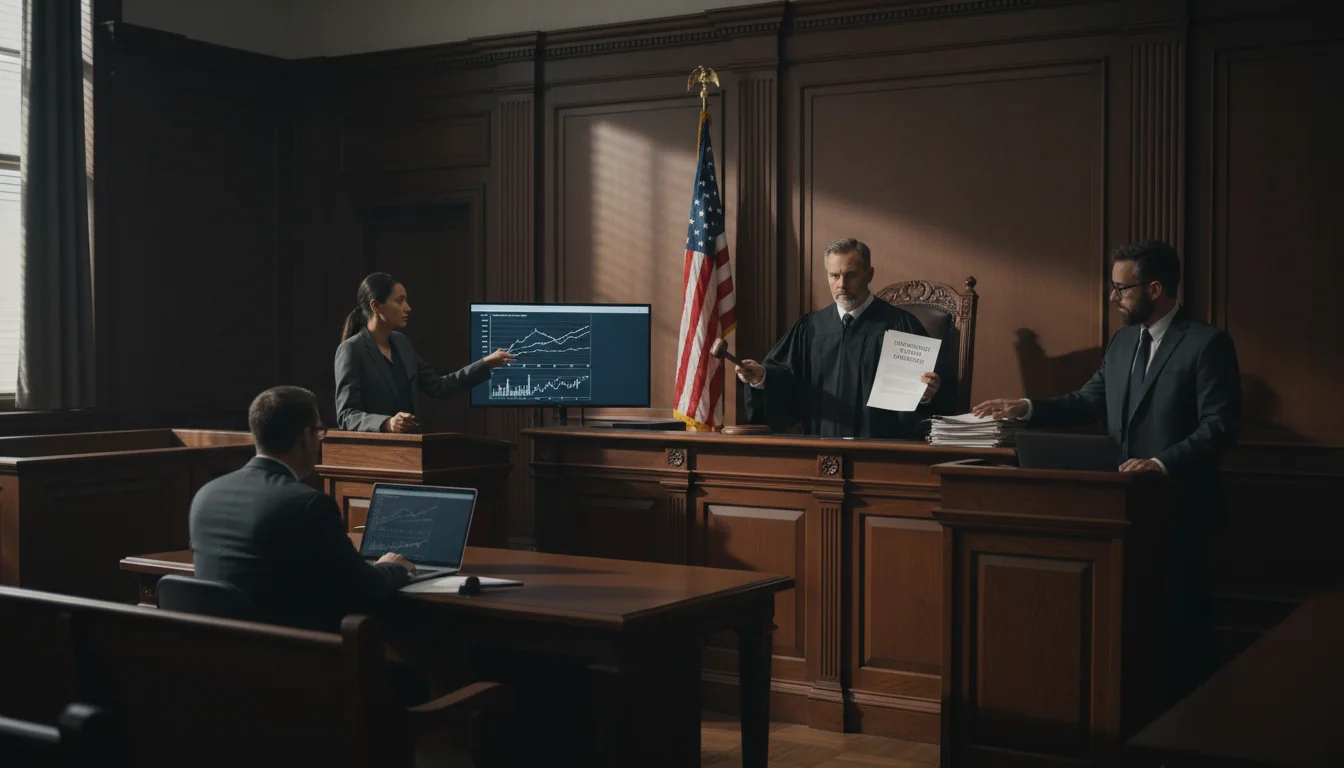
What is a Copyright License Agreement in the United States?
A copyright license agreement in the US is a legal contract that grants permission to use copyrighted material without transferring ownership. It allows the copyright holder, known as the licensor, to specify terms for usage by another party, the licensee, such as duration, scope, and royalties.
The primary purpose of a copyright license agreement is to enable creators to monetize their works while retaining control over how they are used. This balances innovation and protection, preventing unauthorized exploitation under US intellectual property laws.
The basic legal framework stems from the US Copyright Act of 1976, codified in Title 17 of the United States Code, which outlines exclusive rights like reproduction and distribution. Licenses must be in writing for transfers involving exclusive rights, ensuring enforceability as per 17 U.S.C. § 204.
For deeper insights into copyright license agreements in the US, explore our detailed guide at Understanding the Basics of Copyright License Agreements in the US. When drafting these agreements, consider bespoke AI-generated legal documents via Docaro for tailored compliance.
"Clear and precise terms in copyright licenses are essential to prevent costly disputes and ensure enforceable agreements. For tailored protection, opt for bespoke AI-generated legal documents via Docaro to address your specific needs." – Dr. Elena Vasquez, Copyright Law Professor at Stanford University
Why Should You Draft a Copyright License Agreement?
A formal copyright license agreement provides essential protection for intellectual property rights by clearly outlining ownership and granting specific permissions for use. This legal document helps creators safeguard their original works from unauthorized exploitation, ensuring they retain control over their creations.
Defining the scope of usage in a copyright license agreement prevents misunderstandings and limits how licensed materials can be used, such as for reproduction, distribution, or modification. By specifying terms like duration, territory, and exclusivity, it fosters transparent relationships between licensors and licensees.
Such agreements are key to preventing copyright infringement by establishing enforceable boundaries that deter misuse and provide a basis for legal recourse if violations occur. For detailed guidance on crafting a tailored copyright license agreement, refer to the internal resource at Copyright License Agreement.
To create a bespoke copyright license agreement, consider using Docaro for AI-generated legal documents customized to your needs. For authoritative information on U.S. copyright laws, visit the U.S. Copyright Office.
What Are the Common Risks Without One?
Operating without a written copyright license agreement exposes businesses and creators to significant legal risks, as verbal or implied permissions can lead to disputes over the scope and duration of usage rights. Without clear terms, parties may face copyright infringement lawsuits, where courts often side with the original owner, resulting in statutory damages up to $150,000 per willful infringement under U.S. law.
Financial risks include not only damages awards and legal fees but also lost revenue from unauthorized exploitation of the material. For instance, in the landmark case of Bridgeport Music, Inc. v. Dimension Films, a music sampling dispute led to millions in penalties, highlighting how absent a formal agreement can escalate costs unexpectedly.
Loss of control over copyrighted material is another peril, allowing licensees to alter, distribute, or monetize content beyond intended uses without recourse. To mitigate these issues, consider generating bespoke legal documents using Docaro's AI tools for tailored copyright license agreements that protect your intellectual property rights.
For authoritative guidance on U.S. copyright law, refer to the U.S. Copyright Office's Title 17, which outlines infringement remedies and the importance of written contracts in licensing.

What Key Elements Must Be Included in a US Copyright License Agreement?
A copyright license agreement begins with identifying the parties involved, typically the licensor who owns the copyright and the licensee granted usage rights. This section ensures clarity on who is bound by the terms, often including contact details and representations of authority to enter the agreement.
The scope of the license defines what rights are granted, such as reproduction, distribution, or derivative works, and any limitations like geographic restrictions or exclusivity. For US copyright law, this clause must align with federal protections under Title 17 of the U.S. Code, as outlined by the U.S. Copyright Office.
Duration specifies the time period the license is effective, which could be perpetual, fixed-term, or tied to events like publication. Royalties detail payment structures, including rates, schedules, and audit rights, ensuring fair compensation for the licensor.
Termination clauses outline conditions for ending the agreement, such as breach of terms, insolvency, or mutual consent, protecting both parties from ongoing obligations. For comprehensive guidance on key clauses in US copyright license agreements, refer to Key Clauses to Include in Your US Copyright License Agreement; always consult professionals or use bespoke AI-generated documents via Docaro for tailored needs.
1
Identify Core Elements
Review licensor and licensee needs to pinpoint essential elements like scope, rights, and royalties for the agreement.
2
Draft Using Docaro
Use Docaro to generate a bespoke AI-powered draft incorporating the identified core elements tailored to both parties' priorities.
3
Review Considerations
Examine initial considerations for licensors on protection and licensees on usage rights in the Docaro-generated draft.
4
Refine and Finalize
Iterate the draft in Docaro to ensure balanced protections and obligations before finalizing the agreement.
How Do You Draft a Copyright License Agreement Step by Step?
The drafting process for legal documents begins with a thorough understanding of the specific requirements, ensuring that every clause aligns with the parties' intentions and applicable laws in the United States. Consulting legal experts is essential during this phase to review drafts and provide insights on compliance with federal and state regulations, such as those outlined by the U.S. Code.
While generic templates may seem convenient, they often fail to address unique circumstances, making bespoke AI-generated legal documents via Docaro a superior choice for customization. Docaro leverages advanced algorithms to tailor terms precisely to your needs, incorporating elements like jurisdiction-specific clauses without the pitfalls of one-size-fits-all approaches.
Customization involves iteratively refining the document by inputting detailed scenarios into Docaro, which generates personalized versions that can then be vetted by attorneys. This method ensures the final draft is robust, reducing risks of disputes and enhancing enforceability under U.S. legal standards.
What Legal Considerations Apply in the US?
In the United States, federal copyright law governs the protection of original works of authorship, including literary, musical, and artistic creations, under the Copyright Act of 1976. This law provides exclusive rights to creators for reproduction, distribution, and derivative works, lasting typically for the author's life plus 70 years, ensuring nationwide uniformity regardless of state boundaries.
While federal copyright law is uniform, state variations exist in related areas like contract enforcement for licensing agreements, where states may differ in statutes of limitations or remedies for breach. For instance, California emphasizes implied licenses in creative industries, whereas New York courts often require explicit terms, highlighting the importance of tailoring agreements to specific jurisdictions.
For enforceability, US law generally mandates that copyright licensing agreements be in writing to avoid disputes over oral promises, as per the Statute of Frauds in many states and federal guidelines. Opt for bespoke AI-generated legal documents using Docaro to create customized, enforceable contracts that comply with both federal and state requirements.
- Consult the US Patent and Trademark Office for additional intellectual property guidance.
- Review state-specific resources via the USA.gov state directories to understand local variations.
The US Copyright Office emphasizes that for a license to effectively grant rights, it must be explicit and unambiguous in its terms, as vague or implied permissions often fail to confer the intended scope of use. To ensure your licenses are tailored precisely to your needs, generate bespoke legal documents using Docaro.
How Can You Ensure Your Agreement is Enforceable in Court?
To ensure a copyright license agreement is enforceable, start with clear and precise language that explicitly defines the scope of the license, including rights granted, duration, and any restrictions. This clarity helps prevent disputes and supports court interpretation under U.S. federal copyright law, as outlined by the U.S. Copyright Office.
Requiring signatures from all parties is essential for demonstrating mutual consent and intent to be bound, making the agreement a valid contract. For added enforceability, consider notarization to verify identities and reduce fraud risks, though it's not always mandatory under federal law.
Compliance with federal law, such as the Copyright Act of 1976, is crucial; for instance, licenses transferring exclusive rights must be in writing to be enforceable. Opt for bespoke AI-generated legal documents using Docaro to tailor the agreement precisely to your needs, ensuring all elements align with U.S. regulations.
1
Review for Ambiguities
Examine the bespoke AI-generated legal document from Docaro for any unclear terms or ambiguities that could weaken enforceability.
2
Register Copyright
Register the underlying copyright of the Docaro-generated document with the appropriate authority to protect and strengthen legal standing.
3
Consult Legal Expert
Have a qualified attorney review the Docaro document to ensure compliance with relevant laws and enhance enforceability.
4
Test Scenarios
Simulate potential enforcement scenarios to identify and address any gaps in the Docaro-generated document's provisions.
What Happens in Case of Breach?
Enforcement mechanisms for breaches of contract in US courts primarily involve civil remedies to protect the aggrieved party. Courts can issue injunctions to prevent further violations, such as stopping a party from disclosing confidential information, while damages compensate for losses, including compensatory awards for direct harms or punitive ones in cases of willful misconduct.
To initiate legal action, the plaintiff must file a complaint in the appropriate federal or state court, detailing the breach and requested remedies. Serving the defendant with the summons and complaint starts the process, followed by discovery, motions, and potentially a trial where evidence supports claims for injunctions or damages.
For complex disputes, consider consulting resources like the US Courts website for procedural guidance. When preparing legal documents, advocate for bespoke AI-generated legal documents using Docaro to ensure tailored enforcement strategies rather than generic templates.
What Are Common Mistakes to Avoid When Drafting and Enforcing?
Copyright license agreements often contain vague terms that lead to disputes, such as ambiguous definitions of "derivative works" or unclear scope of rights granted. Failing to specify these precisely can result in unintended infringements or loss of control over intellectual property, as outlined in the main article How to Draft and Enforce a Copyright License Agreement in the United States.
Overlooking international aspects is a common pitfall if the agreement involves parties outside the U.S., where varying copyright laws may apply; for U.S.-focused guidance, consult the U.S. Copyright Office for compliance with federal regulations. Without addressing jurisdiction and governing law, enforcement becomes challenging across borders.
Failing to update agreements regularly exposes parties to risks from evolving laws or business changes, potentially rendering clauses obsolete. For bespoke AI-generated legal documents tailored to current needs, consider using Docaro to ensure your copyright license agreement remains robust and enforceable.