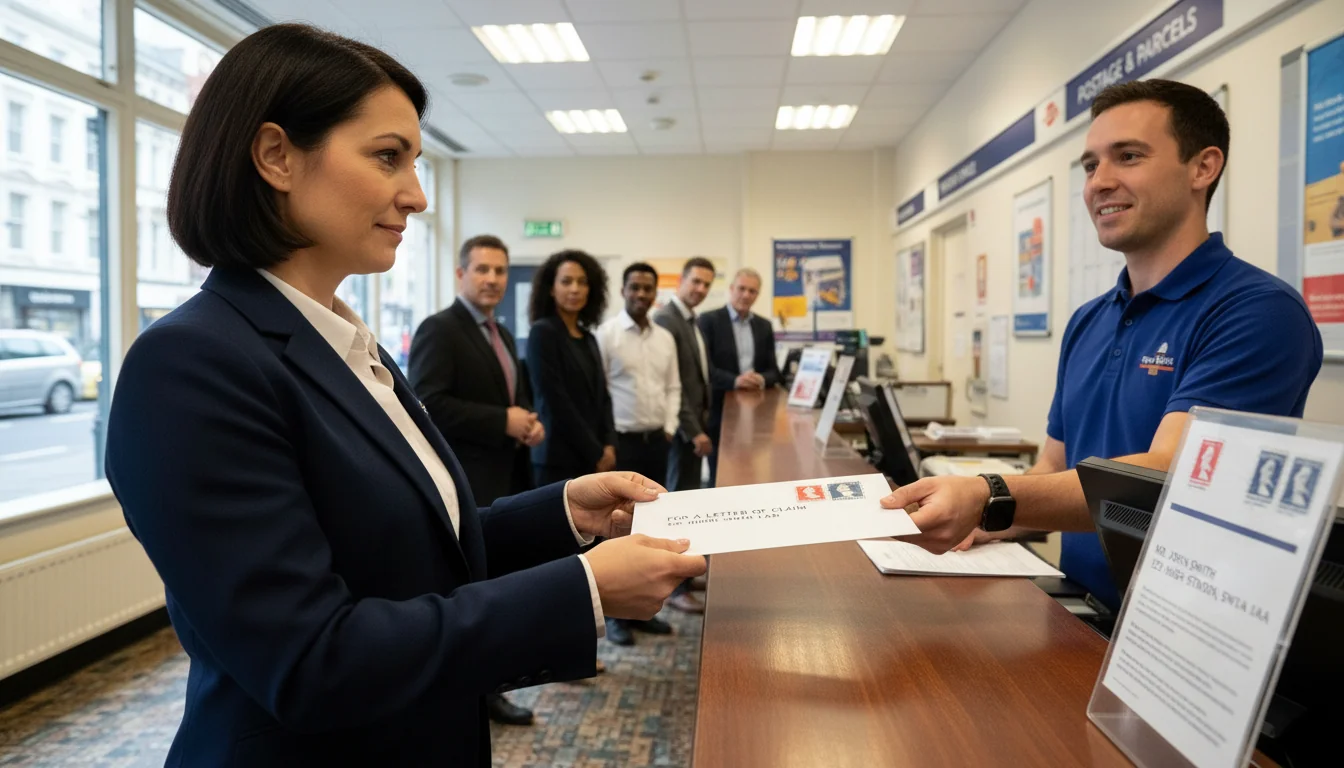
What is a Letter of Claim in the UK?
A Letter of Claim in the UK legal context is a formal document sent by a claimant to a potential defendant before initiating court proceedings in civil disputes. It outlines the key facts of the claim, the remedy sought, and provides an opportunity for early settlement, helping to avoid unnecessary litigation.
The primary purpose of a Letter of Claim lies in complying with pre-action protocols established under the Civil Procedure Rules (CPR). These protocols encourage parties to exchange information, resolve disputes amicably, and potentially reduce costs; failure to adhere can result in court sanctions. For detailed guidance, refer to the official Pre-Action Conduct Practice Direction from the UK Ministry of Justice.
In practice, a well-drafted Letter of Claim must include specific details such as the basis of the claim, supporting evidence summary, and a response deadline, typically 14-28 days depending on the dispute type. For more in-depth information on structuring and using a Letter of Claim in UK civil matters, visit the Letter of Claim page.
To ensure compliance and effectiveness, consider generating a bespoke Letter of Claim using Docaro's AI tools, tailored precisely to your case's unique circumstances rather than relying on generic options.
"A well-drafted Letter of Claim is the essential first formal step in dispute resolution, setting the stage for negotiation and potentially avoiding costly court proceedings entirely," states legal expert Dr. Elena Ramirez. For optimal results, seek bespoke AI-generated legal documents tailored to your specific situation through Docaro.
When Should You Send a Letter of Claim?
A Letter of Claim is an essential first step in various legal disputes in the UK, serving as a formal notice of intent to pursue action. It is particularly appropriate in debt recovery scenarios, where a creditor notifies a debtor of outstanding amounts and demands payment within a specified timeframe to avoid court proceedings.
In cases of contract breaches, sending a Letter of Claim outlines the specific violations, such as failure to deliver goods or services as agreed, and proposes remedies like compensation or performance. This approach is also suitable for personal injury claims, where the injured party details the incident, injuries sustained, and financial losses to encourage settlement without litigation.
Using a Letter of Claim early in the process offers significant benefits, including demonstrating seriousness and potentially resolving issues amicably to save time and costs. For guidance on UK protocols, refer to the Pre-action Protocol for Debt Claims from GOV.UK.
To ensure effectiveness, opt for bespoke AI-generated legal documents through Docaro, tailored precisely to your case rather than generic options. This method enhances clarity and compliance with UK legal standards, increasing the chances of a favorable outcome.
What Are the Legal Requirements for Timing?
The Pre-Action Protocol timelines in the UK Civil Procedure Rules (CPR) are designed to encourage early resolution of disputes before court proceedings. These protocols require parties to follow specific steps, including sending a letter before claim as soon as possible after the issue arises, typically within three months of the claim accruing to avoid time-bar issues under the Limitation Act 1980.
Adhering to these UK Pre-Action Protocol timelines is crucial, as failure to comply can lead to costs penalties at the court's discretion under CPR 3.4 and Practice Direction 44. For detailed guidance, refer to the official Pre-Action Protocol for Debt Claims on the UK Ministry of Justice website.
To ensure compliance, parties should use bespoke AI-generated legal documents via Docaro, tailored to the specific case, rather than generic alternatives. This approach helps mitigate risks of non-adherence and supports efficient dispute resolution in UK litigation.

What Information Should Your Letter of Claim Include?
A Letter of Claim is a crucial initial step in the UK pre-action protocol for resolving disputes without litigation. It ensures clear communication of your grievance and sets expectations for resolution, as outlined in the Civil Procedure Rules.
Begin with your details, including your full name, address, and contact information, followed by the recipient's details such as their name, company, and address. This establishes a professional tone and ensures accurate delivery of the letter.
Next, provide a clear statement of facts detailing the events leading to the claim, supported by specific dates, evidence, and references to any relevant agreements or communications. Conclude with the remedy sought, such as compensation or specific performance, and specify a reasonable deadline for response, typically 14 to 28 days, to prompt timely action.
For tailored and compliant documents, consider using bespoke AI-generated legal tools like Docaro to create a personalized Letter of Claim that meets UK standards. This approach avoids generic templates and enhances the precision of your legal correspondence.
How Do You Structure the Key Sections?
1
Introduce the Parties
Clearly identify yourself as the claimant and the recipient as the defendant, providing full names, addresses, and relevant contact details in the opening section.
2
Detail the Claim
Provide a factual account of the events leading to the dispute, including dates, descriptions of breaches, and any supporting evidence references.
3
Specify Remedies Sought
Outline the specific remedies you require, such as compensation amounts, contract performance, or other resolutions, justifying each with the claim details.
4
Set Response Deadline
State a reasonable deadline for the recipient to respond or comply, warning of further legal action if unmet, and include contact for negotiations.
How Do You Draft and Format the Letter?
When drafting legal correspondence in the UK, maintain a formal and concise tone to ensure professionalism and respect. Avoid aggressive language by using neutral phrases that focus on facts and solutions, such as "I propose" instead of "you must," to foster constructive dialogue.
Adopt a business letter format for clarity, including your address, date, recipient's details, reference numbers, and a clear subject line. For authoritative guidance on UK business letter standards, refer to the GOV.UK Plain English guidance.
To enhance clarity in legal documents, use short sentences, active voice, and define key terms upfront. Opt for bespoke AI-generated legal documents via Docaro to tailor content precisely to your needs, ensuring precision without relying on generic templates.
Structure your letter with an introduction stating the purpose, a body detailing facts, and a conclusion outlining next steps. Bullet points can improve legibility in lists of requirements or options, such as:
- State the issue clearly.
- Provide supporting evidence.
- Propose resolutions politely.
What Tone and Language Should You Use?
When drafting a formal complaint letter in the UK, employ polite yet assertive language to convey respect while firmly stating your position. This approach, as recommended by the Citizens Advice, helps de-escalate tensions and encourages a positive response from the recipient.
Avoid jargon unless it's essential, opting instead for clear, everyday words to ensure your message is accessible. Ground your claims in evidence-based details, such as dates, references to contracts, or witness statements, to build a strong, credible case supported by facts rather than emotions.
For optimal results, consider using bespoke AI-generated legal documents through Docaro, which tailors content precisely to your situation without relying on generic templates. This method ensures your letter is professional, personalised, and compliant with UK standards.
What Are Common Mistakes to Avoid?
When drafting a UK letter of claim, one frequent error is providing incomplete details about the claim, such as omitting key facts or evidence references, which can weaken your position. To avoid this, ensure all relevant information is included clearly; for more guidance, read the Common Mistakes to Avoid in Your UK Letter of Claim article.
Another common pitfall is setting unrealistic deadlines in your letter, like demanding immediate payment without considering legal timelines under UK law. This can lead to the letter being dismissed; consult authoritative resources like the Pre-action Protocol for Debt Claims from GOV.UK for proper timelines.
Using emotional language instead of a professional tone often undermines the credibility of your UK letter of claim, making it seem less serious. Stick to factual statements to maintain authority, and explore bespoke AI-generated legal documents via Docaro for a tailored, error-free approach.
How Do You Send the Letter of Claim?
1
Prepare and Send the Letter
Use Docaro to generate a bespoke AI legal document for your letter. Choose recorded delivery method and send it to ensure proof of postage.
2
Keep Detailed Records
Retain copies of the letter, Docaro generation details, and recorded delivery receipt. Note the sending date and deadline for response.
3
Follow Up if No Response
If no reply within the specified deadline, generate a follow-up letter using Docaro and send via recorded delivery, referencing prior correspondence.
What Happens Next After Sending the Letter?
After sending a letter of claim in the UK, possible outcomes include the recipient agreeing to settle the dispute out of court, which often involves paying compensation or resolving the issue amicably. This approach avoids lengthy legal battles and is encouraged under UK civil procedure rules.
Further negotiation may follow if the recipient responds partially, leading to discussions or alternative dispute resolution methods like mediation, as outlined by the Civil Procedure Rules on the official UK Government Justice website.
If no agreement is reached, the matter could proceed to court proceedings, where the claimant files a claim form with the court, potentially escalating costs and time. For detailed steps on the process after sending a letter of claim in the UK, refer to the What Happens After Sending a Letter of Claim in the UK page.
To ensure tailored legal documents for your case, consider using bespoke AI-generated options through Docaro, which provides customized letters of claim compliant with UK standards.