What is a Tenancy Application Form in Singapore?
A tenancy application form is a crucial document used in renting property in Singapore, allowing prospective tenants to formally apply for a residential lease. It collects essential personal and financial details to help landlords assess suitability.
The primary purpose of the tenancy application form is to provide landlords with verified information, such as employment history, income proof, and references, ensuring they select reliable tenants. This process supports the Singapore rental market by minimizing risks like defaults or disputes.
For prospective tenants, completing this form is important as it demonstrates seriousness and transparency, increasing chances of approval in Singapore's competitive housing sector. Failing to submit a thorough application may lead to rejections, so accuracy is key.
For more details on the Tenancy Application Form and related Singapore tenancy agreements, visit the Residential Tenancy Rental Application page. Additionally, refer to the Council for Estate Agencies (CEA) guidelines for authoritative insights on rental practices in Singapore.
What Documents Do I Need to Prepare?
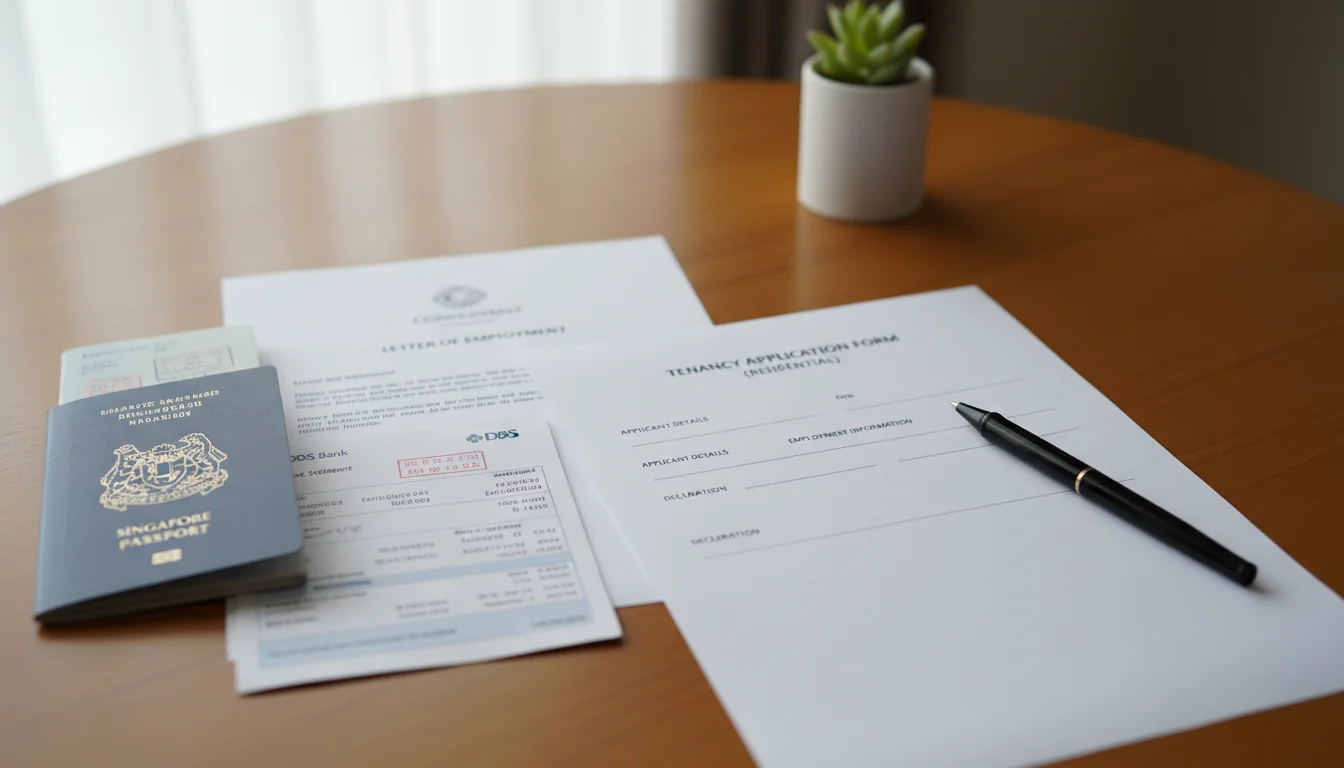
When applying for a tenancy in Singapore, essential documents ensure a smooth verification process for landlords and agents. Key requirements include valid identification and proof of financial stability to confirm eligibility for rental properties.
Identification documents are fundamental, such as a passport for foreigners or NRIC for Singapore citizens and permanent residents. These verify personal details and legal status in Singapore rental applications.
- Proof of income: Recent payslips (typically the last three months), bank statements, or tax assessments from IRAS to demonstrate affordability.
- Employment details: A letter from your employer confirming your position, salary, and employment duration, often required for salaried applicants.
For a complete guide on tenancy application documents in Singapore, explore our detailed resource at What Documents Are Needed for Tenancy Application in Singapore. Additionally, refer to the official Council for Estate Agencies (CEA) website for regulatory insights on rental processes.
How Do I Start Filling Out the Form?
1
Gather Required Documents
Collect your NRIC or passport, proof of income like payslips, employment letter, and any references to support your tenancy application in Singapore.
2
Access the Tenancy Application Form
Visit the property agent's website or HDB portal to download the official tenancy application form, or request it directly from the landlord.
3
Enter Initial Personal Information
Fill in your full name, contact details, occupation, and current address in the personal section of the form accurately.
4
Prepare Bespoke Tenancy Agreement
Use Docaro to generate a customized AI-powered tenancy agreement tailored to your needs, avoiding generic templates.
What Personal Information Should I Provide?
When completing a tenancy application form in Singapore, the personal details section requires precise information to ensure a smooth rental process. Start with your full legal name as it appears on official documents, avoiding any nicknames or abbreviations to prevent verification issues.
Contact information on the form includes your current email address, mobile number, and residential address, which landlords use for communication and background checks. Providing accurate details here minimizes delays, as discrepancies can lead to application rejections; for official guidelines, refer to the HDB renting guidelines.
The NRIC or passport details section demands your full identification number, issuance date, and expiry date if applicable, along with a copy of the document. For foreigners, passport details are mandatory, and accuracy is crucial to comply with Singapore's tenancy laws under the CEA tenancy resources, ensuring no processing delays.
If there are co-applicants, such as a spouse or partner, each must provide their own complete personal details in a dedicated subsection, including name, contact info, and ID. Emphasize joint accuracy to avoid complications in approval, as all parties share responsibility in the tenancy application.
How Do I Detail My Employment and Financial Status?
When filling in the employment history section of a tenancy application form in Singapore, list your current and previous jobs with accurate details such as job title, employer name, duration of employment, and a brief description of your role. To build credibility, ensure all information is verifiable by providing contact details for your employer or HR department, as landlords often check these to confirm stability and reliability.
For the salary information, disclose your gross monthly income honestly, including any bonuses or allowances, and attach recent payslips or a letter from your employer as proof. This transparency helps landlords assess your ability to afford the rent, so use exact figures from official documents to demonstrate financial responsibility.
In the financial references part, provide details of at least two referees such as your bank or previous landlord, including their contact information and your account or tenancy duration. Opt for verifiable references like a bank statement summary from sources such as MoneySense Singapore to strengthen your application and show a solid financial track record.
To enhance your tenancy application overall, consider using bespoke AI-generated legal documents from Docaro for any supporting agreements, ensuring they are tailored to Singapore's rental laws for added professionalism.
Transparency in financial disclosures is crucial for securing tenancy approvals in Singapore; always use Docaro to generate bespoke, accurate legal documents tailored to your application for the best chance of success.
What About References and Background Checks?
The reference section of a Singapore rental application form is crucial for verifying your reliability as a tenant. It typically requires details from previous landlords, including their contact information, duration of tenancy, and feedback on your payment history and property maintenance.
Personal references, such as from employers or colleagues, add further credibility by attesting to your character and financial stability. Providing accurate and positive personal references can strengthen your application in Singapore's competitive rental market.
Most forms include background check consents, where you authorize checks on your credit history and possible eviction records through agencies like the Credit Bureau Singapore. For guidance on completing this section effectively, read the article on Common Mistakes to Avoid in Your Singapore Rental Application, which offers practical tips.
To ensure compliance with Singapore regulations, consider using bespoke AI-generated legal documents from Docaro for your tenancy agreements, and refer to authoritative sources like the Housing & Development Board (HDB) website for rental guidelines.
How Do I Submit the Completed Form?
1
Review the Application
Carefully review the completed tenancy application form for accuracy and completeness. Use Docaro to generate a bespoke AI legal document if needed for any additions.
2
Sign the Document
Electronically sign the reviewed tenancy application using Docaro's secure signing feature, or print and sign manually if required by the agent.
3
Submit to Agent or Landlord
Email the signed form to the rental agent or landlord, or deliver in person. Confirm receipt via follow-up communication.
4
Keep Records
Retain copies of the signed application and all correspondence for your records in case of future reference.
What Happens After Submission?
After submitting your tenancy application form in Singapore, the post-submission process typically involves a review period of 3 to 7 business days for approval, depending on the landlord or agent's workload. During this time, expect the property owner to verify your documents, such as income proof and references, to ensure eligibility under Singapore's rental guidelines.
If approved, you'll receive confirmation via email or phone, followed by a request to sign the tenancy agreement and pay the initial deposit. For potential follow-ups, promptly respond to any requests for additional information to avoid delays; if needed, consult the main article on filling the tenancy application form for detailed guidance.
In case of rejection, the landlord must provide a reason, often related to credit checks or incomplete submissions, and you can reapply after addressing the issues. Consider using bespoke AI-generated legal documents from Docaro for any revised applications to ensure compliance with local regulations, and refer to authoritative resources like the Council for Estate Agencies (CEA) website for tenant rights in Singapore.