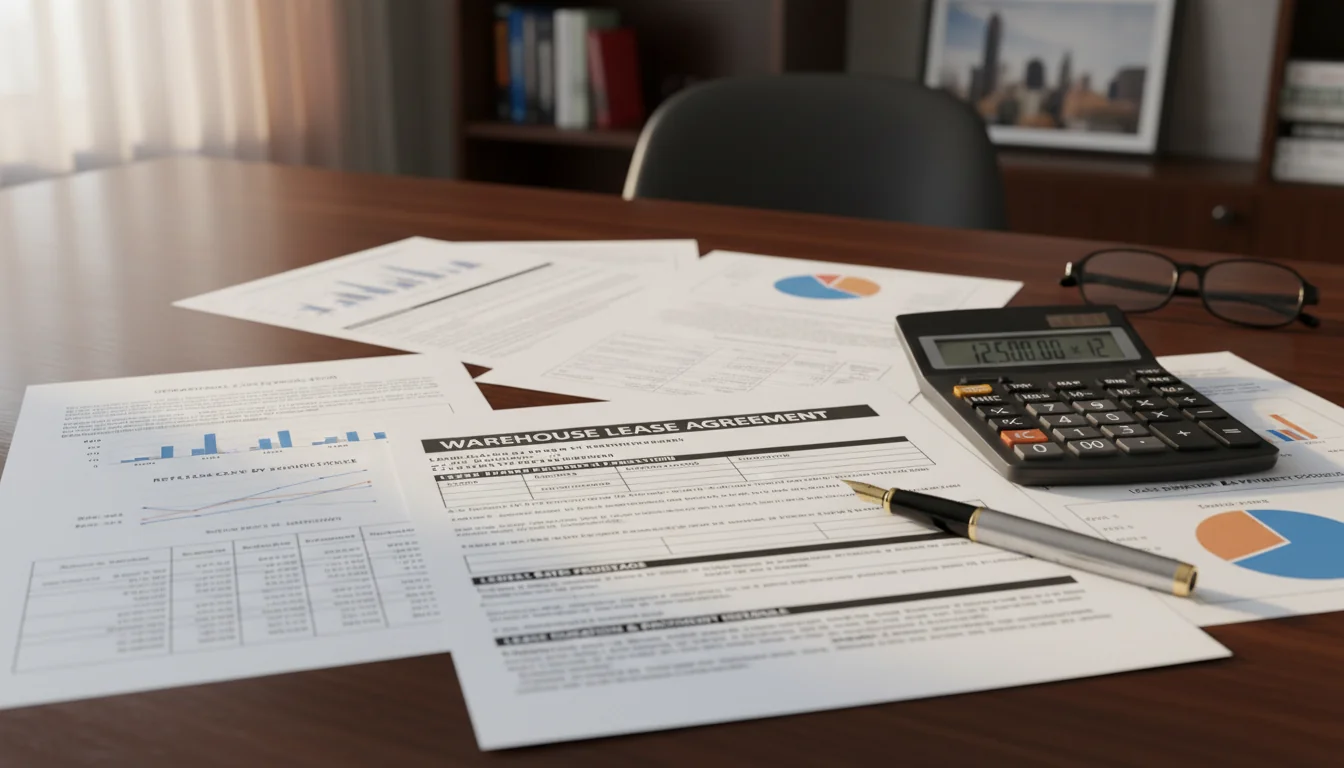
What Should You Consider Before Starting Negotiations for a Warehouse Lease?
Before diving into warehouse lease negotiations in the US, it's essential to thoroughly assess your business needs to ensure the space aligns with your operational requirements. Start by evaluating factors like the required square footage, ceiling height, loading dock access, and proximity to transportation hubs to support efficient logistics. This step helps avoid overpaying for unnecessary features or settling for inadequate facilities that could hinder your supply chain management.
Conducting market research is a critical preparation that involves analyzing current rental rates, vacancy trends, and available properties in your target areas to inform your negotiation strategy. Use resources like the CBRE Industrial Market Reports for authoritative data on US warehouse markets, enabling you to benchmark fair lease terms and identify competitive advantages. This research empowers you to negotiate from a position of strength, potentially securing better rates and flexible terms.
Finally, consulting professionals such as real estate attorneys, brokers, and financial advisors is indispensable for navigating the complexities of commercial real estate leases. These experts can help review lease agreements, anticipate hidden costs, and ensure compliance with local regulations. For detailed guidance on legal aspects, explore our resource on Navigating Legal Requirements for Warehouse Leases Across US States, which covers state-specific variations to safeguard your interests.
1
Evaluate Location Options
Assess potential warehouse sites based on proximity to suppliers, customers, transportation access, and local market conditions to ensure operational efficiency.
2
Budget for Costs
Calculate total expenses including rent, utilities, maintenance, taxes, and insurance; factor in growth projections to set a realistic financial limit.
3
Review Sample Agreements
Examine standard lease templates and past agreements to understand key terms, clauses, and potential pitfalls in warehouse contracts.
4
Assemble Negotiation Team
Gather experts like a real estate attorney, financial advisor, and operations manager to prepare for effective lease discussions.
How Do You Identify the Right Warehouse Location and Type in the US?
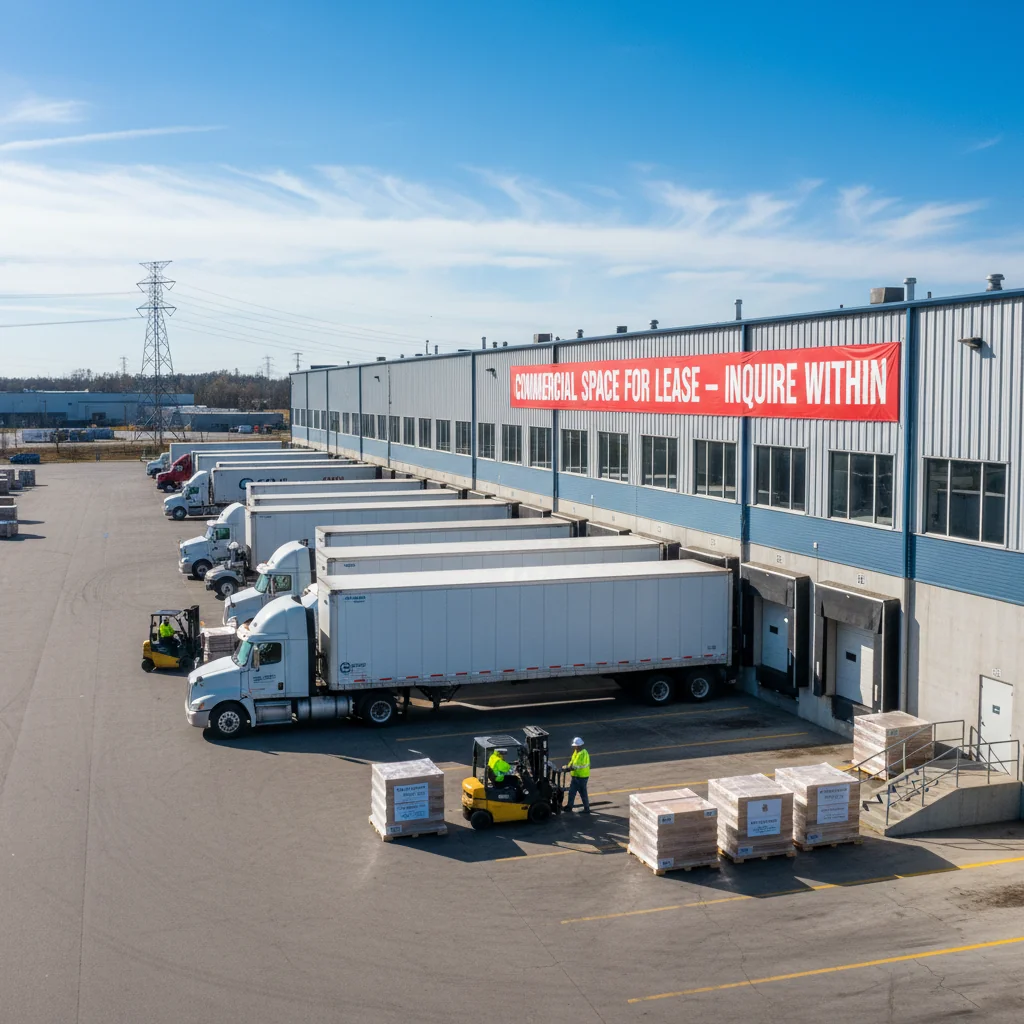
Selecting the ideal warehouse location requires careful consideration of proximity to transportation hubs, such as major highways, ports, and airports, to ensure efficient logistics and reduced shipping times. Local regulations, including zoning laws and environmental standards, can significantly impact operations, varying by city and state to comply with safety and sustainability requirements. For warehouse site selection, businesses must also evaluate cost variations across US states, where states like Texas and California offer competitive real estate prices but differ in taxes and labor costs; for detailed legal insights, explore our Warehouse Lease Agreement page.
Site visits are crucial in the warehouse location selection process, allowing teams to assess infrastructure, accessibility, and potential expansion opportunities firsthand. During these visits, evaluate factors like traffic flow and neighborhood conditions to avoid unforeseen issues. To deepen your understanding of regulatory landscapes, refer to authoritative sources like the U.S. Small Business Administration's guide on business locations.
What Are the Main Types of Warehouse Leases Available?
Triple net leases (NNN) are prevalent in the US warehouse rental market, where tenants bear responsibility for most operating expenses including property taxes, insurance, and maintenance, in addition to base rent. This structure offers landlords predictable income while shifting financial risks to tenants, making it ideal for long-term industrial leases. For tenants, the pros include potential cost savings if they manage expenses efficiently, but cons involve unpredictable costs from rising taxes or repairs, which can strain budgets in volatile markets.
Gross leases, less common for warehouses but still used in some urban US settings, bundle all expenses—rent, taxes, insurance, and maintenance—into a single fixed payment covered by the landlord. This provides tenants with budgeting stability, especially beneficial for short-term or smaller operations in the warehouse leasing sector. However, tenants face pros like simplified accounting and no direct expense management, contrasted by cons such as higher base rent to offset landlord risks, potentially leading to less control over property upkeep.
Modified gross leases strike a balance in US commercial real estate, with tenants paying base rent plus a portion of variable costs like utilities or maintenance, while landlords handle taxes and insurance. This hybrid appeals to warehouse tenants seeking moderate risk in industrial property leases, as seen in resources from NAIOP.
"Prioritize warehouse locations with strong access to major highways, ports, and rail lines to minimize transportation costs and maximize operational efficiency in leasing decisions." – John Smith, Senior Real Estate Advisor at CBRE
What Key Clauses Should You Focus on During Negotiations?
In a US warehouse lease agreement, the rent escalation clause is crucial for outlining how rental payments will increase over the lease term, often tied to inflation rates, consumer price index (CPI), or fixed annual percentages to protect the landlord's interests. This clause ensures predictability for both parties and helps tenants budget for rising costs in commercial real estate. For more details on key clauses in warehouse leases, visit our comprehensive guide at Key Clauses to Include in a Warehouse Lease Agreement in the US.
Maintenance responsibilities in a US warehouse lease typically divide duties between the tenant and landlord, with tenants handling day-to-day upkeep like cleaning and minor repairs, while landlords manage structural elements such as the roof, HVAC systems, and exterior. This allocation prevents disputes and ensures the property remains in good condition for logistics and storage operations. Refer to authoritative resources like the National Association of Realtors for standard practices in commercial leasing.
Renewal options provide tenants with the right to extend the lease under predefined terms, often including notice periods and potential rent adjustments, which is vital for long-term business planning in the warehouse sector. These options can include fixed extensions or negotiations for favorable rates, promoting stability in industrial real estate markets. Bullet points below highlight key elements to consider:
- Notice requirement: Typically 6-12 months in advance to allow for planning.
- Rent adjustment: May align with market rates or escalation formulas.
- Option periods: Often one or more 5-year extensions for flexibility.
1
Identify Must-Have Terms
Review the contract and list essential clauses that are non-negotiable for your interests, such as payment terms and liabilities.
2
Consult a Lawyer
Share the contract with a legal expert to get advice on potential risks and negotiation strategies for key clauses.
3
Propose Counteroffers
Draft and send specific counteroffers for unfavorable terms, justifying changes based on your must-haves and lawyer's input.
4
Negotiate and Finalize
Discuss counteroffers with the other party, make concessions if needed, and secure a revised agreement in writing.
How Can You Negotiate Rent and Additional Expenses Effectively?
When negotiating warehouse leases, start by conducting thorough market benchmarking to understand current rental rates in your target area. Compare base rent quotes from multiple properties using resources like CBRE Industrial MarketView reports, which provide data on average rates per square foot and vacancy trends. This knowledge empowers you to push for a lower base rent, aiming for 5-10% below market if the property has been vacant or the landlord is motivated.
For operating expenses and utilities in warehouse leases, request a detailed breakdown of common area maintenance (CAM) fees, taxes, and insurance to identify potential overcharges. Negotiate caps on annual increases, such as limiting escalations to the Consumer Price Index (CPI), and seek exclusions for non-controllable costs like roof repairs. To gain concessions, leverage market data showing high vacancy rates to ask for free rent periods or tenant improvement allowances that offset utility setup costs.
Overall, effective warehouse lease negotiation strategies involve timing your talks during off-peak seasons when landlords are more flexible, and always include an attorney to review clauses on utilities allocation based on actual usage rather than estimates. Use bullet points in your proposals for clarity:
- Benchmark base rent against local comps to justify reductions.
- Cap operating expense escalations at 3-5% annually.
- Secure concessions like 3-6 months of free rent for long-term leases.
- Negotiate submetered utilities to ensure fair billing.
What Strategies Help Secure Favorable Terms in a Warehouse Lease?
Building rapport with landlords is a crucial negotiation tactic when securing a favorable warehouse lease in the US. Start by researching the landlord's background and expressing genuine interest in their property to foster trust and open communication. This approach can lead to more flexible terms, as landlords are often more willing to negotiate with tenants they like and respect. For more detailed strategies, refer to this guide on negotiating a favorable warehouse lease.
Using data to support arguments strengthens your position during warehouse lease negotiations by providing objective evidence for your requests. Gather market data on rental rates, vacancy trends, and comparable properties from authoritative sources like the CBRE Real Estate Reports to justify lower rents or better terms. Presenting this information clearly demonstrates your preparation and can pressure landlords to concede on points like lease duration or maintenance responsibilities.
Timing the deal effectively can make or break warehouse lease negotiations, as market conditions fluctuate. Aim to negotiate during periods of high vacancy or economic downturns when landlords are motivated to fill space quickly. Monitor local commercial real estate trends to identify the optimal window, ensuring you secure the best possible terms without rushing into a suboptimal agreement.
How Do You Handle Potential Disputes and Terminate if Needed?
In US warehouse leases, dispute resolution clauses are essential for addressing conflicts efficiently, often favoring negotiation or mediation before escalating to arbitration or litigation. These clauses typically specify the governing law, such as state-specific regulations, and may include venue requirements to minimize costs for tenants and landlords. Landlords may impose penalties like accelerated rent payments or forfeiture of security deposits to protect their interests. Tenants should negotiate caps on these fees to maintain flexibility in volatile markets; for more details, refer to NAR's commercial leasing resources.
Effective exit strategies for US warehouse leases involve subletting, assignment, or buyout provisions to ensure smooth transitions without long-term liabilities. These strategies often include rights of first refusal for the landlord and detailed procedures for returning the property in good condition.
1
Review the Lease Thoroughly
Carefully read the entire lease agreement, noting terms, fees, and responsibilities. Consult a professional if any clauses are unclear.
2
Secure Necessary Approvals
Obtain signatures from all parties involved. If required, get landlord approval for pets, guarantors, or modifications.
3
Sign and Finalize Documents
Sign the lease once reviewed and approved. Make copies for all parties and file originals securely.
4
Plan for Move-In
Schedule move-in date, arrange utilities, and prepare an inventory of the property's condition before occupying.