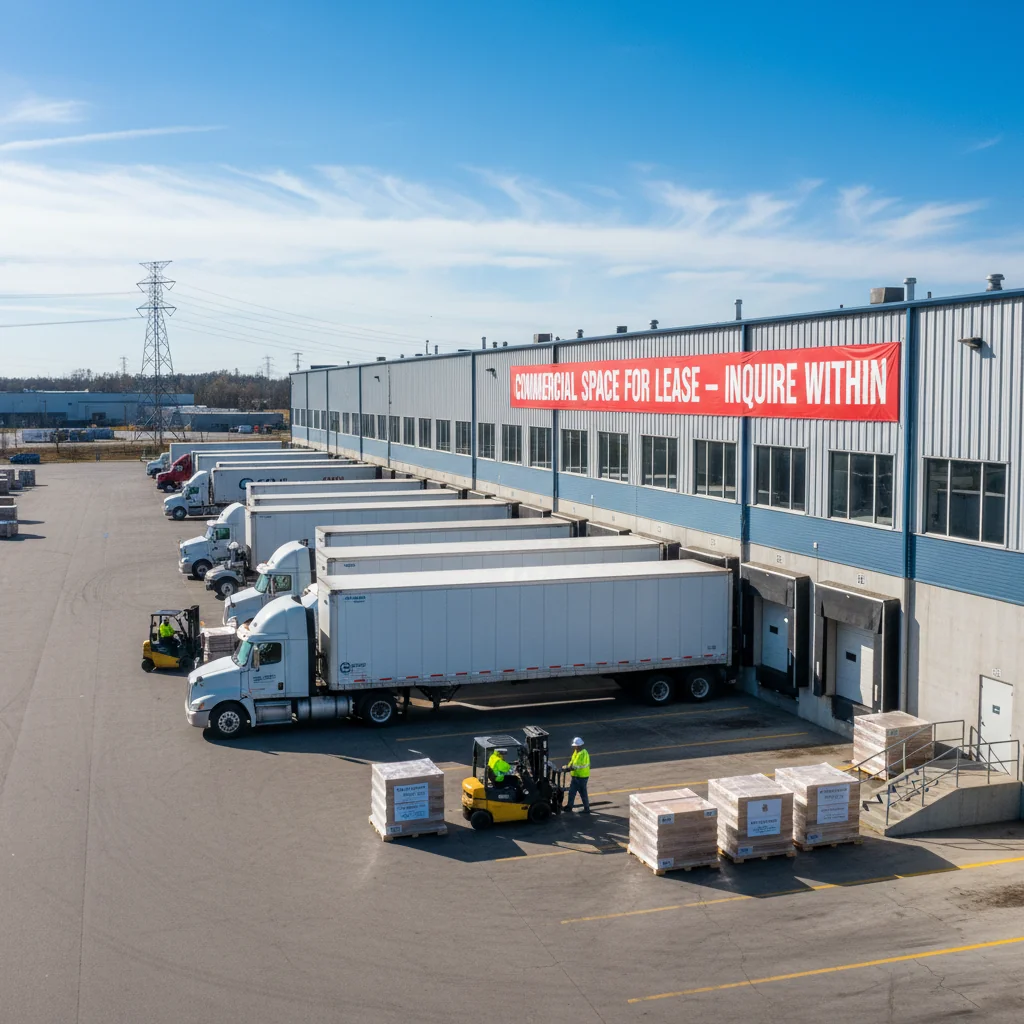
What Are the General Legal Requirements for Warehouse Leases in the US?
Warehouse leases in the United States must comply with federal zoning regulations that dictate where industrial properties like warehouses can be built and operated, primarily enforced through local governments under the oversight of federal guidelines such as those from the Department of Housing and Urban Development (HUD). These regulations ensure that warehouses are located in appropriate zones to minimize conflicts with residential or commercial areas. For more details on zoning compliance, refer to the HUD website.
Environmental standards for warehouse leases are governed by federal laws like the Clean Air Act and the Resource Conservation and Recovery Act (RCRA), requiring lessees to assess and mitigate potential pollution from storage or operations. Compliance often involves environmental impact assessments and adherence to EPA guidelines to prevent contamination of soil or water. Authoritative resources on these standards can be found on the EPA's official site.
Basic contract principles in warehouse lease agreements follow general U.S. contract law, emphasizing mutual consent, consideration, and legality, as outlined in the Uniform Commercial Code (UCC) for commercial leases. Parties must ensure the agreement is in writing to be enforceable, covering terms like rent, duration, and maintenance responsibilities. For a comprehensive Warehouse Lease Agreement template, explore standardized options that align with these principles.
How Do Federal Regulations Impact Warehouse Leasing?
Federal regulations like OSHA safety standards significantly influence warehouse leases across the US by mandating compliance with workplace safety protocols, such as proper ventilation, fire suppression systems, and safe storage of hazardous materials. These requirements often necessitate that landlords invest in upgrades or certifications before leasing, which can increase rental costs and require tenants to verify adherence in lease agreements. For more details, refer to the OSHA official website, a key resource for warehouse safety regulations.
Similarly, ADA accessibility requirements affect warehouse leases by ensuring facilities accommodate employees and visitors with disabilities, including ramps, wide doorways, and accessible restrooms. This means leases may include clauses for modifications or inspections to meet these standards, potentially raising operational expenses but promoting inclusive warehouse operations. The ADA.gov provides authoritative guidance on these accessibility mandates for commercial properties.
Environmental protections under the EPA further shape warehouse leases by regulating waste disposal, emissions, and site contamination, often requiring environmental assessments or permits for industrial use. Leases might incorporate indemnification for EPA violations, influencing site selection and premium pricing for compliant locations. Explore EPA resources at EPA.gov for insights into environmental compliance in US warehouses.
"Ensuring full compliance with federal laws, including OSHA safety standards and ADA accessibility requirements, in warehouse leasing agreements is essential to mitigate the risk of substantial fines, legal disputes, and operational disruptions," states legal expert Dr. Elena Ramirez, partner at Ramirez & Associates Law Firm. To protect your business, conduct thorough due diligence on all lease terms and consult regulatory specialists before signing.
What Role Do State-Specific Laws Play in Warehouse Leases?
Warehouse leases in the US exhibit significant variations across states due to differing legal frameworks for property taxes, landlord-tenant rights, and building codes. For instance, states like California impose higher property tax rates on commercial properties compared to Texas, which offers incentives for industrial developments, impacting overall leasing costs. These differences necessitate thorough due diligence for businesses seeking warehouse lease agreements to optimize financial outcomes.
Landlord-tenant rights also diverge, with some states providing stronger protections for tenants against arbitrary evictions, while others favor landlords in dispute resolutions. Building codes vary widely; for example, seismic requirements in earthquake-prone areas like the West Coast add compliance layers not seen in the Midwest.
How Do Lease Requirements Differ Between Key US States?
What Are the Specific Rules in California?
In California, warehouse leases must adhere to stringent seismic standards due to the state's high earthquake risk, requiring buildings to comply with the California Building Code (CBC) which incorporates seismic retrofitting and bracing for heavy storage loads. Lessees should ensure the property has undergone necessary inspections and upgrades to mitigate structural vulnerabilities, as outlined by the California Department of Health Care Services. Failure to meet these standards can lead to lease invalidation or liability in seismic events, making seismic compliance a critical factor in California warehouse leasing.
Water usage regulations for warehouses in California are governed by the State Water Resources Control Board, emphasizing conservation amid ongoing droughts, with mandates for efficient fixtures and stormwater management systems. Large facilities may need to implement low-flow plumbing and recycling programs to comply with local ordinances, particularly in water-stressed areas like Southern California. These rules integrate with broader environmental laws, ensuring sustainable warehouse operations in California and avoiding penalties through proactive water audits.
Regarding rent control implications, California warehouses are generally exempt from traditional rent control laws like those in residential settings, but the Tenant Protection Act of 2019 and local measures in cities like Los Angeles can indirectly apply to commercial renewals, capping increases under certain conditions. For essential clauses in these agreements, refer to our guide on Key Clauses to Include in a Warehouse Lease Agreement in the US, which covers vital provisions like maintenance and termination. Understanding these nuances is key to navigating California commercial real estate leases effectively.
What Should Be Considered for Texas Warehouse Leases?
In Texas warehouse leasing, property owners can leverage significant tax incentives such as the Chapter 313 program, which offers property tax abatements for large-scale commercial developments, contrasting sharply with California's more restrictive Prop 13 limitations that cap assessments but provide fewer targeted abatements for industrial properties. These incentives in Texas encourage warehouse expansions by reducing the effective tax burden, often up to 10 years, making it more attractive for logistics firms compared to California's higher baseline property taxes without similar abatements. For detailed guidelines, refer to the Texas Comptroller's property tax resources.
Flood zone regulations in Texas for warehouse leasing require compliance with FEMA's National Flood Insurance Program, mandating elevated structures or floodproofing in designated zones, which differs from California's stringent seismic and coastal flood rules under the California Environmental Quality Act that impose additional environmental impact assessments. Texas emphasizes floodplain management through local ordinances, allowing more flexibility in site selection but requiring elevation certificates for insurance, unlike California's broader CEQA reviews that can delay projects. Businesses should consult FEMA flood maps to assess risks specific to Texas warehouse locations.
Texas offers substantial commercial lease freedoms, permitting negotiable terms without state-mandated rent control or eviction protections seen in California, enabling customized agreements for triple-net leases common in warehouse settings. This flexibility contrasts with California's AB 1482, which caps rent increases and extends tenant rights, potentially complicating short-term industrial leases. Key advantages include freedom from usury laws on late fees, fostering a pro-landlord environment ideal for Texas commercial real estate investments.
How Do New York and Florida Compare?
In New York warehouse leases, high-density zoning regulations often require compliance with strict urban planning rules to accommodate industrial spaces in crowded areas, ensuring minimal environmental impact and efficient land use. Energy efficiency mandates, such as those under the state's NYStretch Energy Code, compel lessees to incorporate sustainable features like advanced insulation and renewable energy systems to reduce carbon footprints. These requirements contrast with Florida's focus but align with broader New York City zoning guidelines, emphasizing urban sustainability over natural disaster resilience.
Conversely, Florida warehouse leases prioritize hurricane preparedness through building codes that mandate reinforced structures, impact-resistant windows, and elevated foundations to withstand severe weather events. Coastal regulations add layers of complexity, requiring setbacks from shorelines and erosion control measures under the state's Comprehensive Planning laws to protect against flooding and sea-level rise. For detailed insights, refer to Florida's Coastal Management Program, which highlights these environmental safeguards.
When negotiating warehouse lease agreements in these states, understanding these location-specific mandates is crucial for favorable terms. For expert tips on warehouse lease negotiation in the United States, including state variations, visit our guide at How to Negotiate a Favorable Warehouse Lease Agreement in the United States.
1
Consult Local Experts
Engage attorneys or real estate consultants in target states to understand general warehouse leasing laws and requirements.
2
Review State Statutes
Examine official state statutes and regulations on commercial leasing, zoning, and industrial properties via government websites.
3
Evaluate Site-Specific Rules
Assess local ordinances, environmental regulations, and permitting for specific warehouse sites in each state.
4
Compare and Document Findings
Compile comparisons of costs, compliance needs, and risks across states to inform decision-making.
What Are the Common Challenges in Complying with Multi-State Requirements?
Operating warehouses in multiple states presents significant challenges due to varying insurance mandates, which differ widely across jurisdictions. For instance, states like California require comprehensive coverage for seismic risks, while Texas emphasizes flood and hurricane protections, building on the regulatory differences in zoning and permitting discussed earlier. These discrepancies can lead to increased compliance costs and the need for tailored insurance policies to mitigate financial exposures.
Subleasing rules further complicate multi-state warehouse operations, as each state imposes unique restrictions on property transfers. Referencing prior sections on leasing agreements, New York's stringent approval processes contrast with Florida's more flexible guidelines, potentially delaying expansions or partnerships. Businesses must navigate these variations through legal consultations to avoid breaches that could result in penalties or lease terminations.
Dispute resolution processes vary by state, impacting how conflicts over warehouse operations are handled efficiently. Building on transportation and logistics differences, arbitration is favored in Delaware for its speed, whereas litigation dominates in Illinois, often prolonging resolutions.
"Ignoring state-specific lease laws in multi-state operations can lead to costly penalties, invalid contracts, and unforeseen liabilities. Always consult local counsel to ensure compliance and protect your business interests."
How Can Businesses Mitigate These Legal Risks?
Mitigating risks in real estate leasing begins with conducting thorough due diligence on potential tenants and properties. This involves verifying financial stability, credit history, and legal compliance to prevent future disputes or defaults. By integrating these checks into your lease management process, you can significantly reduce exposure to unforeseen liabilities.
Standardizing lease templates with state-specific addendums ensures consistency and adherence to local regulations, minimizing errors in contract drafting. These templates should incorporate clauses for rent escalation, maintenance responsibilities, and eviction procedures tailored to each jurisdiction. Regularly reviewing and updating these documents helps maintain their effectiveness in protecting your interests.
Staying updated on legislative changes in housing laws is crucial for proactive risk management in the rental market. Subscribe to resources like the U.S. Department of Housing and Urban Development or state real estate associations to track amendments that could impact your leases. Implementing a system for ongoing education and compliance monitoring will keep your operations aligned with evolving legal standards.