What Are the Essential Parties and Premises Details in a Warehouse Lease Agreement?
In a warehouse lease agreement, clearly defining the parties involved, such as the landlord and tenant, is crucial for establishing legal accountability and preventing disputes. This includes providing full legal names, contact information, and roles to ensure all obligations are properly assigned. Vague identifications can lead to confusion over who is responsible for payments, maintenance, or compliance, potentially resulting in costly litigation.
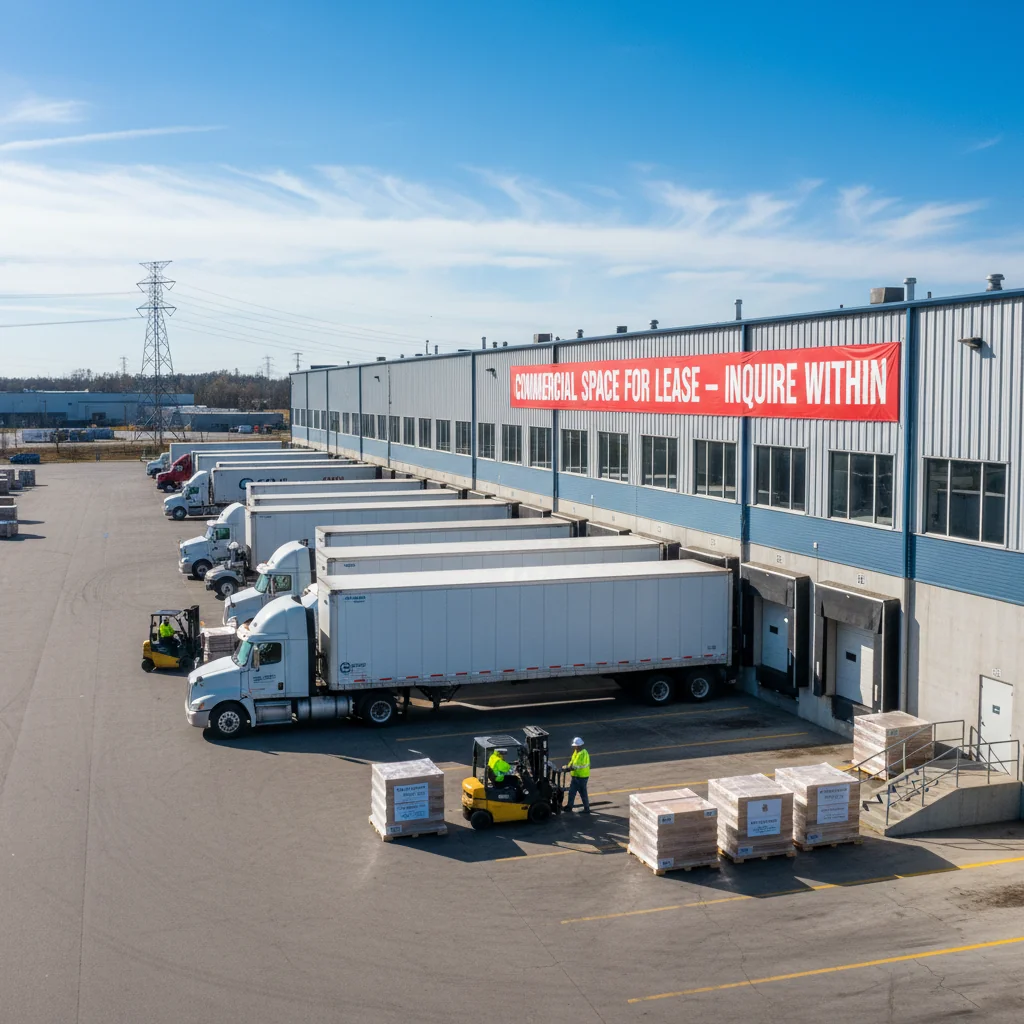
A precise description of the leased warehouse premises—including the exact address, square footage, and any included facilities like loading docks or storage areas—is essential for avoiding boundary disputes and clarifying the scope of the lease. Without such details, tenants might encroach on unleased spaces or face unexpected costs for excluded amenities, undermining the agreement's enforceability. For best practices, refer to the general Warehouse Lease Agreement template, which emphasizes detailed property specifications to protect both parties.
Potential issues from vagueness in these elements include ambiguous tax liabilities, insurance coverage gaps, or zoning violations, as highlighted by authoritative sources like the Nolo Legal Encyclopedia.
Why Specify Lease Term and Renewal Options?
In a US warehouse lease agreement, defining the lease duration is crucial, typically ranging from 3 to 10 years for commercial properties to ensure stability. The start and end dates must be precisely specified to avoid disputes over occupancy timelines, often aligning with construction completion or existing tenant move-outs. This clarity protects the landlord by securing long-term revenue and the tenant by providing predictable operational planning, as detailed in How to Negotiate a Favorable Warehouse Lease Agreement in the United States.
Options for renewal or extension allow tenants to extend the lease at predetermined rates, often with notice periods of 6 to 12 months, while giving landlords the right to refuse or renegotiate. These provisions safeguard both parties by offering flexibility against market fluctuations; for tenants, they prevent abrupt relocations, and for landlords, they maintain property control. Negotiating favorable terms here, such as renewal options with capped rent increases, ties directly into broader strategies for cost control and long-term tenancy, enhancing warehouse lease negotiation outcomes.
To optimize protection, include clauses for early termination or subletting tied to renewal options, which can be informed by authoritative resources like the National Association of Realtors guidelines on commercial leases. This integration not only mitigates risks but also empowers tenants to secure advantageous warehouse lease terms during negotiations, fostering mutual benefits in the competitive US industrial real estate market.
How Should Rent and Payment Terms Be Structured?
Rent clauses are essential elements in US lease agreements, defining the financial obligations between landlords and tenants. The base rent amount represents the fixed monthly or annual payment, serving as the foundation for all rental calculations and ensuring both parties understand the core cost. Clarity in specifying this amount, along with any applicable taxes or fees, prevents misunderstandings and potential legal disputes in various US jurisdictions.
Another critical component is the payment schedule, which outlines when and how often rent must be paid, such as on the first of each month. Escalation clauses allow for periodic rent increases, often tied to inflation rates, fixed percentages, or market adjustments, providing predictability for future hikes. Including detailed methods of payment, like checks, electronic transfers, or online portals, ensures smooth transactions and reduces the risk of late fees or conflicts.
To avoid disputes, all rent clauses must be drafted with precise language and unambiguous terms, as courts in US jurisdictions interpret ambiguous contracts against the drafter. For authoritative guidance, refer to resources like the Nolo Legal Encyclopedia on Rent Control or the HUD Rental Assistance page.
"Rent clauses form the financial backbone of any warehouse lease, demanding precision to prevent costly litigation." – Legal Expert, Commercial Real Estate Law. Recommendation: Always consult a qualified attorney to meticulously draft and review these clauses for clarity and enforceability.
What Maintenance and Repair Responsibilities Apply?
1
Review Property Condition
Inspect the warehouse thoroughly, noting existing damages, structural issues, and systems like HVAC and roofing. Document with photos and reports.
2
Clarify Responsibilities
Examine the lease for maintenance clauses; discuss ambiguities with landlord to define duties for repairs, utilities, and common areas.
3
Negotiate Terms
Propose modifications to balance responsibilities, such as landlord handling major repairs; seek concessions on costs and timelines.
4
Document Agreements
Record all negotiated terms in an addendum; have both parties sign to avoid future disputes.
Why Include Insurance and Indemnity Provisions?
In warehouse leases across US states, insurance requirements play a crucial role in protecting both landlords and tenants from financial losses due to property damage, liability claims, or unforeseen events. Landlords typically require tenants to carry property insurance covering the leased space and improvements, as well as commercial general liability insurance with minimum limits often starting at $1 million per occurrence for bodily injury and property damage. Tenants pay for their own policies, while landlords maintain coverage for the building structure; these requirements ensure risk allocation and compliance with legal standards for warehouse leasing.
Indemnity clauses in lease agreements further limit liability by specifying that one party will compensate the other for certain losses, such as tenant indemnifying the landlord against claims arising from tenant activities. These clauses vary by state; for instance, California mandates clear language in indemnity provisions under Civil Code Section 2782, while Texas emphasizes mutual indemnity in commercial leases to balance responsibilities. Refer to Navigating Legal Requirements for Warehouse Leases Across US States for detailed state-specific variations, including minimum insurance limits in New York or Florida.
- Key types of coverage: Property insurance protects against fire or theft; liability covers third-party injuries.
- Who pays: Tenants cover contents and operations; landlords insure the premises.
- State variations: Check authoritative sources like Insurance Information Institute for updates on requirements in states like Illinois or Georgia.
How to Handle Use and Subletting Clauses?
The warehouse lease agreement outlines permitted uses primarily for storage and distribution activities, ensuring that tenants can efficiently manage inventory and logistics operations. Restrictions on activities include prohibitions against hazardous materials storage, manufacturing, or any retail sales on-site to maintain safety and operational integrity. Compliance with US zoning laws is mandatory, as outlined by the EPA guidelines on zoning, helping tenants avoid legal pitfalls and fines.
Subletting or assignment requires the landlord's prior written consent, with conditions ensuring the new party meets the same credit and operational standards as the original tenant. This provision allows for business flexibility, enabling scalability during growth phases without lease termination. The benefits of such flexibility are evident in adapting to market changes, reducing downtime, and optimizing warehouse utilization for long-term profitability.
What Default and Termination Conditions Must Be Covered?
In a warehouse lease agreement in the US, default events typically include non-payment of rent, material breaches of lease terms such as unauthorized subletting or failure to maintain the property, and insolvency of the tenant. These events trigger specific remedies for the landlord, like recovering unpaid rent, damages for property harm, or repossession of the warehouse space. For comprehensive protection, refer to the key clauses in a warehouse lease agreement that outline these defaults clearly to avoid disputes.
Landlords must provide notice periods before pursuing remedies, often ranging from 3 to 30 days depending on the default type, as required by state laws like those in California or New York for commercial leases. Termination procedures involve serving a formal notice to cure the default, followed by potential eviction if unresolved, ensuring due process. Bullet-pointed summaries in the lease can improve legibility:
- Cure period: Time to fix the breach.
- Eviction process: Court-ordered if necessary.
- Holdover remedies: Penalties for overstaying.
Linking back to core
warehouse lease clauses ensures robust legal protection against defaults.
Why Address Alterations and Improvements?
1
Seek Prior Approval
Negotiate clause requiring landlord's written approval for all alterations to avoid disputes and ensure compliance.
2
Define Ownership of Improvements
Specify in lease that tenant owns improvements until lease end, then clarify transfer or retention rights.
3
Outline Restoration Obligations
Include provisions for tenant to restore property to original condition at lease end, with exceptions for approved changes.
4
Consult Legal Review
Have alterations clauses reviewed by attorney to cover all contingencies and protect interests.