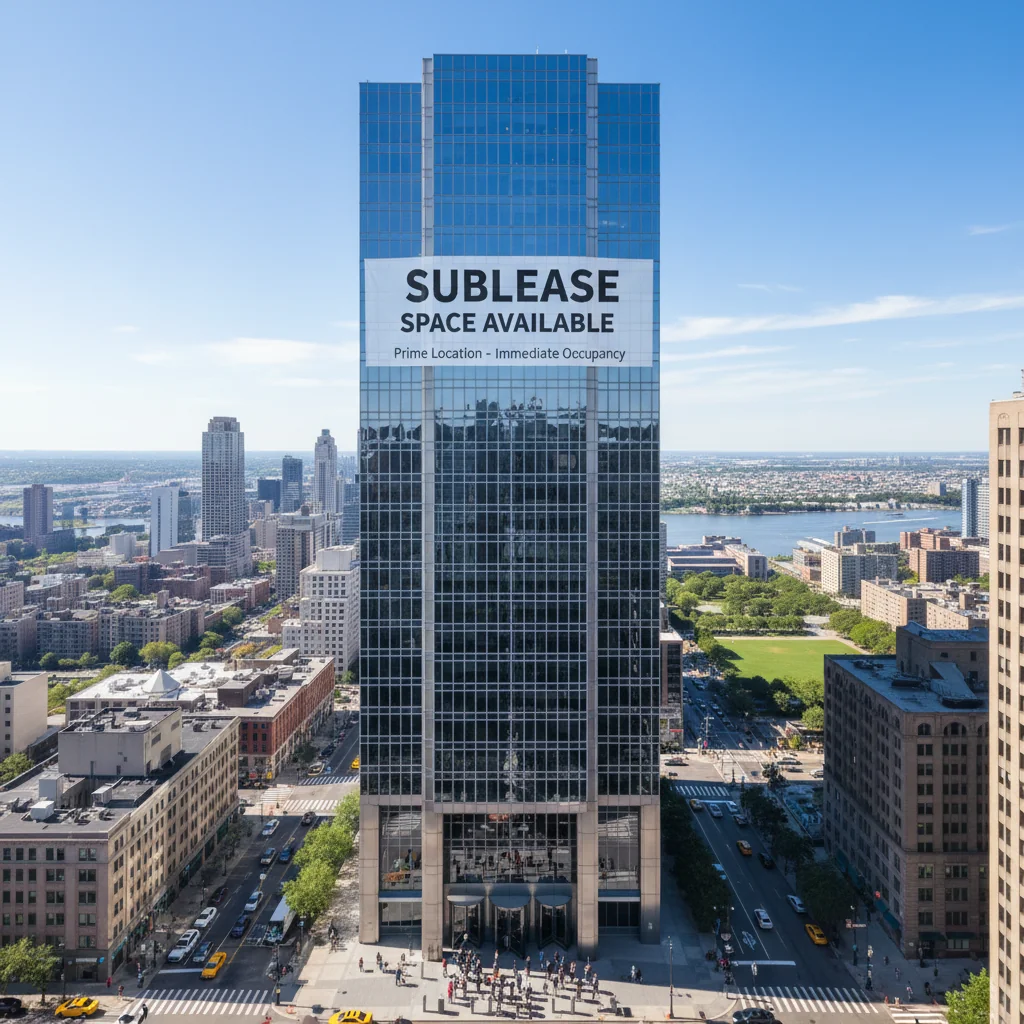
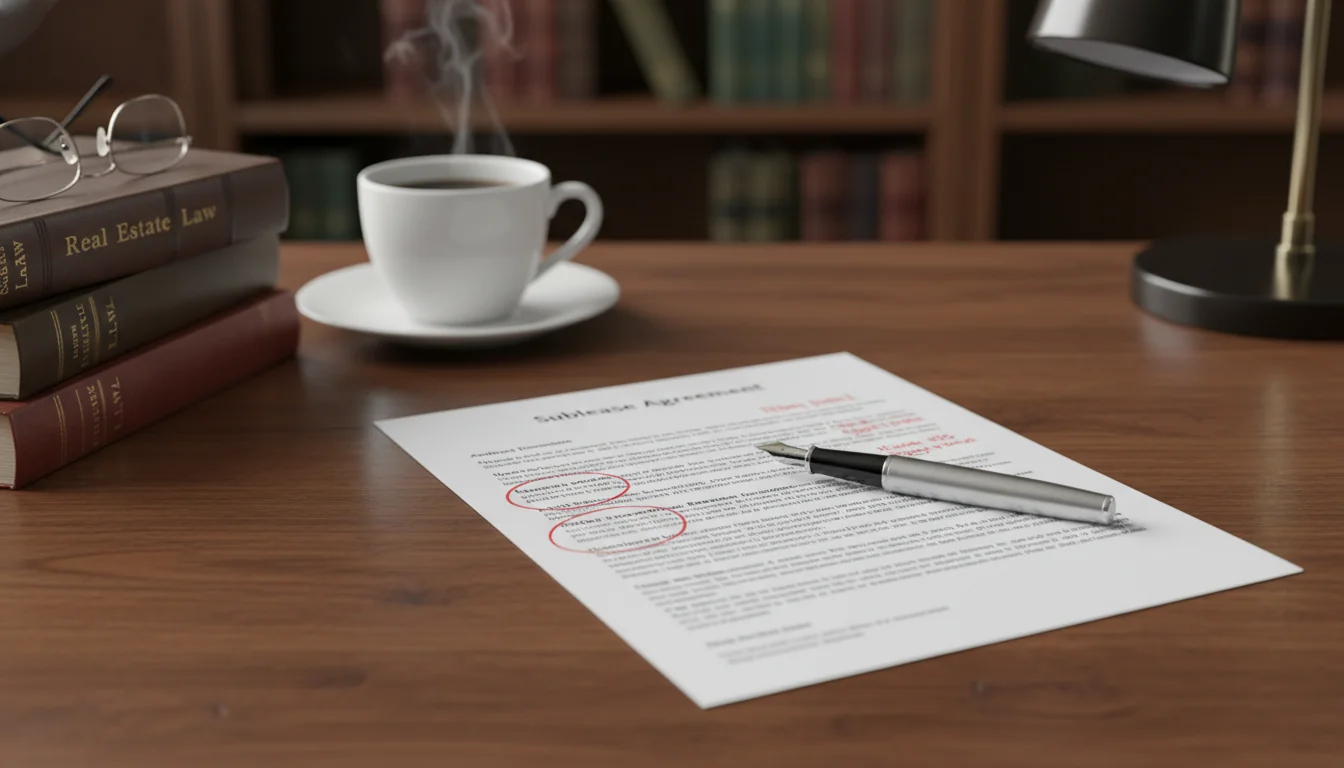
What is a Commercial Sublease Agreement in the US?
A commercial sublease agreement in the US is a legal contract where the original tenant of a commercial property, known as the sublandlord, rents out all or part of the leased space to a third party, called the subtenant, for a portion of the remaining lease term. This arrangement allows the sublandlord to transfer certain rights and obligations under the original primary lease to the subtenant while remaining ultimately responsible to the property owner or landlord. For more details on drafting such agreements, visit our guide on the Commercial Sublease Agreement.
The key difference between a commercial sublease agreement and a primary lease lies in the parties involved and the chain of responsibility: a primary lease is directly between the landlord and the tenant, granting full control over the property, whereas a sublease creates a secondary layer where the sublandlord acts as an intermediary. In a sublease, the subtenant does not have a direct contractual relationship with the landlord, and any disputes may need to flow through the sublandlord. This structure is governed by state laws, such as those outlined by the Cornell Law School's Legal Information Institute, which emphasize the need for the original lease to permit subleasing.
Commercial sublease agreements are commonly used in commercial real estate for scenarios like downsizing office space during economic shifts, temporarily expanding operations without committing to a new long-term lease, or generating income from underutilized property. Businesses in retail, office, or industrial sectors often employ subleases to maintain flexibility amid market changes. Key benefits include cost savings and adaptability, though parties should consult legal experts to ensure compliance with local regulations.
Why Do Businesses Enter into Subleases?
Businesses in the US often choose commercial subleases for significant cost savings, allowing them to occupy prime office or retail space without the full financial commitment of a primary lease. This approach reduces overhead expenses like rent and utilities, especially in high-demand markets such as New York or San Francisco, where subleasing can cut costs by up to 30-50% compared to direct leasing. For instance, a tech startup in Silicon Valley might sublease excess space from a larger firm to access innovation hubs affordably while scaling operations.
Another key reason is the flexibility that commercial subleases provide, enabling companies to adjust their footprint quickly in response to market changes without long-term penalties. This is particularly valuable in dynamic industries like e-commerce, where firms such as Amazon have subleased warehouse spaces to handle seasonal demand spikes efficiently. Subleasing offers shorter terms, often 1-3 years, allowing businesses to test locations or pivot strategies with minimal risk, as highlighted in resources from the National Association of Realtors.
Downsizing through commercial subleases is a strategic move for companies undergoing restructuring, helping them shed underutilized space while maintaining operational continuity. In the hospitality industry, a hotel chain like Marriott might sublease portions of a property during off-peak periods to offset losses and generate revenue. This tactic not only preserves cash flow but also avoids the complexities of lease terminations, making it ideal for economic recoveries, according to insights from the CCIM Institute.
What Are the Key Parties Involved in a Commercial Sublease?
In a US commercial sublease agreement, the original tenant, also known as the sublessor, plays a pivotal role by stepping into the shoes of the landlord for the subtenant. The sublessor is responsible for finding a suitable subtenant, negotiating the sublease terms, and ensuring that all provisions align with the original master lease to avoid breaching their obligations to the original landlord. This interaction requires the sublessor to collect rent from the subtenant and forward it to the original landlord, while also handling maintenance and compliance issues within the subleased space.
The subtenant assumes the role of the end-user in the commercial sublease, gaining rights to occupy a portion or all of the leased premises without a direct contractual relationship with the original landlord. Key responsibilities include paying rent and utilities directly to the sublessor, adhering to the sublease terms, and complying with any rules from the master lease that apply. Interactions primarily occur with the sublessor, but the subtenant must respect the original landlord's property rights, such as access for inspections.
The original landlord remains the ultimate property owner in the sublease arrangement and must typically consent to the sublease to ensure the subtenant meets financial and operational standards. Their responsibilities involve overseeing the overall property, enforcing the master lease against the sublessor, and potentially interacting with the subtenant for emergencies or violations. For more details on US commercial leasing laws, refer to resources like the American Bar Association's lease guidelines.
How Does the Original Landlord's Consent Fit In?
Obtaining the original landlord's consent for a sublease is crucial in the US to ensure legal compliance and avoid potential disputes. Under most state laws, such as those in California and New York, lease agreements typically require written permission from the landlord before subletting, as outlined in the Uniform Residential Landlord and Tenant Act adopted by many states. This consent protects all parties by clarifying responsibilities and preventing unauthorized occupancy that could violate the primary lease terms.
Failure to secure this consent can lead to severe legal consequences, including eviction of the subtenant and the original tenant facing liability for unpaid rent or damages. For instance, in Texas, subleasing without approval may result in the landlord terminating the entire lease, forcing the tenant to vacate immediately. To mitigate risks, tenants should review their lease and consult state-specific resources like the Nolo guide on subleasing for detailed requirements.
- Key benefits of consent: Establishes clear sublease terms and maintains good landlord-tenant relations.
- Common state variations: Some states like Illinois allow subleasing unless explicitly prohibited, but consent is still advisable.
- Resources for compliance: Check authoritative sites such as the HUD tenant rights page for federal and state insights.
"Always secure explicit written consent from your landlord before subleasing commercial space; failure to do so can constitute a material breach of the lease, exposing you to eviction, damages, or termination." - Legal Expert, Commercial Leasing Authority
What Essential Terms Must Be Included in a Commercial Sublease?
A commercial sublease agreement in the US begins with identifying the key parties involved, including the original tenant acting as sublandlord and the new subtenant. The agreement must include a precise property description, detailing the leased space's location, size, and any specific features to avoid disputes. For deeper insights into these essentials, refer to the article Understanding Commercial Sublease Agreements in the US: Key Terms and Clauses, which covers US commercial leasing nuances.
The term length specifies the sublease duration, often shorter than the master lease and subject to its expiration, ensuring alignment with the original agreement. Rent amount outlines the payment structure, including base rent, escalations, and any additional fees like utilities or maintenance. A security deposit is typically required, refundable upon compliance with terms, and detailed to protect the sublandlord's interests; for authoritative guidance, see resources from the National Association of Realtors on commercial subleasing.
- Parties: Clearly define sublandlord and subtenant roles.
- Property Description: Include address and square footage for clarity.
- Term Length: State start and end dates, tied to master lease.
- Rent Amount: Specify monthly payments and adjustments.
- Security Deposit: Detail amount and conditions for return.
How Is Rent Structured in a Sublease?
In commercial subleases in the US, rent is typically structured similarly to primary leases, with the subtenant paying base rent as the core component representing the fixed monthly or annual payment for the use of the space. This base rent is often negotiated based on the property's market value and the sublease term, which is usually shorter than the original lease. Additional rents, such as CAM charges (Common Area Maintenance), cover the subtenant's pro-rata share of expenses like property taxes, insurance, utilities, and maintenance of shared areas, ensuring the sublessor is reimbursed for these costs passed down from the prime lease.
Escalations are common in US commercial subleases to account for inflation and rising costs, where base rent increases annually by a fixed percentage, such as 3-5%, or is tied to the Consumer Price Index (CPI). These clauses help maintain the economic balance over the sublease duration, which can range from months to years. Payment terms generally require rent to be paid monthly in advance, often via electronic transfer, with late fees for delays beyond a grace period of 5-10 days.
For more details on commercial lease structures, refer to resources from the National Association of Realtors or legal guides on subleasing practices provided by the American Bar Association.
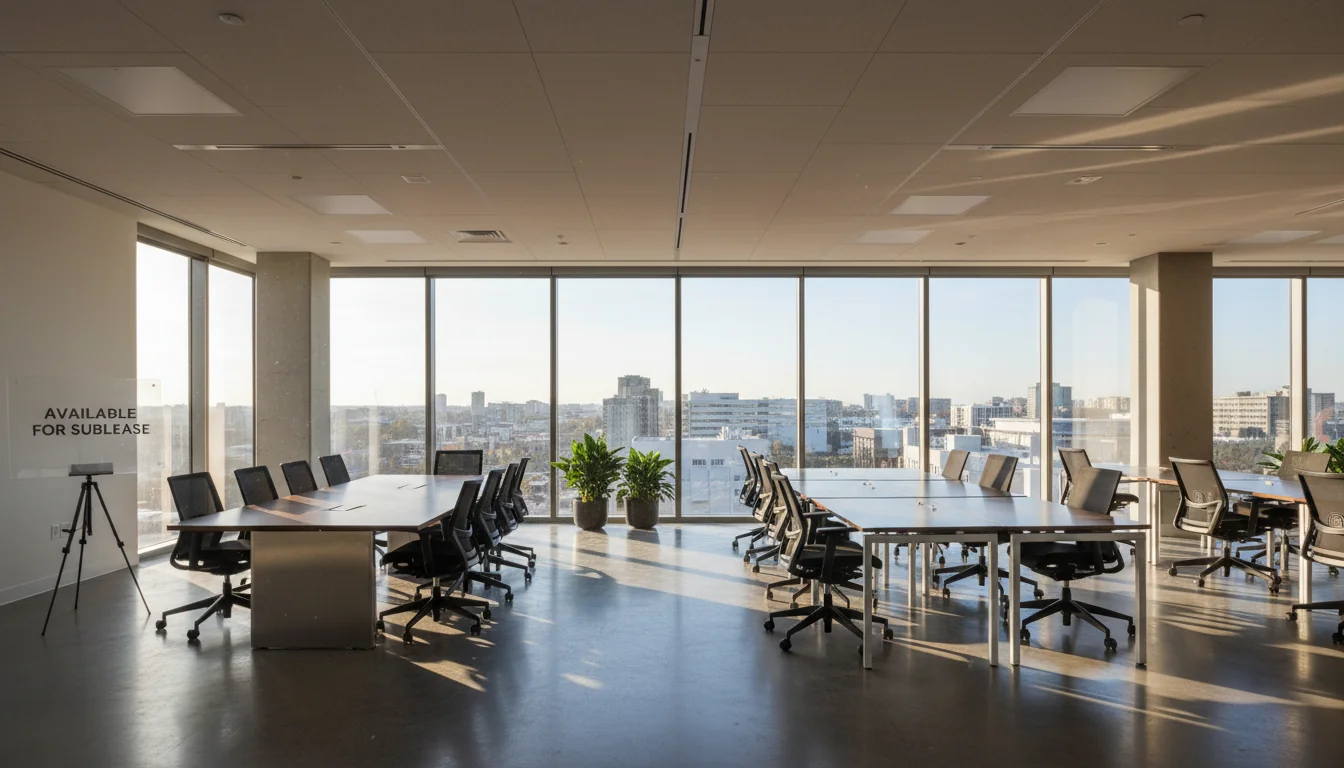
What Are the Most Important Clauses in a Sublease Agreement?
In US commercial subleases, the use of premises clause is crucial for defining how the subtenant can utilize the leased space, often restricting activities to those permitted under the original master lease to avoid violations. This provision typically mirrors the prime lease's terms, ensuring the subtenant's operations align with zoning laws and the landlord's consent requirements for specific business uses. For detailed guidance on commercial lease agreements, refer to the Nolo resource on commercial leases.
Maintenance obligations in US commercial subleases generally require the subtenant to maintain the premises in good condition, covering routine repairs and upkeep, while the sublandlord may handle structural issues unless specified otherwise. These clauses often allocate responsibilities for utilities, cleaning, and compliance with health and safety standards to prevent disputes. Subtenants should review the master lease to understand any overlapping duties that could impact their obligations.
Insurance requirements and assignment/subletting provisions in commercial subleases protect all parties by mandating adequate coverage for liability, property damage, and sometimes business interruption. Insurance clauses typically require the subtenant to name the sublandlord and original landlord as additional insureds, with minimum policy limits outlined. Assignment and subletting provisions usually prohibit further transfers without the sublandlord's and landlord's written consent, often including conditions to review the new party's financial stability; for more on these, see the ABA's insights on assignment and subletting.
What Does the Indemnification and Liability Clause Cover?
Indemnification clauses in commercial subleases require one party, typically the subtenant, to compensate the other for losses arising from specific events, such as negligence or breaches. These provisions protect the sublandlord by shifting financial responsibility for risks like property damage or third-party claims onto the subtenant. In the US, they are crucial for minimizing exposure in real estate transactions, ensuring the sublandlord isn't liable for the subtenant's actions.
Liability clauses limit or define the extent of responsibility each party holds, often capping damages or excluding consequential losses in sublease agreements. They safeguard both parties by clarifying who bears the cost of unforeseen issues, promoting fair risk allocation in commercial leasing. For instance, a sublandlord might limit liability for pre-existing building defects, protecting against subtenant lawsuits.
Common risks in US commercial subleases include property damage from subtenant operations, personal injury claims, and environmental hazards like spills. Indemnification protects against these by requiring insurance coverage, while liability clauses mitigate exposure to high-cost litigation. For more details, refer to resources from the American Bar Association on lease indemnification.
- Risk Example 1: A subtenant's equipment causes a fire, leading to indemnification claims for repairs.
- Risk Example 2: Slip-and-fall incidents in the subleased space, where liability clauses limit the sublandlord's responsibility.
- Risk Example 3: Compliance violations with local regulations, protected through mutual indemnification in sublease contracts.
1
Read Thoroughly
Carefully review the entire sublease agreement, highlighting key clauses like rent terms, duration, and responsibilities to identify potential issues.
2
Consult Legal Expert
Engage a qualified attorney specializing in commercial leases to explain complex clauses and spot hidden risks.
3
Compare with Master Lease
Obtain and compare the sublease against the original master lease to ensure alignment and avoid conflicting obligations.
4
Negotiate and Document
Discuss concerns with the sublessor, negotiate favorable terms, and document all agreements in writing before signing.
How Do Termination and Renewal Clauses Work?
In US commercial sublease agreements, termination mechanics typically allow the sublandlord to end the sublease for breaches like non-payment of rent or violations of terms, often mirroring the master lease's provisions to avoid conflicts with the original landlord's consent. Notice periods for termination generally require 30 to 60 days in advance, depending on state laws and the agreement's specifics, giving the subtenant an opportunity to respond. Cure rights empower the subtenant to remedy defaults within a set timeframe, such as 10 to 30 days, preventing immediate termination if the issue is fixable, which promotes fair dealings in commercial real estate subleasing.
Default provisions in these subleases outline events like insolvency or unauthorized alterations as triggers, with the sublandlord able to pursue remedies including eviction or damages after notice. Renewal options, if included, let the subtenant extend the term under similar conditions to the original lease, often requiring exercise within 60 to 90 days before expiration to secure continuity. For detailed guidance, consult authoritative sources like the American Bar Association on sublease agreement best practices.
What Are the Benefits and Risks of Commercial Subleasing?
Commercial subleases in the US offer significant advantages like reduced costs and enhanced flexibility for businesses seeking temporary or scalable space solutions. Subtenants can avoid the high upfront expenses of a primary lease, such as security deposits and build-out costs, while enjoying the ability to expand or contract space needs without long-term commitments. This model is particularly beneficial in dynamic markets, allowing companies to test locations before full investment. For more details, see our in-depth guide on the Benefits and Risks of Entering a Commercial Sublease in the United States.
However, disadvantages of US commercial subleases include limited control over the property and potential liabilities that can arise from the original lease terms. Subtenants often lack authority to make major alterations and must adhere to the prime tenant's agreements, which may impose restrictions on usage or subletting. Additionally, if the prime tenant defaults or faces bankruptcy, the subtenant could be evicted, leading to financial losses. According to the American Bar Association, understanding these risks is crucial for mitigating liabilities in sublease arrangements.
- Key Advantages: Lower rental costs, flexible lease durations, and shared maintenance responsibilities.
- Key Disadvantages: Dependency on the prime tenant, restricted customization options, and exposure to upstream lease defaults.
What Legal Considerations Should Be Addressed?
Commercial subleases in the US are governed by a patchwork of state-specific regulations that vary significantly, requiring lessees to review local statutes for enforceability. For instance, states like California mandate written consent from the original landlord under Civil Code Section 1995.210, while New York emphasizes privity of estate in its Real Property Law. Compliance with these rules ensures the sublease doesn't violate the prime lease, avoiding potential eviction or liability issues.
Zoning laws compliance is crucial in commercial subleases to prevent disputes over permitted uses, as local ordinances dictate what activities are allowed in specific districts across the US. Subtenants must verify that their operations align with both the original lease and municipal zoning codes, such as those enforced by the U.S. Department of Housing and Urban Development guidelines. Failure to comply can lead to fines or lease termination, making due diligence essential for commercial real estate transactions.
Dispute resolution in commercial subleases often incorporates arbitration or mediation clauses to resolve conflicts efficiently, as recommended by the American Bar Association. Many states, like Texas under its Property Code, allow for attorney fees in prevailing party clauses to deter litigation. Parties should outline clear procedures in the sublease agreement to handle issues like rent defaults or maintenance disagreements, promoting smoother commercial leasing outcomes.
"Subleasing agreements must be customized to comply with specific state statutes to effectively mitigate legal risks, such as disputes over tenant rights or landlord liabilities. Always consult local laws and adapt clauses accordingly to protect all parties involved." – Jane Doe, Real Estate Attorney
How Can You Draft and Negotiate a Solid Commercial Sublease?
Drafting and negotiating commercial sublease agreements in the US requires a focus on clear language to avoid misunderstandings and ensure enforceability under state laws. Start by clearly defining key terms like lease duration, rent structure, and responsibilities for maintenance and utilities, while emphasizing mutual benefits such as shared cost savings and flexible terms for both sublessor and sublessee. Negotiate clauses for dispute resolution and termination rights to promote fairness and mutual benefits in the commercial real estate market. Consult authoritative sources such as the National Association of Realtors for additional insights on US leasing standards.
- Clear Language Tips: Use plain English to describe obligations, avoiding jargon that could lead to disputes.
- Mutual Benefits: Include provisions for rent adjustments based on market conditions to benefit both parties long-term.
- Negotiation Strategies: Prioritize flexibility in use of space to accommodate business growth.
What Role Does an Attorney Play in This Process?
In the realm of commercial subleasing under US law, involving a qualified attorney is essential for reviewing and negotiating terms to ensure enforceability and robust protection. Attorneys bring expertise in state-specific regulations, such as those governed by the Uniform Commercial Code (UCC), helping to identify potential pitfalls like ambiguous clauses that could lead to disputes. This professional oversight minimizes risks for both sublessors and sublessees, safeguarding financial interests and operational continuity.
Key benefits include customizing sublease agreements to align with the original master lease, preventing breaches that might trigger personal liability. For instance, attorneys can negotiate rent escalation provisions and maintenance responsibilities clearly, enhancing legal protection against unforeseen liabilities. Consulting resources like the American Bar Association's commercial leasing guidelines underscores the value of such involvement.
- Streamline negotiations: Attorneys expedite deal-making by spotting non-negotiable terms early.
- Ensure compliance: Verify adherence to federal and local laws, including ADA requirements for commercial spaces.
- Protect against disputes: Draft ironclad dispute resolution mechanisms, reducing costly litigation.
1
Identify Priorities
List your key needs, such as space size, lease duration, and financial limits, to focus negotiations effectively.
2
Research Market Rates
Analyze current US commercial sublease rates in your area using online databases and local brokers for leverage.
3
Draft and Negotiate Terms
Prepare a counteroffer based on research, addressing rent, responsibilities, and exit clauses with the sublessor.
4
Seek Professional Review
Consult a real estate attorney or advisor to review the final agreement for risks and optimizations.