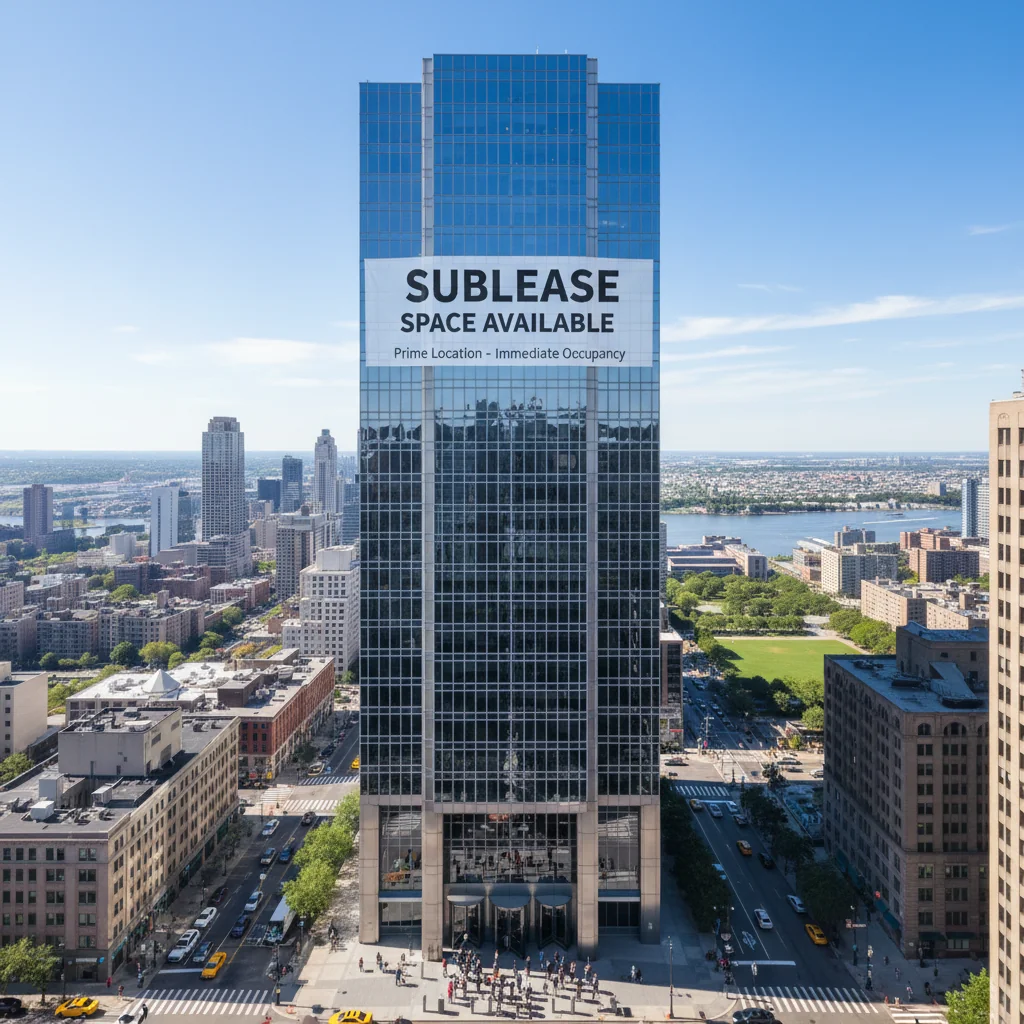
What Is a Commercial Sublease Agreement and Why Is It Important in the US?
A commercial sublease agreement is a legal contract that allows a tenant (sublessor) of commercial property to lease out a portion or all of the rented space to another party (sublessee) while still remaining responsible to the original landlord. This arrangement is common in the US commercial real estate market, where businesses often need flexible space solutions without terminating their primary lease. For more details on drafting one, visit our Commercial Sublease Agreement page.
In the dynamic US commercial real estate market, sublease agreements play a vital role by enabling companies to manage excess space, reduce costs, and adapt to changing business needs amid economic shifts. According to the CBRE reports, subleasing activity has surged in recent years, helping to stabilize vacancy rates in office and retail sectors. This flexibility supports market liquidity and innovation for tenants seeking short-term or partial occupancy.
Understanding a commercial sublease agreement is legally crucial for both sublessors and sublessees to avoid disputes, ensure compliance with the master lease, and protect financial interests under US laws like those governed by state-specific statutes. Sublessors must review clauses on consent from the landlord, while sublessees should verify terms on rent, maintenance, and termination to mitigate risks. Proper knowledge prevents costly litigation and fosters secure business relationships.
"Clear and comprehensive sublease terms are essential in US commercial leasing to prevent disputes over responsibilities, liabilities, and rights between original tenants, subtenants, and landlords. Always consult an attorney to draft or review these provisions for compliance and protection."
What Are the Key Legal Requirements for Drafting a Commercial Sublease in the US?
Drafting a commercial sublease agreement in the US requires adherence to essential legal requirements that vary by state, ensuring compliance with both federal and local laws. The sublease must not violate the terms of the original master lease, meaning the sublessor cannot grant rights they do not possess under the primary agreement. Always consult state-specific statutes, such as those governing landlord-tenant relations in California or New York, to avoid invalidating the sublease.
Key clauses in a commercial sublease agreement include details on rent payments, term length, maintenance responsibilities, and use of the premises, all tailored to the business context. The agreement should explicitly address sublease consent from the original landlord, as many leases require written approval to prevent disputes. For deeper insights into key terms and clauses, explore our guide: Understanding Commercial Sublease Agreements in the US: Key Terms and Clauses.
To ensure legal compliance, include provisions for insurance, indemnification, and termination rights, while referencing authoritative resources like the American Bar Association's commercial leasing guidelines. State laws may mandate disclosures about property conditions or environmental hazards in commercial spaces. Bullet-pointed essentials for drafting include:
- Verify original lease permissions for subletting to maintain validity.
- Specify rent and security deposits clearly to prevent financial conflicts.
- Outline dispute resolution mechanisms, such as mediation, per state rules.
- Include signatures from all parties, including the master landlord if required.
How Do State Laws Affect Sublease Agreements?
Varying state laws in the US significantly impact commercial sublease agreements by dictating terms like consent requirements, liability, and termination rights, making it essential for businesses to navigate these differences for compliance. For instance, in California, the Civil Code emphasizes tenant protections, requiring written landlord consent for subleases and prohibiting unreasonable withholding, which can complicate quick arrangements in a fast-paced market. Similarly, New York law under the Real Property Law mandates good faith consent and allows subtenants certain rights against the original tenant, while Texas provides more landlord-friendly rules with fewer restrictions on subleasing, highlighting the need for state-specific sublease clauses to avoid disputes.
The divergence in these laws underscores the importance of legal review before finalizing any commercial sublease agreement, as overlooking nuances could lead to costly litigation or invalid contracts. Businesses operating across states should consult attorneys familiar with local real estate statutes to tailor agreements accordingly. For authoritative guidance, refer to resources like the Nolo Legal Encyclopedia on commercial leases or state bar associations for in-depth state law insights.
What Are the Benefits and Risks Involved in a Commercial Sublease?
Entering a commercial sublease in the United States offers significant benefits for both sublessors and sublessees, particularly in a dynamic real estate market. For the sublessor, it provides an opportunity to offset rental costs without terminating the primary lease, allowing continued use of the space while generating income. Sublessees benefit from flexible, shorter-term occupancy options that can be more affordable than direct leases, enabling businesses to scale operations efficiently. For more details, explore the Benefits and Risks of Entering a Commercial Sublease in the United States.
However, potential risks in a commercial sublease agreement must be carefully considered to avoid legal and financial pitfalls. Sublessors risk liability for the sublessee's actions or defaults, as the original landlord may hold them accountable under the master lease terms, potentially leading to disputes or eviction. Sublessees face uncertainties like limited control over the space and the possibility of early termination if the primary lease ends, which could disrupt business continuity. According to the Nolo Legal Encyclopedia, thorough due diligence is essential for mitigating these risks in U.S. commercial real estate.
- Key Benefit: Cost savings for sublessor through revenue generation.
- Key Benefit: Flexibility for sublessee in short-term leasing.
- Key Risk: Liability exposure for sublessor on master lease obligations.
- Key Risk: Instability for sublessee due to primary lease dependencies.

How Can You Start Drafting a Commercial Sublease Agreement Legally?
1
Review Original Lease
Carefully read and understand the master lease terms, especially clauses on subletting permissions, restrictions, and landlord consent requirements.
2
Consult Professionals
Engage a real estate attorney and possibly a broker to review the lease and advise on legal compliance in your US jurisdiction.
3
Obtain Landlord Approval
Submit a formal request to the landlord for sublease consent, providing details about the proposed subtenant and terms.
4
Draft Sublease Agreement
Prepare the sublease document outlining terms like rent, duration, responsibilities, ensuring it aligns with the original lease and local laws.
What Key Clauses Should You Include in the Draft?
A commercial sublease agreement must include essential clauses to protect all parties involved, ensuring clarity on rent terms and financial obligations. Key provisions should detail the subrent amount, payment schedule, due dates, and any escalation clauses for adjustments over time, while specifying late fees and security deposits to avoid disputes. Compliance with US laws, such as those under the Uniform Commercial Code (UCC), requires these terms to be transparent and enforceable, often referencing state-specific regulations for commercial leasing.
Maintenance responsibilities form another critical section, outlining who handles repairs, utilities, and property upkeep to prevent liabilities. The subtenant typically assumes day-to-day maintenance, but the agreement should delineate responsibilities for structural issues, which often fall to the original tenant or landlord. To ensure legal compliance, include clauses aligning with federal and state laws like the Americans with Disabilities Act (ADA) for accessibility, and consult resources like the SBA's guide on commercial leases for best practices.
Termination conditions should specify notice periods, grounds for early termination, and consequences for breaches, promoting a smooth end to the sublease. Common clauses cover events like default, sublease expiration, or mutual agreement, with provisions for holdover tenants and penalties. For US legal adherence, incorporate dispute resolution methods like mediation, and refer to authoritative sources such as the Cornell Law School's Wex on commercial leases to tailor the agreement to jurisdiction-specific rules.
How Do You Handle Rent and Financial Obligations?
In structuring rent payments for a commercial sublease, it's essential to clearly define the payment schedule, amount, and method to protect both the sublessor and sublessee. Typically, rent should be paid monthly in advance, with provisions for late fees to deter delays and ensure cash flow stability. Including escalation clauses for annual increases based on market rates or CPI adjustments helps safeguard against inflation, while specifying the bank account for electronic transfers minimizes disputes.
Security deposits in a commercial sublease should be set at an amount equivalent to two to three months' rent, held in an interest-bearing escrow account to comply with legal standards and protect the original lessor's interests. The agreement must outline conditions for deductions, such as damages or unpaid rent, and a timeline for refund within 30 days post-sublease termination after inspection. This structure ensures transparency and reduces litigation risks by requiring written documentation of the deposit's condition upon receipt and return.
Other financial obligations like utilities, maintenance fees, taxes, and insurance premiums need explicit allocation in the sublease to avoid overlaps or gaps in responsibility. Use a detailed schedule or addendum to list these, with the sublessee reimbursing the sublessor proportionally if shared.
How Do You Negotiate the Sublease Agreement Effectively?
1
Review Lease Terms
Examine the proposed sublease agreement for key terms like rent, duration, responsibilities, and clauses. Identify favorable and unfavorable points.
2
Prepare Counteroffer
Draft a counteroffer addressing unfavorable terms, proposing adjustments to rent, maintenance, or termination rights based on market rates.
3
Seek Legal Advice
Consult a real estate attorney to review the sublease and counteroffer, ensuring compliance with US commercial laws and protections.
4
Negotiate and Finalize
Exchange counteroffers with the sublessor, incorporate legal feedback, and sign the agreement once terms are mutually acceptable.
What Common Mistakes Should You Avoid During Drafting and Negotiation?
One common pitfall in drafting commercial sublease agreements in the US is overlooking original lease restrictions, which can lead to invalid subleases and legal disputes. Sublessors must carefully review the master lease to ensure subleasing is permitted and identify any specific conditions, such as obtaining the landlord's consent or limitations on subtenant use. Failing to do so risks breaching the primary lease, potentially resulting in eviction or financial penalties for all parties involved.
Another frequent error is ignoring insurance requirements in commercial subleases, which exposes parties to significant liability risks. Sublease agreements should clearly outline insurance obligations, including coverage types, limits, and proof of insurance, often mirroring or expanding on the original lease's provisions. Without addressing these, subtenants might not be adequately protected, leading to uncovered losses in case of accidents or damages; for more details, refer to resources from the National Association of Realtors.
Additional pitfalls include inadequate rent escalation clauses and unclear maintenance responsibilities, which can cause disputes over costs and upkeep in US commercial subleases. Negotiators should use bullet points in agreements to specify rent adjustments tied to indices like CPI and delineate who handles repairs, utilities, and common area maintenance. Overlooking these can escalate into costly litigation, so consulting legal experts or templates from the American Bar Association is advisable for comprehensive sublease negotiation strategies.
"Always consult a lawyer before signing a sublease agreement to avoid unintended legal liabilities, financial losses, or disputes that could arise from overlooked clauses in the original lease."
How Do You Finalize and Execute the Agreement Legally?
Once the commercial sublease agreement has been drafted and negotiated, the final execution steps involve reviewing all terms for accuracy and ensuring both the sublandlord and subtenant fully understand their obligations. This process is crucial for legal compliance in US commercial real estate transactions. For detailed guidance on drafting and negotiation, refer to our article on How to Draft and Negotiate a Commercial Sublease Agreement Legally in the US.
Signing the agreement typically requires the authorized representatives of both parties to affix their signatures, often in counterparts for convenience, which legally binds the contract under state laws. Notarization may be necessary in some jurisdictions to verify identities and prevent fraud, especially for agreements involving significant financial stakes; check state-specific requirements via the National Notary Association. Bullet points summarizing key actions include:
- Review and approve all clauses to avoid disputes.
- Sign in the presence of witnesses if required by local laws.
- Notarize signatures for added authenticity in high-value deals.
- Record the document at the county level if the sublease term is over one year, per guidelines from the Rocket Lawyer resource.