What Are Remote Work Agreements in the United States?
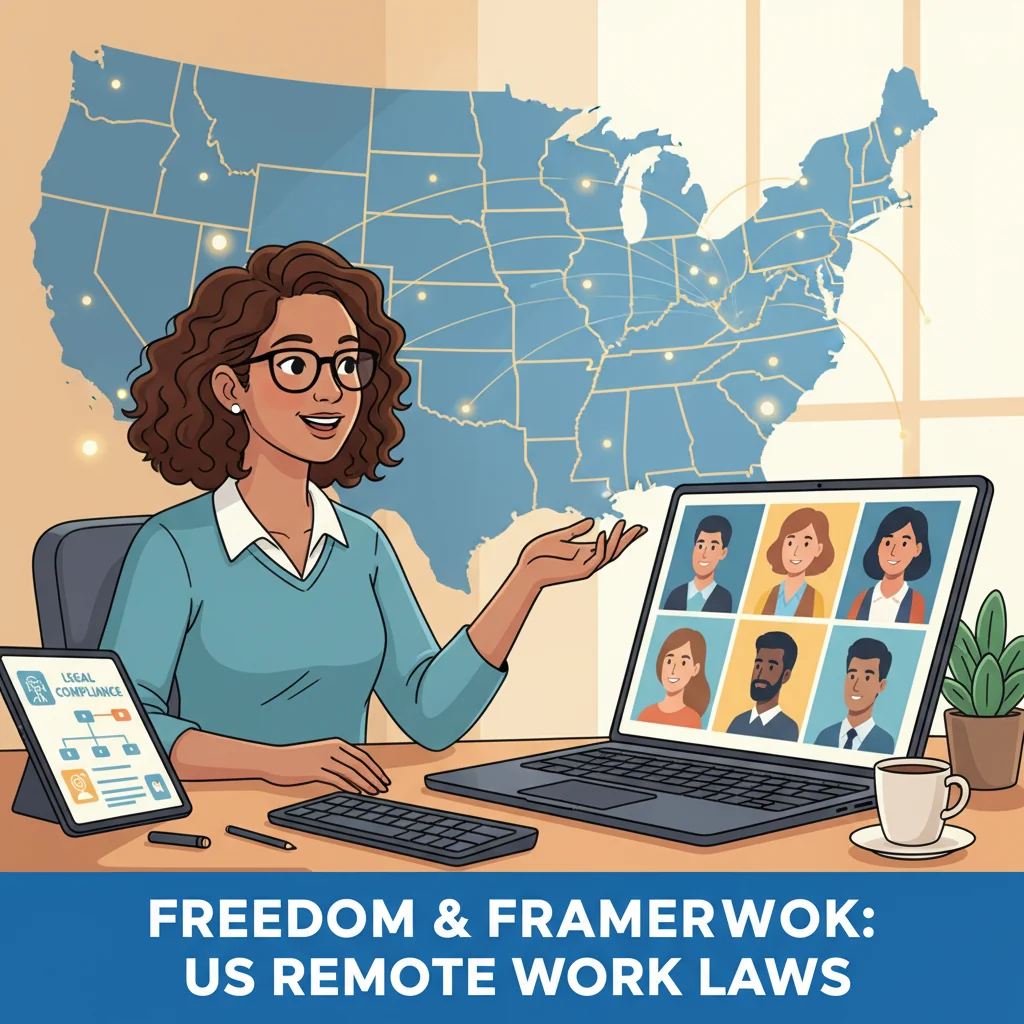
In the US context, a remote work agreement is a formal contract between employers and employees that outlines the terms and conditions for working outside traditional office settings. This agreement typically covers aspects such as work hours, communication protocols, equipment provision, and data security measures to ensure productivity and compliance. By establishing clear expectations, these agreements help mitigate risks associated with remote setups, fostering a balanced work environment for both parties.
The rise of remote work post-pandemic has significantly increased the adoption of such agreements, as companies adapted to distributed teams during widespread lockdowns. According to the U.S. Bureau of Labor Statistics, remote work arrangements surged by over 150% between 2019 and 2022, highlighting the need for structured policies. For more detailed guidance on crafting effective remote work agreements, explore our resource at Remote Work Agreement.
Key benefits of remote work agreements include enhanced flexibility for employees and reduced overhead costs for employers, while addressing legal considerations like tax implications and workers' compensation. To deepen your understanding, refer to authoritative sources such as the U.S. Department of Labor's telework guidelines. Implementing these agreements supports sustainable hybrid work models in the evolving US job market.
"Clear remote work agreements are essential for US employers and employees, as they define expectations, protect intellectual property, ensure compliance with labor laws like the FLSA, and minimize disputes over compensation and performance." - Dr. Elena Ramirez, HR Consultant
Why Have They Become Essential?
The evolution of remote work agreements in the US has accelerated dramatically since the COVID-19 pandemic, transforming from optional arrangements to essential components of modern employment. Initially driven by technological advancements like cloud computing and video conferencing, these agreements became necessary as businesses adapted to widespread lockdowns and health concerns. Today, with over 20 million Americans working remotely according to the Bureau of Labor Statistics, such agreements ensure clarity in roles, fostering remote work productivity and employee satisfaction.
Legally, remote work agreements are crucial in the US to comply with federal and state laws, including the Fair Labor Standards Act (FLSA) for wage and hour tracking, and tax implications under IRS guidelines for home office deductions. They help mitigate risks like data security breaches by outlining cybersecurity protocols and liability for equipment. Practically, these agreements address challenges such as time zone differences and work-life balance, reducing disputes and boosting retention in a competitive job market.
For a deeper dive into key elements and benefits of remote work agreements, refer to the current article at Understanding Remote Work Agreements: US Key Elements & Benefits. Additionally, explore authoritative resources like the U.S.
What Are the Key Elements of a Remote Work Agreement?
A remote work agreement is essential for defining expectations in a distributed workforce, particularly under US labor laws like the Fair Labor Standards Act (FLSA). Key components include work location, which specifies the employee's primary remote site and any requirements for occasional office visits, ensuring compliance with state-specific tax and workers' compensation rules. For instance, employees must report their home state for payroll taxes, as outlined by the IRS.
Another critical element is work hours and availability, outlining expected schedules, overtime policies, and communication protocols to maintain productivity without violating FLSA overtime exemptions for exempt employees. Equipment provision details who supplies devices like computers or software, often with employer reimbursement to avoid tax implications under IRS guidelines. Data security measures, such as VPN usage and confidentiality clauses, protect sensitive information and align with federal laws like HIPAA for healthcare-related roles.
Finally, compensation adjustments address any changes due to remote status, including potential cost-of-living differences across states, while ensuring equal pay under the Equal Pay Act. Agreements should also cover expense reimbursements for home office setups, as recommended by the Department of Labor. These elements foster clear, legally sound remote work policies tailored to US regulations.
How Do Work Schedules and Locations Factor In?
Employment agreements often specify flexible schedules to accommodate modern work-life balance needs, allowing employees to adjust hours based on productivity rather than rigid timelines. These clauses typically outline core hours for collaboration while permitting variations, such as remote work days or compressed weeks, ensuring both parties agree on expectations. This section ensures the home setup meets professional needs, often linking to tax deductions for home office expenses under IRS guidelines. For instance, California mandates stricter meal breaks than federal standards, while New York emphasizes paid sick leave; links to state-specific requirements ensure legal adherence. Bullet points below summarize key variations for legibility:
- California: Requires two 10-minute breaks for shifts over 8 hours; see California DIR for details.
- New York: Mandates paid family leave; reference NY Paid Family Leave.
- Texas: Follows federal minimums with no state overtime premiums; check Texas Workforce Commission.
What About Equipment and Reimbursement?
Under US federal guidelines, company-provided tools such as computers, software, and equipment are generally considered business property owned by the employer. Employees do not typically need to report these as personal income for tax purposes, as long as they are used exclusively for work, according to IRS rules on accountable plans. For more details, refer to the IRS Tax Topic 511 on business expenses.
Internet reimbursements fall under employee expense reimbursements, where employers can reimburse employees for home internet costs incurred for work without tax implications if properly documented. This is treated as a nontaxable reimbursement under an accountable plan, meaning the employee must substantiate the business use and return any excess funds. Key tax implications include avoiding income classification by maintaining records, as outlined in IRS Publication 463 for travel, gift, and car expenses.
Overall, tax implications for company-provided tools and internet reimbursements emphasize compliance with IRS accountable plan requirements to ensure reimbursements remain nontaxable. Failure to follow these can result in the amounts being added to the employee's taxable income, potentially increasing their tax liability. Businesses should consult IRS Publication 463 for comprehensive guidance on deductible employee expenses.
What Benefits Do Remote Work Agreements Offer Employers and Employees?
Remote work has revolutionized the modern workplace, offering significant benefits like increased productivity for employees and employers alike. According to a 2023 Stanford University study, remote workers experienced a 13% boost in productivity compared to their in-office counterparts, largely due to fewer distractions and flexible schedules. This surge in efficiency translates to higher output without additional resources, making remote work a key driver in today's hybrid work trends.
Employers also reap substantial cost savings through remote work arrangements, reducing overhead expenses like office space and utilities. The U.S. Bureau of Labor Statistics reports that companies saved an average of $11,000 per employee annually by adopting remote policies post-2020, with real estate costs dropping by up to 30% for many firms. These savings allow businesses to reinvest in innovation and employee development, enhancing overall competitiveness in the digital economy. For more details, see the BLS report.
From an employee's perspective, remote work promotes better work-life balance, leading to improved job satisfaction and reduced burnout. A 2022 Gallup survey found that 54% of remote workers in the US reported higher life satisfaction, attributing it to shorter commutes and more family time, which cuts daily stress levels significantly. This balance not only boosts mental health but also lowers turnover rates, benefiting both workers and organizations in the long term.
"Embracing remote work agreements is essential for retaining top talent in the US job market, where 87% of professionals prioritize flexibility according to recent Gallup surveys. Leaders should proactively offer these options to reduce turnover by up to 25%, as evidenced by McKinsey reports on hybrid models."
– Satya Nadella, CEO of Microsoft
How Do They Support Legal Compliance?
Remote work agreements are essential for navigating US labor laws, particularly in defining employee classifications and compliance with overtime rules under the Fair Labor Standards Act (FLSA). These agreements clarify expectations for work hours, ensuring that non-exempt employees receive overtime pay at 1.5 times their regular rate for hours worked over 40 in a workweek, regardless of location. By outlining tracking methods for remote hours, such agreements help employers avoid penalties and maintain legal adherence across states.
Workers' compensation requirements vary by state, and well-drafted remote work agreements address coverage for home-based injuries by specifying reporting procedures and applicable state laws. For instance, agreements can mandate that employees notify employers immediately of work-related incidents to facilitate claims under state-specific workers' compensation insurance policies. This proactive approach minimizes disputes and ensures protection for both parties, as detailed in the Legal Requirements for Remote Work Agreements Across US States.
To further enhance compliance, consider consulting authoritative sources like the US Department of Labor for FLSA guidelines or state labor departments for localized rules. Using bullet points in agreements can improve clarity on key obligations:
- Overtime eligibility: Specify exempt vs. non-exempt status to comply with federal and state overtime mandates.
- Workers' compensation: Detail coverage for remote injuries and state-specific filing requirements.
- Remote work policies: Include provisions for equipment reimbursement and data security to align with emerging labor regulations.
How Can US Employers Draft an Effective Remote Work Agreement?
1
Review Legal Needs
Assess applicable US employment laws, including wage, safety, and tax regulations for remote workers in different states.
2
Consult Templates
Research and select reliable remote work agreement templates tailored for US employers to use as a starting point.
3
Customize Terms
Adapt the template to include specific company policies, employee responsibilities, and remote work expectations.
4
Obtain Legal Review
Have the customized agreement reviewed by a legal professional. For guidance, see: /en-us/a/draft-effective-remote-work-agreement-template-us-employers
What Common Pitfalls Should Be Avoided?
One frequent mistake in drafting legal documents, such as contracts or business agreements, is overlooking state-specific taxes and regulations, which can lead to unexpected liabilities or invalid clauses. For instance, failing to account for varying sales tax rates or income tax implications across states might result in penalties during audits. To mitigate this, always consult state tax guides from authoritative sources like the IRS State Tax Information page and engage a local attorney for jurisdiction-specific advice.
Another common error involves neglecting cybersecurity provisions in digital-age agreements, leaving parties vulnerable to data breaches and non-compliance with laws like GDPR or CCPA. This oversight often stems from assuming generic templates suffice without tailoring to modern risks such as data encryption or breach notification requirements. Bullet points can break down steps effectively:
- Research jurisdiction-specific rules using official government sites.
- Integrate cybersecurity audits into the drafting process.
- Seek peer reviews or legal software tools for comprehensive checks.
This approach not only avoids pitfalls but also builds trust in your legal document drafting practices.