What Should You Consider Before Starting Negotiations for a Retail Lease?
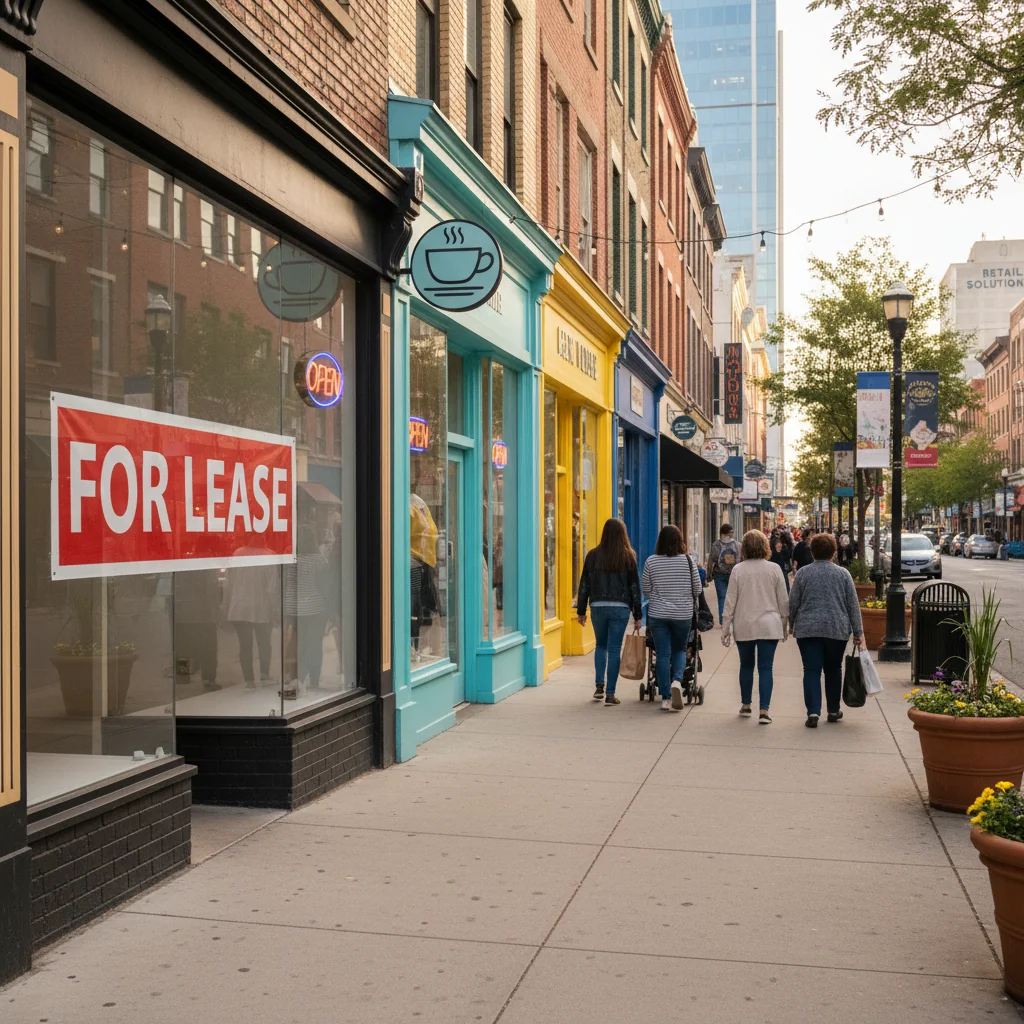
Negotiating a retail lease agreement in the United States requires thorough preparation to ensure your business thrives in a competitive market. Key factors like location, budget, and alignment with your business goals play a crucial role in securing favorable terms that support long-term success. By understanding these elements upfront, you can avoid costly pitfalls and maximize the value of your retail space investment.
Start by evaluating prime retail locations that drive foot traffic and match your target audience, while carefully assessing your budget to cover rent, utilities, and potential escalations. Aligning the lease with your business goals, such as expansion plans or seasonal demands, helps in negotiating clauses that offer flexibility. For deeper insights into essential key terms and clauses, explore our guide on Understanding Retail Lease Agreements in the United States.
Resources from authoritative sources like the U.S.
1
Research Market Rates
Analyze comparable retail leases in the area to understand current rental rates, terms, and concessions. Use real estate reports and local listings for accurate data.
2
Assess Financial Readiness
Review your budget, cash flow projections, and funding sources. Calculate affordability of rent, utilities, and potential build-out costs to ensure sustainability.
3
Consult Professionals
Engage a real estate attorney and accountant to review lease implications. Get advice on key clauses and tax considerations before negotiations.
4
Define Negotiation Goals
Outline must-haves like lease length, rent escalations, and renewal options. Prioritize flexibility for your business needs and set fallback positions.
How Do You Understand the Key Terms in a Retail Lease Agreement?
A retail lease agreement in the US is a crucial legal document that outlines the terms under which a landlord rents commercial space to a tenant for retail operations. Essential components include the identification of parties, a detailed description of the leased premises, and the rent structure, which often features base rent plus additional charges like common area maintenance (CAM) fees or percentage rent based on sales. For more details, refer to the Retail Lease Agreement page.
The lease term specifies the duration of the rental period, typically ranging from 5 to 10 years for retail spaces, with options for renewal or extension to provide stability for business planning. Common clauses cover use restrictions to ensure the space is used only for approved retail activities, maintenance responsibilities divided between landlord and tenant, and insurance requirements to protect against liabilities. These elements help mitigate risks and are influenced by state-specific laws, as outlined by authoritative sources like the Nolo Legal Encyclopedia.
Additional standard provisions in a retail lease agreement include clauses on assignment and subletting, which control whether the tenant can transfer the lease; default and remedies for breaches; and termination conditions, such as early exit penalties. Bullet points below summarize key common clauses for quick reference:
- Exclusive Use Clause: Prevents the landlord from leasing nearby space to direct competitors.
- Operating Expense Pass-Through: Allows tenants to share in rising costs like taxes and utilities.
- Signage Rights: Details permissions for business signage to attract customers.
- Alterations and Improvements: Governs tenant modifications to the property.
"Before signing any lease, thoroughly review every term and condition to prevent expensive pitfalls down the line." - Jane Smith, Real Estate Attorney
What Are the Most Negotiable Clauses?
In retail lease agreements for US businesses, clauses like rent escalations are often highly negotiable to ensure long-term affordability. For instance, tenants might negotiate fixed annual increases instead of percentage-based hikes tied to the Consumer Price Index (CPI), which can lead to unpredictable costs. This flexibility is crucial for small retail operations, such as boutique stores in urban areas like New York or Los Angeles, where market volatility affects budgeting.
Maintenance responsibilities in commercial retail leases represent another key area open to negotiation, balancing obligations between landlords and tenants. A common example is shifting the burden of minor repairs, like HVAC servicing, from the tenant to the landlord, especially in triple net (NNN) leases prevalent in the US. Negotiating these terms can reduce unexpected expenses for businesses, and resources like the National Association of Realtors provide guidance on best practices for such discussions.
- Rent Escalation Negotiation Tip: Propose caps on increases to protect against inflation spikes, as seen in leases for shopping centers across California.
- Maintenance Clause Adjustment: Include clauses for landlord-funded structural repairs, common in leases for strip malls in Texas, to minimize tenant liability.
What Strategies Can You Use to Negotiate Effectively?
1
Build Rapport with Landlord
Initiate friendly communication to establish trust. Discuss mutual goals and concerns early to foster a collaborative negotiation environment.
2
Research and Prepare Counteroffers
Analyze lease terms thoroughly. Prepare data-backed counteroffers on rent, duration, and concessions to negotiate effectively.
3
Seek Legal Advice
Consult a real estate attorney to review the lease. Ensure all terms are fair and protect your interests before signing.
4
Document and Finalize Agreement
Record all negotiated points in writing. Review the final lease with your lawyer to confirm compliance and clarity.
Negotiating retail leases in the US requires leveraging market data to strengthen your position, such as analyzing current vacancy rates and comparable lease rates in the local area through resources like the International Council of Shopping Centers (ICSC) reports. Timing the negotiation is crucial; aim to start discussions several months before your current lease expires or when market conditions favor tenants, like during economic downturns with high vacancies. By presenting data-backed arguments, you can negotiate lower rents or better terms, enhancing your retail lease agreement outcomes.
Common strategies include requesting concessions like rent abatements or tenant improvement allowances, supported by evidence from similar US commercial real estate deals. For more insights on avoiding mistakes, explore our guide on Common Pitfalls in Retail Lease Agreements and How to Avoid Them in the United States. Always consult authoritative sources such as the ICSC for up-to-date retail leasing trends to inform your tactics.
- Leverage data: Use tools like CoStar for accurate market comparables to justify lower rates.
- Time wisely: Negotiate in off-peak seasons when landlords are more flexible.
- Seek expert advice: Engage a real estate attorney to review clauses and prevent oversights.
How Do You Handle Common Objections from Landlords?
In retail lease negotiations, addressing landlord concerns about security deposits is crucial for building trust and securing favorable terms. Landlords often worry about potential damages or unpaid rent, so tenants should propose a reasonable deposit amount, such as three to six months' rent, backed by a strong financial statement. Tenants can alleviate these by providing detailed plans, including budgets and contractor qualifications, to ensure improvements align with the landlord's vision for the space. For better commercial real estate outcomes, suggest shared funding models like TI allowances, and refer to authoritative sources such as the International Council of Shopping Centers for best practices.
Overall, effective retail leasing strategies involve proactive communication to resolve these concerns, fostering long-term partnerships. Use bullet points in proposals for clarity:
- Security Deposits: Negotiate caps and renewal options to limit exposure.
- Tenant Improvements: Include warranties and approval clauses to protect both parties.
By focusing on mutual benefits, negotiations can lead to sustainable retail space leases.
What Role Does Legal Review Play in Finalizing the Agreement?
Having a lawyer review your retail lease agreement is crucial before signing, especially in the US where commercial real estate laws vary by state. This step helps identify hidden clauses that could expose your business to financial risks, such as unexpected rent escalations or maintenance obligations. By involving legal expertise early, you can negotiate more favorable terms and avoid costly disputes down the line.
Potential risks in US retail leases include personal liability for business owners, ambiguous language on lease renewals, and penalties for early termination, which might not be immediately obvious without professional scrutiny. For instance, some leases impose strict exclusive use clauses that limit your operations or favor competitors. Consulting a lawyer ensures compliance with federal and state regulations, like those under the Americans with Disabilities Act (ADA), protecting your investment in commercial property.
For more detailed guidance on negotiating a retail lease agreement for your US business, read our current article How to Negotiate a Retail Lease Agreement for Your Business in the US. Additionally, refer to authoritative resources like the National Association of Realtors for insights on commercial leasing best practices. This preparation can significantly enhance your retail lease negotiation strategies and long-term business success.
1
Review for Ambiguities
Carefully read the lease to identify unclear terms, inconsistencies, or gaps in provisions that could lead to disputes.
2
Assess Key Clauses
Evaluate critical sections like rent, maintenance, termination, and renewal for fairness and compliance with laws.
3
Negotiate Amendments
Discuss identified issues with the landlord and propose specific changes to protect your interests.
4
Finalize Documentation
Incorporate agreed amendments into the lease and obtain legal sign-off before execution.