What Are the Essential Parties and Premises Details in a Commercial Lease Agreement?
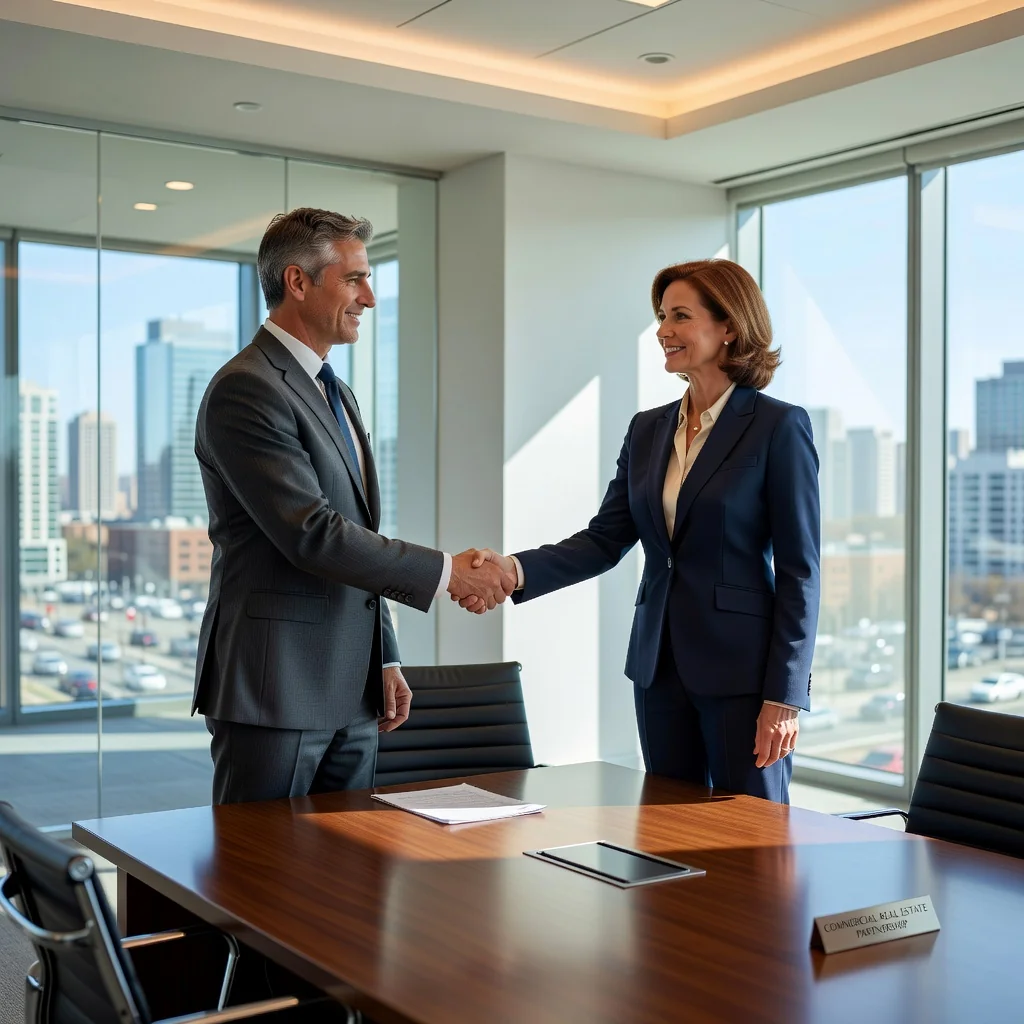
In a US commercial lease agreement, clearly defining the parties involved, such as the landlord and tenant, is crucial to establish legal identities and responsibilities, preventing misunderstandings that could lead to disputes. Accurate identification includes full legal names, addresses, and contact information for both parties, ensuring enforceability under state laws. For more details on drafting such agreements, visit our Commercial Lease Agreement page.
Describing the leased premises accurately is equally important in a commercial lease, as it specifies the exact property boundaries, square footage, and any included amenities to avoid conflicts over usage rights. Vague descriptions can result in disputes regarding access, maintenance, or expansion, potentially leading to costly litigation. To ensure precision, include a detailed address, floor plans, or legal descriptions from property records, as recommended by authoritative sources like the Nolo Legal Encyclopedia.
To further minimize risks, incorporate the following best practices when defining the leased premises:
- Use metes and bounds or lot/block numbers from the county assessor's records for exact boundaries.
- Specify common areas, parking spaces, and utilities to clarify shared responsibilities.
- Attach exhibits like site plans or photos to the lease for visual reference, enhancing clarity in commercial real estate transactions.
How Should the Lease Term Be Structured?
In a US commercial lease agreement, specifying the lease term is crucial for both landlords and tenants to establish clarity and predictability in their business relationship. The lease term typically includes precise start date and end date, often defined by calendar dates or events like the completion of tenant improvements, ensuring all parties understand the duration of occupancy. For practicality, landlords should include provisions for rent adjustments over the term, while tenants benefit from negotiating fixed terms that align with their business plans, such as 5-10 years for stability.
Provisions for early termination protect both parties from unforeseen circumstances, allowing tenants to exit if business needs change, often with notice periods of 30-90 days and potential penalties like forfeiture of security deposits. Extensions are commonly outlined as options for tenants to renew for additional periods, such as one or more years, with predefined rent escalations to avoid disputes. Landlords can safeguard interests by requiring written notice for extensions, while tenants should review these clauses carefully to maintain flexibility; for more details, refer to resources from the National Association of Realtors.
- Key Tip for Landlords: Always specify renewal options with market-rate adjustments to protect against below-market rents.
- Key Tip for Tenants: Negotiate break clauses for early termination without excessive fees to adapt to economic shifts.
Why Is Rent Specification Crucial in Commercial Leases?
In US commercial leases, the base rent forms the foundational component, representing the fixed monthly or annual amount tenants pay for occupying the space, often calculated per square foot and subject to negotiation based on location and market conditions. Escalation clauses are critical for landlords to adjust rent over time, typically increasing by a fixed percentage, Consumer Price Index (CPI), or tied to operating expenses, ensuring revenue keeps pace with inflation. Understanding these elements is essential for commercial lease agreements, as they directly impact long-term costs; for more details, refer to the National Association of Realtors on commercial leasing basics.
Payment schedules outline the frequency and due dates for rent, commonly monthly in advance, with provisions for grace periods and late fees to maintain cash flow predictability. Methods of calculation vary, including gross leases where rent covers all expenses or net leases (single, double, triple) where tenants share costs like taxes, insurance, and maintenance, requiring clear definitions to avoid disputes. Common pitfalls include ambiguous escalation formulas leading to unexpected hikes or overlooking local regulations, so best practices involve consulting legal experts and using detailed spreadsheets for projections during negotiations.
To mitigate risks in US commercial real estate leases, tenants should scrutinize clauses for caps on escalations and include audit rights for expense pass-throughs, while landlords benefit from indexing to reliable benchmarks like CPI. Bullet-pointed best practices include:
- Negotiate rent abatement periods for build-out delays to ease startup costs.
- Conduct thorough due diligence on property expenses to validate net lease calculations.
- Include dispute resolution mechanisms, such as mediation, to handle calculation disagreements efficiently.
For authoritative guidance, explore resources from the American Bar Association on lease pitfalls.
"Clear and precise rent terms in commercial leases are essential to avoid disputes and potential litigation; ambiguity often results in expensive legal battles."
What Provisions Cover Additional Rent and Operating Expenses?
1
Review the Lease Thoroughly
Read the entire lease agreement, focusing on CAM clauses. Identify all fees, calculation methods, and responsibilities for common area maintenance.
2
Research Market Standards
Compare CAM provisions with similar properties in your area. Consult local real estate experts or attorneys to understand typical charges and caps.
3
Identify Negotiation Points
Note ambiguities, such as uncapped increases or pass-through costs. Prepare questions on audits, exclusions, and how expenses are verified.
4
Negotiate and Revise
Discuss concerns with the landlord or their attorney. Propose revisions like caps on increases, audit rights, and clear definitions to protect your interests.
How Do Use and Occupancy Clauses Protect Both Parties?
In US commercial leases, defining permitted uses of the property is crucial to ensure that tenants operate within the boundaries of their intended business activities, preventing conflicts with landlords or neighboring tenants. Clear restrictions on usage help maintain the property's value and character, while compliance with zoning laws avoids legal penalties and potential lease terminations. For instance, a lease might specify that a space in a shopping center can only be used for retail sales, explicitly prohibiting manufacturing or storage to align with local zoning ordinances.
Exclusive use clauses in commercial leases grant tenants the sole right to operate a specific type of business, enhancing their investment by limiting competition within the property. These clauses are particularly important in multi-tenant environments like malls, where they protect tenants from direct rivals. Examples include a coffee shop securing an exclusive clause preventing other cafes from leasing space in the same center, or a gym owner barring fitness studios, as outlined in resources from the National Association of Realtors.
- Permitted uses: Outline specific business operations to ensure alignment with property goals.
- Restrictions: Prohibit unauthorized activities like subletting without approval.
- Zoning compliance: Verify adherence to municipal regulations for lawful operations.
What Are the Implications of Alterations and Improvements?
In commercial leases, clauses related to tenant improvements and alterations typically define what modifications a tenant can make to the leased space, such as installing partitions, lighting, or specialized equipment to suit business needs. These provisions often require the tenant to obtain the landlord's prior written consent for any alterations, ensuring they comply with building codes and do not compromise the property's structure. Restoration clauses specify who bears the cost of restoration at lease termination, often requiring tenants to return the space to its original condition, minus normal wear and tear, at their expense. This protects landlords from devaluation; for more details, refer to resources like the National Association of Realtors on commercial real estate practices.
To enhance clarity, key elements of these clauses can be summarized as follows:
- Tenant improvements: Funded partly by landlord allowances, subject to approval.
- Alterations: Must not weaken the premises; tenant responsible for permits.
- Fixtures: Trade fixtures removable; others revert to landlord.
- Restoration costs: Primarily tenant-borne, with exceptions for pre-approved changes.
Consulting legal experts or authoritative sources like the American Bar Association ensures compliance in commercial lease agreements.
Why Include Maintenance and Repairs Responsibilities?
In US commercial lease agreements, the division of maintenance duties between landlords and tenants is primarily governed by the lease terms, which often specify responsibilities for structural repairs, HVAC systems, and janitorial services. Typically, landlords are responsible for major structural elements like the roof, foundation, and exterior walls to ensure the building's integrity, while tenants handle interior upkeep unless otherwise negotiated. This allocation helps maintain clarity in commercial property management and prevents disputes, as outlined in resources from the National Association of Realtors.
For HVAC systems in commercial leases, tenants commonly bear the costs of routine maintenance and repairs for units serving their space, but landlords manage the central systems and any structural components. Janitorial services are usually the tenant's duty for daily cleaning within their leased area, though landlords may provide building-wide services like common area maintenance (CAM). These distinctions vary by lease type, such as gross or net leases, and it's advisable to consult legal experts for specific commercial real estate agreements, as detailed by the American Bar Association.
1
Regular Inspections
Require tenants to allow monthly property inspections to check for maintenance issues and ensure compliance with cleanliness standards.
2
Prompt Reporting
Mandate tenants report any repairs or damages within 48 hours to prevent escalation and maintain property condition.
3
Routine Cleaning
Specify weekly cleaning duties, including floors, appliances, and common areas, to preserve the property's hygiene and appearance.
4
Prohibited Modifications
Prohibit unauthorized alterations or installations without written approval to protect structural integrity and property value.
How Should Insurance and Indemnity Be Addressed?
In commercial leases, required insurance coverages for both landlords and tenants are essential to mitigate risks such as property damage, liability claims, and business interruptions. Typically, tenants must maintain general liability insurance with limits of at least $1 million per occurrence to cover third-party injuries or property damage on the premises, while landlords require commercial property insurance to protect the building structure. Both parties often need workers' compensation insurance for employees and may include additional coverages like business interruption insurance to ensure financial stability during unforeseen events; for more details, refer to resources from the Insurance Information Institute.
Indemnity clauses in commercial lease agreements allocate responsibility for losses or damages, helping to mitigate risks by specifying who bears the cost of claims arising from the property. These clauses often require the tenant to indemnify the landlord against claims related to the tenant's use of the space, while the landlord may indemnify the tenant for issues stemming from the building's condition. Properly drafted indemnity provisions can prevent costly litigation and ensure risk distribution aligns with each party's control over the leased premises.
Waivers of subrogation are critical in commercial leases to prevent insurers from pursuing recovery claims against the other party after a loss, thereby mitigating risks of additional legal disputes. This clause allows both parties' insurance policies to waive the insurer's right to subrogate against the other, promoting smoother claims processes and reducing overall liability exposure. Including a waiver of subrogation in lease documents can streamline risk management, as outlined in guidelines from the National Association of Realtors.
What Role Do Security Deposits Play in US Commercial Leases?
In commercial leases, the primary purpose of a security deposit is to protect the landlord against potential damages, unpaid rent, or lease violations by the tenant. This financial safeguard ensures that the landlord can recover costs without immediate legal action, providing a buffer during the lease term. For detailed insights, refer to our guide on Understanding Security Deposits in US Commercial Leases.
The amount of a security deposit in US commercial real estate typically ranges from one to three months' rent, depending on the property type, tenant creditworthiness, and negotiation. Landlords often require this upfront payment upon lease signing to mitigate risks associated with commercial tenants. Handling involves holding the deposit in a segregated account, sometimes interest-bearing, as per state laws like those outlined by the Nolo legal resource for compliance.
Upon lease termination, the return of the security deposit occurs after the landlord inspects the premises for any deductions related to damages or arrears, usually within 30 to 60 days as mandated by many jurisdictions. If no issues arise, the full amount is refunded to the tenant, promoting fair commercial leasing practices. Tenants should document the property's condition to facilitate a smooth return process.
Manage security deposits transparently by documenting all charges and returns in writing, complying with state laws to prevent disputes and legal issues.
Why Are Assignment and Subletting Clauses Important?
In US commercial leases, landlord's consent is typically required for tenants to assign the lease or sublet the space, ensuring the landlord maintains control over who occupies the property. This consent is often not to be unreasonably withheld, as per common legal standards in many states, but lease agreements may include specific criteria like the financial stability of the proposed assignee or subtenant. For commercial lease assignment, the tenant transfers the entire remaining lease term to a new party, while subletting allows the original tenant to retain some liability and rights.
Conditions for assignment or subletting in commercial leases frequently involve the landlord reviewing the proposed occupier's creditworthiness, business reputation, and intended use of the space to align with the property's zoning and lease terms. Tenants must usually provide notice and documentation, such as financial statements, within a set timeframe, and some leases impose fees or require the landlord's approval in writing. Failure to obtain consent can lead to lease default, eviction, or financial penalties, emphasizing the importance of negotiating flexible terms upfront.
Business changes in US commercial leases, such as ownership transfers or operational shifts, can trigger consent requirements if they impact assignment or subletting clauses, potentially affecting the tenant's ability to adapt to mergers or expansions. For instance, a change in business structure might necessitate lease amendments to avoid breaches, with implications for liability and future assignments. Tenants should consult legal experts and review state-specific laws; for more details, see resources from the American Bar Association on commercial leasing practices.
How Can Default and Remedies Be Clearly Defined?
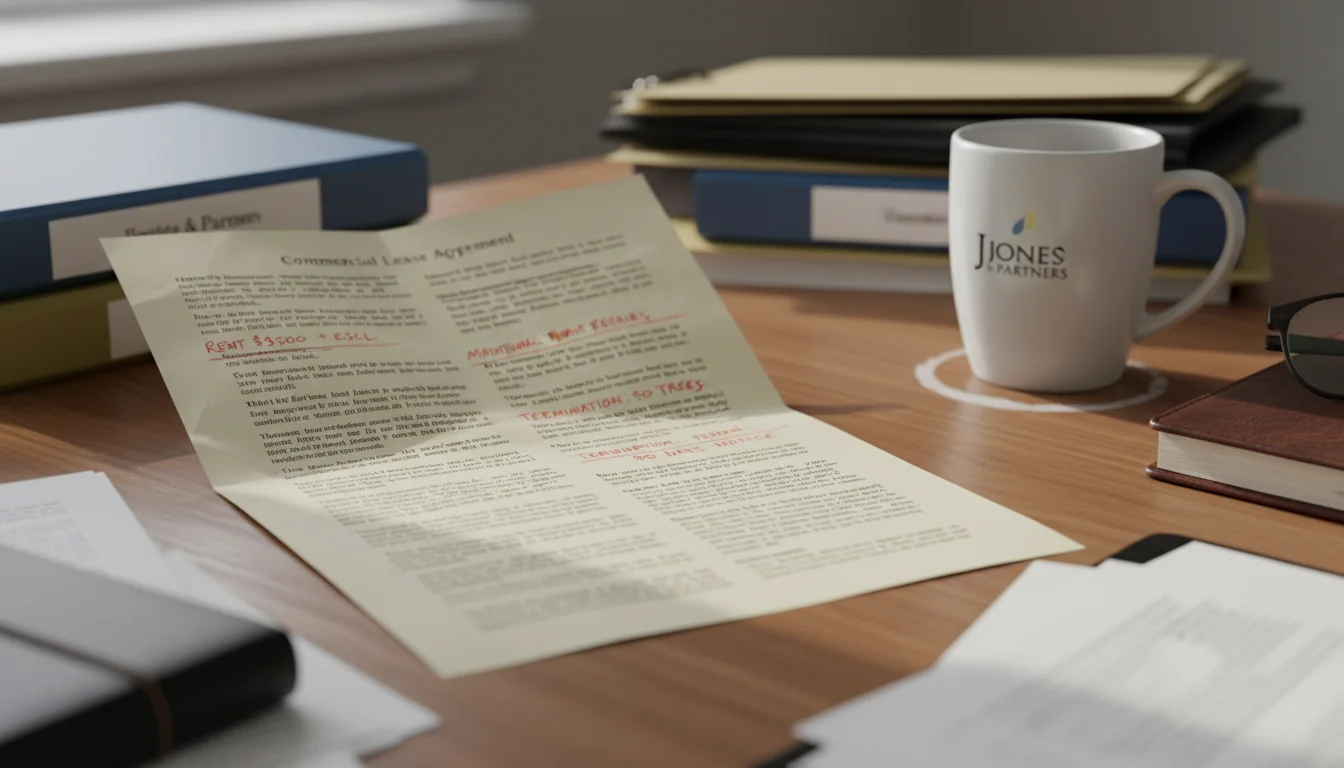
In commercial lease agreements, events of default typically include non-payment of rent, violation of lease terms, or bankruptcy of the tenant. Landlords must often provide a notice period, usually 10 to 30 days, to alert the tenant of the issue. This allows time for tenants to exercise cure rights, where they can remedy the default, such as paying overdue amounts, to avoid further action.
If the default remains uncured after the notice period, remedies for landlords may involve seeking damages for losses incurred, including unpaid rent and legal fees. Eviction is another common remedy, enabling the landlord to terminate the lease and regain possession through legal proceedings.
1
Review Lease Agreement
Examine your lease terms for default definitions, notice periods, and cure options. Identify any specific obligations or deadlines to address the issue.
2
Assess the Default Cause
Determine the reason for potential default, such as late rent or maintenance issues. Gather documentation and calculate any amounts owed.
3
Notify Landlord Promptly
Contact your landlord in writing to explain the situation and propose a resolution plan. Request any required extensions or cure periods.
4
Seek Professional Advice
Consult a tenant rights attorney or housing counselor for guidance on negotiations, rights, and alternatives like mediation to avoid eviction.
What Provisions Govern Renewal Options?
Renewal options in commercial lease agreements provide tenants with the opportunity to extend their lease term without starting a new negotiation process. Typically, these options include specific notice requirements, such as providing written notice to the landlord at least 6 to 12 months before the lease expires, to exercise the renewal right. For more detailed guidance, explore our comprehensive resource on Renewal Options and Negotiations in Commercial Lease Agreements.
Rent adjustments upon renewal are often predefined in the lease, commonly based on formulas like the Consumer Price Index (CPI) or a fixed percentage increase to account for market changes. Landlords may push for adjustments that align with prevailing market rates, while tenants should aim to cap increases to maintain affordability. According to the National Association of Realtors, understanding these mechanisms is crucial for long-term financial planning in commercial real estate.
Effective negotiation strategies for lease renewals involve early preparation, such as reviewing market comparables and consulting legal experts to strengthen your position. Tenants can leverage improvements they've made to the property or their reliable payment history to negotiate favorable terms, including reduced rent or extended options. Use these tactics to turn renewal discussions into opportunities for better commercial lease terms, ensuring alignment with your business goals.
Why Include Miscellaneous Clauses Like Governing Law?
In commercial lease agreements in the US, governing law clauses specify the state laws that will interpret and enforce the contract, often tailored to the property's location for consistency. These clauses are crucial for commercial real estate transactions as they prevent conflicts from differing state regulations. For more details on key clauses, see our guide at Key Clauses in Commercial Lease Agreements US.
The entire agreement clause, also known as the integration clause, ensures that the written lease represents the full understanding between landlord and tenant, superseding any prior negotiations or oral promises. This protects parties in commercial leasing by minimizing disputes over implied terms. It promotes clarity in business contracts and is essential for enforceability.
Severability clauses state that if one provision of the lease is deemed invalid, the rest of the agreement remains intact, safeguarding the overall contract's validity. In dispute resolution mechanisms, such as arbitration or mediation, these outline how conflicts will be resolved, often favoring efficient alternatives to litigation in US commercial leases. For authoritative insights, refer to the Cornell Law School on Severability or ABA Real Property Resources.
- Governing Law: Determines applicable state rules, e.g., New York vs. California laws.
- Entire Agreement: Limits reliance on external communications.
- Severability: Preserves the lease if parts are unenforceable.
- Dispute Resolution: Includes arbitration for faster resolutions.