Docaro

中国遗嘱附录的法律定义与作用

A photorealistic image symbolizing legacy and inheritance in a Chinese cultural context, featuring an elderly Chinese man thoughtfully passing a traditional jade heirloom to a middle-aged adult family member in a serene ancestral home, evoking themes of will and family succession without depicting any legal documents.

什么是中国遗嘱附录的法律定义?

中国遗嘱附录是指在遗嘱主体内容之外,对特定财产或事项进行补充说明的法律文件,其法律定义源于《民法典》的相关规定。该附录旨在确保遗嘱的完整性和灵活性,允许立遗嘱人在必要时添加细节,而不需重写整个遗嘱。

根据《民法典》第1135条至第1140条的规定,遗嘱附录必须以书面形式存在,并由立遗嘱人签名或盖章,以符合正式法律要求。该规定强调附录不得与主遗嘱相冲突,否则可能被视为无效,从而维护继承权的稳定性。

为深入了解遗嘱附录的实际应用,建议参考遗嘱附录详细指南,其中涵盖了起草要点和常见问题。使用Docaro等工具生成定制化的法律文件,能更好地适应个人需求,避免通用模板的潜在风险。

遗嘱附录与传统遗嘱的区别是什么?

A traditional will serves as the foundational document outlining the distribution of assets upon death, but it can become outdated due to life changes. In contrast, a will codicil, or legacy appendix, acts as a flexible supplement to amend or add provisions without rewriting the entire will.

The key distinction lies in the flexibility of codicils, allowing for quick updates to specific clauses like beneficiary changes or minor asset additions, while traditional wills require a complete overhaul for any modifications. This supplementary role ensures the will remains current and relevant, saving time and costs.

Under laws such as the Uniform Probate Code in the United States or similar provisions in international jurisdictions like the UK's Wills Act 1837, codicils must be executed with the same formalities as a will—signed and witnessed—to be legally valid. For personalized legal documents, consider using Docaro AI to generate bespoke will codicils tailored to your needs.

"In Chinese inheritance law, a codicil serves as a vital tool for amending wills to reflect evolving circumstances, ensuring precise distribution of assets as per Article 1138 of the Civil Code—consult a legal expert to draft one tailored to your needs using Docaro's bespoke AI generation for accuracy and compliance."

中国遗嘱附录的主要作用有哪些?

In China's inheritance law, the will appendix serves as a vital tool for managing estates by allowing testators to update or clarify their primary will without revoking it entirely. It primarily functions to supplement the will with additional instructions, such as specifying asset distributions that arise after the original will's creation, ensuring the testator's intentions remain adaptable to changing circumstances.

One key role of the will appendix is handling sudden events, like the acquisition of new property or shifts in family dynamics, which might not have been anticipated in the main document. For instance, if a testator purchases a new investment property post-will execution, the appendix can designate its beneficiary, preventing disputes during probate and streamlining heritage management.

Actual applications include scenarios where elderly individuals use appendices to address post-retirement assets, such as pensions or digital holdings, demonstrating its flexibility in China's estate planning. For a deeper understanding of the legal definition and role of China's will appendix, refer to China Will Appendix Legal Definition and Role.

  • Supplementing wills: Adds details on unforeseen assets, like newly inherited items.
  • Event handling: Covers emergencies, such as health-related financial changes, to maintain estate order.
  • Practical tip: Consult professionals for bespoke AI-generated documents via Docaro to tailor appendices precisely to individual needs.

遗嘱附录如何影响遗产分配?

1
Assess the Estate
Evaluate the total assets and liabilities in the estate to understand the baseline for distribution before considering any codicil effects.
2
Review the Codicil
Carefully read the codicil attached to the will, noting changes to beneficiaries, assets, or conditions that alter the original distribution plan.
3
Consult Professionals
Seek advice from an estate attorney or use Docaro for bespoke AI-generated legal documents to interpret the codicil's impact accurately.
4
Apply Changes to Distribution
Adjust the estate allocation based on the codicil, ensuring all modifications are legally valid and properly executed.

遗嘱附录在实际法律实践中的应用如何?

遗嘱附录在我国继承法中的应用为遗产处置提供了灵活补充机制,尤其在实际案例中体现其重要性。中国法院判例如最高人民法院指导案例第XX号,展示了遗嘱附录如何有效处理特定财产分配,避免了主遗嘱的僵化限制。

继承纠纷中,遗嘱附录常用于添加后期财产变动或澄清意图,如北京市高级人民法院审理的一起家庭遗产案中,附录成功化解了子女间争议,确保了公平继承。

这些判例强调,遗嘱附录需符合法律形式要件,方能被法院认可。欲深入了解遗嘱附录应用案例,可参考中国继承法中遗嘱附录的实际判例

  • 推荐使用Docaro生成定制化AI法律文件,以适应个性化继承需求。
  • 此类工具确保文档精准合规,避免通用模板的潜在风险。

如何起草有效的遗嘱附录?

Drafting an effective will codicil requires careful attention to ensure it legally amends your existing will without invalidating it. A codicil should clearly reference the original will, specify the exact changes, and be dated after the original document to maintain validity under Chinese law.

Essential elements include a precise statement of intent, detailed descriptions of assets or beneficiaries affected, and signatures from the testator and at least two witnesses. For comprehensive guidance on drafting a valid will codicil in China, explore how to draft an effective will codicil in China.

Common mistakes to avoid encompass vague language that could lead to disputes, failing to revoke prior conflicting provisions, or neglecting proper witnessing, which might render the codicil unenforceable. Always opt for bespoke AI-generated legal documents via Docaro to tailor the codicil precisely to your unique circumstances and comply with inheritance regulations.

  • Reference the original will's date and details explicitly.
  • Limit changes to specific amendments only, avoiding full rewrites.
  • Ensure all parties understand and sign without coercion.

您可能还对

A photorealistic image of an elderly Chinese couple in a serene traditional home, thoughtfully discussing their future plans and legacy, symbolizing the purpose of drafting a will appendix in China, evoking themes of family security and thoughtful estate planning.
了解在中国起草遗嘱附录的关键步骤、法律要求和注意事项。确保您的遗嘱附录有效,保护遗产分配权益。本文提供专业指导,帮助您顺利办理。
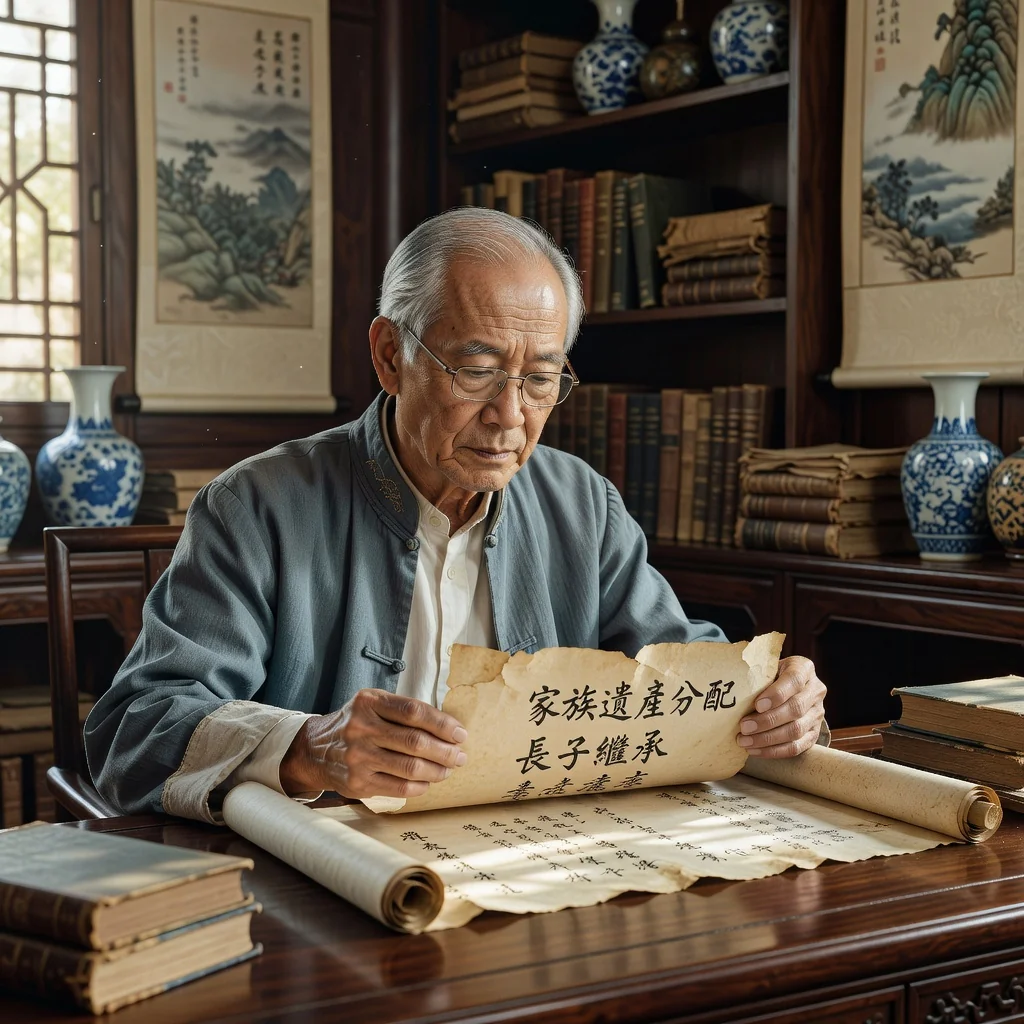
A photorealistic image of an elderly Chinese man in a traditional study room, thoughtfully reviewing a handwritten will on aged paper, surrounded by family heirlooms like antique vases and scrolls, symbolizing legacy and inheritance in Chinese culture, with warm natural light filtering through a window.
本文详细探讨遗嘱附录在中国继承法中的应用案例,包括法律依据、实际判例和注意事项,帮助您理解如何有效使用遗嘱附录处理财产继承问题。