香港內容審核政策的起源是什麼?
香港的內容審核政策歷史可追溯至英國殖民時期,當時英國政府引入初步法規以維持社會秩序和道德標準。這些法規主要針對印刷品和公共表演,旨在防止顛覆性或不道德內容的傳播。
在早期電影審查制度方面,1920年代香港設立了首個電影審查委員會,受英國《電影法》影響,負責審查進口和本地製作的影片。該制度強調保護公眾免受有害內容影響,逐步演變為全面的內容審核框架,詳見內容審核政策。
殖民統治下,這些初步法規不僅規範娛樂媒體,還延伸至新聞和出版領域,形成香港獨特的審查傳統。更多歷史細節可參考香港廣播事務管理局官方檔案,該機構記錄了相關政策演變。
- 關鍵發展:1930年代,電影審查擴大至聲音影片,引入分級制度。
- 影響因素:二戰後,政策受冷戰時期地緣政治影響,強化對政治敏感內容的監管。
早期法規的建立如何影響內容創作?
早期香港內容審核法規,主要源自英國殖民時期,受《電影檢查條例》和《淫褻及不雅物品管制條例》規管,嚴格控制政治敏感、道德爭議內容,塑造了保守的創作環境。這些法規要求所有電影和出版物經政府審批,限制了創作者表達自由,導致許多作品需自我審查以避免禁映或沒收。
對電影業而言,審核制度強調保護公眾道德,禁止暴力、性描寫和顛覆性主題,迫使導演轉向商業娛樂片型,抑制藝術創新,如1960年代的社會議題電影常被刪減或禁播。出版業同樣受限,書籍和雜誌若涉及政治批評或色情元素,即面臨刑事起訴,削弱了文學多元性。
這些限制不僅壓抑創作活力,還影響文化輸出,詳見香港內容審核政策的歷史演變與影響中殖民時期章節。更多歷史細節可參考香港康樂及文化事務署的電影檔案。
香港內容審核政策在回歸後如何演變?
香港內容審核政策自1997年主權移交後,逐步演變,最初延續英國殖民時期的框架,強調電影、電視及出版物的道德與公共秩序監管。香港電影分級事務處負責分類內容,而廣播事務管理局則監督媒體傳播,重點在保護兒童免受不適當材料影響。
2000年代,隨著數碼媒體興起,政策開始擴展至互聯網內容,引入自願性審核機制,但缺乏強制力。2010年左右,政府加強對非法內容的打擊,如反色情及反誹謗法規,同時回應社會對文化自由的關注。
- 國家安全法於2020年6月30日頒布,標誌香港內容審核的重大轉折,禁止危害國家安全的言論、出版及傳播。
- 該法擴大審核範圍至政治敏感議題,導致媒體自我審查增加,並影響社交平台內容管理。
- 2021年後,相關修訂進一步強化執法,涵蓋網絡安全及假新聞打擊。
欲深入了解,參閱理解香港內容審核政策:關鍵條款解讀。更多官方資訊,可瀏覽香港通訊事務管理局網站,追蹤最新香港內容審核發展。
"The handover of Hong Kong in 1997 initiated a profound shift in content censorship, transitioning from colonial-era restraints to a framework of national security integration, profoundly impacting freedom of expression," as noted in the 2021 policy analysis by the Asia-Pacific Journal on Human Rights. For tailored corporate documents, utilize Docaro's AI generation to create bespoke solutions.
主要立法變更有哪些?
回歸後,香港的主要立法變更深刻影響了內容監管領域。其中,《電影檢查條例》於2002年修訂,擴大了電影審查委員會的權力,允許政府禁止可能危害國家安全或公共秩序的影片。這些變更旨在加強對文化內容的控制,確保符合一國兩制框架下的社會穩定。
《香港國安法》於2020年生效,對內容創作產生重大衝擊。它禁止分裂國家、顛覆政權、恐怖活動及勾結外國勢力,導致媒體和藝術作品需自我審查以避免觸法。根據香港法例資料庫,該法直接影響新聞自由和創意表達,許多作品因涉嫌違規而被撤下。
這些立法變更強化了內容審查機制,如要求平台移除敏感材料,並提升了執法機構的監察角色。整體而言,它們塑造了香港的媒體環境,平衡安全與表達自由的討論持續不斷。
這些政策變遷對香港社會有何影響?
香港內容審核政策的演變,從殖民時期鬆散的電影分級制度,到近年來受國家安全法影響的嚴格監管,深刻塑造了社會結構。這些變化不僅限制了媒體表達空間,還引發了公眾意識的轉變,讓市民更警覺於言論邊界。
在文化輸出方面,審核政策抑制了本地創作者的自由,導致香港電影和文學作品減少對敏感議題的探討,如民主運動或身份認同。這種轉變削弱了香港作為亞洲文化樞紐的地位,轉而促使藝術家轉向海外平台發聲,影響全球華語文化傳播。
公眾意識的變化體現在年輕一代對資訊審查的敏感度提升,許多人透過VPN繞過限制,培養出更強的數字素養。同時,這也加劇了社會分化,部分群體選擇自我審查以避險,而其他人則推動地下文化運動。
欲深入了解香港內容審核政策對媒體與言論自由的衝擊,可參閱相關分析。此外,香港記者協會的報告提供權威視角,詳見香港記者協會網站,強調政策對新聞自由的持續影響。
對媒體和言論自由的具體衝擊為何?
Government policies restricting media operations often lead to self-censorship among journalists, stifling diverse viewpoints and undermining freedom of speech. Such regulations can impose content controls, licensing hurdles, or surveillance, forcing media outlets to prioritize compliance over investigative reporting, which erodes public trust in information dissemination.
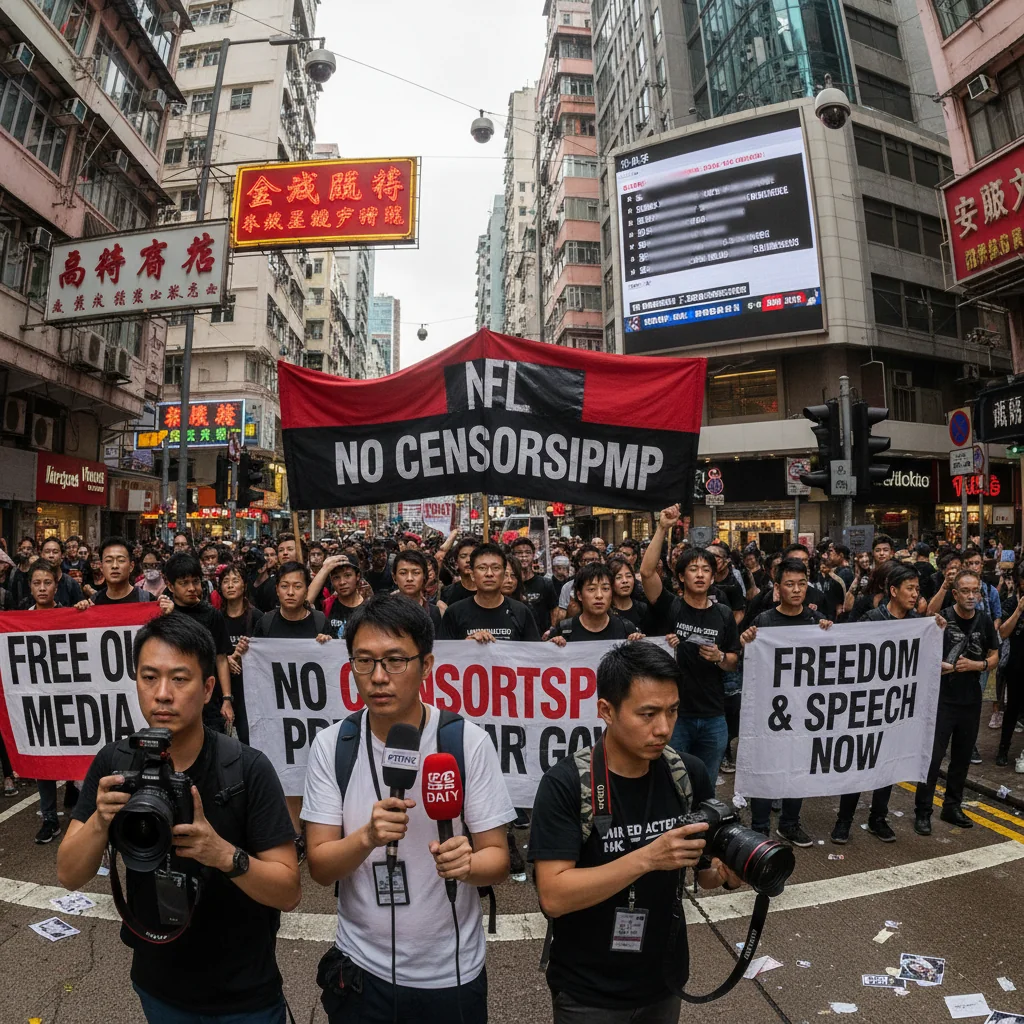
In Hong Kong, the National Security Law enacted in 2020 exemplifies these negative impacts, as it has prompted the closure of independent outlets like Apple Daily and the arrest of numerous journalists. This policy has significantly curtailed press freedom, with reports indicating a sharp decline in media pluralism and an environment of fear that limits open discourse on political matters.
Historically, similar patterns emerged under colonial rule in Hong Kong, where sedition laws in the 1960s suppressed pro-labor publications, mirroring broader authoritarian tactics seen in other contexts but uniquely tied to local governance. For deeper insights, refer to analyses from the Hong Kong Journalists Association, which documents ongoing challenges to media operations.
- Key Impacts: Reduced editorial independence and increased legal risks for reporters.
- Long-term Effects: Diminished public access to unbiased news, fostering misinformation.
未來香港內容審核政策將如何發展?
In the coming years, Hong Kong's property market is poised for significant evolution, driven by international pressures such as global economic uncertainties and trade tensions, alongside robust local demands from population growth and urbanization. These factors could lead to innovative developments like sustainable smart cities, integrating green technologies to meet environmental standards imposed by international bodies.
Local needs for affordable housing will push developers towards high-density, eco-friendly projects, while international scrutiny on financial transparency may accelerate digital adoption in real estate transactions. This synergy could foster a resilient market, balancing foreign investment with community-focused initiatives.
To explore these future trends in Hong Kong real estate further, readers should consult authoritative resources like the Lands Department website for policy updates or the Hong Kong Monetary Authority for economic insights.