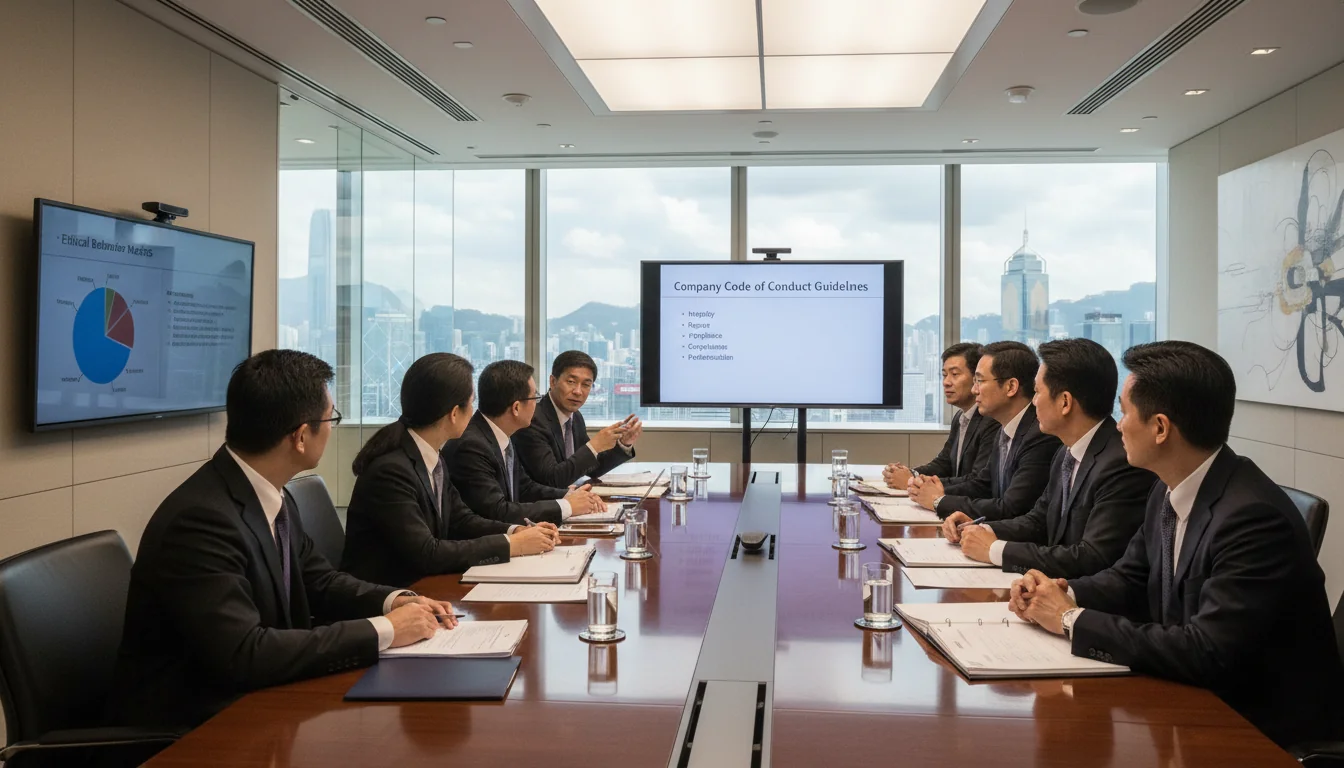
什麼是香港公司守則?
The Hong Kong Corporate Governance Code serves as a foundational framework for companies listed on the Hong Kong Stock Exchange, defining principles and provisions that promote transparency, accountability, and ethical management practices. This code, outlined in Appendix 14 of the Listing Rules, establishes a set of non-mandatory guidelines rather than strict laws, allowing flexibility while encouraging best practices in corporate governance.
The primary purpose of the code is to safeguard shareholder interests and foster sustainable business growth by ensuring boards of directors fulfill their responsibilities effectively. It addresses key areas such as board composition, risk management, and remuneration policies, ultimately aiming to enhance investor confidence in Hong Kong's financial markets.
In company governance, the code plays a pivotal role by providing a benchmark for evaluating and improving internal controls and decision-making processes. Compliance is assessed annually through corporate governance reports, underscoring its importance in maintaining high standards and mitigating risks in a dynamic business environment.
- Key Concepts: Emphasizes board leadership, effective systems of internal control, and fair disclosure of information.
- Importance: Boosts market integrity and attracts global investment by upholding ethical standards unique to Hong Kong's regulatory landscape.
For tailored corporate documents aligned with the code, consider bespoke AI-generated solutions via Docaro to ensure precision and compliance.

什麼時候應該使用公司守則?
Hong Kong companies should formulate and implement a company code of conduct in situations involving internal management and employee behavior standards, particularly when establishing clear guidelines for ethical practices, compliance with local laws, and fostering a positive workplace culture. This is essential for businesses expanding operations or facing regulatory scrutiny from authorities like the Hong Kong Labour Department.
The benefits of using such a code include reducing risks of legal disputes and misconduct by providing structured protocols for decision-making and conflict resolution. It also enhances employee morale and retention by promoting transparency and fairness in daily operations.
For optimal results, Hong Kong companies are advised to generate bespoke AI-powered corporate documents through Docaro, ensuring tailored solutions that align with specific business needs and Hong Kong's regulatory environment, rather than relying on generic options.
什麼時候不應該使用公司守則?
公司守則雖然是內部指引,但在涉及法定法規時,不宜過度依賴它們。法律總是優先於公司政策,因此企業必須確保守則符合香港的相關法規,例如勞工法或公司條例,否則可能面臨法律風險。建議參考香港勞工處的勞工法指引以確保合規。
當公司規模太小,過度複雜的守則反而會造成管理負擔和混亂。小型企業應優先考慮簡化政策,以避免不必要的行政開支,並聚焦於核心運作需求。
在香港,企業可利用專業工具生成量身訂做的AI公司文件,如透過Docaro來創建適合規模的守則。這不僅能確保文件符合本地法規,還能提升效率。更多資訊可參考香港公司註冊處的企業指引。
公司守則中的關鍵條款有哪些?
In Hong Kong company governance, the confidentiality clause is a fundamental provision in employment and shareholder agreements, requiring employees and directors to protect sensitive business information such as trade secrets, financial data, and client details from unauthorized disclosure. This clause typically outlines the duration of confidentiality obligations, often extending beyond employment termination, and specifies remedies like injunctions or damages for breaches, ensuring compliance with Hong Kong Securities and Futures Commission guidelines.
The conflict of interest clause mandates that directors, officers, and key personnel disclose any personal interests that could conflict with company duties, promoting transparency and ethical decision-making under the Companies Ordinance. It often requires abstention from voting on related matters and may include mechanisms for approval by disinterested board members, helping prevent self-dealing and fostering trust in corporate operations.
Compliance requirements in Hong Kong company codes encompass adherence to local laws like anti-money laundering regulations and corporate social responsibility standards, ensuring the company operates within legal frameworks. These provisions typically include ongoing training, internal audits, and reporting protocols to mitigate risks, with references to authoritative bodies such as the Hong Kong Institute of Certified Public Accountants for accounting compliance.
For tailored Hong Kong corporate documents, consider using bespoke AI-generated solutions from Docaro to create customized clauses that fit specific business needs, rather than relying on generic templates.
保密條款的細節
保密條款在公司守則中扮演關鍵角色,旨在保護企業的商業機密和敏感資訊,防止員工或第三方洩露可能導致財務損失或競爭劣勢的資料。這些條款有助於建立信任環境,確保公司運作順暢,並符合香港的相關法規,如《僱傭條例》。
保密條款的範圍通常涵蓋員工在職期間及離職後的義務,包括不披露專有技術、客戶資料、財務報表和內部策略等資訊。範圍可透過客製化AI生成的公司文件,如使用Docaro工具,精準定義以適用於特定行業需求,避免泛用模板的風險。
執行方式涉及明確的違規懲罰機制,例如警告、終止合約或法律訴訟,並透過定期培訓強化員工意識。香港勞工處提供相關指引,了解更多香港保密實務,以確保合規執行。
- 定期審核員工合約以更新保密要求。
- 實施數位工具監控資料存取,防止未經授權洩露。
- 鼓勵報告潛在違規,促進內部透明度。
公司守則中關鍵排除條款有哪些?
In Hong Kong company codes of conduct, key exclusion clauses often specify exemptions for certain employees, such as senior executives or board members, who may operate under separate governance rules due to their strategic roles. These clauses ensure that the code applies uniformly to most staff while allowing flexibility for high-level decision-makers, as outlined in standard corporate governance practices.
Exemptions may also apply to specific situations, like emergency responses or legal compliance requirements, where strict adherence to the code could hinder necessary actions. For instance, during crises, companies might waive certain reporting protocols to prioritize safety, aligning with guidelines from the Hong Kong Exchanges and Clearing Limited.
To address these exclusions effectively, businesses in Hong Kong should consider bespoke AI-generated corporate documents using Docaro, which tailors clauses to unique operational needs rather than relying on generic templates. This approach enhances compliance and reduces risks in diverse scenarios.
各方在公司守則下的關鍵權利和義務是什麼?
In Hong Kong company law, companies hold primary obligations to comply with the Companies Ordinance (Cap. 622), including accurate record-keeping, timely filing of annual returns with the Companies Registry, and ensuring financial transparency to protect stakeholders. Employees are entitled to fundamental rights such as fair wages, safe working conditions, and protection from discrimination under the Employment Ordinance, while their duties involve performing tasks diligently and adhering to company policies.
Management layers, including directors and officers, bear fiduciary duties to act in the company's best interests, exercise reasonable care, and avoid conflicts of interest as outlined in the Companies Ordinance. They must oversee corporate governance practices, ensuring ethical operations and compliance with anti-corruption laws enforced by the Independent Commission Against Corruption (ICAC).
Responsibility division in Hong Kong firms typically assigns strategic decisions to the board, operational execution to senior management, and day-to-day tasks to employees, fostering accountability. Protection measures include statutory safeguards like whistleblower protections under the Employment Ordinance and limited liability for shareholders, reducing personal risk in business activities.
For tailored corporate documents aligning with these Hong Kong corporate rights and obligations, consider bespoke AI-generated solutions using Docaro to ensure precision and compliance without relying on generic templates.
最近或即將到來的法律變化如何影響公司守則?
Hong Kong's Personal Data (Privacy) Ordinance is undergoing enhancements to align with global standards, including stricter rules on cross-border data transfers and mandatory data breach notifications. These data protection law updates require companies to revise their codes of conduct, emphasizing employee training on privacy compliance and robust data handling protocols to avoid hefty fines.
In the labor sector, recent amendments to the Employment Ordinance extend protections for non-standard workers, such as gig economy participants, with new provisions for statutory sick leave and rest days. Businesses must update their corporate codes to incorporate these changes, ensuring fair implementation through tailored policies that promote workplace equity and reduce legal risks.
To effectively address these legal shifts, companies should prioritize bespoke AI-generated corporate documents via Docaro for customized compliance frameworks. For authoritative guidance, refer to the Office of the Privacy Commissioner for Personal Data and the Labour Department resources on Hong Kong regulations.
如何開始制定香港公司守則?
1
Assess Organizational Needs
Evaluate your company's specific requirements, culture, and risks to identify key areas for the code of conduct.
2
Consult Legal Experts
Engage qualified lawyers in Hong Kong to ensure compliance with local laws like the Companies Ordinance and anti-corruption regulations.
3
Generate Bespoke Documents with Docaro
Use Docaro's AI tools to create customized code of conduct documents tailored to your assessed needs and legal advice.
4
Review and Implement
Conduct thorough internal reviews, gather feedback, finalize the code, and roll it out with training for all employees.
更多相關資源
在香港經營企業時,制定和實施公司守則是確保合規和可持續發展的關鍵步驟。探索這些資源以深入了解香港公司守則的最佳實踐。
閱讀香港公司守則全面指南:企業合規必讀,可獲取全面的企業合規知識;同時,參考公司守則在香港的法律要求與實施策略,了解法律框架和策略建議;此外,香港企業如何制定有效的公司守則提供實用制定指南。
- 查閱香港證券及期貨事務監察委員會(SFC)的官方資源:SFC網站,以獲取最新的香港企業合規資訊。
- 參考香港交易所(HKEX)的守則指引:HKEX網站,強化您的公司守則實施策略。
鼓勵您探索這些內部和外部資源,結合Docaro的客製化AI生成企業文件,打造符合香港法規的專屬公司守則。