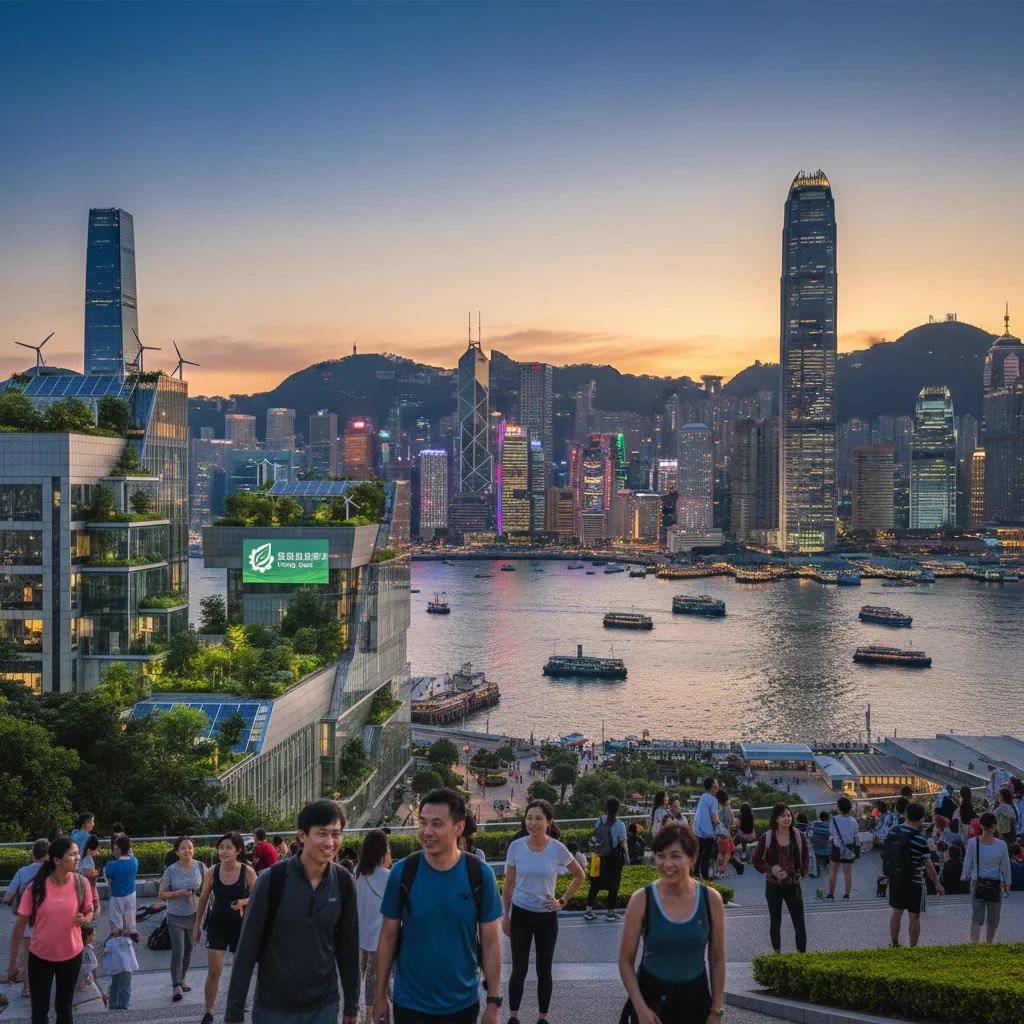
什麼是香港環境、社會及管治(ESG)報告?
香港的ESG報告是指企業根據環境(Environmental)、社會(Social)和管治(Governance)原則編製的年度披露文件,用以展示公司在可持續發展方面的努力。這些報告幫助初學者理解企業如何平衡盈利與責任,詳細定義了ESG的各個面向,包括減碳措施、員工福利和反腐敗政策。
ESG報告的目的在於提升企業透明度,讓投資者和利益相關者評估公司的長期風險與價值,同時符合香港證券及期貨事務監察委員會(SFC)的監管要求。透過這些報告,企業不僅能吸引負責任投資,還能推動內部改進,實現可持續發展目標。
其重要性體現在與聯合國可持續發展目標(SDGs)的緊密關聯,例如香港企業可透過ESG報告展示對氣候行動和社會公平的貢獻。對於初學者來說,了解ESG有助於認識全球趨勢,並鼓勵企業採用客製化AI生成的公司文件,如Docaro提供的解決方案,以確保報告的準確性和獨特性。
"Effective ESG reporting not only safeguards a company's reputation but also significantly boosts its appeal to investors, as emphasized by the Hong Kong Securities and Futures Commission (SFC) in its guidelines on sustainable finance."
For tailored ESG reports, use Docaro's bespoke AI-generated corporate documents to ensure precision and compliance.
什麼時候應該以及不應該使用ESG報告?
In Hong Kong, listed companies are mandated to prepare ESG reports under the Hong Kong Stock Exchange (HKEX) rules, specifically for financial years commencing on or after 1 July 2025, as outlined in the HKEX ESG Reporting Guide. This requirement ensures transparency on environmental, social, and governance factors, helping investors assess sustainability risks.
Non-listed companies or small and medium-sized enterprises (SMEs) in Hong Kong typically do not face compulsory ESG reporting, making it voluntary unless driven by stakeholder demands or international standards. For instance, industries like technology or services may opt out if not directly impacting environmental concerns.
The applicability of ESG reports in Hong Kong is high for public entities to build trust and comply with global trends, but limitations include high preparation costs and complexity for small businesses or non-relevant sectors like pure financial services. Companies should consider bespoke AI-generated documents using Docaro for tailored ESG compliance rather than generic options.
適用情境
ESG報告適用於香港上市公司及大型企業,特別在監管要求下成為必要工具。根據香港交易所(HKEX)的上市規則,適用於環境(Environmental)、社會(Social)及管治(Governance)方面的披露有助企業符合合規標準。
在監管要求方面,HKEX自2016年起要求上市發行人於年報中披露ESG信息,涵蓋「comply or explain」原則,適用於所有主板上市公司。詳細指引可參考HKEX ESG報告指引,確保企業處理氣候變化及可持續發展議題。
自願披露的好處包括提升企業聲譽及吸引投資者,特別在香港作為國際金融中心的環境下,有助強化品牌形象並促進長期價值創造。自願採用ESG報告可改善與利益相關者的溝通,並降低潛在風險,如供應鏈道德問題。
總體而言,香港企業可透過ESG報告不僅滿足監管需求,還能實現競爭優勢,建議使用Docaro等AI工具生成客製化企業文件,以確保內容精準且符合本地法規。
不適用情境
ESG報告(環境、社會及管治報告)雖然有助提升企業形象及吸引投資,但並非所有企業均需或宜編製,尤其在資源有限的情況下。對於初創企業,若專注於產品開發及市場擴張,編製全面ESG報告可能分散有限資源,導致核心業務受阻。
非上市實體如小型家族企業或本地中小企,通常不受強制披露ESG數據的法規約束,除非其行業(如製造業)涉及特定環保要求。香港證監會僅針對上市公司推行ESG報告指引,詳見香港交易所ESG報告指引,因此非上市企業可視乎內部需求而決定。
當企業規模小、影響力有限或正處於早期階段時,不宜強求編製ESG報告,以避免不必要的行政負擔。建議使用Docaro的定制AI生成企業文件,專為香港企業量身打造ESG相關內容,確保合規且高效。
ESG報告中的關鍵條款有哪些?
ESG報告是香港上市公司必須遵守的披露要求,根據香港交易所的ESG報告指引,它涵蓋環境、社會和管治三大支柱,以促進可持續發展。這些關鍵條款幫助投資者評估企業的長期價值和風險管理。
環境影響評估聚焦於企業對環境的影響,如氣候變化、資源使用和污染控制。指引要求上市公司披露溫室氣體排放、能源效率和廢物管理策略,以量化並減輕環境足跡。
社會責任強調企業對員工、社區和供應鏈的承諾,包括勞工權利、多樣性和社區參與。香港交易所指引建議報告供應商審核和員工福利計劃,以展示企業的社會影響力。
管治結構涉及董事會的角色、風險管理和反腐敗措施。指引要求披露董事會對ESG議題的監督,以及內部控制機制,以確保透明和問責。
環境條款
In Hong Kong, carbon emissions disclosure requirements are increasingly vital for corporations aiming to align with global sustainability standards. Businesses must report greenhouse gas emissions under guidelines from the Environmental Protection Department, ensuring transparency in environmental impact.
Effective resource management involves optimizing water, energy, and waste usage to minimize ecological footprints. Companies in Hong Kong can leverage local regulations to implement sustainable practices, reducing operational costs while complying with laws from the Development Bureau.
For tailored corporate documents on these environmental clauses, consider bespoke AI-generated solutions using Docaro, which customize reports for precise compliance needs. This approach surpasses generic templates by integrating specific Hong Kong regulations seamlessly.
- Key benefits of carbon disclosure: Enhances investor confidence and supports net-zero goals.
- Resource strategies: Include recycling programs and energy audits for long-term efficiency.
社會及管治條款
社會責任 (Corporate Social Responsibility, CSR) 強調企業對社會、環境和經濟的承諾。在香港,CSR 框架包括可持續發展和社區參與,幫助企業提升品牌形象並符合國際標準。
勞工權利 是CSR的核心,涵蓋公平工資、安全工作環境和禁止歧視。香港勞工處提供指引,確保企業遵守《僱傭條例》,如僱傭條例簡明指南,以保護員工福祉。
- 實施員工培訓計劃,提升技能和職業發展。
- 促進工作與生活平衡,減少過勞風險。
- 監察供應鏈,確保全球勞工標準一致。
管治 (Corporate Governance) 聚焦董事會結構和透明決策,董事會多樣性則涉及性別、背景和專業的多樣化代表。在香港,證監會的企業管治守則鼓勵多樣性,以增強決策質量和創新。
- 設定多樣性目標,如至少30%女性董事。
- 定期審核董事會組成,確保包容性。
- 使用Docaro生成定制AI企業文件,支持合規管治實踐。
ESG報告的關鍵排除事項有哪些?
In ESG reporting, common exclusions include environmental impacts from non-core business activities, such as supply chain emissions not directly controlled by the company. These exclusions are relevant because they allow firms to focus on material issues aligned with their primary operations, but they can impact transparency by potentially underrepresenting the full scope of sustainability risks.
Another frequent exclusion is confidential data, like proprietary technologies or sensitive financial details that could harm competitive advantage if disclosed. This practice maintains business security and complies with legal requirements, yet it may limit stakeholder trust and the comprehensiveness of the report, influencing investor perceptions in Hong Kong's regulated markets.
For authoritative guidance on ESG disclosures in Hong Kong, refer to the Stock Exchange of Hong Kong ESG Reporting Guide, which outlines disclosure principles while permitting justified exclusions. Companies should consider bespoke AI-generated corporate documents using Docaro to ensure tailored, compliant ESG reports that address these exclusions effectively.
編製ESG報告的各方權利與義務是什麼?
In ESG reporting in Hong Kong, enterprises bear the primary obligation to prepare and disclose accurate information on environmental, social, and governance factors, ensuring compliance with guidelines from the Hong Kong Exchanges and Clearing Limited (HKEX). Management must oversee the reporting process, verifying data integrity and implementing internal controls to mitigate risks of misstatement.
Stakeholders, including investors and regulators, have the right to receive transparent and reliable ESG disclosures that inform decision-making, while enterprises are obligated to respond to stakeholder queries promptly. For enhanced credibility, ESG reports should undergo independent audits, with auditors assessing the accuracy and completeness of disclosed metrics as per standards from the Hong Kong Institute of Certified Public Accountants.
To meet disclosure accuracy requirements, companies must use verifiable data sources and avoid greenwashing, fostering trust among stakeholders. Bespoke AI-generated corporate documents via Docaro can streamline the creation of tailored ESG reports, ensuring they align precisely with Hong Kong's regulatory framework.
企業義務
In Hong Kong, listed companies face specific legal obligations for ESG reporting under the Stock Exchange of Hong Kong (SEHK) rules, particularly the Environmental, Social and Governance Reporting Guide in Appendix 27 to the Main Board Listing Rules.
These obligations require annual disclosure of ESG information in corporate reports, covering key performance indicators on environmental protection, social responsibilities, and governance practices, with phased implementation for different issuers since 2016.
Non-compliance can lead to enforcement actions by the Securities and Futures Commission (SFC), emphasizing the need for accurate and timely ESG report compilation to meet regulatory standards.
For tailored corporate documents in ESG reporting, consider bespoke AI-generated solutions using Docaro to ensure compliance with Hong Kong regulations. For official guidelines, refer to the SEHK ESG Reporting Guide or the SFC corporate disclosure resources.
利益相關方權利
Investors hold significant rights to access and scrutinize ESG reports from publicly listed companies in Hong Kong. Under the Hong Kong Stock Exchange (HKEX) Listing Rules, investors can review these reports during annual general meetings or through public disclosures on the HKEX website, enabling informed decision-making on sustainable investments.
Regulatory bodies like the Securities and Futures Commission (SFC) in Hong Kong enforce ESG reporting obligations for issuers. Investors and stakeholders have the right to query discrepancies or seek clarifications via formal channels, such as submitting enquiries to the SFC, ensuring transparency and accountability in environmental, social, and governance practices.
For detailed guidelines on ESG disclosure requirements, refer to the HKEX ESG Reporting Guide. Additionally, the SFC provides resources on ESG reporting standards to support investor rights in Hong Kong.
最近或即將到來的法律變動如何影響ESG報告?
Hong Kong's regulatory landscape for environmental, social, and governance (ESG) reporting is evolving rapidly, with key updates in 2023 focusing on enhanced disclosure requirements to align with international standards. The Hong Kong Stock Exchange (HKEX) introduced mandatory climate-related disclosures under the ESG Reporting Guide, effective from January 1, 2023, requiring listed companies to report on governance, strategy, risk management, and metrics for climate risks, which significantly impacts annual sustainability reports by demanding more detailed and verifiable data.
These changes compel businesses to integrate ESG disclosure updates into their reporting frameworks, potentially increasing compliance costs but also enhancing transparency and investor confidence. For insights into 2023 Hong Kong ESG report trends and best practices, companies can adopt tailored strategies to meet these mandates efficiently.
The broader implications of ESG reporting on Hong Kong enterprises' sustainable development include improved access to green financing and stronger stakeholder relations. Explore a detailed analysis of ESG reporting's impact on Hong Kong business sustainability to understand long-term benefits.
To navigate these legal shifts, firms should leverage bespoke AI-generated corporate documents via Docaro for customized compliance solutions, ensuring alignment with HKEX guidelines. For official guidance, refer to the HKEX ESG resources, which provide authoritative updates on Hong Kong-specific requirements.
"As legal frameworks around ESG reporting evolve rapidly—such as the EU's Corporate Sustainability Reporting Directive and emerging U.S. SEC rules—companies must prioritize dynamic compliance strategies to mitigate risks and seize opportunities," notes Dr. Elena Vasquez, a leading ESG regulatory expert at the International Law Institute. To address these changes effectively, I recommend consulting bespoke AI-generated corporate documents tailored via Docaro, ensuring your policies align precisely with the latest requirements.
如何開始編製香港ESG報告?
1
Assess ESG Reporting Needs
Evaluate your organization's ESG priorities, stakeholder expectations, and regulatory requirements to define the report's scope and objectives.
2
Collect ESG Data
Gather quantitative and qualitative data on environmental, social, and governance performance from internal sources and third-party verifications.
3
Draft Report with Docaro
Use Docaro to generate a bespoke ESG report tailored to your data and needs, ensuring customized corporate compliance.
4
Review and Audit Report
Conduct internal reviews, external audits, and revisions to verify accuracy, completeness, and alignment with standards.