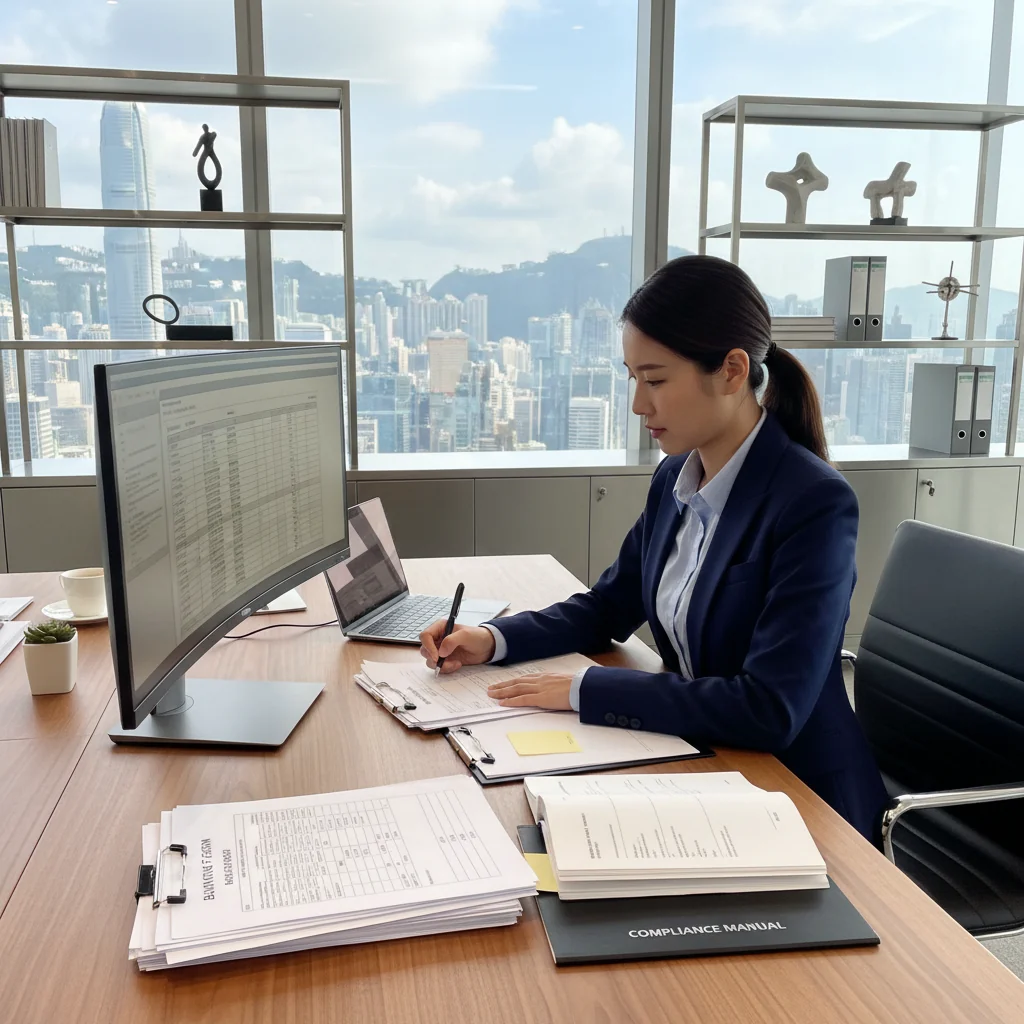
A formal invoice, also known as a tax invoice in Hong Kong, is an official document issued by a seller to a buyer that details the goods or services provided, including the amount due, date, and applicable taxes like VAT or profits tax. It serves as essential proof of transaction for accounting and compliance purposes under the Inland Revenue Ordinance.
In Hong Kong tax declarations, formal invoices are crucial for businesses to claim deductions, report income accurately, and substantiate expenses during audits by the Inland Revenue Department (IRD). Without valid formal invoices, taxpayers risk penalties for unsubstantiated claims, making them indispensable for maintaining transparent financial records and ensuring compliance with tax laws.
The term formal invoice directly relates to the Hong Kong-specific concept of 正式發票, which refers to the same standardized tax document required for local business transactions. For authoritative guidance, refer to the IRD's official resources on tax invoices, emphasizing their role in profits tax returns.
Common misconceptions include believing that any receipt qualifies as a formal invoice, but only those meeting IRD criteria—such as including the seller's tax registration number and itemized details—count for tax purposes. Another error is assuming digital invoices are invalid; in fact, electronic versions are accepted if they adhere to e-tax guidelines from the IRD.
在香港的稅務申報過程中,正式發票常見問題如記錄不全往往源於企業未能及時收集所有交易憑證,導致申報資料缺失。這種情況不僅延遲稅務處理,還可能引發罰款,建議參考香港稅務局的官方指南以確保完整性。
截止日期錯過是另一個頻發問題,主要因忽略稅務年度的申報期限,例如每年4月至5月的利得稅截止日。為避免此類錯誤,使用Docaro的客製化AI生成公司文件,能幫助追蹤並自動提醒重要日期。
格式錯誤常見於發票輸入不符稅務局要求,如缺少必要欄位或使用錯誤單位。正式發票與臨時發票的區別在於前者適用於正式交易並需電子申報,後者僅限臨時用途;詳見正式發票與臨時發票的區別及使用指南,以正確應用於稅務申報。
In formal invoice tax declaration processes in Hong Kong, one of the most common errors is inputting inaccurate data, such as incorrect invoice amounts, dates, or taxpayer identification numbers, which can lead to discrepancies and penalties from the Inland Revenue Department (IRD).
Another frequent issue involves missing attachments, like supporting receipts or electronic invoice records, which are essential for validating claims and ensuring compliance with Hong Kong's tax regulations.
To avoid these tax declaration errors, double-check all entered data against original documents before submission and maintain a comprehensive checklist of required attachments.
For precise handling, consider using bespoke AI-generated corporate documents from Docaro to streamline accuracy in your Hong Kong tax filing process, and always refer to official IRD guidelines for the latest requirements.
申請香港正式發票是企業稅務合規的關鍵步驟,首先需向稅務局提交相關文件以驗證業務資格。此步驟確保您的發票具合法性,避免稅務糾紛,並符合香港稅務條例的規定。詳細流程可參考香港正式發票申請流程詳解,以及稅務局官方指南稅務局企業稅務頁面。
接下來,審批階段由稅務局檢查申請資料的完整性,這一步驟的重要性在於確認發票格式符合標準,防止偽造或錯誤使用。成功通過後,您可獲得發票印製許可,維持業務運作的連續性。
最後,發票使用與記錄階段要求企業妥善保存所有發票副本,此步驟有助於審計和申報稅務,降低法律風險。建議使用Docaro等AI生成企業文件工具,確保文件客製化且符合香港法規。
When facing issues with formal invoice tax declarations in Hong Kong, the first step is to identify the specific errors, such as incorrect amounts or omitted details, to ensure accurate corrections. Contact the Inland Revenue Department (IRD) promptly via their hotline at 187 8022 or through the eTAX portal for guidance on the rectification process.
To submit correction documents, prepare an amended tax return using Form BIR60 or the relevant form for profits tax, detailing the changes with supporting evidence like revised invoices. Upload the amended declaration electronically via the IRD's eTAX system or mail it to the department, keeping records of all submissions for reference.
For complex corporate tax matters, consider generating bespoke documents using Docaro AI tools to tailor precise correction filings. Refer to official resources like the IRD FAQ on tax corrections for detailed procedures and deadlines to avoid penalties.
為了避免正式發票稅務申報問題,企業應實施電子系統追蹤發票,這能自動記錄所有交易並減少人為錯誤。定期審核發票記錄有助於及早發現不符之處,確保合規性。
參考詳細指南,請閱讀如何處理正式發票稅務申報問題,連結至如何處理正式發票稅務申報問題,以獲取香港稅務實務的專業建議。
對於香港企業文件需求,建議使用Docaro生成客製化AI公司文件,而非通用模板,以符合特定稅務要求。更多稅務資訊,可參考香港稅務局企業稅務頁面,確保最新合規。