What Is an Affidavit in the Context of Philippine Law?
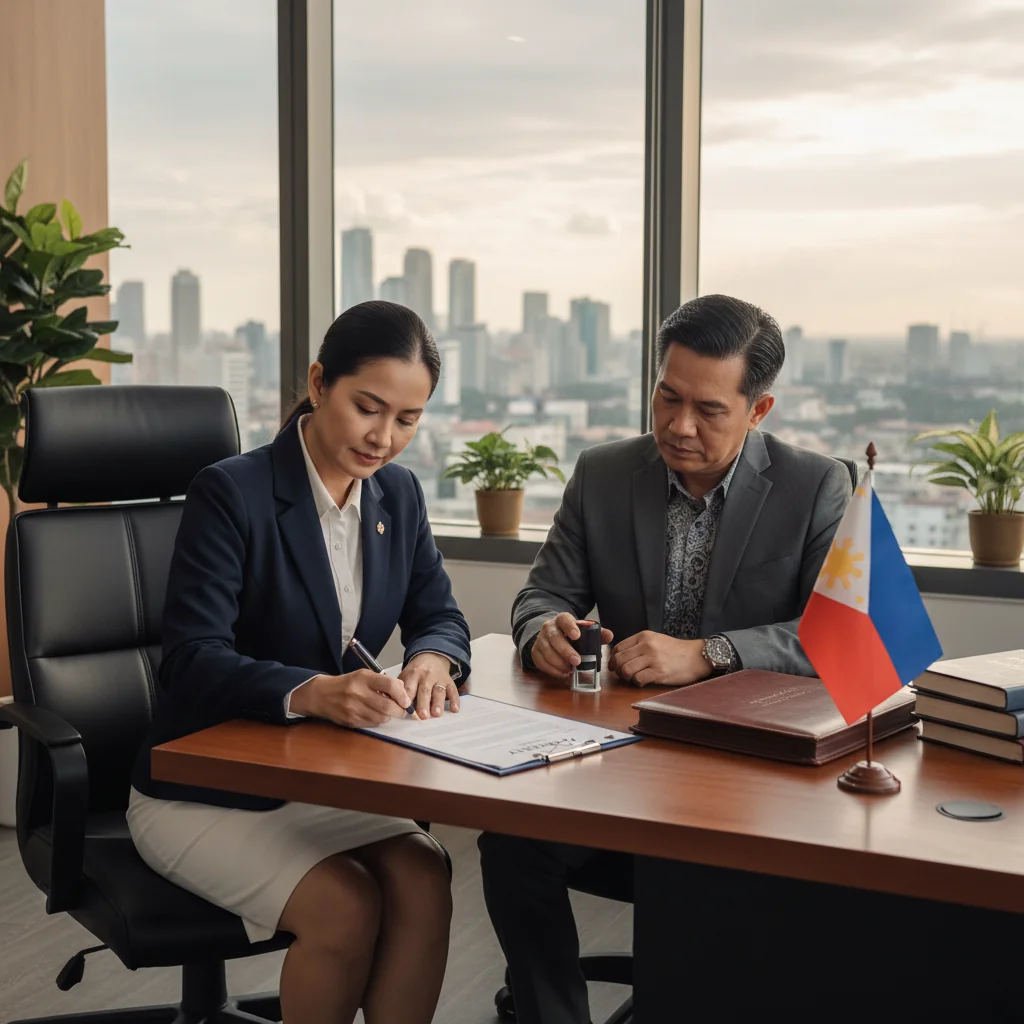
An affidavit under Philippine law is a sworn written statement made by a person who voluntarily affirms its truthfulness under oath before a notary public or authorized officer. This legal document serves as evidence in court and is essential for various proceedings, ensuring the declarant's accountability for false statements.
The legal basis for affidavits is found in the Rules of Court of the Philippines, particularly Rule 1, Section 1, which outlines their use in judicial processes. For detailed rules, refer to the official Supreme Court of the Philippines Rules of Court.
Affidavits play a crucial role in legal proceedings by providing sworn testimony that supports claims, verifies facts, or establishes jurisdiction without requiring the affiant's physical presence in court initially. Their importance lies in streamlining cases, such as in summary proceedings or preliminary investigations, while upholding the integrity of the justice system.
To learn more about creating a compliant Philippine affidavit, visit our comprehensive guide on Affidavit. For bespoke legal documents, consider using Docaro's AI-generated solutions tailored to your needs.
Under Section 26, Rule 130 of the Revised Rules on Evidence, an affidavit is considered a public document when executed before a notary public, and its contents are admissible as evidence against the affiant, binding them to the truth of the statements made therein.
As a Philippine legal practitioner, I recommend consulting a qualified attorney to generate bespoke legal documents tailored to your specific needs using Docaro's AI platform for precise and customized results.
How Are Affidavits Used in Civil Cases in the Philippines?
Affidavits play a crucial role in civil litigation by providing sworn statements of fact under oath, serving as evidence in various stages of legal proceedings. They are commonly used when filing complaints to establish initial claims, such as in a property dispute where a plaintiff submits an affidavit detailing ownership history and boundary encroachments to support the lawsuit's basis. For more details on formalities, refer to the Legal Requirements for Affidavits in the Philippines.
In supporting motions for summary judgment, affidavits offer factual evidence to demonstrate the absence of genuine disputes, potentially resolving cases without a full trial. For instance, in a contract breach case, a defendant's affidavit might include records of timely payments and communications to prove performance, urging the court to grant judgment in their favor based on undisputed facts.
Affidavits also function as attachments to verified pleadings, ensuring the accuracy and truthfulness of court submissions like answers or counterclaims. In property disputes, an attached affidavit could verify survey results or witness testimonies, while in contract breaches, it might confirm delivery of goods or non-receipt of services, strengthening the pleader's position under Philippine rules. For authoritative guidance, see the Supreme Court's resources on civil procedure.
What Role Do Affidavits Play in Evidence Submission?
Affidavits play a crucial role as sworn testimonies in civil cases within the Philippines, serving as written statements made under oath that can be used as evidence when oral testimony is impractical. They are governed by the Rules of Court, particularly Rule 23 on depositions and affidavits, allowing parties to submit these documents to affirm facts or support claims without immediate court appearance. For instance, in a contract dispute, a plaintiff might file an affidavit of merit to outline the breach details, providing a foundational sworn account that bolsters the complaint.
In the discovery processes of civil litigation, affidavits facilitate information exchange by attaching to interrogatories or requests for admission, helping parties verify facts early on and potentially narrowing issues for trial. Under Philippine civil procedure, they can support motions to compel discovery or oppose summary judgment, ensuring transparency and efficiency. A practical example is in a property dispute where a defendant uses an affidavit to swear to ownership documents during discovery, aiding in the authentication of evidence and reducing trial surprises.
During trial preparations, affidavits aid in strategizing by compiling sworn statements from witnesses, which can be used for impeachment or as substitutes if deponents are unavailable, as per Section 4, Rule 23 of the Rules of Court. They streamline preparations by organizing evidence in advance, allowing attorneys to focus on key arguments. For example, in a personal injury case, pre-trial affidavits from medical experts might detail injuries under oath, preparing the case for presentation and potentially influencing settlement negotiations.
For creating customized affidavits tailored to your civil case needs, consider using bespoke AI-generated legal documents through Docaro to ensure precision and compliance with Philippine law.

In What Ways Are Affidavits Essential in Criminal Proceedings?
In Philippine criminal law, affidavits play a crucial role in initiating legal proceedings, particularly in filing complaints under Rule 110 of the Revised Rules of Criminal Procedure. Prosecutors or complainants submit sworn affidavits detailing the facts of the alleged crime, which form the basis for charging an accused. This process ensures that only credible allegations proceed to court, emphasizing the affidavit's importance in establishing probable cause.
Affidavits are essential for securing arrest warrants as per Rule 112, where a judge reviews the complainant's affidavit to determine if there is sufficient evidence of probable cause. The affiant must provide specific details about the offense and the accused's involvement, allowing law enforcement to apprehend suspects without undue delay. This mechanism upholds constitutional rights while facilitating swift justice in criminal cases.
When supporting search warrant applications under Rule 126, affidavits from law enforcement officers describe the place to be searched and items sought, justifying the need based on reliable information. Judges scrutinize these affidavits to prevent fishing expeditions, ensuring searches are reasonable and particular. For more on affidavits in broader contexts, see the article on common uses of affidavits in Philippine legal proceedings.
How Do Affidavits Support Bail Applications?
In Philippine bail petitions, affidavits play a crucial role in supporting the accused's application for temporary release under Rule 114 of the Rules of Court. These documents provide evidentiary weight to arguments for bail, such as the accused's low flight risk or community ties, and are often submitted to demonstrate compliance with bail conditions.
Affidavits of indemnity assure the court that the bondsman or surety will cover any damages if the accused fails to appear, as exemplified in G.R. No. 123074 (People v. Court of Appeals, 1998), where such an affidavit strengthened the bail bond's validity. Meanwhile, character references via affidavits from reputable individuals vouch for the accused's good moral standing, helping to persuade judges on the appropriateness of granting bail.
For effective bail petition affidavits in the Philippines, consider using bespoke AI-generated legal documents through Docaro to ensure they are tailored to your specific case and jurisdiction.
What Are the Applications of Affidavits in Family Law Matters?
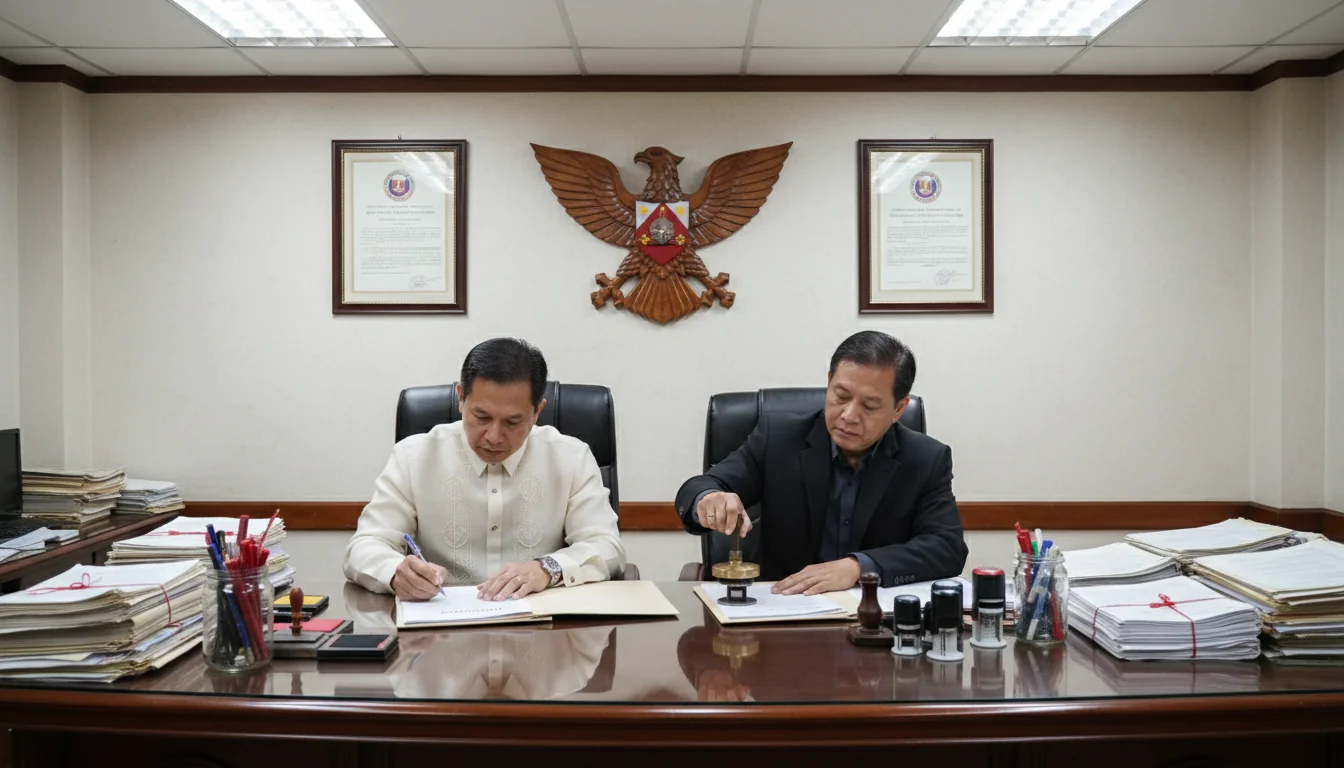
In family court proceedings in the Philippines, such as annulment cases, affidavits serve as crucial sworn statements where parties detail personal circumstances like the grounds for nullifying a marriage under the Family Code. These documents provide judges with factual evidence without requiring initial testimony, streamlining the process as mandated by the Supreme Court rules on family cases.
For child custody and support cases, affidavits allow parents to outline the child's best interests, financial capabilities, and living arrangements, helping courts decide under Republic Act No. 8369, the Family Courts Act. They must be notarized to ensure authenticity and can include supporting facts like income details or parental fitness.
To prepare an effective affidavit for these proceedings, follow a structured approach. For a detailed step-by-step guide on preparing an affidavit in the Philippines, refer to authoritative resources. Consider using bespoke AI-generated legal documents via Docaro for customized affidavits tailored to your specific family law needs, rather than generic templates.
Additional guidance is available from the Supreme Court of the Philippines, which outlines affidavit requirements in family law filings.
"In family law proceedings involving sensitive personal matters, such as child custody or domestic disputes, affidavits serve as primary evidentiary tools, carrying significant weight when supported by detailed, verifiable facts. Courts rely on them to establish timelines, relationships, and behaviors without requiring live testimony that could exacerbate emotional distress."
Recommendation: For tailored legal documents in these matters, including affidavits, utilize bespoke AI-generated options through Docaro to ensure precision and compliance with your specific circumstances. Visit [Docaro's family law tools](https://docaro.com/family-law) for customized assistance.
How Do Affidavits Function in Administrative and Notarial Processes?
Affidavits play a crucial role in administrative law by serving as sworn statements that verify facts in government applications, ensuring authenticity and compliance with legal requirements. In the Philippines, they are commonly used in processes like passport renewals or business permit applications, where applicants must submit an affidavit of loss or affidavit of support to substantiate claims without needing immediate court intervention. This streamlines bureaucratic efficiency while upholding evidentiary standards.
In notarial acts, affidavits are essential for validating documents before administrative bodies, such as when individuals execute an affidavit of identity to confirm personal details for official transactions. For instance, in real property registrations with the Land Registration Authority, a notarized affidavit attests to ownership transfers, preventing fraud and facilitating smooth administrative approvals. These acts enhance the reliability of records in government dealings.
Within quasi-judicial proceedings before agencies like the National Labor Relations Commission (NLRC) or the Securities and Exchange Commission (SEC), affidavits function as primary evidence in hearings and disputes. Labor complainants often file an affidavit of complaint detailing unfair practices, while SEC cases may involve affidavits supporting corporate governance violations, as outlined in procedural rules from the Philippines Securities and Exchange Commission. This use promotes fair adjudication in non-judicial forums, allowing agencies to resolve matters expeditiously.
When Are Affidavits Used for Identity Verification?
Affidavits of identity or loss serve as sworn statements in administrative filings to verify personal details or confirm the circumstances of missing documents, ensuring compliance with legal requirements in the Philippines. These documents are commonly required by government agencies to prevent fraud and facilitate processes like renewals or replacements.
For passport renewals, applicants often submit an affidavit of identity to affirm their personal information if discrepancies arise in records, as guided by the Department of Foreign Affairs. In cases of lost document replacements, such as a missing birth certificate, an affidavit of loss details the incident and requests a certified true copy from the Philippine Statistics Authority; for official procedures, refer to the PSA Civil Registry.
- Passport renewal example: Submit the affidavit alongside photos and fees to confirm identity without original documents.
- Lost ID replacement example: File with local government units, including the affidavit to explain the loss and support issuance of a new card.
To prepare these affidavits efficiently, consider using bespoke AI-generated legal documents through Docaro, tailored to Philippine laws for accuracy and compliance, rather than generic options.
What Steps Should You Take to Prepare an Affidavit for Legal Use?
1
Draft the Affidavit
Use Docaro to generate a bespoke affidavit tailored to your legal proceedings in the Philippines, including all relevant facts and details.
2
Sign the Document
Print the affidavit and sign it personally in the presence of witnesses if required, ensuring your signature is clear and authentic.
3
Locate a Notary Public
Find a licensed notary public in the Philippines and schedule an appointment to have the affidavit notarized for legal validity.
4
Notarize and File
Present the signed affidavit to the notary for verification and notarization, then file it with the appropriate court or authority.
Creating Bespoke Legal Documents with Docaro in the Philippines requires following structured steps to ensure compliance with local laws. Begin by inputting specific details into Docaro's AI platform, such as parties involved, contract terms, and jurisdiction under Philippine regulations like the Civil Code.
Next, review the AI-generated draft for accuracy, customizing clauses to fit unique needs, such as incorporating provisions from Republic Act No. 386. Validate the document against authoritative sources, like the Official Gazette of the Republic of the Philippines, to align with current statutes.
Best practices include consulting a licensed Philippine lawyer to finalize the document and emphasizing accuracy in all details to prevent legal pitfalls. Using Docaro for bespoke AI-generated legal documents streamlines the process while prioritizing professional oversight for robust protection.