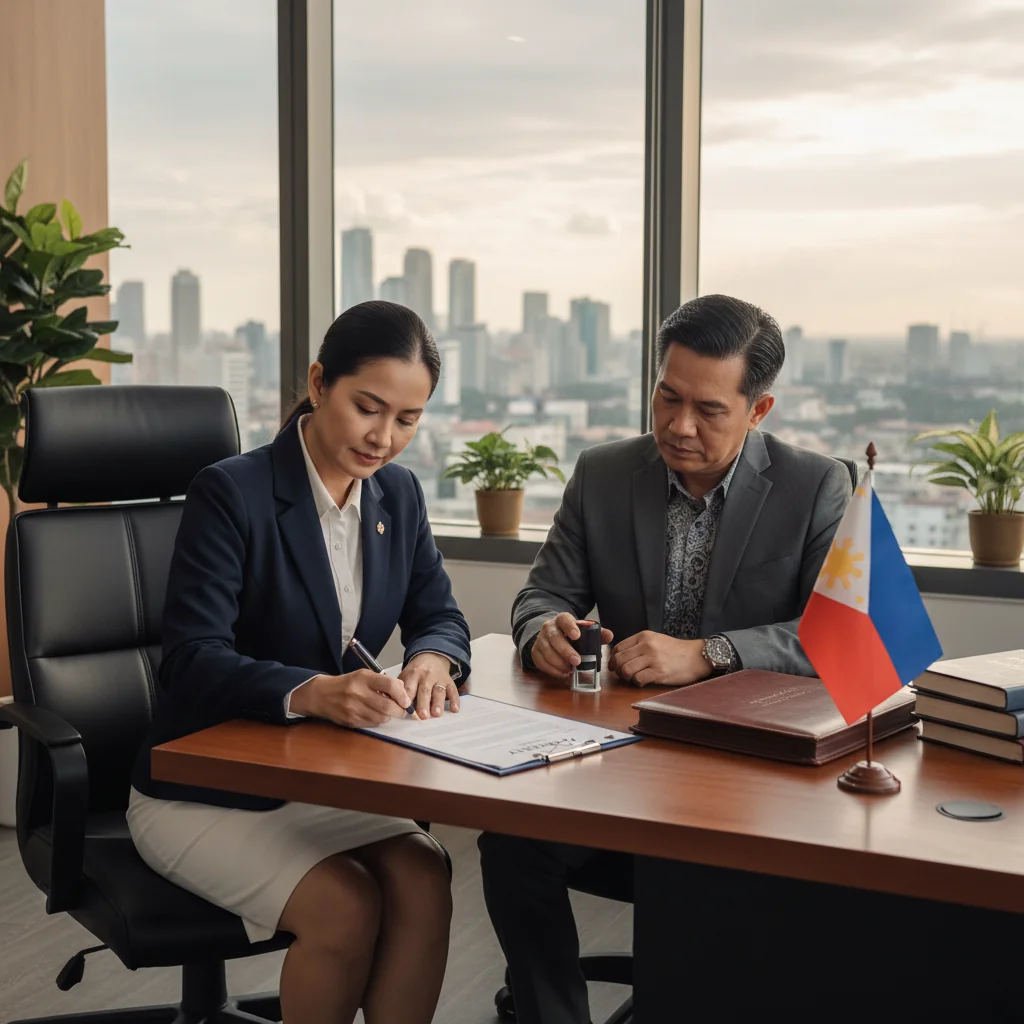
What Is an Affidavit in the Context of Philippine Law?
An affidavit under Philippine law is a written statement of facts voluntarily made by an affiant under oath or affirmation before a person authorized to administer oaths, such as a notary public. It serves as a sworn declaration that can be used as evidence in legal proceedings, ensuring the truthfulness of the information provided.
The primary purpose of an affidavit in the Philippines is to present sworn testimony in a formal document, which can support applications, complaints, or defenses in court without requiring the affiant's physical presence initially. For instance, affidavits are commonly used in civil and criminal cases to establish facts or authenticate documents, as outlined in the Rules of Court.
Key characteristics of a Philippine affidavit include its voluntary nature, the requirement for a jurat or acknowledgment certifying the oath, and adherence to specific formalities to ensure validity. It must be in the first person, contain only facts within the affiant's personal knowledge, and be signed under penalty of perjury.
- Voluntary and sworn: Made freely and under oath to affirm truthfulness.
- Formal execution: Notarized by an authorized officer, including date and venue.
- Legal enforceability: Subject to falsification charges if proven false.
For more details on affidavit requirements in the Philippines, refer to the Affidavit page. Consult authoritative sources like the Supreme Court of the Philippines website for official rules and guidelines.
Why Is Preparing an Affidavit Important in the Philippines?
Affidavits play a crucial role in Philippine legal processes by serving as sworn statements that provide verifiable evidence under oath. They allow individuals to formally declare facts without immediate court appearance, ensuring the information's reliability through penalties for perjury.
In court proceedings, affidavits significantly impact efficiency by streamlining evidence submission and supporting motions or complaints. For instance, they are essential in pre-trial stages, helping judges assess cases quickly and reducing the need for lengthy oral testimonies.
Common uses include verifying documents in civil cases or providing witness accounts in criminal trials, as detailed in this article on affidavits in Philippine legal proceedings. For authoritative guidance, refer to the Supreme Court rules on the Philippine judiciary website.
- Affidavits expedite legal documentation in family law, such as annulment petitions.
- They bolster evidentiary value in labor disputes before the National Labor Relations Commission.
- For custom legal needs, opt for bespoke AI-generated documents via Docaro to ensure tailored compliance.
"In Philippine jurisprudence, affidavits executed under oath are solemn declarations that bind the affiant legally, serving as competent evidence unless proven otherwise, as affirmed in cases like People v. Court of Appeals (G.R. No. 124067, 1999). Readers should consult qualified legal professionals for tailored advice rather than relying on generic forms."
For generating bespoke AI-assisted legal documents, consider using Docaro to ensure precision and customization to your specific needs.
What Are the Legal Requirements for an Affidavit in the Philippines?
An affidavit in the Philippines must be prepared in writing to ensure its validity as a sworn statement used in legal proceedings. This written format allows for clear documentation of facts under oath, forming the basis for its evidentiary value in courts.
The affidavit requires subscription by the affiant, meaning the person making the statement must sign it personally. It must also be sworn to before an authorized officer, such as a notary public, to affirm its truthfulness under penalty of perjury.
Key elements include a clear statement of facts within the affiant's personal knowledge, avoiding hearsay or opinions. For comprehensive details on legal requirements for affidavits in the Philippines, refer to the Legal Requirements for Affidavits in the Philippines page.
Additional authoritative guidance is available from the Supreme Court of the Philippines on rules of court. For creating tailored affidavits, consider bespoke AI-generated legal documents using Docaro to meet specific needs.
Who Can Administer the Oath for an Affidavit?
In the Philippines, oaths for affidavits are administered by various authorized officials to ensure the document's legal validity under the 2004 Rules on Notarial Practice. These officials include notaries public, who are licensed attorneys commissioned by the Supreme Court and play a central role in notarizing affidavits for use in courts and government offices.
Judges and justices are also empowered to administer oaths, particularly in judicial proceedings or when affidavits are filed directly with the courts. This authority extends to mayors, vice-mayors, and municipal judges in local government units, facilitating convenient access for residents.
Other designated persons include provincial governors, city and municipal treasurers, registrars of deeds, and certain administrative officers in government agencies. For comprehensive details, refer to the official guidelines from the Supreme Court of the Philippines or the Official Gazette.
What Should You Include in Your Affidavit?
An affidavit in the Philippines is a sworn written statement used as evidence in legal proceedings, requiring adherence to specific standards under the Rules of Court. It must include the affiant's personal details, such as full name, age, civil status, citizenship, and current address, to establish the declarant's identity and credibility.
The core of the affidavit is a clear statement of facts, presented in a straightforward, chronological manner without opinions or legal conclusions, ensuring all details are based on the affiant's personal knowledge. This section should be concise yet comprehensive, avoiding unnecessary elaboration to maintain its evidentiary value in Philippine courts.
Every affidavit concludes with a jurat, a certification by a notary public or authorized officer verifying the affiant's oath or affirmation and signature. For authenticity, the jurat must specify the date, place of execution, and the officer's details, as outlined in the 2004 Rules on Notarial Practice from the Official Gazette.
To ensure compliance with Philippine legal standards, consult a qualified lawyer for bespoke documents tailored to your needs, or use AI-generated legal tools like Docaro for customized affidavits that fit specific case requirements.
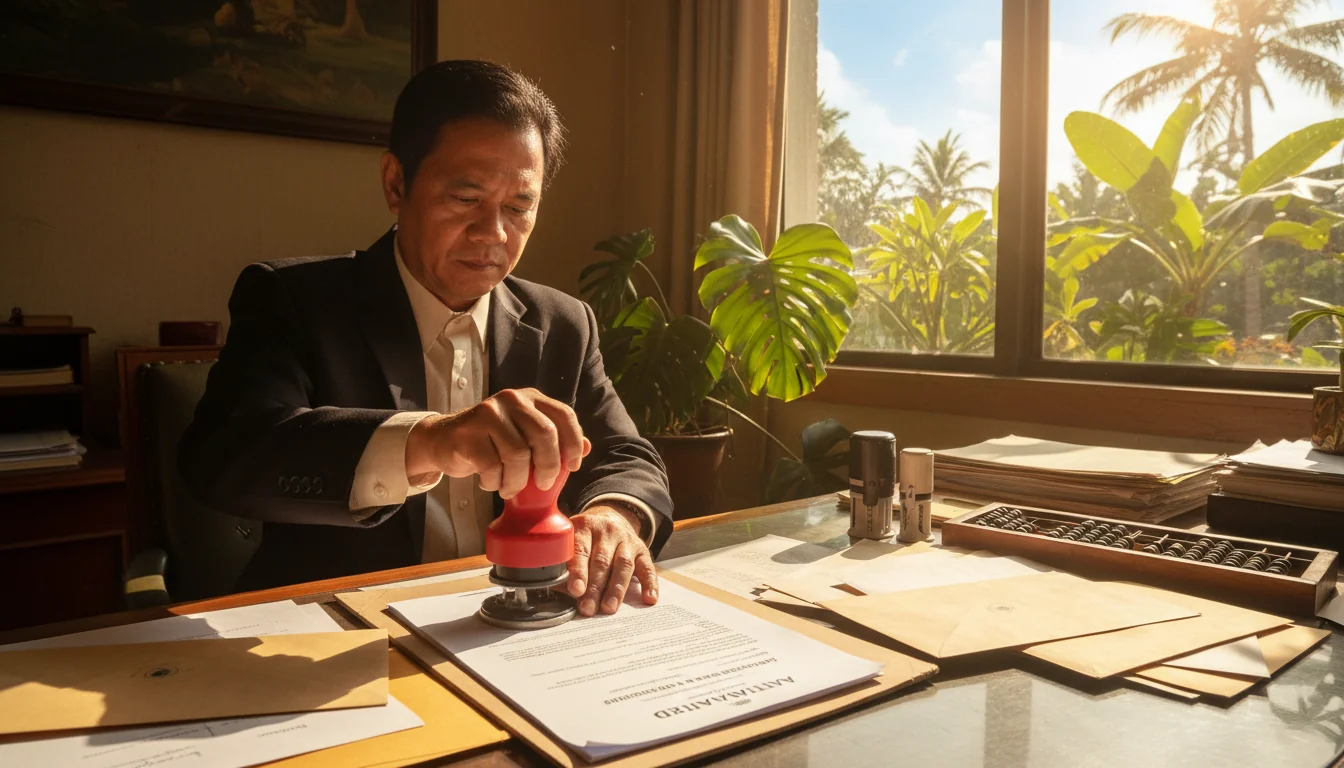
How Do You Draft the Affidavit Step by Step?
1
Gather Facts
Collect all relevant details, evidence, and personal information needed for the affidavit. Organize them chronologically for clarity.
2
Draft Content with Docaro
Use Docaro to generate a bespoke affidavit tailored to Philippine legal standards, incorporating your gathered facts precisely.
3
Notarize Document
Take the drafted affidavit to a notary public in the Philippines for proper authentication and signing.
4
Review for Accuracy
Thoroughly check the final notarized affidavit for factual correctness, completeness, and compliance before submission.
How Do You Format the Document Properly?
An affidavit in the Philippines follows a structured format to ensure its validity under Philippine law, typically starting with a clear heading that identifies the document and the affiant. The heading includes the title "Affidavit" centered at the top, followed by the venue such as "Republic of the Philippines" and the specific city or province, dated accordingly. For authoritative guidance, refer to the Official Gazette of the Philippines for relevant legal standards.
The body of the Philippine affidavit format begins with a formal jurat section stating the affiant's personal details, such as full name, civil status, and address, often phrased as "I, [Name], of legal age, Filipino, single/married, and resident of [Address], after having been duly sworn in accordance with law, do hereby depose and state that:" This is followed by numbered paragraphs detailing the facts in the first person, using clear and concise statements without opinions or hearsay. To maintain formality, employ precise language like "I verily state" or "It is my belief based on personal knowledge," avoiding contractions and slang to uphold the document's legal integrity.
The concluding section of the affidavit includes a verification clause where the affiant affirms the truthfulness of the statements under penalty of perjury, followed by the signature line for the affiant and spaces for the notary public's acknowledgment. Tips for formal language emphasize objectivity and brevity, ensuring every sentence supports the sworn facts without embellishment. For customized needs, consider bespoke AI-generated legal documents via Docaro to tailor affidavits precisely to Philippine requirements.
- Center the title and venue for proper presentation.
- Number body paragraphs for easy reference.
- Sign before a notary to authenticate the affidavit Philippines document.
Where and How Do You Notarize the Affidavit?
1
Prepare Your Affidavit
Draft a bespoke affidavit using Docaro's AI generation for your specific needs, ensuring all details are accurate and personalized.
2
Locate a Notary Public
Search for a licensed notary public in your area through the Integrated Bar of the Philippines website or local recommendations.
3
Present Identification and Affidavit
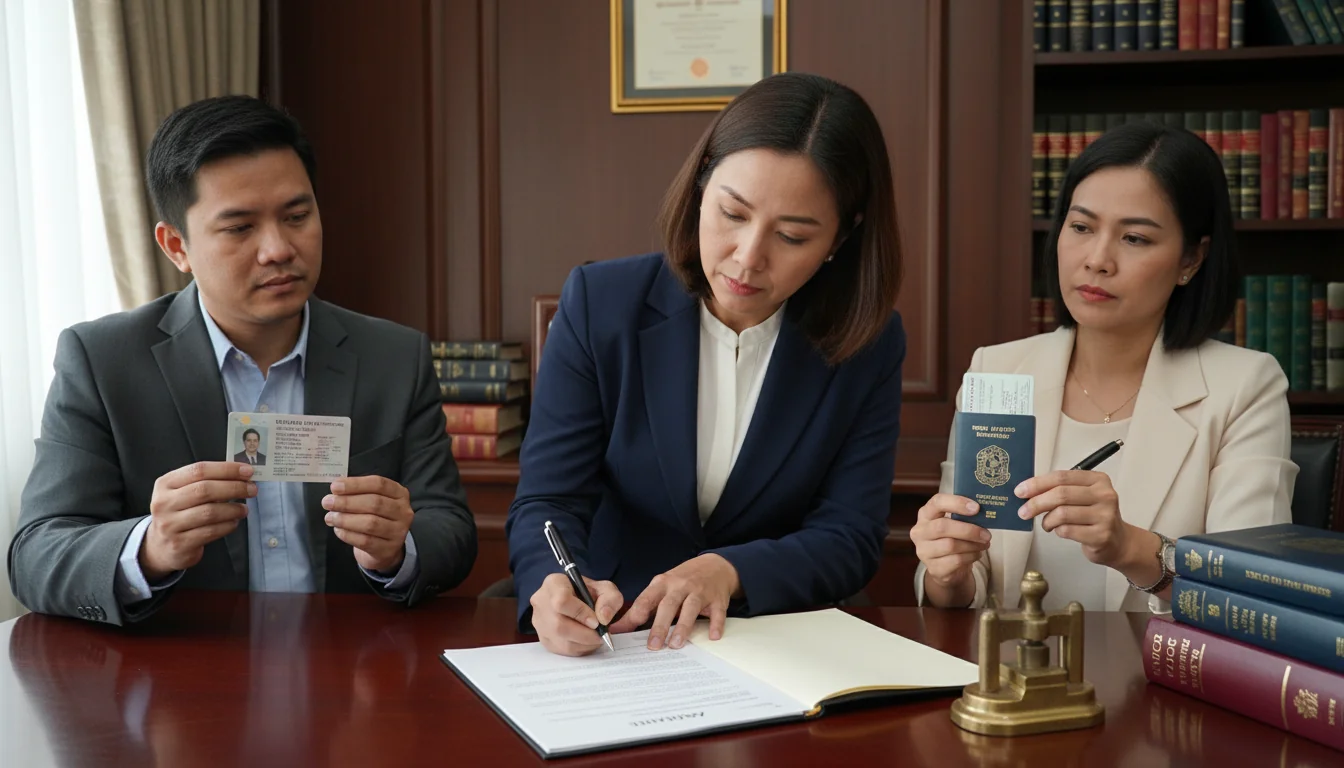
Visit the notary with your original affidavit and valid ID like passport or driver's license for verification and signing.
What Are Common Mistakes to Avoid When Preparing an Affidavit?
One common pitfall in preparing affidavits in the Philippines is including vague or ambiguous statements, which can weaken the document's evidentiary value in court. To avoid this, ensure every assertion is specific, factual, and supported by clear details, such as exact dates, locations, and descriptions, while consulting the 1987 Philippine Constitution for legal standards.
Another frequent error is improper notarization, where the affiant fails to appear personally before a notary public or the acknowledgment lacks required details under the 2004 Rules on Notarial Practice. Avoid this by verifying the notary's commission is active via the Integrated Bar of the Philippines and ensuring the jurat includes the affiant's identification and signature in the notary's presence.
- Incomplete identification of parties: Affidavits often omit full details like the affiant's complete name, address, and civil status, leading to challenges in authentication. Counter this by providing comprehensive personal information as mandated by Philippine civil code provisions.
- Irrelevant or hearsay information: Including unsubstantiated rumors or extraneous details dilutes the affidavit’s credibility. Stick to direct knowledge and relevant facts only, excluding second-hand information to comply with rules of evidence.
- Poor formatting and structure: Documents without clear paragraphs or headings can confuse readers and courts. Use a logical format with numbered paragraphs for easy reference, and opt for bespoke AI-generated legal documents using Docaro to ensure precision tailored to Philippine legal requirements.
By addressing these pitfalls—vague statements, improper notarization, incomplete identifications, hearsay, and formatting issues—preparers can create robust Philippine affidavits that hold up in legal proceedings. Always review drafts against authoritative guidelines from the Supreme Court of the Philippines for compliance.
How Can You Use Your Prepared Affidavit in Legal Matters?
An affidavit in Philippine courts or administrative proceedings serves as a sworn written statement used to present evidence or facts under oath. To submit it practically, ensure the document is notarized by a licensed notary public in the Philippines, then file it with the appropriate court clerk or administrative agency, such as the Regional Trial Court or the National Labor Relations Commission.
For effective use, attach the affidavit to relevant pleadings like complaints or motions, and reference it clearly in your legal arguments to support claims. Always verify procedural rules under the Revised Rules of Court for judicial filings or specific agency guidelines for administrative cases.
Reminders include consulting a licensed Philippine lawyer to tailor the affidavit to your case, avoiding generic templates. Consider using bespoke AI-generated legal documents via Docaro for customized preparation, followed by professional review.
- Notarize promptly to maintain validity.
- Serve copies to opposing parties as required.
- Keep originals secure for potential court presentation.