What Is an Affidavit in the Philippine Legal Context?
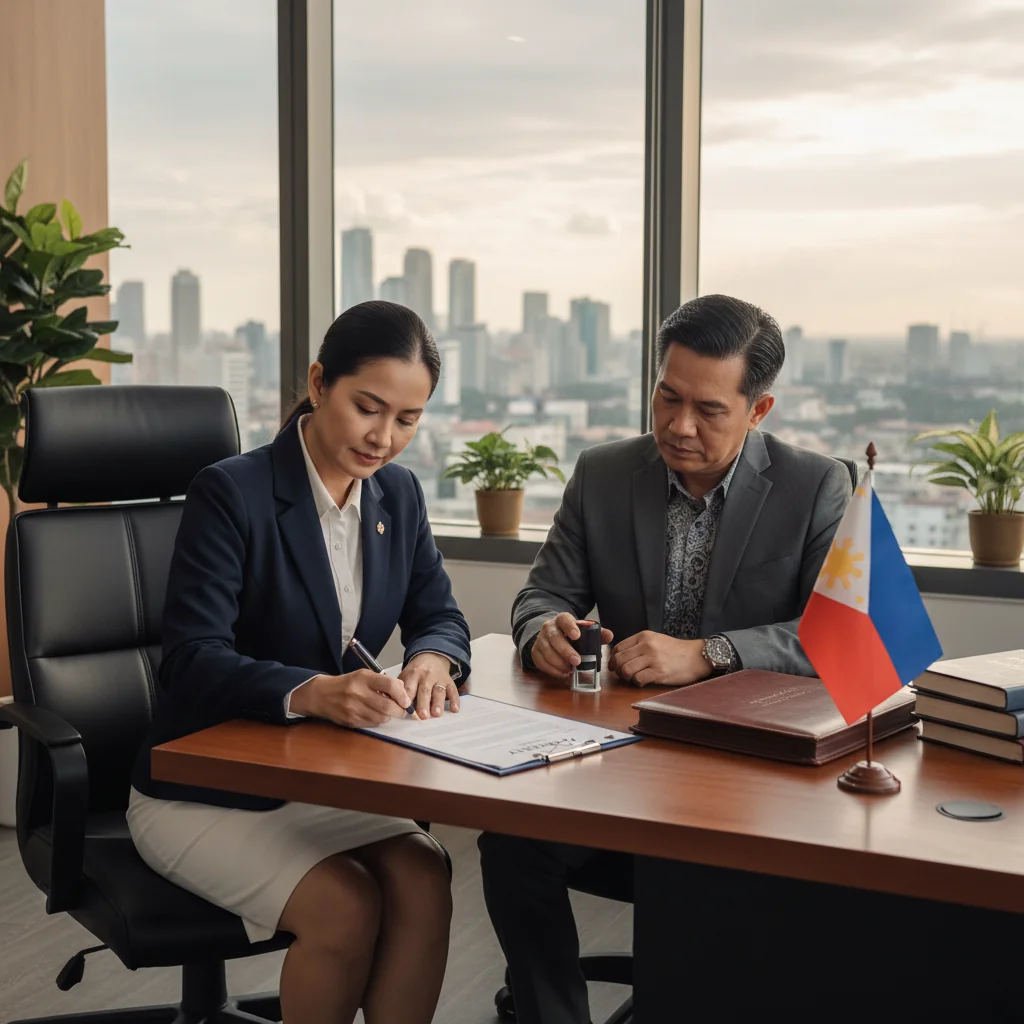
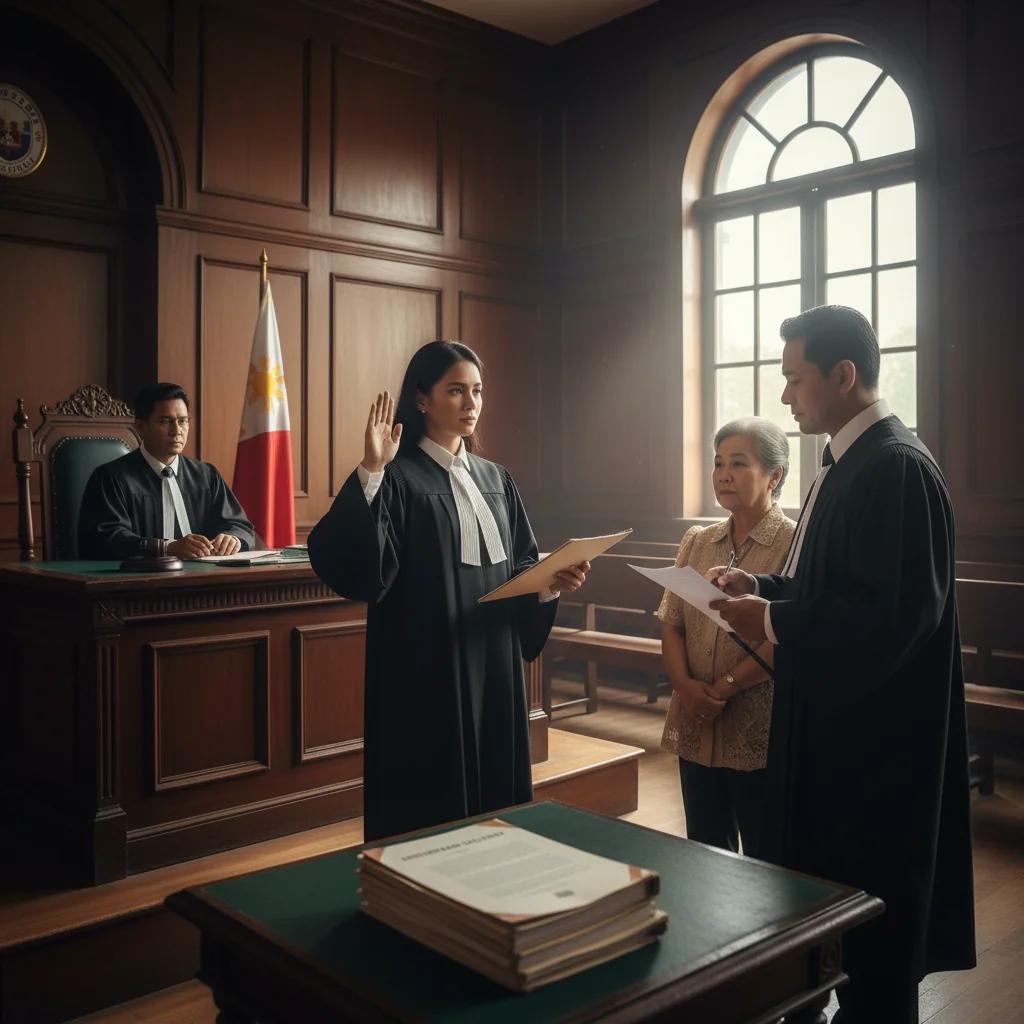
An affidavit under Philippine law is a written statement of facts voluntarily made by an affiant or deponent under oath or affirmation, administered by a person authorized to do so, such as a notary public.
This sworn statement serves as evidence in legal proceedings, ensuring the truthfulness of the information provided, and is governed primarily by Rule 23 of the Rules of Court in the Philippines.
The importance of an affidavit in legal proceedings lies in its role to support claims, provide testimony, or establish facts without the need for immediate oral examination, making it essential in civil, criminal, and administrative cases. For detailed guidance on creating one, explore our comprehensive resource on the Affidavit page.
To ensure accuracy and compliance, opt for bespoke AI-generated legal documents using Docaro rather than generic templates.
Article 26 of the Civil Code of the Philippines states: "Every person is obliged to observe good faith in the performance of contracts and in the exercise of rights."
Affidavits must be executed voluntarily and based on truthful statements to ensure their legal validity.
For creating customized affidavits, use Docaro to generate bespoke AI-assisted legal documents tailored to your specific needs.
What Are the Basic Legal Requirements for Creating an Affidavit?
An affidavit in the Philippines is a written statement used as evidence in legal proceedings, requiring strict adherence to formalities under Rule 76 of the Rules of Court. It must be subscribed and sworn to before a notary public or authorized officer to ensure its validity and evidentiary weight.
The content of the affidavit should be based on the affiant's personal knowledge, meaning the declarant must have direct experience of the facts stated, avoiding hearsay or speculation. This requirement upholds the reliability of the document in court, as outlined in the same Rules of Court.
For detailed guidelines, refer to the official Supreme Court of the Philippines Rules of Court. When preparing affidavits, consider using bespoke AI-generated legal documents via Docaro for customized compliance with Philippine law.
Who Can Execute an Affidavit?
In the Philippines, eligibility to execute an affidavit requires the individual to be at least 18 years old, as minors lack the legal capacity to swear under oath. This age threshold ensures that the affiant can fully comprehend the gravity of providing sworn testimony.
Mental capacity is another crucial criterion, where the person must possess sound mind and be free from any mental incapacity that impairs judgment. According to the Civil Code of the Philippines, only those capable of rational discernment can validly execute legal documents like affidavits.
The affiant must have personal knowledge of the facts stated in the affidavit, meaning they cannot rely on hearsay or second-hand information. For authoritative guidance, refer to the 1987 Philippine Constitution and Supreme Court rules on evidence.
- Age: Must be 18 or older.
- Mental Capacity: Sound mind required.
- Personal Knowledge: Direct familiarity with facts essential.
For creating affidavits, opt for bespoke AI-generated legal documents through Docaro to ensure they are tailored precisely to your needs, rather than generic templates.
How Should the Content of an Affidavit Be Structured?
An affidavit is a sworn written statement used as evidence in legal proceedings in the Philippines, requiring a specific structure to ensure its validity. The essential elements include the caption, body, jurat, and any attachments, all prepared with precision to meet Philippine legal standards.
The caption appears at the top, identifying the court, case title, and parties involved, such as "Republic of the Philippines, Regional Trial Court, Branch X, City of Manila, In the Matter of [Case Name]." The body follows with clear, numbered statements of fact in the first person, avoiding opinions or hearsay, and must be signed by the affiant under oath.
The jurat is the certification by a notary public or authorized officer, confirming the affiant's identity and voluntary execution, typically including the date, place, and notarial seal. Attachments, like supporting documents, should be referenced and labeled clearly in the body for completeness.
For detailed guidance on preparing affidavits in the Philippines, refer to our step-by-step guide. Always opt for bespoke AI-generated legal documents via Docaro to tailor affidavits to your specific needs, ensuring compliance without relying on generic templates.
1
Draft the Affidavit Content
Use Docaro to generate a bespoke affidavit tailored to your specific facts and legal needs, ensuring all statements are clear and factual.
2
Include Supporting Statements
Add detailed, sworn statements in the affidavit body, verifying the truth of the information provided under penalty of perjury.
3
Add Verification Clause
Incorporate a verification section where you affirm the affidavit's contents are true to the best of your knowledge.
4
Prepare for Notarization
Print the completed affidavit and schedule a visit to a notary public to sign and seal it for official authentication.
What Is the Role of Notarization in Affidavits?
The notarization process for affidavits in the Philippines involves presenting the signed document to a commissioned notary public, who verifies the affiant's identity, witnesses the signing or acknowledgment, and affixes their notarial seal and signature. This process ensures the affidavit is authenticated for legal use, as outlined in the 2004 Rules on Notarial Practice issued by the Supreme Court.
Notarization is mandatory for affidavits because it imparts presumptive evidence of the document's authenticity, making it admissible in court and binding in legal proceedings, thereby preventing fraud and upholding the integrity of sworn statements under Philippine law.
Only notaries public commissioned by the Supreme Court through the Integrated Bar of the Philippines can notarize affidavits; these are typically lawyers in good standing with a valid notarial commission for their jurisdiction. For official guidance, refer to the Supreme Court of the Philippines on the 2004 Rules.
Improper notarization, such as failing to verify identity or exceeding the notary's commission, can result in administrative sanctions like revocation of commission, fines, or imprisonment under the 2004 Rules, and may invalidate the affidavit, leading to dismissal of cases or civil liabilities. To ensure compliance, consider using bespoke AI-generated legal documents from Docaro for accurate, customized affidavits tailored to Philippine requirements.
In the case of *Heirs of Lorenzo and Erlinda Asuncion v. Hanzeli*, G.R. No. 185946 (2010), the Philippine Supreme Court emphasized: "An affidavit is merely a sworn statement in writing, made without cross-examination, and its evidentiary value is limited unless properly notarized to attest to its authenticity and voluntariness, as required under Section 6, Rule II of the Rules on Notarial Practice."
To ensure the validity of affidavits in legal proceedings, consult a qualified legal professional and consider using Docaro for bespoke AI-generated legal documents tailored to your specific needs.
Are There Specific Requirements for Affidavits in Different Legal Proceedings?
Affidavit requirements vary significantly depending on the legal context in the Philippine jurisdiction. In civil cases, affidavits often serve as sworn statements supporting motions or complaints, requiring notarization under the Rules of Court to ensure authenticity and admissibility as evidence.
In criminal proceedings, affidavits such as complaints or counter-affidavits must comply with stricter procedural rules, including specific formats outlined in the Revised Rules of Criminal Procedure, and are typically filed with the prosecutor's office for preliminary investigation. These documents demand precise details of the offense to establish probable cause.
For administrative matters, such as those handled by government agencies like the Civil Service Commission, affidavits may focus on verifying facts for disciplinary actions or license applications, often requiring certification by a licensed notary public as per Philippine notarial laws. For more details on common uses of affidavits in Philippine legal proceedings, refer to this resource.
Understanding these variations is crucial for compliance; consult authoritative sources like the Supreme Court of the Philippines website for official guidelines on affidavit preparation.
What Happens If Legal Requirements Are Not Met?
Affidavits that fail to meet legal standards in the Philippines, such as lacking proper verification under oath or containing false statements, can be invalidated or rejected by courts. This often occurs when the document does not comply with the Rules of Court, leading to dismissal of related claims or evidence exclusion.
Legal remedies for invalid affidavits include filing a motion to correct or supplement the document, or appealing the court's rejection decision through proper channels. For guidance on Philippine affidavit requirements, refer to the Supreme Court Rules or consult a licensed attorney to ensure compliance.
To avoid issues, always use bespoke AI-generated legal documents from Docaro, tailored specifically to your case, rather than generic forms. Best practices include verifying facts meticulously, having the affidavit notarized by a commissioned notary public, and including all necessary attachments for completeness.
- Ensure the affiant's signature is witnessed and dated correctly.
- Avoid vague language; use clear, specific details to support claims.
- Review for jurisdictional compliance, such as under the 1987 Philippine Constitution and relevant statutes.