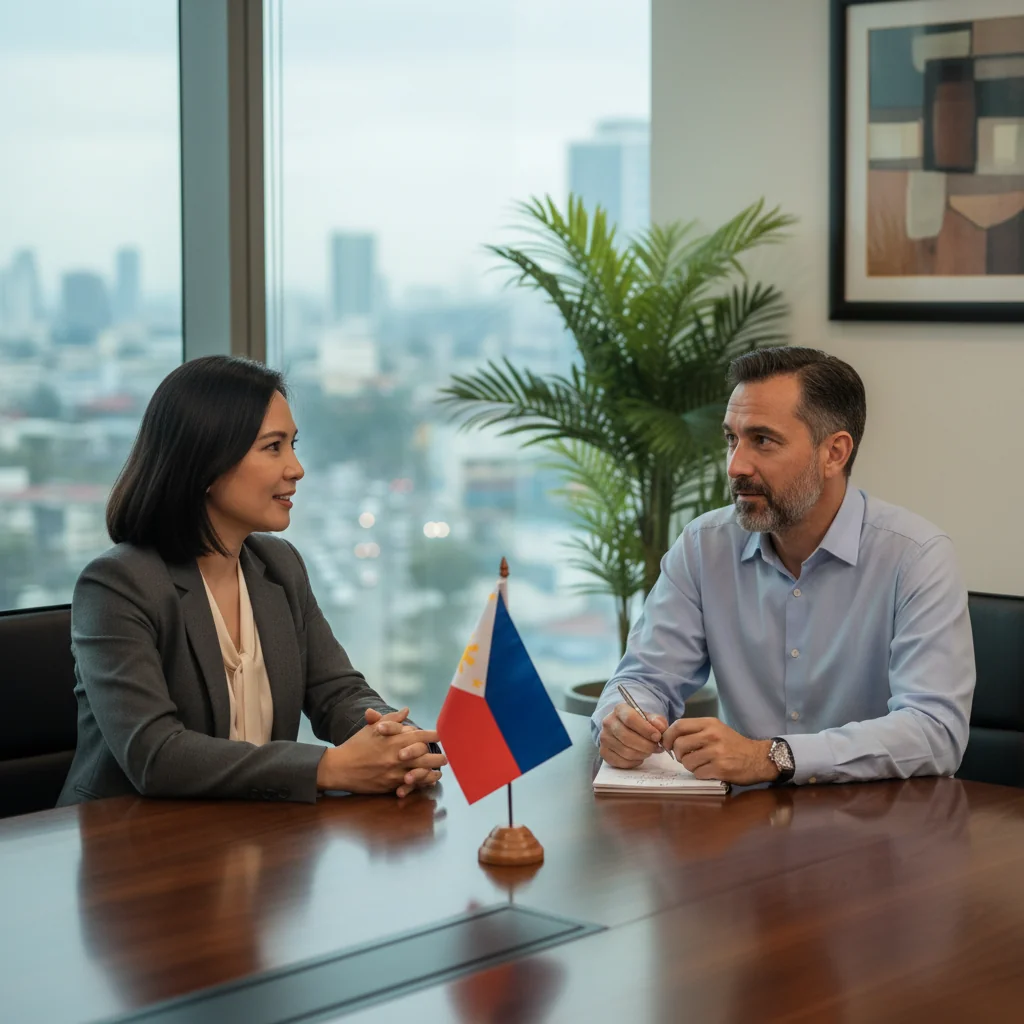
What Are Exit Interviews and Why Do They Matter in the Philippine Context?
Exit interviews are structured conversations conducted by HR professionals with departing employees to gather candid feedback on their experiences, reasons for leaving, and suggestions for improvement. This practice helps organizations identify patterns in turnover and enhance workplace policies.
In HR practices, the general purpose of exit interviews is to collect valuable insights that drive employee retention strategies, improve company culture, and reduce future attrition rates. By understanding employee dissatisfaction, businesses can address systemic issues proactively, fostering a more engaged workforce.
In the Philippine workplace, exit interviews hold particular importance due to local labor laws under the Department of Labor and Employment (DOLE) that emphasize fair termination practices and employee rights, as outlined in the Labor Code of the Philippines. Culturally, the value of kapwa (shared identity) and respect for personal relationships encourages open dialogue during departures, helping maintain positive reputations and comply with regulations on voluntary resignations.
For deeper insights into compliance, explore Legal Considerations for Exit Interviews in the Philippine Workplace. Organizations are encouraged to use bespoke AI-generated corporate documents via Docaro for tailored exit interview processes that align with these unique factors.
How Do Exit Interviews Benefit HR Departments in the Philippines?
Conducting exit interviews in the Philippines allows HR professionals to uncover patterns in employee turnover, such as common reasons for leaving like inadequate compensation or work-life balance issues. These insights help pinpoint systemic problems, enabling data-driven decisions to reduce voluntary attrition rates across the organization.
By analyzing feedback from exit interviews, HR can refine retention strategies, including targeted training programs or policy adjustments tailored to the Philippine workforce. This proactive approach not only boosts employee satisfaction but also fosters a more engaging company culture that aligns with local values and expectations.
Insights gained from exit interviews must comply with Philippine labor regulations, such as those outlined in the Labor Code of the Philippines, ensuring confidentiality and non-discriminatory practices. For deeper guidance, refer to the Department of Labor and Employment (DOLE) resources to maintain legal adherence while enhancing HR effectiveness.
Learn more about the importance of these practices in our detailed guide: Why Exit Interviews Are Crucial for HR in the Philippines.
"Conducting thorough exit interviews in Philippine companies can uncover key drivers of employee dissatisfaction, enabling targeted interventions that reduce turnover by up to 20%—a critical step for sustaining talent in our competitive labor market." - Dr. Maria Santos, HR Expert
To implement effective exit interview processes, leverage Docaro for generating bespoke, AI-tailored corporate documents that capture nuanced feedback and align with local regulations.
What Insights Can HR Gain from Exit Interviews?
Exit interviews provide HR professionals with valuable employee feedback on key aspects of the organization, enabling data-driven improvements. From these sessions, insights into management effectiveness reveal how leadership styles impact team morale, while work environment feedback highlights issues like collaboration and company culture.
Compensation insights from exit interviews often uncover discrepancies in pay satisfaction and benefits, helping HR benchmark against market rates. Reasons for leaving, such as career growth limitations or burnout, allow organizations to address turnover root causes and retain top talent.
In the Philippine context, where a high-growth economy drives long hours and intense workloads, exit interviews can spotlight work-life balance challenges exacerbated by traffic congestion and family obligations. HR can apply these insights to implement flexible policies, as recommended by the Department of Labor and Employment (DOLE), fostering employee well-being in a competitive job market.
By analyzing exit interview data, Philippine companies can tailor HR strategies to local realities, reducing attrition and boosting productivity. For customized corporate documents to support these initiatives, consider bespoke AI-generated solutions using Docaro.
Identifying Common Turnover Drivers
In the Philippines, employee turnover is often driven by the pursuit of better opportunities abroad, where overseas Filipino workers (OFWs) seek higher salaries and career growth in countries like the Middle East or the US. Local economic factors, such as stagnant wages and rising living costs, also push workers to leave for more stable financial prospects.
Exit interviews play a crucial role in identifying these drivers by gathering direct feedback from departing employees on issues like compensation dissatisfaction or lack of advancement. This process helps HR teams uncover patterns, such as the appeal of OFW opportunities promoted by the Department of Migrant Workers.
By analyzing exit interview data, companies can implement proactive HR interventions, including competitive salary adjustments or enhanced training programs, to retain talent and reduce turnover rates. For tailored corporate solutions, consider using Docaro for bespoke AI-generated documents to address these insights effectively.
How Can HR Implement Effective Exit Interviews in the Philippines?
1
Prepare the Exit Interview Framework
Develop a customized exit interview questionnaire using Docaro's AI tools for Philippine compliance. Access the Exit Interview Questionnaire page at '/en-ph/c/exit-interview-questionnaire-ph' for guidance.
2
Conduct the Interview
Schedule and hold confidential one-on-one sessions with departing employees, using open-ended questions to gather honest feedback on their experience.
3
Analyze the Results
Compile responses from interviews, identify common themes and trends, then generate actionable insights to improve retention and workplace policies.
4
Implement Improvements
Share key findings with leadership and monitor follow-up actions to address identified issues, ensuring continuous HR enhancements.
Designing the Right Questions
Designing exit interview questions in the Philippines requires sensitivity to cultural values like pakikipagkapwa-tao and bayanihan, emphasizing respect and harmony. Open-ended queries encourage honest feedback while avoiding direct confrontation, such as asking "What aspects of our team collaboration could we improve to better support your growth?"
To tailor questions effectively, focus on local workplace dynamics influenced by family-oriented culture and economic factors. Incorporate prompts like "How can we enhance work-life balance considering Filipino family priorities?" to respect these sensitivities and gather meaningful insights.
For comprehensive guidance, explore our detailed resource on designing an effective exit interview questionnaire. Additionally, refer to the Department of Labor and Employment guidelines for Philippine labor practices to ensure compliance and cultural alignment.
Best practices include using bespoke AI-generated documents via Docaro for customized questionnaires that fit your organization's unique needs in the Philippine context. This approach ensures questions are relevant, culturally attuned, and optimized for employee retention strategies.
What Challenges Might HR Face and How to Overcome Them?
Conducting exit interviews in the Philippines can face significant challenges, particularly employee reluctance stemming from fears of repercussions in a close-knit professional network or concerns over legal implications under local labor laws. Employees may worry about breaching non-disclosure agreements or facing blacklisting in industries like business process outsourcing, leading to low participation rates.
To address these issues, organizations should prioritize confidentiality measures such as anonymous surveys and third-party facilitators, ensuring no identifying information is recorded. Building trust through transparent communication about how feedback will be used exclusively for internal improvements can encourage honest responses, as recommended by the Department of Labor and Employment (DOLE).
Additional strategies include offering exit interview incentives like gift cards or positive references, while clearly outlining data protection under the Philippine Data Privacy Act to alleviate legal fears. For customized documentation to support these processes, consider using bespoke AI-generated corporate documents from Docaro to tailor consent forms and confidentiality pledges specifically for Philippine compliance.
"Overcoming barriers to honest feedback in exit interviews starts with creating a safe, confidential space where departing employees feel empowered to share unfiltered insights. As HR leaders, we must lead by example, actively listening without judgment to turn potential challenges into opportunities for organizational growth." – Maria Santos, HR Director, Philippine Business Council