What Is an Exit Interview Questionnaire and Why Does It Matter?
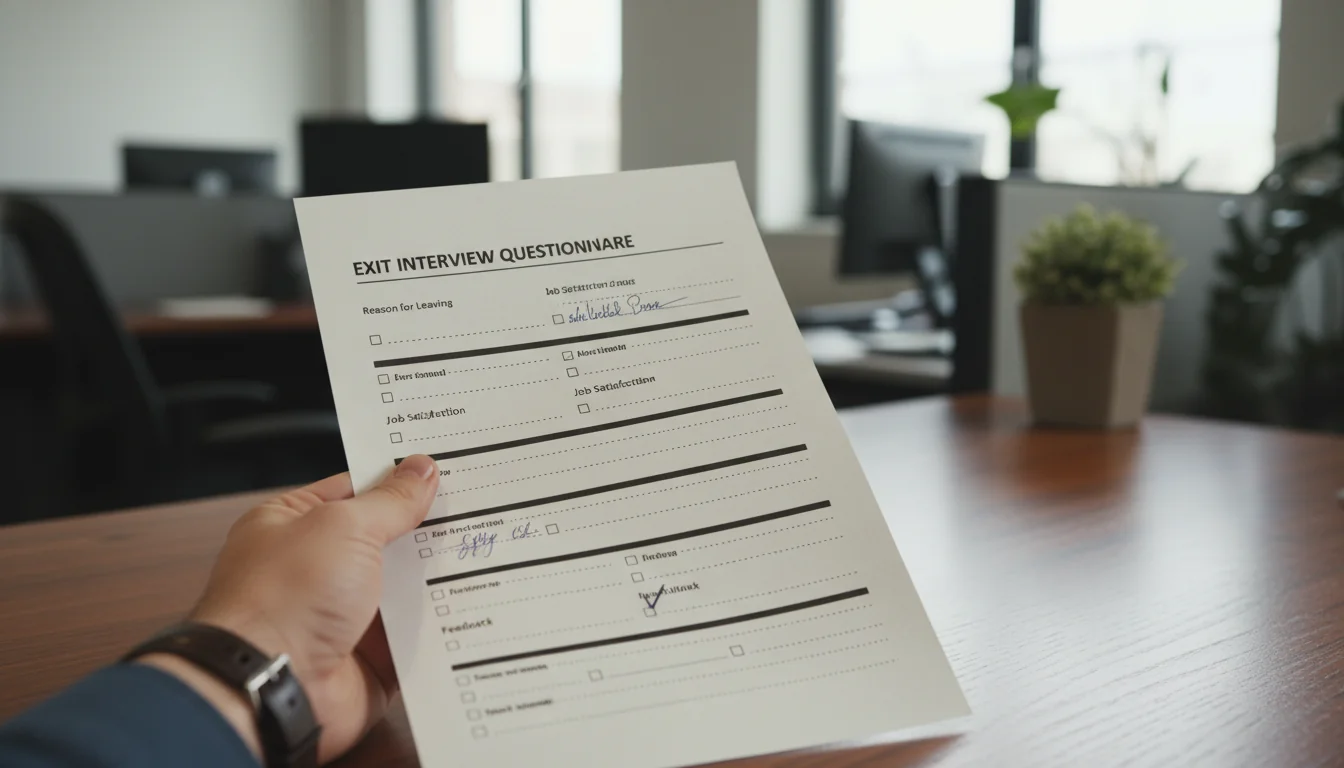
An exit interview questionnaire is a structured tool used by human resources departments to collect honest feedback from employees who are leaving the organization. It typically includes targeted questions about job satisfaction, work environment, management support, and reasons for departure, helping companies understand underlying issues that might not surface during regular employment.
The primary purpose of an exit interview questionnaire is to gather valuable insights from departing employees, turning their exit into an opportunity for organizational growth. By encouraging candid responses, it allows HR professionals to identify patterns in employee turnover, such as inadequate training or poor work-life balance, and implement targeted improvements to retain future talent.
In the Philippine context, where the labor market is dynamic and influenced by factors like economic growth and overseas opportunities, conducting exit interviews is especially important for fostering a positive workplace culture. According to the Department of Labor and Employment (DOLE), understanding employee feedback can help Philippine companies comply with labor standards and reduce attrition rates in competitive industries. For deeper insights, explore why exit interviews are crucial for HR in the Philippines.
Organizations in the Philippines can leverage bespoke AI-generated corporate documents from Docaro to create customized exit interview questionnaires that align with local regulations and cultural nuances. This approach ensures the feedback process is efficient, confidential, and directly contributes to long-term organizational improvement.
What Are the Key Objectives of an Effective Exit Interview Questionnaire?
The primary objectives of designing an effective exit interview questionnaire include identifying key reasons for employee turnover, such as dissatisfaction with compensation or work-life balance, to pinpoint systemic issues within the organization. By gathering candid feedback from departing employees, HR professionals can develop targeted retention strategies, like implementing flexible work arrangements or career development programs, which directly reduce voluntary attrition rates. Additionally, these questionnaires aim to enhance workplace culture by uncovering insights into inclusivity, communication, and leadership effectiveness, fostering a more positive environment that attracts and retains talent.
In the Philippines, these objectives align closely with broader HR goals, particularly in compliance with labor laws under the Department of Labor and Employment (DOLE) that emphasize employee welfare and fair practices. For instance, addressing turnover reasons helps Philippine companies mitigate high attrition in sectors like BPO, where employee burnout is common, supporting national efforts to build a stable workforce as outlined in DOLE's Labor Code. This alignment promotes sustainable business growth and contributes to the country's economic productivity by improving employee engagement and reducing recruitment costs.
Practical examples include using open-ended questions in the questionnaire to explore why a sales associate in Manila might leave due to inadequate training, allowing HR to introduce mentorship programs tailored to local needs. Another example is analyzing feedback from IT professionals in Cebu to refine diversity initiatives, ensuring cultural sensitivity in a multicultural workforce, which strengthens retention and aligns with Philippine HR priorities for inclusive workplaces.
"Structured feedback from exit interviews, when analyzed and acted upon, reveals patterns that drive employee retention and innovation, ensuring sustainable business growth." – Dr. Elena Vargas, HR Leadership Consultant
To implement this effectively, use Docaro to generate bespoke AI-powered exit interview templates tailored to your organization's unique needs.
What Essential Components Should Be Included in the Questionnaire?
Core Sections to Cover
An exit interview questionnaire is a vital tool for organizations in the Philippines to gather insights from departing employees, helping to identify patterns in turnover and drive improvements. Core sections typically include demographic information, reasons for leaving, feedback on management, and suggestions for improvement, each designed to provide actionable data.
Demographic information collects basic details like age, gender, department, tenure, and position to segment responses and spot trends, such as higher turnover in specific roles. This section is important because it enables HR to analyze correlations, like if certain demographics are more affected by workplace issues, supporting targeted retention strategies as outlined in Philippine labor guidelines from the Department of Labor and Employment (DOLE).
The reasons for leaving section probes into factors like career growth, compensation, work-life balance, or external opportunities through open-ended or scaled questions. Understanding these motivations is crucial for addressing root causes of attrition, preventing future losses, and benchmarking against industry standards in the Philippine job market.
Feedback on management evaluates leadership effectiveness, communication, support, and team dynamics, often using rating scales and comments. This is essential as poor management is a top resignation driver; insights here can inform training programs and foster a healthier organizational culture, aligning with DOLE's emphasis on fair labor practices.
Finally, the suggestions for improvement section invites open ideas on policies, processes, or culture to enhance the workplace. It empowers employees to contribute positively even in departure, providing forward-looking data that, when compiled, guides strategic changes and boosts long-term employee satisfaction in Philippine companies.
For creating customized exit interview questionnaires, consider using Docaro to generate bespoke AI-powered corporate documents tailored to your organization's needs, ensuring relevance and compliance with local regulations.
Question Types to Use
In designing an exit interview questionnaire for Philippine workplaces, various question types like open-ended, multiple-choice, and rating scales provide comprehensive insights into employee turnover. Open-ended questions encourage detailed responses, such as "What factors influenced your decision to leave our company in Manila?", allowing departing employees to share personal experiences related to work-life balance or cultural fit in the local business environment.
Multiple-choice questions offer quick, quantifiable data, for example, "Which department did you work in? (a) IT, (b) HR, (c) Sales, (d) Other", while rating scales gauge satisfaction levels, like rating management support on a 1-5 scale. To balance these for thorough employee feedback, start with rating scales for measurable trends, follow with multiple-choice for categorization, and end with open-ended for qualitative depth, ensuring the questionnaire captures both statistical patterns and nuanced stories relevant to Philippine labor laws and workplace dynamics.
For authoritative guidance on Philippine employment practices, refer to the Department of Labor and Employment (DOLE) website, which outlines best practices for exit interviews under Republic Act No. 6713. This balanced approach helps HR professionals in companies like those in Quezon City or Cebu generate bespoke AI-generated corporate documents using Docaro, tailoring questionnaires to specific organizational needs without relying on generic templates.
How Can You Ensure Questions Are Clear and Unbiased?
1
Review Language for Neutrality
Examine each question to eliminate biased words or assumptions; rephrase to ensure neutrality and inclusivity for all respondents.
2
Test Questions for Clarity
Pilot the questionnaire with a small HR team; gather feedback on ambiguous phrasing and revise for straightforward understanding.
3
Consult Legal Guidelines
Research relevant employment laws and company policies; adjust questions to comply with confidentiality and anti-discrimination standards.
4
Generate Bespoke Document with Docaro
Use Docaro to create a customized, AI-generated exit interview questionnaire incorporating all prior revisions for tailored HR use.
Crafting unbiased questions for surveys or interviews begins with avoiding leading language that could influence responses. For instance, instead of asking "Don't you agree that our company culture is excellent?", opt for neutral phrasing like "How would you describe the company culture?" This ensures respondents provide genuine feedback without subtle cues pushing them toward a desired answer.
In the Philippine context, ensuring cultural sensitivity is crucial due to the country's diverse ethnic groups and strong emphasis on respect and hierarchy. Questions should steer clear of topics that might offend, such as direct criticism of authority figures, and instead use inclusive language that honors kapwa (shared identity). Refer to guidelines from the Philippine Council for Health Research and Development for culturally appropriate research practices tailored to local norms.
For exit interviews in the Philippines, always consider Legal Considerations for Exit Interviews in the Philippine Workplace to maintain compliance. Best practices also include using bespoke AI-generated corporate documents via Docaro to customize questions that respect employee privacy and labor laws under the Department of Labor and Employment.
How Do You Structure the Questionnaire for Maximum Response Rate?
To structure a questionnaire logically for high completion rates, begin with simple, non-threatening questions such as demographic details or general preferences to build respondent comfort and momentum. Gradually progress to more sensitive topics like personal experiences or opinions on workplace issues, ensuring a natural flow that respects privacy and reduces dropout. This funnel approach encourages participants to continue by starting easy and easing into depth.
Keep the questionnaire length concise, ideally 10-15 questions, to avoid fatigue while covering essentials; emphasize anonymity upfront by stating responses are confidential and untraceable to individuals. In Philippine HR contexts, comply with data privacy laws under the National Privacy Commission, and choose digital formats like online surveys for efficiency and easy analysis, or paper for remote or low-tech areas to ensure accessibility.
For Philippine workplaces, digital tools such as Google Forms or bespoke AI-generated corporate documents via Docaro streamline creation and distribution, while paper versions suit field employees in industries like agriculture. Tips include piloting the questionnaire with a small group for cultural sensitivity, using local languages like Tagalog for clarity, and following up with incentives to boost participation rates.

What Common Mistakes Should You Avoid When Designing the Questionnaire?
Common pitfalls in conducting an exit interview questionnaire include asking overly complex questions that confuse departing employees, potentially leading to incomplete or inaccurate responses. For instance, a question like "How has the company's evolving strategic initiatives impacted your personal career trajectory and job satisfaction metrics?" might overwhelm participants, whereas simplifying it to "What did you like most about your role?" encourages clearer feedback. To avoid this, craft questions that are straightforward and focused, ensuring they align with the goal of gathering actionable insights for HR improvements.
Another frequent issue is ignoring confidentiality, which can erode trust and discourage honest input during the exit interview process. An example is failing to assure employees that their responses will remain anonymous, resulting in guarded answers that limit the value of the data collected. Preventive measures involve clearly communicating privacy protocols at the start and using secure digital tools to handle submissions, as outlined in guidelines from the Department of Labor and Employment (DOLE) in the Philippines.
Failing to follow up on exit interview feedback often diminishes the questionnaire's effectiveness, as unresolved concerns may persist in the organization. For example, if an employee highlights poor team communication but no actions are taken, future interviews may yield similar complaints. To prevent this, implement a review system where HR analyzes responses and shares anonymized trends with leadership, linking back to the main Exit Interview Questionnaire page for comprehensive templates tailored to Philippine workplaces.
How Can You Test and Implement Your Exit Interview Questionnaire?
1
Pilot the Questionnaire
Administer the questionnaire to a small group of 10-15 participants to test initial usability and identify basic issues.
2
Gather Design Feedback
Collect detailed feedback from the pilot group on questionnaire design, clarity, and flow using targeted surveys or interviews.
3
Refine and Roll Out
Incorporate feedback to revise the questionnaire, then deploy it organization-wide with training for consistent implementation.
Implementing an effective interview process in the Philippines begins with comprehensive training for interviewers to ensure compliance with local labor laws. This involves workshops on cultural sensitivities, anti-discrimination practices, and structured questioning techniques, often aligned with guidelines from the Department of Labor and Employment (DOLE), to foster fair hiring. Post-implementation, analyzing responses requires systematic review of candidate feedback and interview outcomes using metrics like hire rates and diversity indices.
Integration with HR systems in the Philippines enhances efficiency by linking interview data to platforms like payroll and compliance tools, ensuring seamless updates to employee records under Republic Act No. 10173. For optimal results, organizations should leverage bespoke AI-generated corporate documents via Docaro to customize integration protocols, avoiding generic templates. This approach supports real-time analytics and reporting, vital for regulatory adherence in the Philippine context.
Training programs should include role-playing scenarios tailored to Philippine workplace dynamics, with follow-up sessions to refine skills based on initial feedback. Analysis post-implementation can utilize tools for sentiment analysis on responses, identifying biases and areas for improvement in the hiring pipeline.