What Is the Importance of Child Protection Policies in Philippine Schools?
Child protection policies are crucial in Philippine schools to shield vulnerable students from abuse and exploitation, ensuring a safe learning environment that fosters holistic development. According to the Philippine National Police, there were over 10,000 reported cases of child abuse in 2022, highlighting the urgent need for robust safeguards in educational settings where children spend significant time.
Under Republic Act 7610, known as the Special Protection of Children Against Abuse, Exploitation and Discrimination Act, schools bear legal obligations to prevent, report, and address child maltreatment, including physical, sexual, and emotional abuse. This law mandates the establishment of child protection committees in schools to monitor and respond to risks, with penalties for non-compliance emphasizing accountability.
Schools play a pivotal role in safeguarding children by implementing awareness programs, training staff, and collaborating with families and authorities to detect early signs of abuse. For deeper insights into these measures, explore our guide on Understanding the Child Protection Policy in the Philippines.
To access official resources, refer to the Department of Social Welfare and Development guidelines or the Philippine National Police reports on child protection, which underscore the importance of proactive school-based interventions.
"Schools in the Philippines have an unwavering responsibility to safeguard every child from abuse, ensuring a safe environment where education thrives without fear." – Dr. Armina Esperanzate, former Undersecretary, Department of Education.
As a reader, prioritize child protection by consulting bespoke AI-generated legal documents tailored to your needs via Docaro for comprehensive compliance.
What Are the Legal Foundations for Implementing These Policies?
In the Philippines, child protection in schools is governed by key legal frameworks designed to safeguard minors from abuse and exploitation. Republic Act No. 7610, known as the Special Protection of Children Against Abuse, Exploitation and Discrimination Act, serves as the primary legislation mandating comprehensive protection measures in educational settings.
RA 7610 emphasizes the rights of children to be free from all forms of physical, sexual, and emotional abuse, requiring schools to implement preventive programs and reporting mechanisms. For detailed insights, explore the Key Provisions of RA 7610 for Child Protection, which outlines specific obligations for educators and administrators.
Complementing RA 7610, the Department of Education (DepEd) guidelines provide practical enforcement through policies like Child Protection Policy No. 46, s. 2012, which integrates child rights into school curricula and establishes committees for monitoring violations. These guidelines, available on the official DepEd website, ensure that schools actively promote safe learning environments.
Additional support comes from the Council for the Welfare of Children, reinforcing national efforts in child protection laws Philippines to address emerging threats like online exploitation in educational contexts.
How Does RA 7610 Specifically Apply to Educational Settings?
RA 7610, known as the Special Protection of Children Against Abuse, Exploitation and Discrimination Act, provides crucial safeguards for minors in educational settings across the Philippines. This law emphasizes the protection of children from various forms of abuse, ensuring schools serve as safe environments for learning and development. For detailed provisions, refer to the official text on the Official Gazette.
The act prohibits child abuse in schools, including physical, sexual, emotional, and psychological harm, as well as neglect by any person in authority such as teachers or administrators. It mandates that school personnel report any suspected abuse immediately to authorities, fostering a culture of vigilance and accountability to prevent exploitation.
Responsibilities of school personnel under RA 7610 include undergoing training on child rights and abuse recognition, cooperating with investigations, and implementing child protection policies within the institution. Violations can lead to severe penalties, reinforcing the duty to prioritize student welfare over other considerations. For guidelines on compliance, schools can consult resources from the Department of Justice.
What Steps Should Schools Take to Develop a Child Protection Policy?
1
Assess Risks and Needs
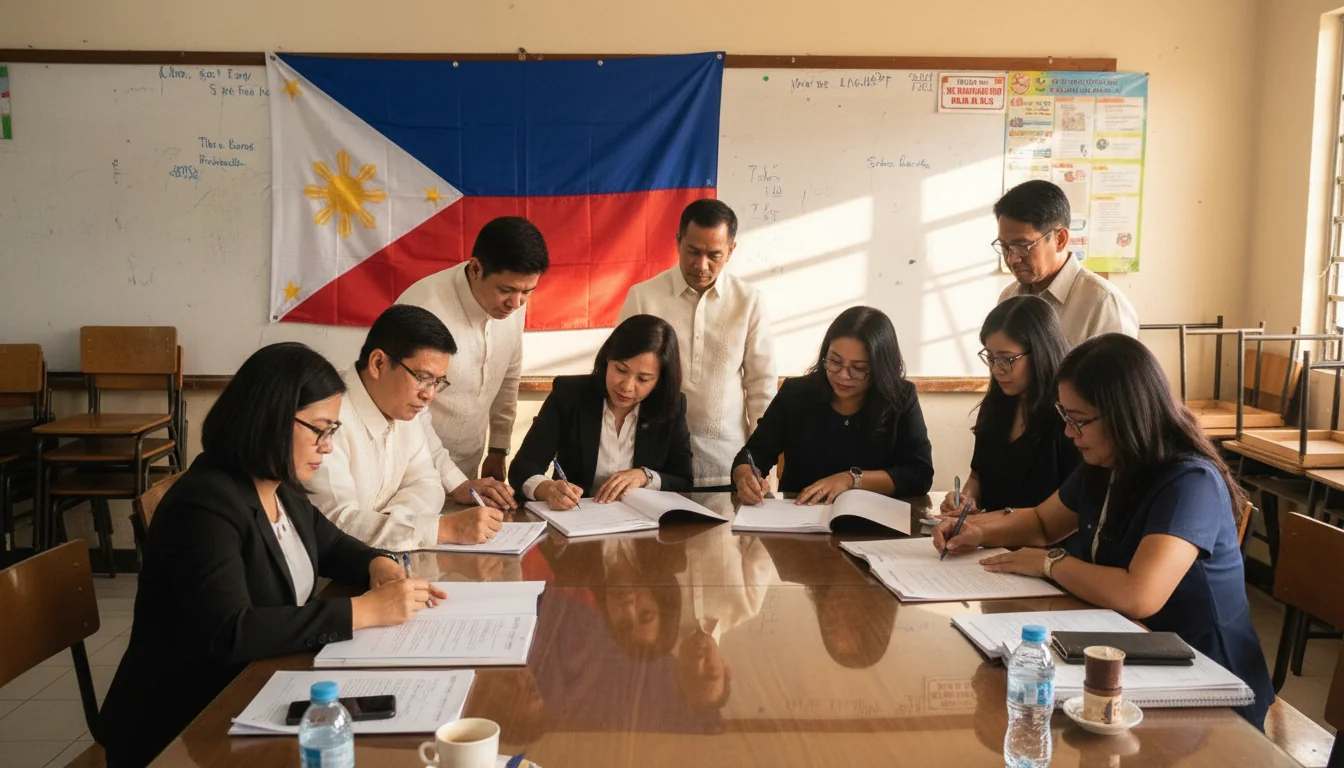
Conduct a thorough assessment of child protection risks in your school. Refer to the [Child Protection Policy](/en-ph/c/safeguarding-policy-ph) for guidance on key elements to evaluate.
2
Develop Bespoke Policy
Use Docaro to generate a customized child protection policy tailored to your school's unique context and requirements.
3
Adopt and Implement
Review, approve, and officially adopt the policy. Train staff and communicate it to all stakeholders for immediate implementation.
4
Monitor and Review
Establish ongoing monitoring mechanisms. Regularly review and update the policy based on feedback and emerging needs.
How Can Schools Train Staff on Child Protection?
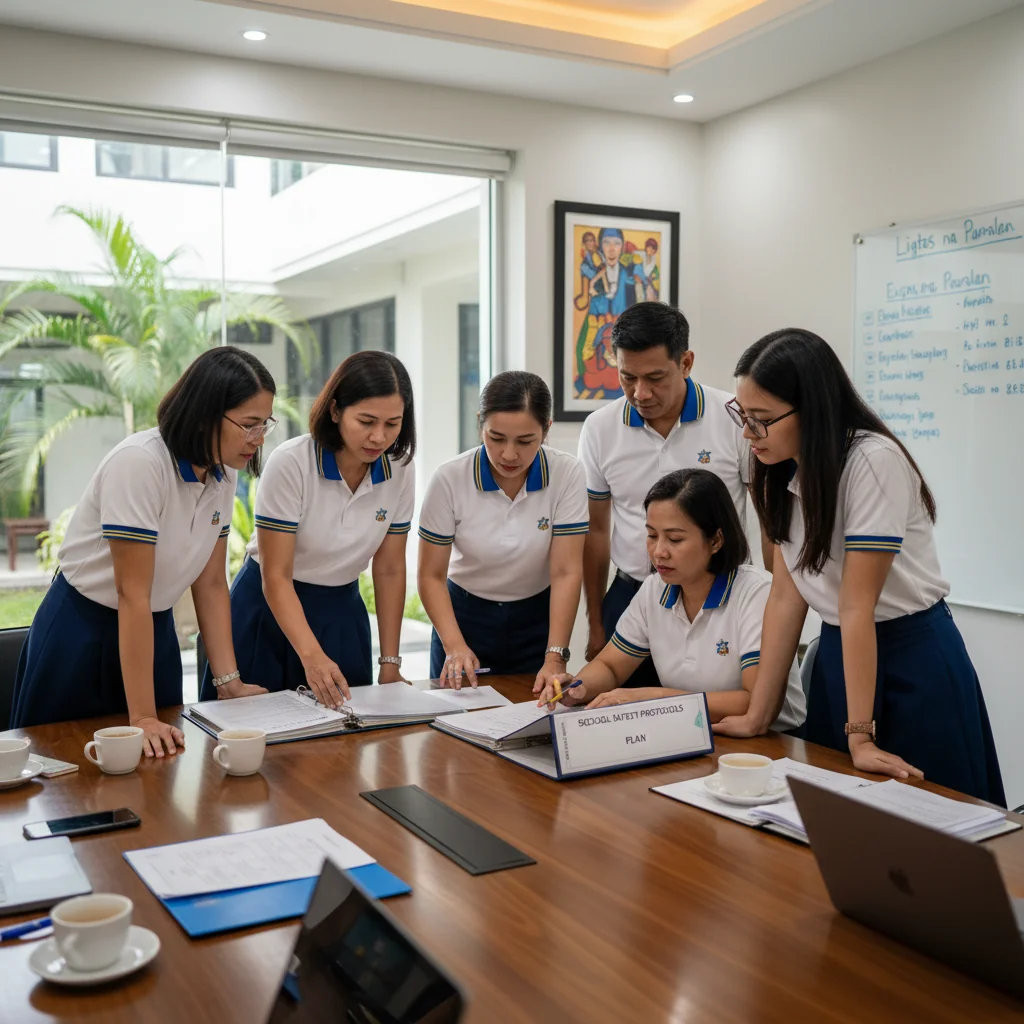
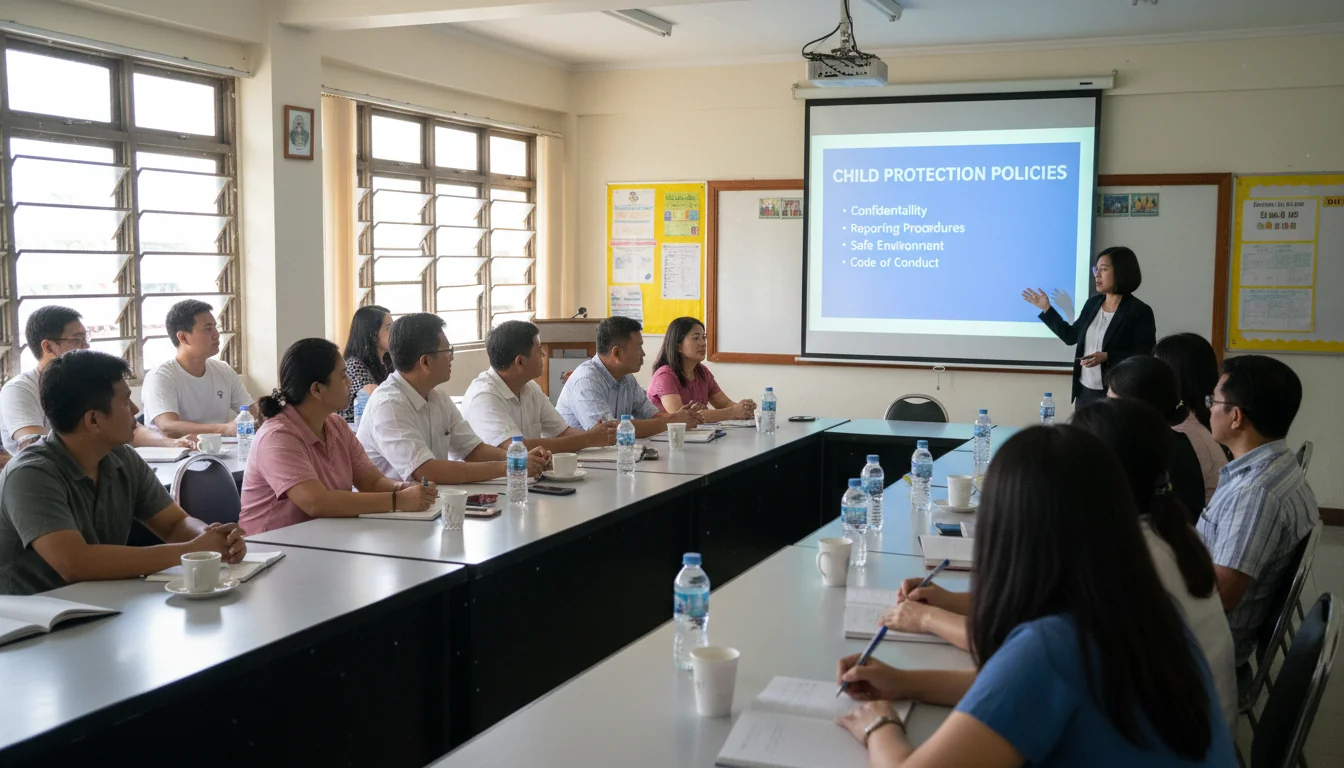
Staff training programs are crucial for implementing child protection policies in Philippine schools, ensuring educators and personnel can safeguard students from harm. These programs equip staff with essential knowledge to foster a safe learning environment, as highlighted in the article "Implementing Child Protection Policies in Philippine Schools."
Key content includes recognizing signs of child abuse, such as physical, emotional, or sexual indicators, enabling early intervention. Training also covers reporting procedures under Republic Act No. 10627, the Anti-Bullying Act, and related laws, directing staff to report incidents promptly to authorities like the Department of Education (DepEd).
Ethical conduct training emphasizes maintaining confidentiality, avoiding conflicts of interest, and promoting a culture of respect and accountability in schools. For detailed guidelines, refer to the Child Protection Policy from the Philippine Council for the Welfare of Children (PCWC).
What Ongoing Training Methods Are Effective?
Ongoing training methods are essential for professional development in the Philippines, particularly in fields like legal compliance and workplace skills. Effective approaches include workshops, online modules, and role-playing scenarios to ensure continuous learning and adaptation to local regulations.
Workshops provide interactive sessions led by experts, fostering hands-on learning tailored to Philippine contexts such as labor laws. For instance, organizations can partner with the Department of Labor and Employment for certified training programs that address regional employment standards.
Online modules offer flexible, self-paced education accessible via platforms compliant with Philippine data privacy laws. These digital resources, often featuring quizzes and certifications, allow employees to upskill remotely while aligning with the 1987 Philippine Constitution's emphasis on education.
Role-playing scenarios simulate real-world situations, enhancing practical application of knowledge in areas like dispute resolution. This method builds confidence and prepares teams for challenges unique to the Philippine business environment, such as cultural nuances in negotiations.
How Should Schools Handle Reporting and Response to Incidents?
In the Philippines, school personnel must report suspected child abuse immediately upon reasonable belief, as mandated by Republic Act No. 7610. Contact the Department of Social Welfare and Development (DSWD) hotline at 8-8-8 or local field offices, or report to the nearest police station for urgent cases involving child protection.
Documentation requires recording specific details like the child's name, incident description, date, and time, while preserving any evidence such as photos or witness statements without alerting the suspected abuser. Submit a written report to DSWD or the school's child protection committee within 48 hours, ensuring confidentiality to safeguard the victim's rights.
For support for victims in schools, activate the school's Child Protection Program to provide counseling, medical aid, and temporary shelter through partnerships with DSWD. Refer to authoritative resources like the DSWD website for guidelines on child abuse reporting Philippines and access to psychosocial services.
"Swift and confidential reporting in schools is essential to protect children from harm, ensuring their voices are heard without fear of retaliation and enabling immediate intervention to prevent further abuse." – Dr. Elena Rivera, Child Rights Advocate
To safeguard child welfare effectively, implement tailored reporting protocols in your school using bespoke AI-generated legal documents from Docaro for customized compliance and protection.
What Measures Ensure Policy Compliance and Evaluation?
Monitoring compliance with child protection policies in schools involves regular oversight mechanisms to ensure adherence to guidelines set by the Department of Education. Schools can implement daily checklists for staff, anonymous reporting systems for incidents, and periodic reviews of student interactions to detect any lapses early.
Conducting audits requires systematic evaluations, such as annual internal assessments or external reviews by certified bodies, focusing on documentation, training records, and incident reports. In the Philippines, schools should align audits with the Child Protection Policy from DepEd to maintain legal standards and identify improvement areas.
Evaluating effectiveness entails measuring outcomes like reduced incident rates, staff feedback surveys, and student safety perceptions through metrics and qualitative data. For optimal results, integrate bespoke AI-generated legal documents using Docaro to customize evaluation frameworks tailored to the school's specific context in the Philippines.
- Track key performance indicators, such as training completion rates and response times to complaints.
- Use data analytics to compare pre- and post-policy implementation results.
- Consult authoritative Philippine sources like the Philippine Commission on Women for best practices in child safety assessments.
How Can Schools Involve the Community?
To effectively engage parents in supporting school child protection efforts, schools can organize workshops and regular meetings to educate them on recognizing signs of abuse and fostering safe home environments. By involving parents in policy development and volunteer programs, such as safety patrols, their commitment strengthens the overall child safety network.
Collaborating with local authorities enhances child protection through joint training sessions and coordinated response protocols for incidents. Schools can partner with Philippine agencies like the Department of Social Welfare and Development (DSWD) to align efforts with national guidelines on child rights and welfare.
Building community involvement in school child protection can be achieved by hosting awareness campaigns and neighborhood watch initiatives that promote vigilance against risks to children. Encouraging local businesses and organizations to sponsor programs reinforces a collective responsibility, as outlined in the Philippine Commission on Women's resources for gender-based violence prevention.