What is the Child Protection Policy in the Philippines?
The Child Protection Policy in the Philippines is a vital framework designed to protect children from all forms of harm, ensuring their rights are upheld in line with national laws. Established to combat rising cases of child abuse, exploitation, and violence, it promotes safe environments for children's growth and development.
The legal foundation of this policy rests on Republic Act No. 7610, known as the Special Protection of Children Against Abuse, Exploitation, and Discrimination Act, enacted in 1992. This act provides comprehensive measures to prevent and address violations against children, including penalties for offenders and support for victims.
For in-depth information on the Child Protection Policy, refer to the official Child Protection Policy guidelines. Additional resources are available from the Department of Social Welfare and Development (DSWD) and the Philippine Commission on Women (PCW), both authoritative bodies in the Philippines focused on child welfare.
Why is child protection crucial in the Philippine context?
Child protection in the Philippines is crucial for safeguarding the rights and well-being of over 40 million children, ensuring they grow up free from exploitation and harm. This national priority addresses vulnerabilities in a country where poverty and rapid urbanization exacerbate risks, emphasizing preventive measures and legal frameworks to foster a secure environment for future generations.
Statistics reveal a stark reality: according to the Department of Social Welfare and Development (DSWD), over 17,000 child abuse cases were reported in 2022 alone, including physical, sexual, and emotional maltreatment. The Philippine National Police data indicates that sexual abuse affects one in five children, underscoring the urgent need for robust intervention programs to curb these alarming trends.
The Philippines has ratified key international conventions, notably the United Nations Convention on the Rights of the Child (UNCRC), committing to uphold children's rights to protection, survival, and development. Through laws like Republic Act 7610, the country aligns with UNCRC principles, integrating global standards into domestic policies to combat child labor, trafficking, and violence.
Failing to protect children leads to profound societal impacts, such as perpetuating cycles of poverty, increased healthcare burdens from trauma-related issues, and diminished economic productivity in adulthood. Ultimately, inadequate safeguards erode social cohesion and hinder national progress, as unprotected youth face lifelong barriers to education and opportunity.
"Protecting children is not just a duty—it's the foundation of our nation's future. We must enforce robust laws and community programs to ensure every child grows up free from abuse and exploitation." – Senator Risa Hontiveros, Chair of the Senate Committee on Women, Children, Family Relations and Gender Equality.
What are the key provisions of RA 7610 for child protection?
Republic Act No. 7610, known as the Special Protection of Children Against Abuse, Exploitation and Discrimination Act, is a cornerstone of child protection laws in the Philippines. Enacted in 1992, it establishes a comprehensive framework to safeguard children from all forms of maltreatment, emphasizing their rights to survival, development, and protection. For more details, explore the Key Provisions of RA 7610 for Child Protection.
The law defines child abuse as maltreatment, whether habitual or not, including any act that debases, demeans, or degrades the intrinsic worth of a child as a human being. This encompasses physical abuse, sexual abuse, emotional or psychological maltreatment, and neglect or cruelty, with a child broadly defined as anyone under 18 years old or not yet of legal age.
Prohibited acts under RA 7610 include child prostitution, child trafficking, the use of children in obscene publications or pornography, and any form of exploitation or discrimination against children. It also bans the employment of children in hazardous work and outlines measures for child labor prevention, ensuring compliance with international standards like the UN Convention on the Rights of the Child. For official text, refer to the Official Gazette of the Republic of the Philippines.
Penalties for violations are severe, with child abuse offenses punishable by prision mayor (6 to 12 years imprisonment) and fines up to PHP 300,000, escalating for aggravated cases like sexual abuse or trafficking. Repeat offenders or those involving multiple victims face life imprisonment and higher fines, reinforcing the law's deterrent effect on child exploitation.
How does RA 7610 address child labor and exploitation?
Republic Act No. 7610, known as the Special Protection of Children Against Abuse, Exploitation and Discrimination Act, addresses child labor, trafficking, and sexual exploitation through targeted sections to safeguard minors in the Philippines. For authoritative details, refer to the Official Gazette.
Section 12 specifically tackles child labor by prohibiting employment of children below 15 years in hazardous or exploitative work, with exceptions for artistic endeavors under strict supervision; examples include banning children from mining or factory work that endangers health. Violations under this section carry penalties of imprisonment from 6 to 12 years and fines up to ₱300,000, as outlined in the law.
On child trafficking, Section 7 criminalizes the act of selling, trading, or transporting minors for exploitative purposes like prostitution or illegal adoption, with examples including luring children across borders for forced labor. Legal consequences include life imprisonment and fines ranging from ₱2 million to ₱5 million, emphasizing severe deterrence.
Sections 3 and 5 focus on sexual exploitation, defining it as using children in pornography, prostitution, or indecent acts, such as coercing a minor into explicit videos or sexual performances. Offenders face reclusion perpetua (20 to 40 years imprisonment) and fines up to ₱2 million, with the law prioritizing child recovery and rehabilitation.
How is the Child Protection Policy implemented in Philippine schools?
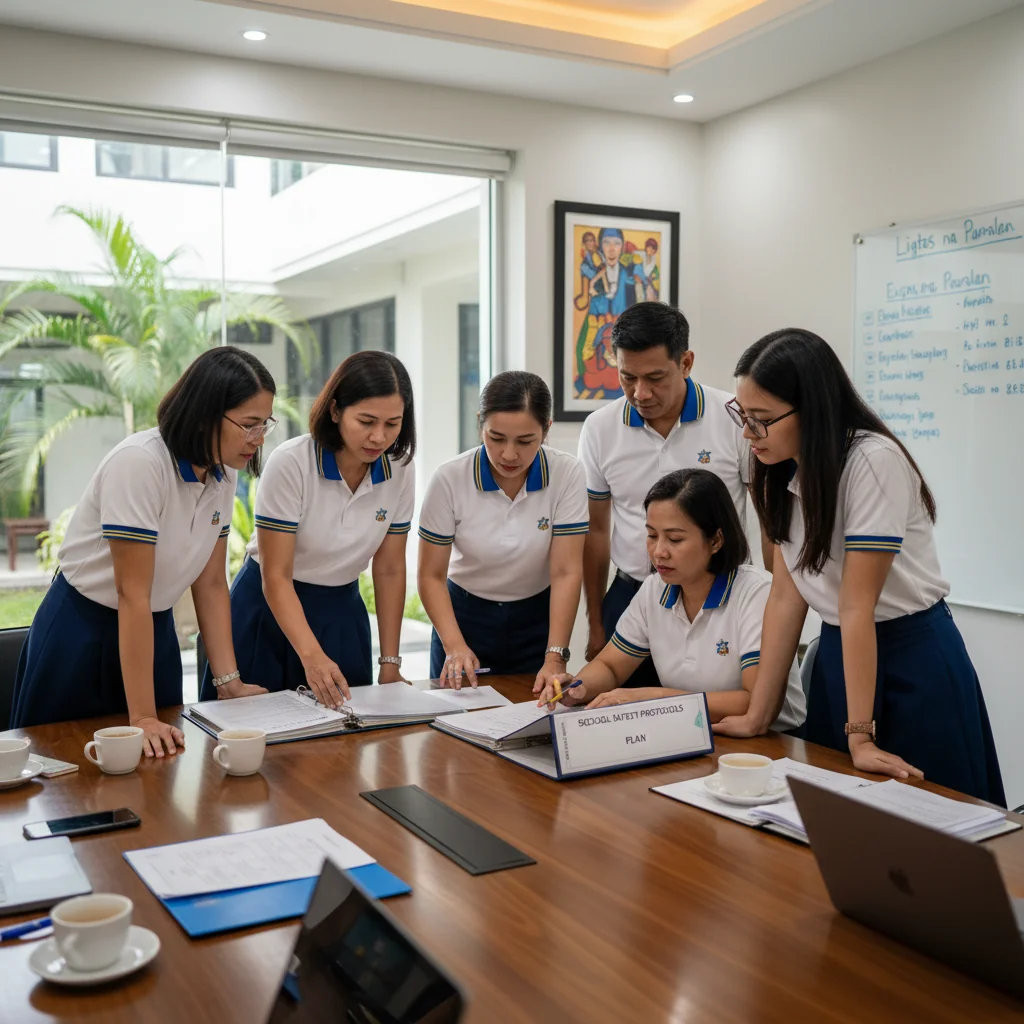
Schools play a crucial role in implementing child protection policies to safeguard students from abuse and exploitation. In the Philippines, educational institutions must adhere to laws like Republic Act No. 10627, ensuring a safe learning environment through structured protocols.
Mandatory reporting requires educators to report any suspected child abuse to authorities without delay, fostering immediate intervention. This policy, enforced nationwide, empowers teachers as first responders in protecting vulnerable children.
Counseling services in schools provide essential support for affected students, offering trauma-informed care and emotional guidance. Training for educators equips them with skills to identify risks and respond effectively, enhancing overall child protection in Philippine classrooms.
For detailed insights on these measures, read the article on Implementing Child Protection Policies in Philippine Schools. Additional resources include guidelines from the Department of Education and the Philippine Commission on Women.
1
Conduct Awareness Training
Organize mandatory training sessions for all staff on child protection laws and best practices in the Philippines to build awareness and compliance.
2
Develop Child Protection Policy
Use Docaro to generate a bespoke AI legal document outlining your school's specific child protection policies, tailored to local regulations.
3
Establish Reporting Mechanisms
Set up confidential reporting channels, including hotlines and online forms, ensuring safe and anonymous submission of child protection concerns.
4
Monitor and Evaluate Implementation
Regularly review policy adherence through audits and feedback sessions, updating procedures as needed to enhance child safety.
What roles do parents and communities play in child protection?
Parents play a pivotal role in child protection by maintaining constant vigilance over their children's online and offline activities, promptly addressing any signs of potential harm or exploitation. They must also provide ongoing education on personal safety, digital literacy, and recognizing abuse to empower children against threats.
Families extend this responsibility by fostering a supportive environment that encourages open communication about safety concerns, ensuring collective monitoring and intervention when needed. Through family discussions and shared rules, they reinforce child protection measures, helping to build resilience against risks in the community.
Communities contribute by organizing awareness programs and neighborhood watches focused on child safety, promoting vigilance among residents to identify and report suspicious activities. Collaboration with authorities, such as reporting to local barangay officials or the Philippine National Police, strengthens enforcement of child protection laws like Republic Act 7610.
For detailed guidelines, refer to resources from the Department of Social Welfare and Development and the Philippine Commission on Women, which outline community-based strategies for safeguarding children in the Philippines.
How can individuals report suspected child abuse?
Timely reporting of child abuse or welfare issues in the Philippines is crucial to protect vulnerable individuals and ensure swift intervention by authorities. Delaying reports can exacerbate harm, making immediate action essential for safeguarding rights and providing necessary support.
To report concerns, contact the Department of Social Welfare and Development (DSWD) through their official channels or the national child protection hotline. Use the Childline Philippines at 1-3-4-3 (for ages 18 and below) for urgent cases, available 24/7 to connect you with social workers.
Additional reporting options include local DSWD field offices or the Philippine National Police's Women and Children Protection Center. For more details, visit the DSWD official website or the Philippine Commission on Women for resources on child protection laws and procedures.
- Ensure reports include specific details like the incident, location, and involved parties for effective response.
- Confidentiality is protected under Republic Act No. 7610, encouraging safe reporting without fear of reprisal.
What challenges exist in enforcing child protection policies?
In the Philippines, a major challenge in accessing legal services is the lack of awareness about rights and available resources, particularly among rural and low-income populations. This often leads to individuals forgoing legal aid due to unfamiliarity with programs like those offered by the Public Attorney's Office, exacerbating inequalities in justice delivery.
Resource limitations further hinder legal support in the Philippines, with underfunded institutions and a shortage of qualified lawyers in remote areas creating bottlenecks. Solutions include leveraging technology for virtual consultations and promoting bespoke AI-generated legal documents through platforms like Docaro to streamline processes without the need for traditional templates.
Cultural barriers, such as stigma around seeking legal help and reliance on informal dispute resolution, pose significant obstacles in Filipino communities. To address this, community education campaigns and partnerships with local barangay justice systems can build trust and encourage formal legal engagement, as highlighted by resources from the Supreme Court of the Philippines.
"Persistent advocacy and unified community efforts are essential to surmount barriers in enforcing children's rights and ensuring their protection."
To strengthen child protection measures, consult a child rights expert and utilize Docaro for generating customized legal documents tailored to your specific needs.