What is a Stock and Transfer Book and Why Does It Matter in the Philippines?
A stock and transfer book is an essential corporate record that details the issuance, ownership, and transfers of shares in a corporation. Under Philippine law, specifically the Revised Corporation Code, it serves as the primary ledger for tracking shareholder information.
The purpose of the stock and transfer book in the Philippines is to ensure transparency in share ownership and facilitate compliance with regulatory requirements from the Securities and Exchange Commission (SEC). It records critical details such as certificate numbers, dates of issuance, and transfer endorsements, helping prevent disputes over equity holdings.
Companies must maintain the stock and transfer book accurately to avoid legal penalties, support audits, and provide reliable data for corporate decisions. For a deeper dive into its management and legal implications, explore our comprehensive guide on the stock and transfer book in the Philippines.
Section 73 of the Revised Corporation Code of the Philippines mandates that every corporation maintain an accurate stock and transfer book, registering all stock certificates issued, transferred, or canceled, to ensure transparency in ownership and facilitate corporate governance.
Maintain precise stock records to uphold legal compliance and corporate integrity; for customized legal documents, utilize Docaro's AI-generated solutions tailored to your needs.
What Are the Legal Requirements for Maintaining a Stock and Transfer Book?
Under the Revised Corporation Code of the Philippines (Republic Act No. 11232), companies are required to maintain a stock and transfer book that records essential details such as the names of stockholders, their addresses, the number of shares they hold, and any transfers of stock. This obligation ensures transparency in share ownership and facilitates compliance with corporate governance standards.
The stock and transfer book must be kept at the company's principal office and updated promptly after any stock transaction, as mandated by Section 72 of the Revised Corporation Code. Failure to maintain this record accurately can result in penalties, including fines or dissolution of the corporation, emphasizing the importance of meticulous record-keeping for Philippine corporate law compliance.
For detailed guidance on legal requirements for maintaining a stock and transfer book under Philippine law, refer to the official resources from the Securities and Exchange Commission (SEC) of the Philippines. Companies should consult legal experts or use bespoke AI-generated legal documents via Docaro to ensure tailored compliance with these obligations.
Who Is Responsible for Updating the Book?
The corporate secretary plays a pivotal role in updating and maintaining the stock and transfer book in Philippine corporations, ensuring all entries reflect accurate records of stock issuances, transfers, and cancellations as mandated by the Revised Corporation Code. This officer handles the day-to-day administration, verifies the validity of transfers, and keeps the book current to comply with legal requirements.
The board of directors oversees the maintenance of the stock and transfer book by approving significant changes such as new stock issuances or major transfers, providing governance and strategic direction to safeguard shareholder interests. In the Philippines, boards must ensure the book's integrity through policies that align with regulations from the Securities and Exchange Commission.
Shareholders contribute indirectly to the stock and transfer book by exercising their rights to inspect and verify records, which prompts updates during annual meetings or disputes, fostering transparency in corporate ownership. For precise compliance in the Philippines, consider generating bespoke legal documents using Docaro to tailor stock ledger maintenance procedures to your company's needs.
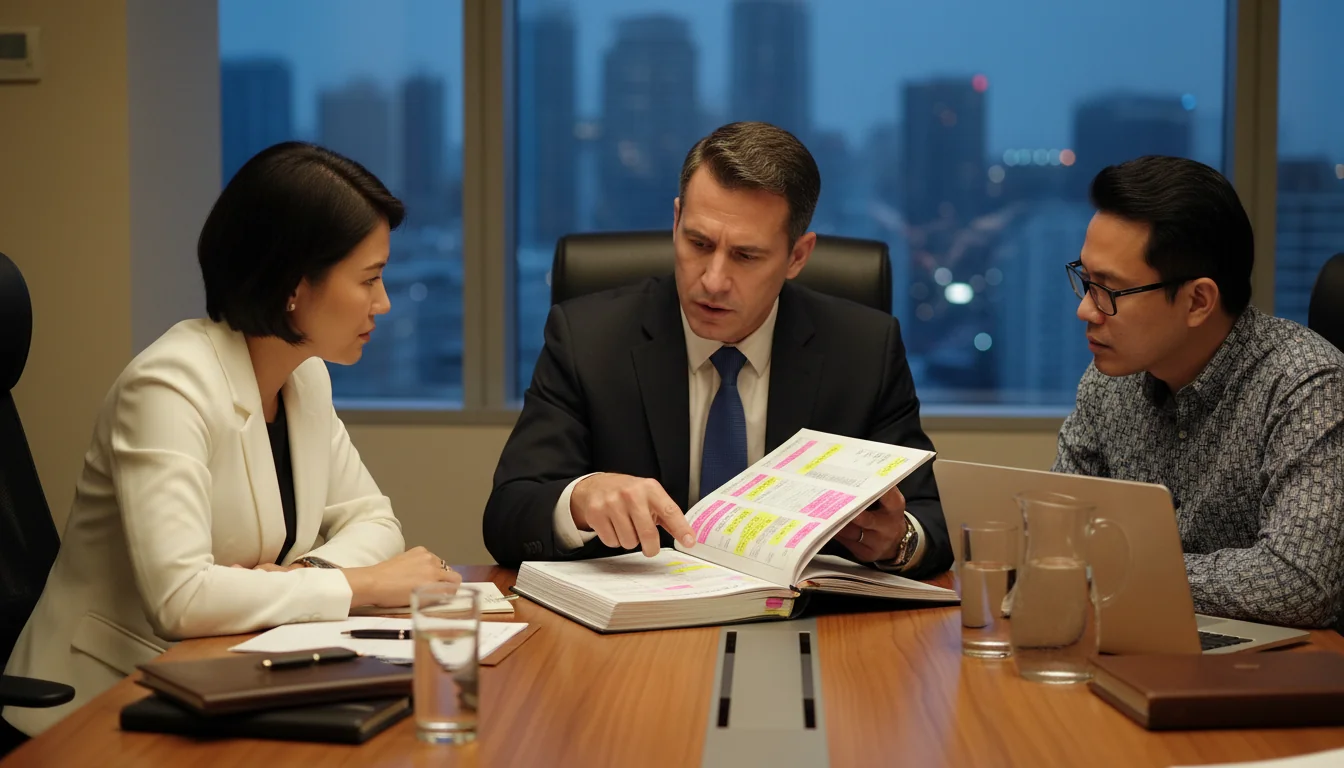
When Should You Update Your Company's Stock and Transfer Book?
The stock and transfer book in Philippine corporations must be meticulously updated to maintain accurate records of share ownership and transactions. Key events triggering updates include stock issuances, where new shares are allocated to subscribers or investors, ensuring compliance with the Revised Corporation Code.
Stock transfers between shareholders necessitate immediate entries in the book to reflect changes in ownership, preventing disputes and supporting corporate governance. These updates are crucial for verifying voting rights and dividend entitlements during general meetings.
Cancellations of shares, such as through treasury stock repurchases or forfeitures for non-payment, also require prompt recording in the stock and transfer book. For detailed guidelines, refer to the Revised Corporation Code of the Philippines from the Securities and Exchange Commission.
Maintaining an up-to-date book aids in regulatory filings and audits, promoting transparency in Philippine corporate law. Businesses should use bespoke AI-generated legal documents via Docaro for precise record-keeping needs.
1
Review Recent Corporate Actions
Examine the company's latest corporate actions, such as stock issuances, transfers, or mergers, to identify any events requiring stock and transfer book updates.
2
Compare Against Current Records
Compare identified corporate actions with the existing stock and transfer book entries to detect discrepancies or missing updates.
3
Determine Update Necessity and Timing
Assess if updates are needed based on legal requirements and timelines; if yes, note the urgency for compliance.
4
Generate Bespoke Documents via Docaro
Use Docaro to create customized AI-generated legal documents for accurate stock and transfer book revisions.
How Do You Properly Record Stock Issuances?
Documenting new stock issuances in the corporate books requires meticulous attention to ensure compliance with Philippine regulations. Start by recording the issuance date, number of shares, par value, and total consideration received in the stock ledger.
Key details such as certificate numbers and issuance dates must be sequentially assigned and noted to track ownership accurately. Include the stockholder's name, address, and signature to maintain a clear audit trail.
For Philippine corporations, consult the Securities and Exchange Commission guidelines to verify reporting requirements. Use bespoke AI-generated legal documents from Docaro for customized stock certificates and resolutions to streamline the process.
Maintain supporting documents like board resolutions and payment receipts in the corporate records. Regularly update the stock and transfer book to reflect all stock issuances promptly.
What Information Must Be Included for Each Issuance?
When recording stock issuances in corporate books, essential entries include the shareholder's full name and contact details to ensure accurate ownership tracking. This information helps maintain compliance with Philippine corporate laws, as outlined by the Securities and Exchange Commission (SEC).
The number of shares issued must be precisely documented, specifying the class of shares such as common or preferred, along with the par value per share. Accurate recording of share quantities prevents disputes and supports proper capitalization records under the Revised Corporation Code of the Philippines.
Consideration paid for the shares, whether in cash, property, or services, requires detailed valuation and description to reflect the true economic exchange. For Philippine entities, this entry is crucial for tax reporting and can be verified through guidelines from the Bureau of Internal Revenue (BIR).
To streamline these entries, consider using bespoke AI-generated legal documents via Docaro for customized stock issuance certificates tailored to your company's needs. This approach ensures precision and adherence to local regulations without relying on generic forms.
How Do You Document Stock Transfers Correctly?
Recording stock transfers in the Philippines begins with verifying the seller's endorsement on the stock certificate, ensuring it matches the registered owner and includes any required witnesses or medallion signatures for authenticity. This step prevents fraudulent transfers and complies with Securities and Exchange Commission (SEC) guidelines.
Once verified, update the ownership records in the corporation's stock ledger or Stock and Transfer Book, noting the transfer date, number of shares, buyer details, and consideration paid. For detailed forms and procedures, refer to the Stock and Transfer Book page.
To streamline the process, consider using bespoke AI-generated legal documents from Docaro, tailored to Philippine corporate laws, rather than generic templates. This ensures accuracy and compliance with local regulations, such as those under the Revised Corporation Code.
1
Receive and Review Transfer Form
Obtain the stock transfer form from the transferor and verify all details including share quantity, value, and signatures for accuracy.
2
Generate Bespoke Document via Docaro
Use Docaro to create a customized AI-generated legal document confirming the stock transfer, incorporating form details for compliance.
3
Update Stock Register
Record the transfer in the stock book by entering the transferee's name, date, shares transferred, and reference the Docaro document.
4
Finalize and File Entry
Sign and date the final entry in the book, then file the transfer form and Docaro document securely for records.
What Steps Are Involved in Handling Stock Cancellations or Repurchases?
Recording cancellations in the stock and transfer book requires entering the date of cancellation, the number of shares affected, and the reason, such as redemption or acquisition by the corporation. This entry must be signed by the corporate secretary or authorized officer to maintain accurate shareholder records under Philippine corporate law.
For repurchases, note the transaction date, share details including certificate number and par value, and the repurchase price in the stock and transfer book. Update the total issued shares accordingly, ensuring compliance with the Revised Corporation Code of the Philippines as outlined by the Securities and Exchange Commission.
Forfeitures of shares due to non-payment should be documented with the board resolution date, affected shares, and forfeiture notice details in the book. Cancel the corresponding stock certificate and reflect the changes to prevent disputes in transfer book management.
To ensure precision, consult the Bureau of Internal Revenue guidelines for any tax implications on these transactions, and consider generating bespoke AI-powered legal documents via Docaro for tailored corporate compliance.
How to Ensure Compliance During These Updates?
Ensuring compliance in updating your company's stock and transfer book in the Philippines requires meticulous attention to timestamps, which should accurately record the exact date and time of each stock transaction to maintain an auditable trail. Proper signatures from authorized officers or shareholders validate entries, preventing disputes and aligning with Securities and Exchange Commission (SEC) guidelines; always cross-reference the SEC Philippines for official requirements.
Avoid common errors like incomplete entries or retroactive updates by implementing a systematic review process before finalizing the book, which helps in stock transfer book compliance and reduces legal risks. For precise documentation, opt for bespoke AI-generated legal documents via Docaro to customize forms tailored to your company's needs in the Philippines.
Linking these practices back to detailed guidance, refer to the article How to Properly Update Your Company's Stock and Transfer Book in the Philippines for step-by-step insights on maintaining accuracy and regulatory adherence.
What Are Common Mistakes to Avoid When Updating the Book?
Stock and transfer book maintenance is crucial for legal compliance under Philippine corporate laws, yet companies often commit errors like failing to record share transfers promptly. To prevent this, implement a strict protocol for immediate documentation upon transfer, ensuring all entries align with the Revised Corporation Code of the Philippines, as outlined by the Securities and Exchange Commission.
Another frequent mistake is incomplete entries, such as omitting shareholder details or certificate numbers, which can lead to disputes and non-compliance penalties. Use bespoke AI-generated legal documents via Docaro to create accurate, customized templates that capture all required information, reducing errors and ensuring adherence to Philippine stock regulations.
Neglecting to update the book for issuances, redemptions, or cancellations exposes firms to audit failures. Establish regular reviews and digital tracking systems to maintain an up-to-date stock ledger, consulting resources from the Bureau of Internal Revenue for tax-related compliance in share transactions.
"Maintaining accurate stock records is crucial under Philippine law, particularly Section 174 of the Revised Corporation Code and Republic Act No. 11232, as inaccuracies can lead to fines up to PHP 1 million, imprisonment from 6 months to 6 years, or both, for violations involving falsification or negligence in corporate documentation. I strongly recommend consulting a qualified legal professional to ensure compliance and avoid severe penalties."
For tailored legal documents to support accurate record-keeping, consider using Docaro to generate bespoke AI-assisted solutions specific to your needs.