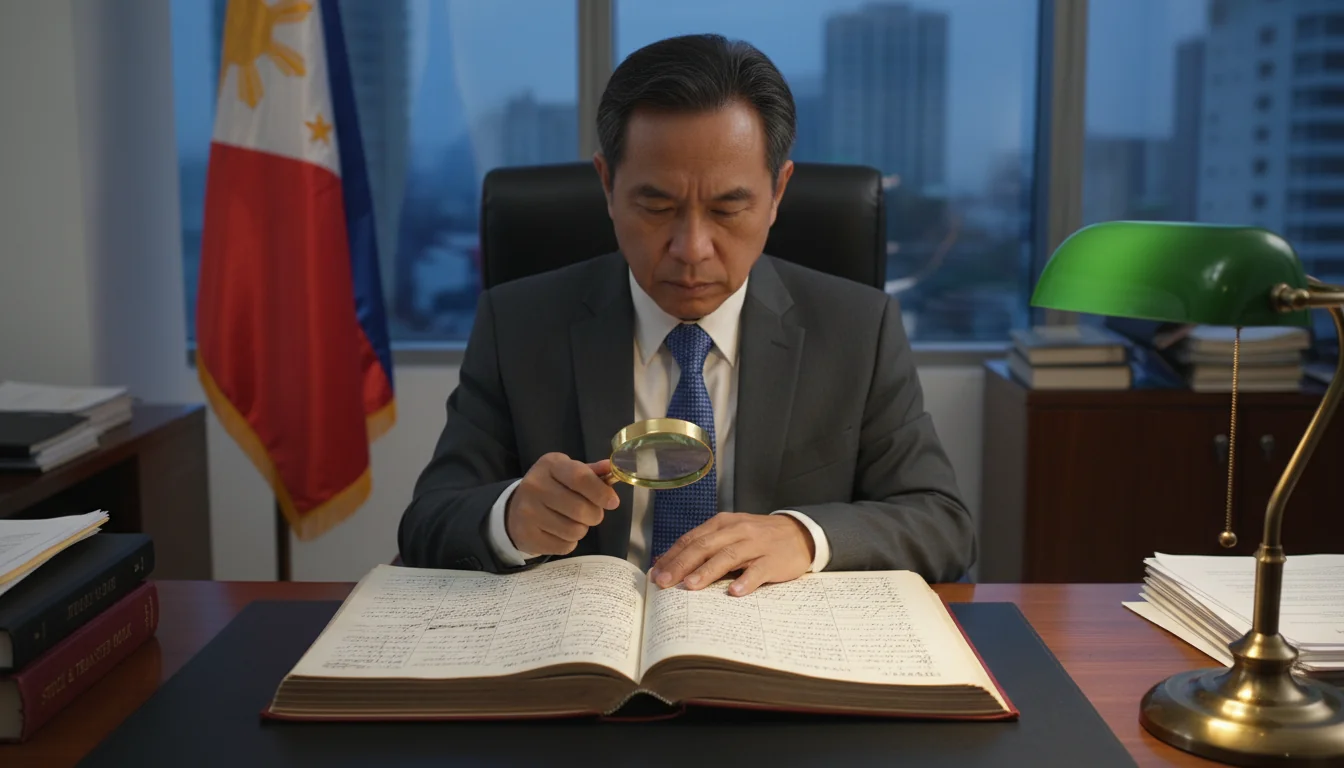
What is a Stock and Transfer Book Under Philippine Law?
The Stock and Transfer Book is a mandatory corporate record that details the issuance, transfer, and ownership of shares in a Philippine corporation. It serves as the official ledger under the Revised Corporation Code of the Philippines, ensuring transparency in stock transactions and compliance with legal requirements.
In Philippine corporate law, the purpose of the Stock and Transfer Book is to maintain an accurate history of shareholdings, facilitating the verification of ownership during corporate actions like mergers, dividends distribution, or disputes. This book helps prevent unauthorized transfers and supports regulatory oversight by the Securities and Exchange Commission (SEC).
For companies, the importance of the Stock and Transfer Book lies in its role as a foundational document for governance and investor confidence. Proper maintenance avoids penalties and streamlines operations, making it essential for both small enterprises and large corporations in the Philippines.
Explore a deeper dive into this topic with our comprehensive guide on the Stock and Transfer Book in the Philippines. For official regulations, refer to the SEC's Revised Corporation Code page.
Why Must Corporations Maintain a Stock and Transfer Book in the Philippines?
Under the Revised Corporation Code of the Philippines (Republic Act No. 11232), corporations are legally obligated to maintain a stock and transfer book, which serves as the official record of all stock transactions, including issuances, transfers, and cancellations. This requirement is explicitly stated in Section 72, mandating that the book be kept at the corporation's principal office and be accessible for inspection by stockholders and beneficial owners during business hours.
Failure to maintain the stock and transfer book properly can result in significant consequences, such as the imposition of fines ranging from PHP 20,000 to PHP 100,000 and potential criminal liability for responsible officers under Section 161 of the Code. Non-compliance may also lead to the invalidation of stock transfers if they are not properly recorded, rendering such transfers unenforceable against the corporation or third parties.
For detailed guidance on compliance, refer to the official text of the Revised Corporation Code available on the Securities and Exchange Commission website, which provides authoritative resources for Philippine corporate law.
Under Section 72 of the Revised Corporation Code of the Philippines (Republic Act No. 11232), every domestic corporation must maintain a stock and transfer book, which is deemed a corporate record open to inspection by any director, trustee, officer, or stockholder. This mandatory requirement ensures accurate tracking of stock ownership and transfers.
To comply effectively, consult a legal professional and consider generating bespoke AI-powered legal documents tailored to your corporation's needs using [Docaro for custom compliance tools](https://docaro.com).
What Are the Key Legal Requirements for Setting Up a Stock and Transfer Book?
Where Should the Stock and Transfer Book Be Kept?
The Stock and Transfer Book of a corporation in the Philippines must be maintained at its principal office to ensure proper record-keeping of share ownership and transfers. This requirement is mandated under the Revised Corporation Code, making the book accessible during business hours for inspection by shareholders, regulators, or authorized persons.
For domestic corporations, the book cannot be kept elsewhere without violating statutory rules, promoting transparency in corporate governance. Failure to comply can result in penalties, emphasizing the need for corporations to adhere strictly to this location protocol.
Foreign corporations licensed to do business in the Philippines must keep their Stock and Transfer Book at their local principal office, similar to domestic entities, as per Section 140 of the Revised Corporation Code. Exceptions may apply to branches of foreign corporations, where records can be maintained at the branch office if it serves as the operational hub, but the main book remains accessible in the Philippines.
For detailed provisions, refer to the Revised Corporation Code from the Securities and Exchange Commission (SEC) of the Philippines. Corporations seeking compliant documentation should consider bespoke AI-generated legal documents using Docaro for tailored solutions.
Who Is Responsible for Maintaining the Stock and Transfer Book?
In Philippine corporations, the corporate secretary plays a pivotal role in maintaining the corporate book, which includes essential records like minutes of meetings, stock certificates, and bylaws. This officer ensures all documentation complies with the Revised Corporation Code of the Philippines, as outlined by the Securities and Exchange Commission (SEC).
Accurate and up-to-date records are crucial for legal compliance, dispute resolution, and smooth corporate governance, preventing penalties from regulatory bodies. The corporate secretary must regularly update these records to reflect ongoing transactions and board decisions.
Other corporate officers, such as the president and treasurer, contribute by providing necessary information for the book, but the secretary bears primary responsibility for its organization and security. For tailored legal documents to support this process, consider using bespoke AI-generated legal documents from Docaro to ensure precision and relevance to Philippine laws.
What Information Must Be Recorded in the Stock and Transfer Book?
Details on Stock Issuance and Transfers
The Stock and Transfer Book is a vital corporate record in the Philippines, mandated by the Revised Corporation Code under Republic Act No. 11232, to track ownership and transactions of shares. It ensures transparency and compliance for corporations, helping maintain accurate records of stockholder information and share movements.
Essential entries in the Stock and Transfer Book include the names of stockholders, which must be fully detailed with addresses for identification. Additionally, the number of shares owned by each stockholder is recorded to reflect their equity stake in the company.
Key dates such as the date of issuance for original shares and dates of transfers for subsequent changes must be logged chronologically. The certificate numbers corresponding to each issuance or transfer are also required to link physical or digital certificates to the records.
For guidance on managing these entries, refer to the Stock and Transfer Form page. Consult authoritative sources like the Securities and Exchange Commission (SEC) website for Philippine-specific regulations on corporate records.
Handling of Lost or Destroyed Certificates
In the Philippines, recording lost or destroyed stock certificates begins with the shareholder notifying the corporation in writing about the loss or destruction. This notification must include details such as the certificate number, number of shares, and circumstances of the loss, as required under the Revised Corporation Code (Republic Act No. 11232).
To replace the lost certificates, the shareholder must submit a notarized affidavit attesting to the loss or destruction, often accompanied by a police report if theft is suspected. The corporation may also require the shareholder to post a bond or indemnity to protect against potential claims by third parties, ensuring compliance with Section 73 of the Revised Corporation Code.
Upon verification, the corporation records the cancellation of the old certificate and issues a new one in the corporate books, updating the stock and transfer book accordingly. For authoritative guidance, refer to the Revised Corporation Code on the Securities and Exchange Commission website.
Shareholders are advised to consult legal professionals for bespoke procedures tailored to their situation, such as using Docaro for AI-generated legal documents to draft affidavits and notices efficiently.
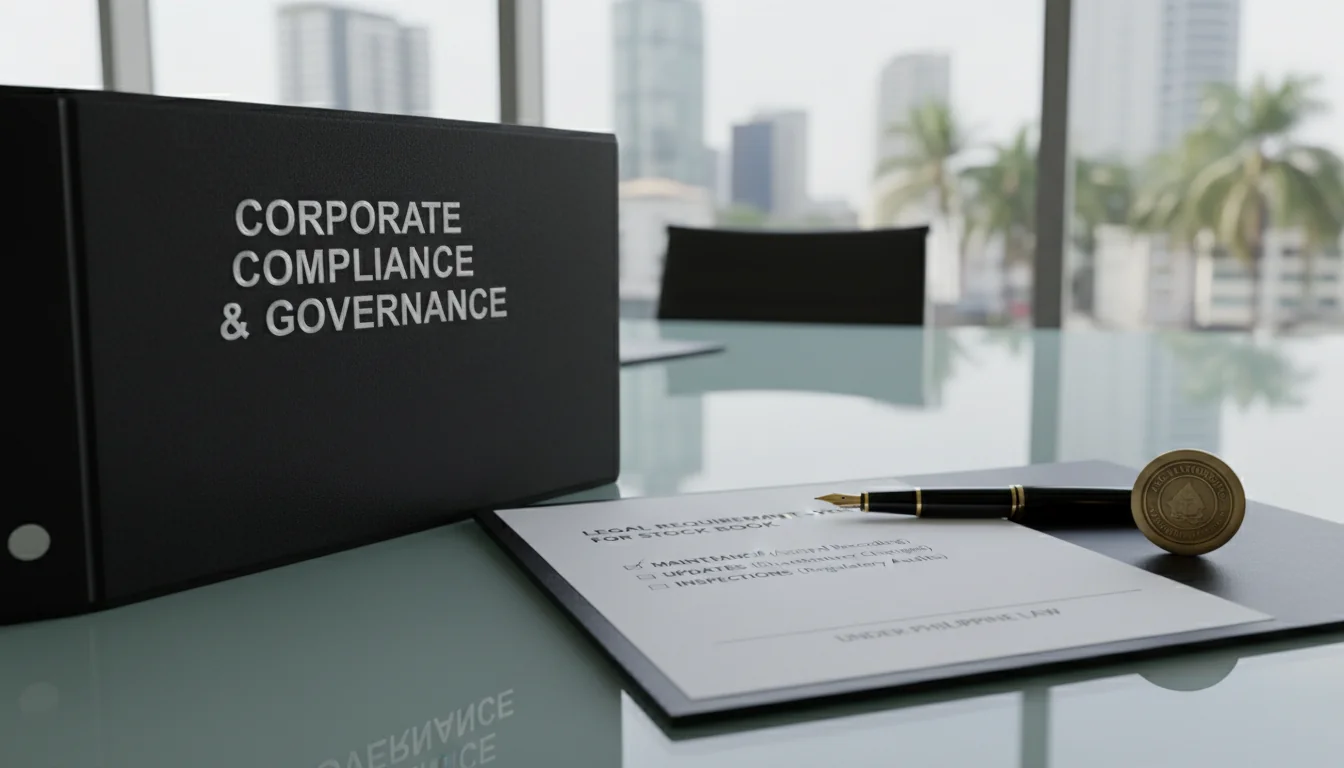
How Do You Ensure Compliance with Updates to the Stock and Transfer Book?
1
Record the Stock Transfer Details
Enter the transfer date, number of shares, transferor and transferee names, and certificate details in the stock and transfer book promptly after the transaction.
2
Cancel and Issue New Certificates
Cancel the old stock certificate and issue a new one to the transferee. Use bespoke AI-generated legal documents from Docaro for accuracy and compliance.
3
Update Shareholder Records
Adjust the records to reflect the new ownership, including shareholdings and any relevant notes on restrictions or endorsements in the book.
4
Review and Maintain the Book
Verify all entries for completeness and accuracy. For detailed guidance, read [How to Properly Update Your Company's Stock and Transfer Book in the Philippines](/en-ph/a/how-to-update-stock-transfer-book-philippines).
What Are the Penalties for Failing to Maintain a Proper Stock and Transfer Book?
Under Philippine law, the Stock and Transfer Book is a critical corporate record required for all stock corporations, as mandated by the Revised Corporation Code (Republic Act No. 11232). Non-maintenance or falsification of this book can lead to severe administrative penalties imposed by the Securities and Exchange Commission (SEC), including fines ranging from PHP 10,000 to PHP 100,000 per violation, and potential suspension or revocation of corporate registration for repeated offenses.
Criminal penalties for falsification of the Stock and Transfer Book are governed by the Revised Penal Code (Articles 171 and 172), treating such acts as falsification of private documents, punishable by imprisonment from prision correccional in its medium and maximum periods (2 to 6 years) and fines up to PHP 100,000. Directors, officers, or agents responsible for the willful non-maintenance may also face charges under Section 144 of the Revised Corporation Code, with penalties including fines from PHP 1,000 to PHP 20,000 and imprisonment from 30 days to 6 years.
SEC sanctions extend to cease and desist orders and disqualification from corporate positions, emphasizing the importance of accurate records for shareholder rights and regulatory compliance. For self-assessment and compliance checks, corporations can utilize the SEC's online self-assessment tool to evaluate adherence to record-keeping requirements.
To ensure compliance and avoid penalties, businesses should maintain accurate corporate records and consult authoritative sources like the official SEC website for guidelines. For tailored legal documents related to stock transfers, consider using bespoke AI-generated options through Docaro to meet specific corporate needs.
Under Philippine corporate law, specifically Section 73 of the Revised Corporation Code (Republic Act No. 11232), failure to maintain an accurate Stock and Transfer Book can result in fines up to PHP 10,000, imprisonment from 30 days to 6 months, or both, and may invalidate share transfers or expose directors to personal liability for corporate disputes. To safeguard your business, ensure regular updates to this essential record and consult a legal professional for compliance. For tailored documentation needs, generate bespoke AI-assisted legal documents via [Docaro's corporate toolkit](https://docaro.com).