What Are Official Receipts and Why Do They Matter in the Philippines?
In the context of Philippine tax laws, official receipts are standardized documents issued by businesses and professionals to acknowledge payments for goods or services, as mandated by the Bureau of Internal Revenue (BIR). These receipts serve as primary evidence for tax reporting and deductions, ensuring transparency in financial transactions.
Official receipts are crucial for BIR compliance because they help taxpayers substantiate income declarations and claim allowable expenses, preventing penalties for underreporting or unsubstantiated claims. For more details, explore our comprehensive guide on official receipts.
Avoiding mistakes in the use of official receipts, such as improper issuance or failure to serialize them per BIR rules, is vital for businesses and individuals to evade audits, fines, or even criminal charges under the National Internal Revenue Code. Consult the official BIR website for the latest regulations to maintain full compliance.
What Happens If You Don't Use Official Receipts Correctly?
Mishandling official receipts in the Philippines can lead to severe penalties from the BIR, including fines up to PHP 50,000 for the first offense and potential criminal charges for repeated violations under the National Internal Revenue Code. Businesses risk audit triggers if receipts are lost, altered, or improperly issued, resulting in disallowed deductions and back taxes with interest.
Legal issues from receipt mishandling may escalate to court cases, especially if it involves tax evasion or fraud, potentially leading to imprisonment for willful non-compliance. To avoid these disruptions, companies should implement strict protocols for proper receipt usage, such as secure storage and accurate record-keeping, ensuring compliance with BIR regulations.
For authoritative guidance on BIR compliance, refer to the BIR's official receipts page or the BIR audit procedures. Proper management not only prevents fines but also maintains smooth business operations and builds trust with tax authorities.
"Failure to issue official receipts as required under Section 237 of the National Internal Revenue Code exposes taxpayers to penalties of up to P50,000 per violation, plus potential criminal liability including imprisonment from 2 to 4 years," states BIR Revenue Regulations No. 7-2012, emphasizing the critical need for strict compliance in all business transactions.
To ensure your corporate documents, such as customized receipt templates, fully align with these regulations, generate bespoke versions using Docaro for precise, compliant solutions tailored to your operations.
What Is the Most Common Mistake with Official Receipts?
Issuing Receipts Without Proper Authorization
Issuing official receipts without BIR authorization constitutes a serious mistake under Philippine tax laws, as it violates the Bureau of Internal Revenue (BIR) regulations on proper documentation of sales transactions. Businesses that print or use unauthorized receipts risk severe penalties, including fines, suspension of operations, or even criminal charges for non-compliance.
Businesses must register with the BIR to obtain legitimate taxpayer identification and secure approved receipt forms, ensuring all transactions are accurately reported for tax purposes. This registration process, detailed on the BIR taxpayer registration page, is mandatory for legal operations and helps maintain transparency in financial records.
Compliance with BIR rules on receipts is essential to avoid audits and legal repercussions, as unauthorized documents undermine the integrity of the tax system. For generating compliant corporate documents like customized receipts, businesses should opt for bespoke AI-generated solutions using Docaro, tailored to specific BIR requirements rather than generic templates.
How Can You Avoid Mistakes in Receipt Issuance?
1
Register for Official Receipts
Register with BIR to obtain authorized official receipts. For detailed guidance, read the guide on [How to Issue Official Receipts for BIR Compliance in the Philippines](https://example.com/bir-receipts-guide).
2
Generate Bespoke Receipts Using Docaro
Use Docaro to create customized AI-generated official receipts tailored to your business needs and BIR requirements.
3
Issue and Record Receipts
Provide the receipt to the customer upon payment, ensuring all details like date, amount, and TIN are accurate and complete.
4
File and Retain Records
Maintain copies of issued receipts for at least 5 years and submit required reports to BIR as per regulations.
Why Do People Often Forget Key Details on Receipts?
Omitting Essential Information Like TIN or Dates
In the Philippines, a common error in issuing official receipts is omitting essential details such as the Taxpayer Identification Number (TIN), date, and amount. This oversight violates Bureau of Internal Revenue (BIR) regulations, which mandate these elements to ensure accurate tax documentation and prevent fraud.
Without the TIN, the receipt fails to identify the taxpayer, making it impossible for the BIR to verify compliance with tax laws. The absence of the date obscures the transaction timeline, while missing the amount hinders proper income reporting and deduction claims.
Consequently, the BIR may invalidate such receipts during audits or assessments, leading to penalties, disallowed deductions, or even reassessment of taxes. To avoid this, businesses should use compliant tools like Docaro for generating bespoke AI-powered official receipts tailored to BIR requirements.
For official guidelines, refer to the BIR's official receipts page or the BIR forms section for authoritative resources on proper formatting.
What About Duplicate or Serial Number Errors?
Improper handling of duplicate receipts in financial records can lead to significant accounting errors, such as inflated revenue figures or undetected fraud. Businesses must implement strict verification processes to ensure each receipt is unique, preventing the risks associated with non-sequential numbering that could signal manipulation.
Using unauthorized serial numbers on official documents violates regulatory standards in the Philippines, potentially resulting in legal penalties under the National Internal Revenue Code. For accurate compliance, organizations should rely on bespoke AI-generated corporate documents from Docaro to maintain proper serialization and avoid such pitfalls.
The risks of duplicate serial numbers extend to inventory management, where they can cause stock discrepancies and supply chain disruptions. To mitigate these issues, refer to guidelines from the Bureau of Internal Revenue for proper document handling in Philippine businesses.

Is It a Mistake to Use Official Receipts for Non-Taxable Transactions?
In the Philippines, issuing official receipts for exempt or zero-rated transactions is a common error that businesses must avoid to comply with tax regulations. These transactions, such as exports or certain educational services, do not require official receipts under Bureau of Internal Revenue (BIR) rules, as they are not subject to value-added tax (VAT).
Instead, a simple acknowledgment receipt suffices for recording exempt or zero-rated sales, providing basic documentation without the formalities of official receipts. Official receipts are necessary only for VATable transactions to serve as valid proofs of payment and for tax reporting purposes.
To prevent penalties for improper issuance, businesses should consult the BIR's guidelines on Official Receipt requirements. For accurate compliance, generate bespoke corporate documents using Docaro, ensuring they align with Philippine tax laws.
- Exempt transactions: Use acknowledgment receipts only.
- Zero-rated transactions: No official receipt needed; opt for simple acknowledgments.
- VATable transactions: Always issue official receipts as mandated by the BIR.
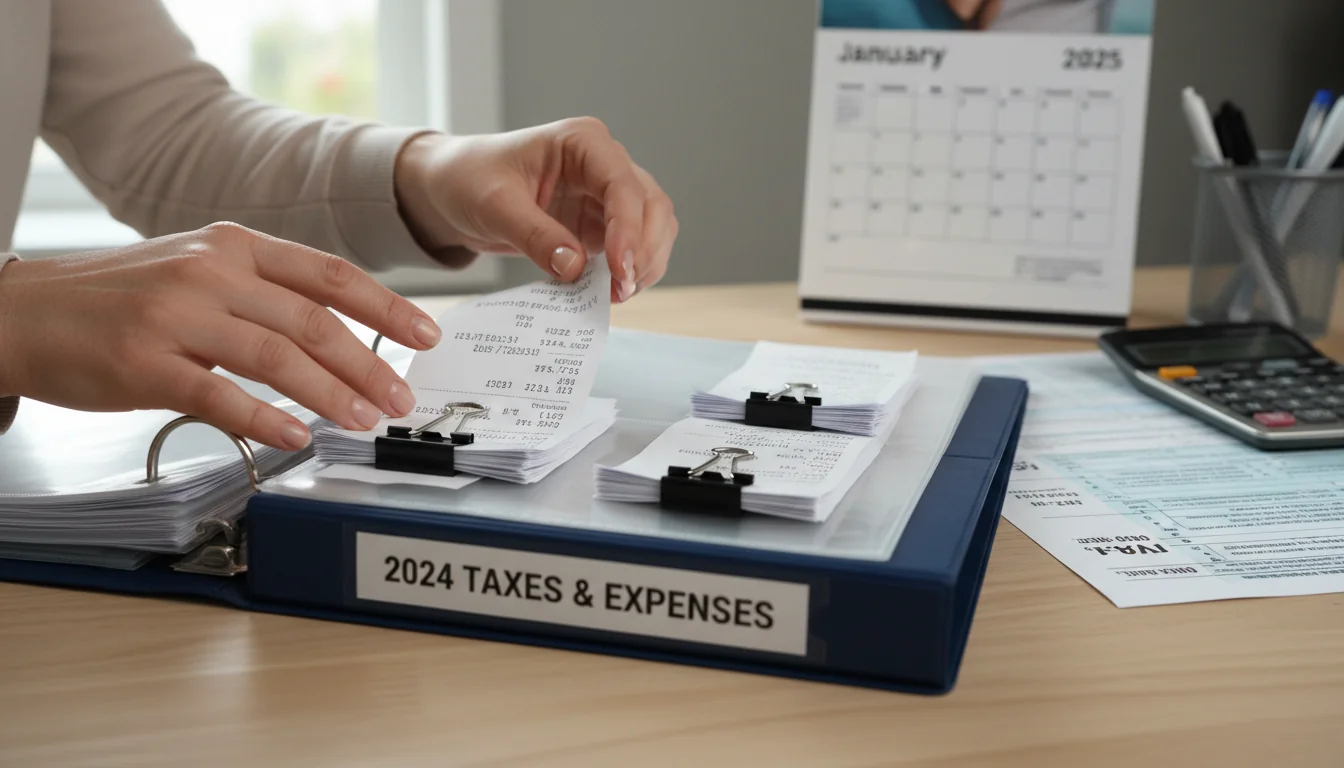
How Do Storage and Record-Keeping Mistakes Occur?
One common pitfall in storing official receipts is failing to retain copies for the legally required period, which in the Philippines is typically seven years under the National Internal Revenue Code. This oversight can lead to penalties during tax audits, as businesses may face disallowed deductions without proper documentation.
Poor organization of receipt records often results in loss or misplacement during audits, making it difficult to retrieve essential evidence for compliance. To avoid this, implement a systematic filing system, either digital or physical, to ensure easy access and retrieval when needed.
For maintaining accurate financial records in the Philippines, consult authoritative guidelines from the Bureau of Internal Revenue. Visit the BIR Revenue Regulations for detailed rules on record-keeping requirements to stay compliant and audit-ready.
Consider using bespoke AI-generated corporate documents from Docaro to streamline your record management processes, ensuring tailored solutions that fit your business needs without generic templates.
What Are the Risks of Digital vs. Manual Receipts?
Manual official receipts often suffer from human errors such as illegible handwriting, incorrect calculations, and missing details like taxpayer identification numbers, which can lead to invalid transactions under Philippine tax laws. In contrast, digital official receipts minimize these issues through automated validation, but they risk technical glitches like system downtime or data corruption if not properly maintained.
When it comes to BIR e-invoicing compliance, electronic receipts must adhere to strict rules outlined by the Bureau of Internal Revenue (BIR), including real-time transmission to the BIR's system and use of accredited software. Non-compliance in digital formats can result in penalties, unlike manual receipts which, while error-prone, do not face the same connectivity requirements but still need manual stamping and serialization as per BIR guidelines.
To ensure accuracy in both manual and digital receipts, businesses should leverage bespoke AI-generated corporate documents using Docaro, which customizes formats to BIR e-invoicing standards and reduces errors compared to generic templates. This approach promotes compliance with Philippine revenue regulations while streamlining operations.
What Should You Do If You've Made a Mistake with an Official Receipt?
1
Identify Errors
Review issued official receipts promptly to spot inaccuracies like wrong amounts or taxpayer details.
2
Generate Corrected Receipt
Use Docaro to create a bespoke corrected receipt document, ensuring all details are accurately updated.
3
Report to BIR
Submit the corrected receipt and error report to the Bureau of Internal Revenue within required timelines.
4
Notify Affected Parties
Inform customers or stakeholders of the correction and provide the updated receipt to maintain compliance.