What Are the Most Common House Rules Disputes in the Philippines?
In Filipino households, house rules disputes often revolve around chore distribution, where multigenerational living under the cultural value of utang na loob (debt of gratitude) leads to disagreements on who handles tasks like cleaning or cooking, especially among extended family members expecting equal contributions. This reflects the Philippines' strong emphasis on family unity, yet it sparks tensions when younger relatives feel overburdened. For a deeper dive, explore Understanding House Rules in the Philippines: A Comprehensive Guide.
Another common issue is noise levels, particularly in densely populated urban areas like Metro Manila, where late-night karaoke sessions or family gatherings clash with neighbors' need for quiet, rooted in the Filipino love for communal celebrations but challenging in close-knit barangays. The Department of the Interior and Local Government (DILG) provides guidelines on community harmony that can help mediate such conflicts.
Guest policies frequently cause friction due to the hospitable Filipino trait of pakikisama (smooth interpersonal relations), allowing unannounced visitors to stay overnight, which may overwhelm space in modest homes and lead to privacy disputes among family members. To navigate these, families can draw from local cultural norms outlined in resources like the guide linked above.
How Do Disputes Over Chores Typically Arise?
In Philippine families, chore-related disputes often arise from unequal sharing of household tasks among siblings, where older children feel overburdened with responsibilities like cleaning or cooking while younger ones contribute less. This imbalance can lead to resentment, especially in larger households where parents expect fairness but cultural norms prioritize age hierarchy.
Extended family members, such as grandparents or aunts living together, commonly spark conflicts over chore division in Filipino homes, for instance, when live-in relatives assume lighter duties like supervising rather than active participation in laundry or dishwashing. These disputes highlight generational differences in expectations, as outlined in the House Rules document, which provides guidelines for harmonious living.
Common scenarios include arguments during family gatherings where tasks like meal preparation fall unevenly on women or working adults, exacerbating tensions in multigenerational Philippine households. To resolve such issues, families can refer to resources from the Department of Social Welfare and Development for advice on family mediation.
Why Do Noise and Curfew Issues Spark Conflicts?
In the Philippines, noise disputes in shared living spaces often arise from multi-generational homes where varying sleep schedules clash, such as young children playing late while elderly family members rest early. Neighborhood norms, influenced by close-knit communities and cultural emphasis on family gatherings, can exacerbate these issues, especially in urban areas like Metro Manila where thin walls amplify sounds.
Curfew conflicts stem from differing interpretations of local ordinances, like those enforced by barangays, which aim to maintain peace but are sometimes ignored during fiestas or informal social events. In multi-generational setups, younger residents may prioritize social activities, while older ones value quiet evenings, leading to tension in densely populated neighborhoods.
To resolve these disputes initially, start by having an open dialogue among household members to set agreed-upon house rules on noise levels and curfew times. Consult your local DILG guidelines for community mediation, or involve a barangay captain for neutral facilitation to foster mutual understanding.
For formalizing agreements, consider using bespoke AI-generated documents from Docaro to create customized resolutions tailored to your household's needs, ensuring clarity and enforceability without generic templates.
What Causes House Rules Disputes in Filipino Households?
House rules disputes in Filipino families often stem from generational differences, where younger members influenced by modern values clash with elders upholding traditional hierarchies. This tension can escalate without addressing evolving family dynamics.
Cultural expectations in Filipino households emphasize respect for authority and collectivism, rooted in values like kapwa and family unity, yet rapid urbanization challenges these norms. For deeper insights, refer to the Department of Social Welfare and Development resources on family relations in the Philippines.
A lack of clear communication exacerbates these issues, leading to misunderstandings about responsibilities and boundaries. To mitigate this, families can draft tailored rules; explore how to draft effective house rules for Filipino families for practical guidance.
- Identify key conflict areas like curfews or chores.
- Promote open discussions to foster agreement.
- Customize rules to reflect unique family needs using bespoke AI-generated tools from Docaro.
In Filipino homes, harmony begins with hearing each other out. As a family mediator, I recommend prioritizing open dialogue to address conflicts early and prevent escalations—schedule regular family talks to foster understanding and strengthen bonds.
How Do Cultural Norms Influence These Conflicts?
In Filipino households, pakikisama, which emphasizes harmonious relationships and avoiding conflict, often leads to house rules disputes when individual preferences clash with group consensus. For instance, a young adult might tolerate noisy family gatherings to maintain pakikisama, but this can spark arguments over personal space and quiet time, as noted in cultural analyses from the Philippine Council for Health Research and Development.
Family hierarchy, rooted in respect for elders and authority figures like parents or grandparents, exacerbates disputes by making it challenging for younger members to voice disagreements without seeming disrespectful. An example is a teenager negotiating curfew rules, where deference to parental decisions stifles open dialogue, potentially leading to resentment or passive resistance within the Filipino family structure.
To navigate these disputes, prioritize open communication that honors pakikisama by expressing concerns calmly and suggesting compromises that respect hierarchy. Tips include scheduling family meetings to discuss rules collaboratively, seeking mediation from a neutral elder, or using resources like the Department of Social Welfare and Development guidelines on family dynamics for balanced resolutions.
- Practice active listening to validate others' views and reduce tension.
- Set clear, mutually agreed boundaries that blend tradition with modern needs.
- For formal family agreements, consider bespoke AI-generated documents via Docaro to ensure they reflect unique household values.
How Can You Resolve Disputes Over Shared Responsibilities?
1
Schedule a Family Meeting
Gather family members in a respectful, open setting, emphasizing bayanihan spirit, to discuss household responsibilities calmly and collaboratively.
2
Assign Tasks Fairly
Distribute chores based on each member's age, abilities, and schedules, ensuring everyone contributes equally to maintain harmony.
3
Document Agreements with Docaro
Use Docaro to generate bespoke family agreements outlining tasks and expectations, customizing for your household's unique dynamics.
4
Review Periodically
Hold monthly check-ins to assess progress, adjust as needed, and reinforce family unity through ongoing dialogue.
In addressing common house rules disputes in the Philippines, start by gathering all family members for an open discussion to identify key issues like noise levels or chore distribution. Involve everyone by assigning roles, such as letting children voice concerns, to foster mutual respect and ownership, as outlined in the article Common House Rules Disputes in the Philippines and Resolutions.
Create a family agreement using bespoke AI-generated documents from Docaro to outline clear rules tailored to your household's needs, ensuring it's signed by all for commitment. Reference Philippine guidelines from the Department of Social Welfare and Development to align with local family welfare standards.
To resolve ongoing disputes, schedule regular family meetings to review the agreement and adjust as needed, promoting harmony. Use tools like shared calendars for chores to keep everyone accountable, linking back to practical resolutions in the referenced article.
For complex issues involving property rights, consult authoritative sources like the Official Gazette of the Republic of the Philippines for insights on familial laws, ensuring resolutions stay culturally sensitive and effective.
What Role Does Mediation Play in Family Disputes?
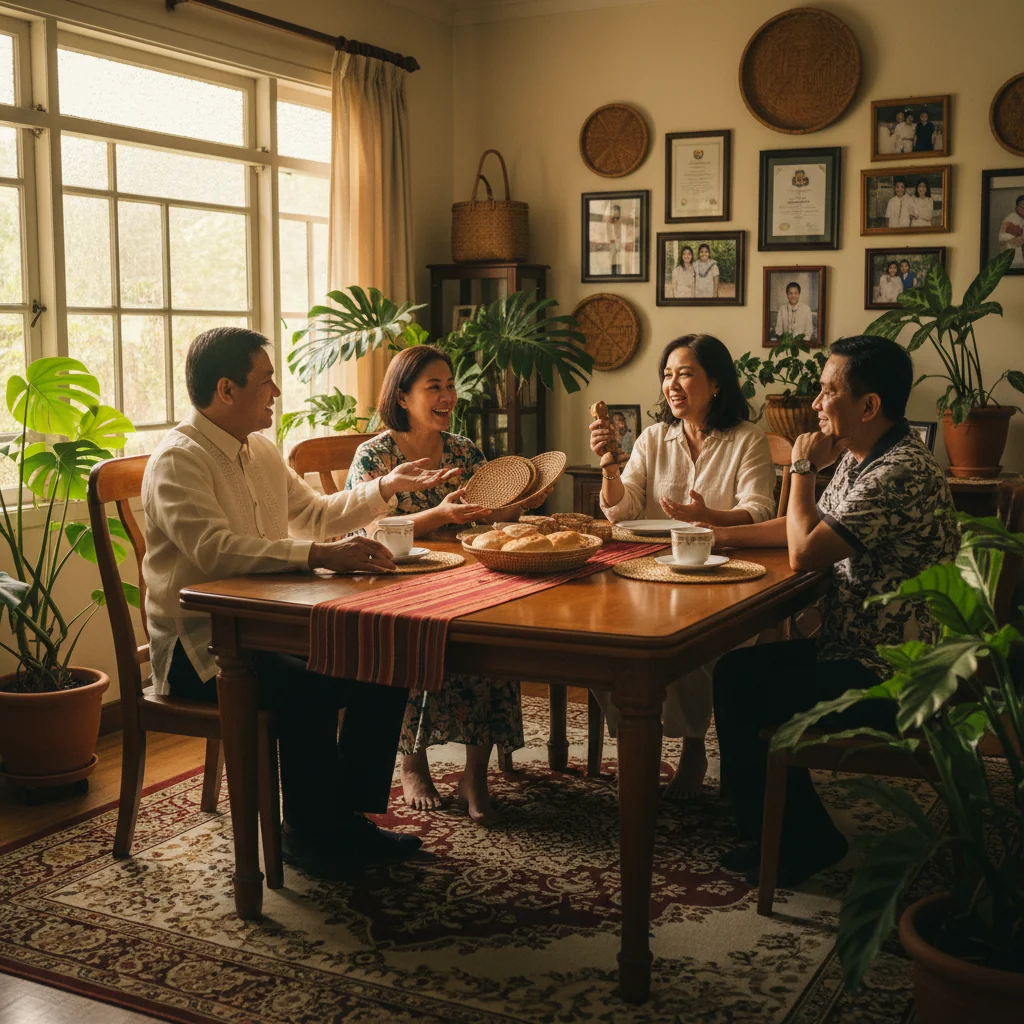
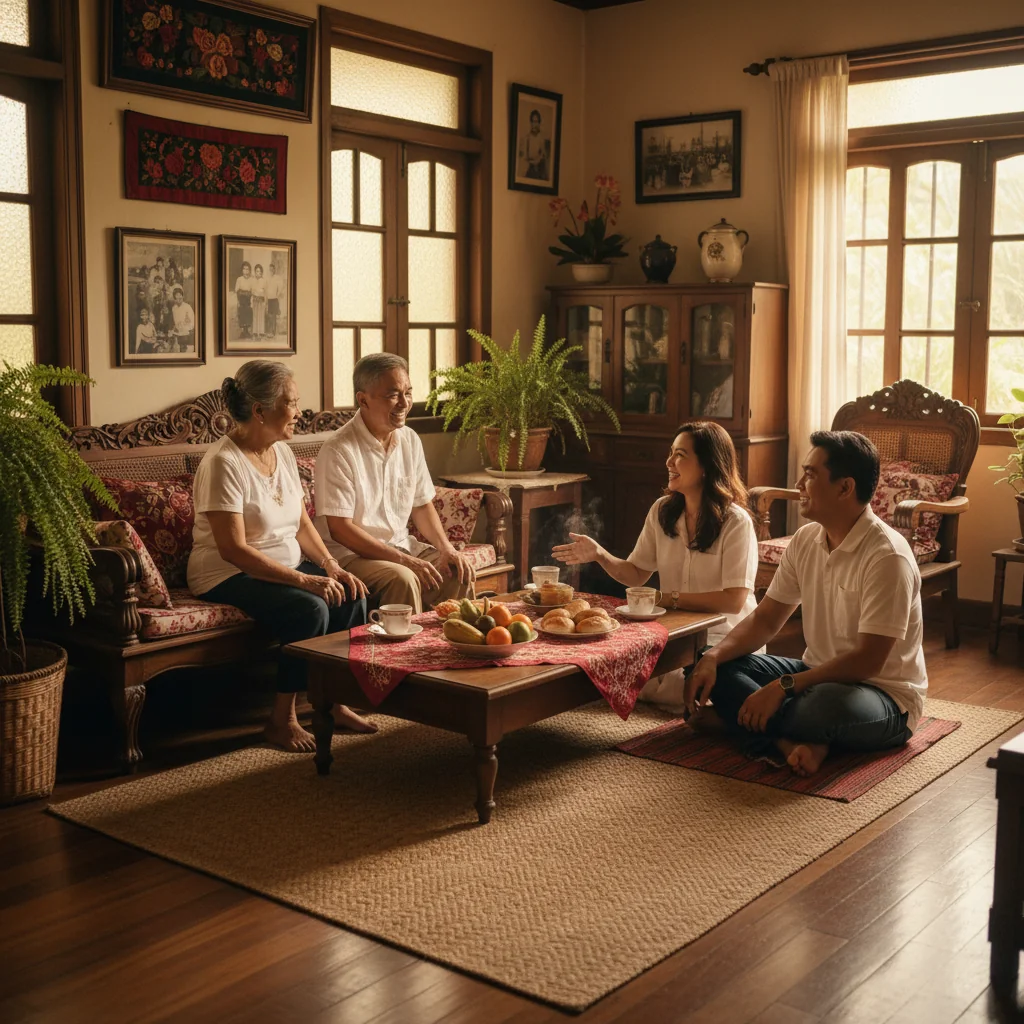
In the Philippines, effective mediation for house rules disputes begins with incorporating local customs like bayanihan, the spirit of communal unity, to foster non-confrontational resolutions. Family elders or barangay captains often act as neutral facilitators, encouraging open dialogue in a relaxed setting such as a shared meal to build harmony without escalating tensions.
Employ active listening techniques rooted in Filipino values of pakikisama, or smooth interpersonal relations, where each party expresses concerns calmly without interruptions. This approach, supported by the Department of Budget and Management's guidelines on conflict resolution, helps identify common ground and prevents disputes from affecting household peace.
To document agreements, advocate for bespoke AI-generated corporate documents using Docaro, tailored to Philippine family dynamics for clarity and enforceability. Bullet-point summaries of resolved rules can be listed as follows:
- Outline specific house rules with mutual consent.
- Include timelines for implementation and review.
- Designate a family mediator for future adjustments.
What Legal Options Exist for Severe House Rules Conflicts?
In the Philippines, resolving severe house rules disputes often begins with barangay mediation, a free and accessible community-based process under the Katarungang Pambarangay Law. This involves approaching your local barangay hall for conciliation by the Lupong Tagapamayapa, which is mandatory for disputes between residents before escalating to courts.
If barangay mediation fails, parties can proceed to the appropriate family court or municipal trial court for formal adjudication, especially for disputes involving family members or cohabitants. Seek professional legal help from a licensed attorney if the conflict involves potential violence, property rights, or emotional distress, ensuring compliance with Philippine laws like the Family Code.
For guidance on Philippine dispute resolution, visit the official Department of Justice website or the Philippine Commission on Women for family-related resources. When documenting agreements, opt for bespoke AI-generated corporate documents using Docaro to tailor solutions professionally without relying on generic templates.
When Should You Involve External Authorities?
External intervention becomes necessary in scenarios involving immediate safety risks or abuse, such as domestic violence, child endangerment, or elder mistreatment, where individuals cannot protect themselves without outside help. In the Philippines, these cases often require prompt action from authorities to prevent further harm and ensure victim protection.
The process in the Philippine context typically starts with reporting the incident to the nearest Philippine National Police (PNP) station or the Department of Social Welfare and Development (DSWD), depending on the nature of the abuse. For instance, child abuse reports can be filed through the DSWD's hotline, leading to an investigation and possible temporary protective custody.
Following the report, authorities conduct an assessment to verify the situation, which may involve coordination with the National Bureau of Investigation (NBI) for serious cases. Legal proceedings can then ensue under laws like Republic Act 9262 for violence against women and children, emphasizing the need for swift external intervention to safeguard rights.