What Are House Rules in the Philippines?
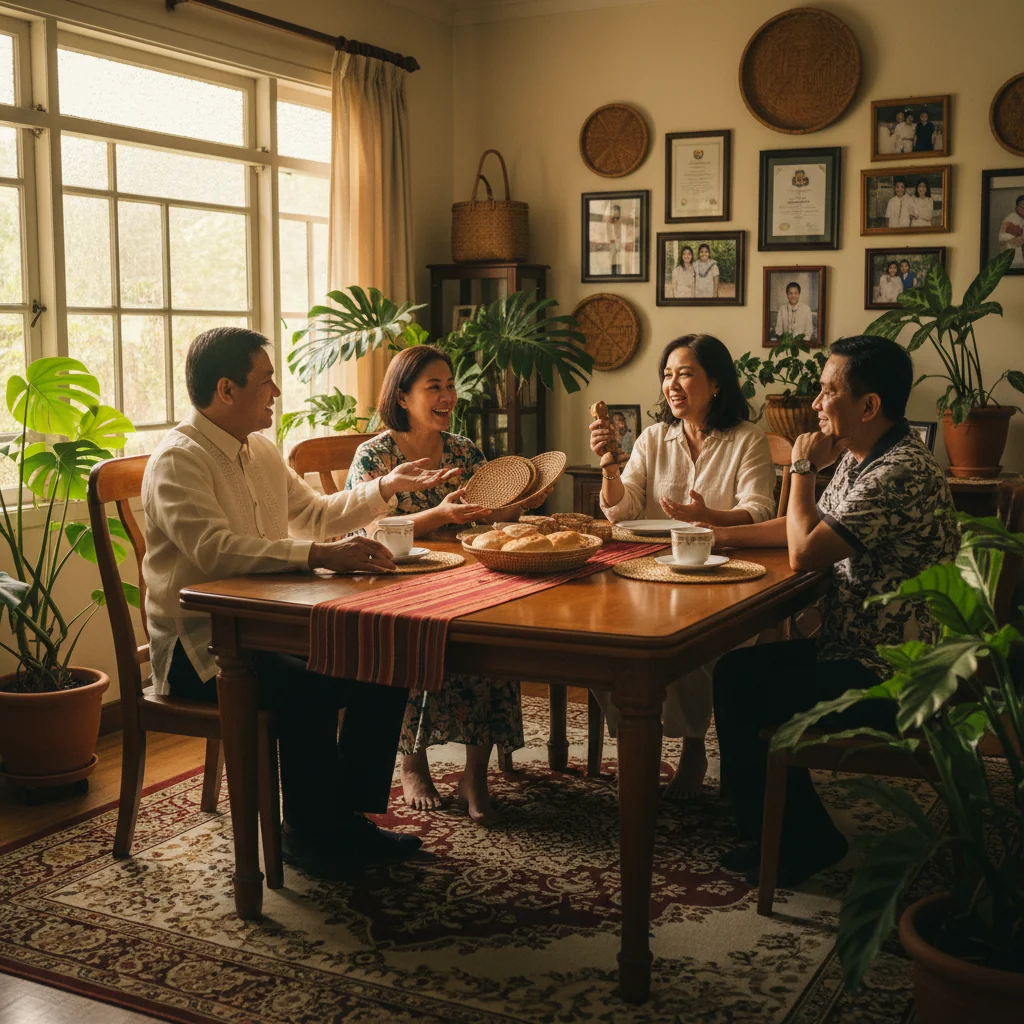
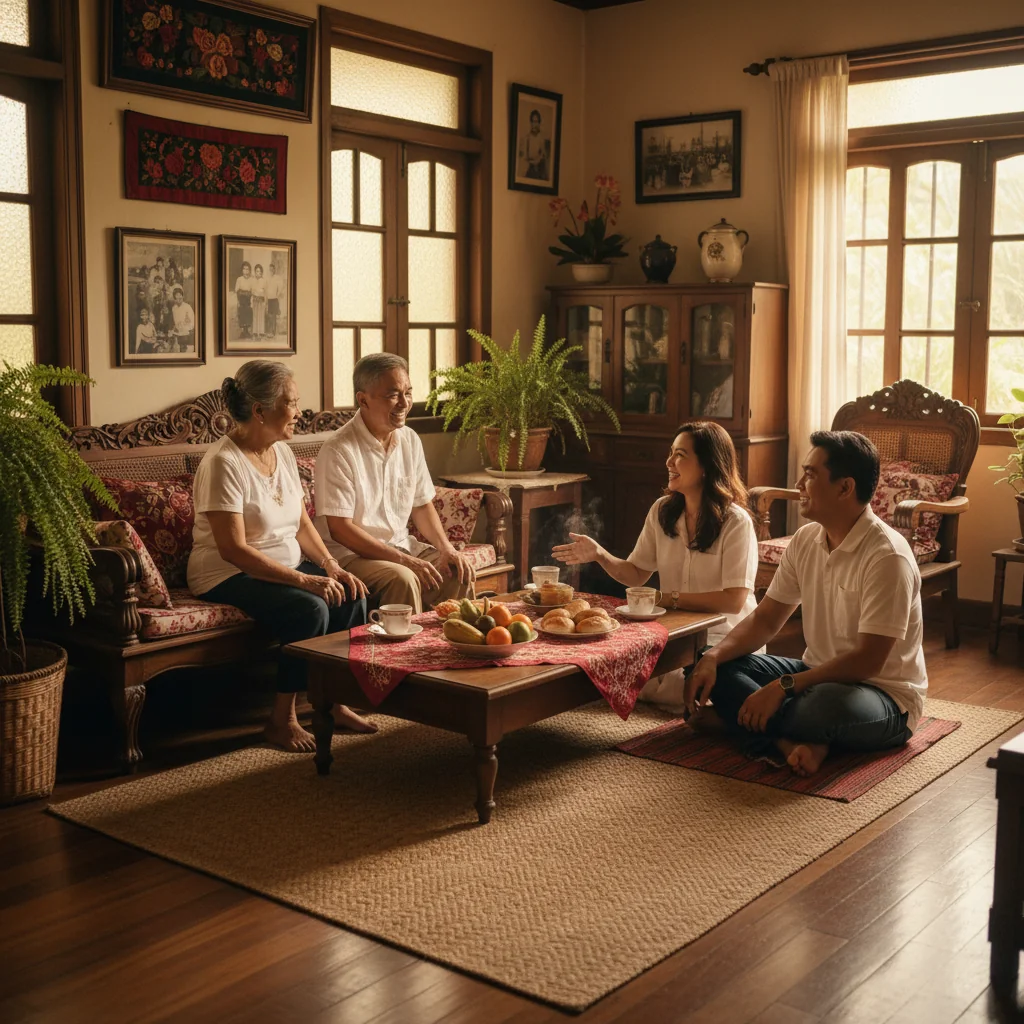
In Filipino households, house rules refer to the informal or formal guidelines established by family members to maintain harmony, discipline, and cultural values. These rules often stem from the strong emphasis on family unity and respect for elders in Philippine society, reflecting the collectivist nature of Filipino culture where individual actions impact the entire household.
The cultural significance of house rules lies in preserving traditions like utang na loob (debt of gratitude) and barkada solidarity, ensuring that younger generations uphold moral and ethical standards passed down through generations. Common purposes include promoting cleanliness, punctuality for family meals, and limiting screen time to foster interpersonal bonds, all aimed at nurturing responsible and respectful individuals within the Filipino family structure.
For official documents related to household management or legal aspects in the Philippines, refer to the internal House Rules page. Additional insights on Filipino family customs can be found on the Philippine News Agency website, which covers cultural practices.
"In every Filipino household, establishing clear house rules fosters respect and unity, ensuring family harmony endures through life's challenges." – Dr. Maria Santos, renowned Filipino family therapist.
Why Are House Rules Important for Filipino Families?
In Philippine culture, house rules play a vital role in fostering discipline by establishing clear expectations for behavior, helping family members, especially children, develop responsibility and respect for authority. This structured environment mirrors the strong emphasis on family hierarchy and moral upbringing rooted in Filipino values, promoting long-term personal growth and harmony within the household.
Regarding safety, house rules in Filipino families often include guidelines on household chores, screen time limits, and emergency protocols, which protect members from risks and encourage collective vigilance. For instance, rules mandating locked doors at night or supervised playtime outdoors reduce accidents and build a secure home atmosphere, aligning with the cultural priority of family protection.
House rules also enhance family bonding by creating opportunities for shared activities and open discussions, strengthening ties in the close-knit Filipino family structure. Benefits include improved communication, reduced conflicts, and traditions like family meals, which reinforce unity and emotional support essential to Philippine family life.
For practical tips on drafting effective house rules tailored to Filipino families, refer to the internal guide on drafting house rules for Filipino families. Additionally, explore resources from the Department of Social Welfare and Development for insights into family welfare in the Philippines.
How Do House Rules Differ Across Regions in the Philippines?
In the Philippines, regional variations in house rules often reflect the diverse cultural landscapes, with urban households in cities like Manila emphasizing modern, structured guidelines influenced by fast-paced lifestyles and condominium living regulations.
These urban rules typically focus on noise control, shared space etiquette, and technology integration, such as device usage limits during family time, differing from rural areas where house rules prioritize community harmony and agricultural routines.
Rural communities, especially in regions like the Visayas or Mindanao, incorporate indigenous traditions from groups such as the Ifugao or T'boli, embedding practices like ancestral rituals or sustainable living norms into daily household norms to preserve cultural heritage.
For deeper insights into Philippine cultural practices, explore resources from the National Commission for Culture and the Arts, which documents indigenous influences on community living.
What Are Common Types of House Rules in Philippine Homes?
In Filipino family dynamics, house rules often emphasize respect for elders and communal harmony, with curfews being a key category to ensure safety and family bonding. Parents typically set strict evening return times for teenagers, reflecting cultural values of close-knit households, as highlighted in guidelines from the Department of Health Philippines.
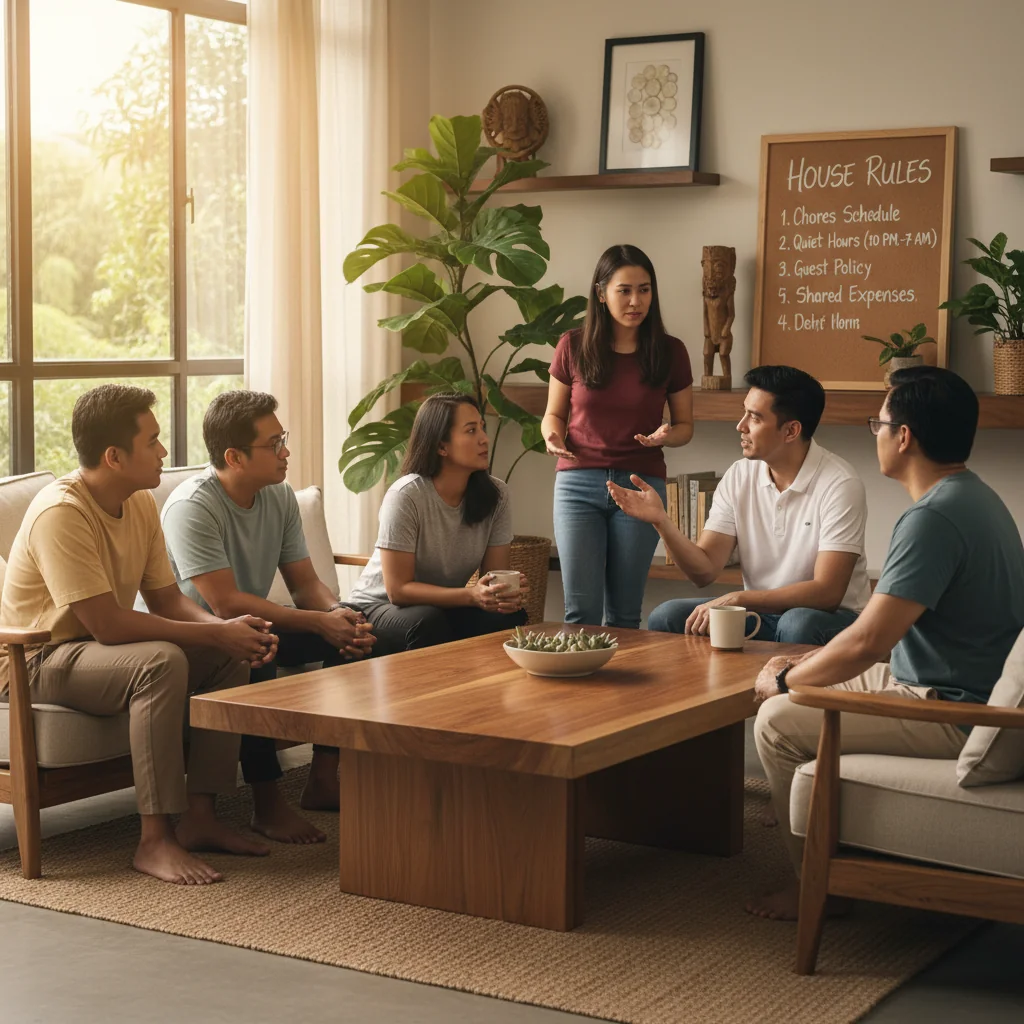
Chores form another essential category, promoting responsibility and teamwork in Filipino homes where multigenerational living is common. Family members, including children, share tasks like cleaning and cooking to foster utang na loob, or a sense of familial debt and gratitude.
Guest policies in Filipino families stress hospitality, or pakikisama, while maintaining house order by requiring advance notice for visitors. This balances the warm, welcoming nature of Pinoy culture with practical boundaries to respect everyone's space.
Technology use rules address screen time limits to prioritize face-to-face interactions, a nod to traditional family meals and gatherings. Parents often monitor device usage during meals or study hours, aligning with Philippine educational advisories from the Department of Education on balanced digital habits.
How Can Families Enforce These Rules Effectively?
1
Communicate Rules Clearly
Gather family members and explain house rules in simple, age-appropriate language, emphasizing reasons and benefits for everyone.
2
Involve Family in Rule-Making
Encourage input from all members to foster ownership; use bespoke AI-generated family agreements via Docaro for tailored documentation.
3
Implement Consistent Enforcement
Apply rules fairly with immediate, proportionate consequences; model adherence as parents to build respect and habit.
4
Review and Adjust Regularly
Hold monthly family meetings to assess rule effectiveness, discuss issues, and update as needed for ongoing harmony.
What Challenges Arise with House Rules in the Philippines?
In Philippine households, generational conflicts often arise when traditional values clash with modern lifestyles, such as differing views on curfews or technology use among elders and young adults. These disputes can strain family bonds, leading to misunderstandings that require open dialogue to resolve.
External influences like economic pressures or cultural shifts from globalization also challenge family harmony in the Philippines, influencing decisions on education, career paths, or even household chores. For instance, migration for work can create tensions over remittances and family responsibilities.
Common house rules disputes in the Philippines, including those from generational gaps or outside factors, can be addressed through clear communication and mutual respect. For detailed resolutions to common house rules disputes, explore the internal guide on resolutions.
Addressing these challenges strengthens family units; consult authoritative sources like the Department of Social Welfare and Development for additional family support resources in the Philippines.
"In the face of house rule challenges, engage in open dialogue to foster understanding and resolution—it's the cornerstone of harmonious living, as advised by Philippine legal expert Atty. Maria Santos."
For tailored corporate documents to support such dialogues, generate bespoke solutions using Docaro's AI platform.
How Do Legal Aspects Play into House Rules?
In the Philippines, house rules set by parents for minors must align with parental rights under the Family Code, which grants guardians authority to guide and discipline children while prioritizing their best interests. These rules should promote a safe and nurturing environment, avoiding any form of abuse or neglect that could violate the Special Protection of Children Against Abuse, Exploitation and Discrimination Act (RA 7610).
Minor protections are safeguarded by laws like the Juvenile Justice and Welfare Act (RA 9344), ensuring that house rules do not infringe on a child's fundamental rights to education, health, and privacy. Parents must balance discipline with respect for the child's developing autonomy, especially for those aged 12 to 17, where harsher rules could lead to legal scrutiny if they cause harm.
For creating effective Philippine house rules, consult authoritative sources such as the Department of Social Welfare and Development (DSWD) to ensure compliance. Instead of generic templates, opt for bespoke AI-generated documents tailored to your family's needs using Docaro for personalized legal guidance.
How Can You Create and Customize House Rules for Your Home?
Personalizing house rules for families in the Philippines requires considering cultural values like close-knit family bonds and respect for elders, as outlined in the comprehensive family guide. Tailor rules to promote harmony, such as setting curfews that align with local community norms and school schedules.
For nuclear families, focus on balanced routines that include shared meals and homework time to strengthen daily interactions. In extended households common in the Philippines, incorporate rules for respecting multiple generations, drawing from traditional Filipino family structures supported by the Department of Social Welfare and Development.
Single-parent families may emphasize flexible rules for independence and support networks, while blended families should address step-sibling dynamics through clear communication guidelines. Consult resources like the Philippine Commission on Women for insights on inclusive family policies tailored to diverse setups.
To create customized documents for these rules, advocate for bespoke AI-generated family agreements using Docaro, ensuring they reflect unique Philippine family needs without relying on generic templates.
1
Brainstorm Ideas
Gather family or household members to brainstorm unique house rules that reflect your values and needs. Jot down initial ideas freely.
2
Discuss and Refine
Hold an open discussion to share and refine the brainstormed rules, ensuring everyone agrees on their purpose and fairness.
3
Document with Docaro
Use Docaro to generate bespoke AI-powered documents for your house rules, customizing them to your specific household dynamics.
4
Implement and Review
Put the documented rules into practice immediately, then schedule regular reviews to adjust as your household evolves.