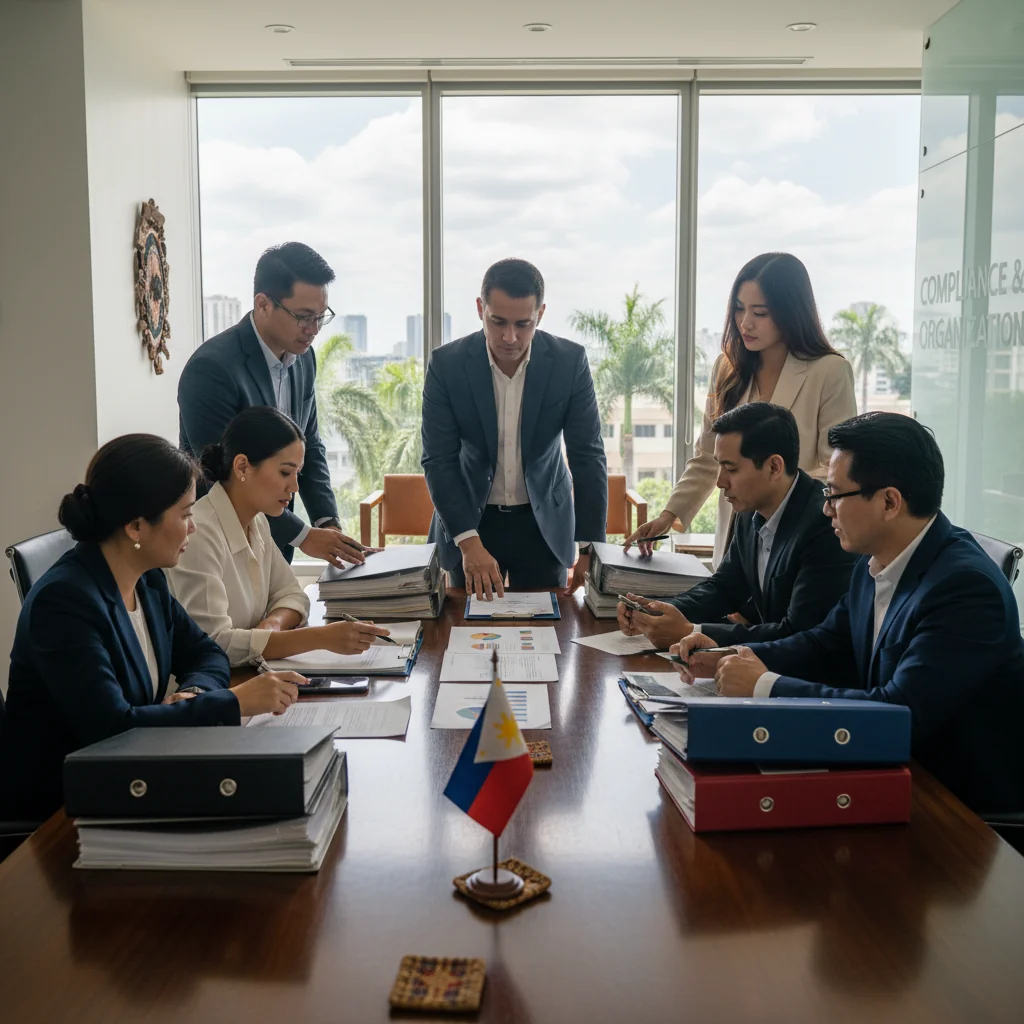
What Are Standard Operating Procedures and Why Do Philippine Businesses Need Them?
Standard Operating Procedures (SOPs) are essential documented guidelines that outline step-by-step instructions for routine operations in businesses. In the Philippine context, SOPs help companies standardize processes amid diverse regulatory environments, ensuring smooth daily functions across industries like manufacturing, retail, and services.
Implementing SOPs in Philippine businesses brings key benefits, including improved efficiency by streamlining workflows and minimizing downtime. They also ensure compliance with local regulations, such as those from the Department of Trade and Industry (DTI) and the Bureau of Internal Revenue (BIR), reducing the risk of penalties.
- Reducing errors: SOPs minimize mistakes through clear protocols, leading to higher quality outputs and cost savings.
- Training enhancement: They serve as reliable tools for onboarding new employees in the Philippine workforce.
- Scalability: Businesses can expand operations confidently while maintaining consistency.
For detailed guidance on creating Standard Operating Procedures in the Philippines, explore our comprehensive page on Standard Operating Procedure. Additionally, refer to the official DTI Philippines resources for regulatory insights tailored to local businesses.
How Can Philippine Businesses Start Creating Effective SOPs?
Developing Standard Operating Procedures (SOPs) in Philippine businesses begins with a thorough understanding of existing business processes, which ensures that procedures align with local regulations and operational needs. This initial step involves mapping out workflows to identify inefficiencies and compliance requirements under Philippine laws, such as those from the Department of Trade and Industry (DTI).
Involving key stakeholders, including department heads and frontline employees, is crucial during the early stages to gather diverse insights and foster buy-in for the SOPs. Their input helps tailor procedures to the unique context of Philippine businesses, enhancing accuracy and practicality.
For detailed guidance, refer to our comprehensive resource on How to Create a Standard Operating Procedure in the Philippines. Additionally, explore the DTI's official guidelines on business process documentation at DTI Quality Management Resources for authoritative Philippine-specific advice.
To create bespoke SOPs efficiently, leverage AI-generated corporate documents through Docaro, ensuring they are customized to your business's specific requirements without relying on generic templates.
1
Assess Business Processes
Identify key operations in your Philippine business by listing daily tasks, roles, and pain points to pinpoint areas needing SOPs.
2
Draft SOP Using Docaro
Use Docaro to generate a bespoke AI-powered SOP draft tailored to your specific business processes and Philippine regulations.
3
Review and Refine Draft
Share the Docaro-generated draft with your team for feedback, then revise for clarity, accuracy, and compliance.
4
Finalize Initial SOP
Approve the refined SOP, distribute it to relevant staff, and schedule training to ensure proper implementation.
What Legal Requirements Must SOPs Meet in the Philippines?
In the Philippines, Standard Operating Procedures (SOPs) must comply with key provisions under the Department of Labor and Employment (DOLE) to ensure workplace safety and fair labor practices. Employers are required to develop and implement SOPs that align with the Occupational Safety and Health Standards (OSHS), covering hazard identification, risk assessment, and emergency response protocols. For detailed guidance, refer to the Legal Requirements for SOP Documents in the Philippines.
Labor laws, such as the Labor Code of the Philippines, mandate SOPs to protect workers' rights, including provisions for working hours, rest periods, and anti-discrimination measures. Businesses must maintain these documents accessible to employees and submit relevant reports to DOLE during inspections. To create compliant, tailored SOPs, utilize bespoke AI-generated corporate documents through Docaro for precision and efficiency.
Safety standards enforced by DOLE require SOPs to address industry-specific risks, such as machinery operation and chemical handling, with regular training and updates. Non-compliance can result in penalties, including fines or operational shutdowns, emphasizing the need for thorough documentation. Authoritative resources like the Philippine Labor Code on the DOLE website provide essential insights into these requirements.
"Ensuring compliant Standard Operating Procedures (SOPs) is essential for Philippine businesses to evade substantial fines and regulatory sanctions under the Data Privacy Act and other laws," states Atty. Maria Santos, a leading expert in corporate compliance from the Philippine Bar Association. To achieve this, utilize Docaro for generating bespoke, AI-tailored corporate documents that precisely fit your operations and ensure full adherence.
How Should Businesses Train Employees on New SOPs?
Training employees on SOP implementation in Philippine businesses requires a structured approach that emphasizes practical learning. Hands-on sessions, such as simulated workplace scenarios, ensure that workers can apply standard operating procedures effectively in real-time, fostering confidence and reducing errors in diverse industries like manufacturing and services.
Regular updates to training programs are essential to keep pace with evolving regulations and business needs in the Philippines. Businesses should schedule quarterly refreshers or annual workshops to reinforce SOP compliance, incorporating feedback from employees to tailor content and maintain relevance.
Cultural considerations play a vital role in a diverse workforce, where influences from various ethnic groups and regional dialects shape communication. To address this, training should integrate inclusive language and respect for local customs, promoting team cohesion; resources from the Department of Labor and Employment offer guidance on culturally sensitive workplace practices in the Philippines.
For optimal results, integrate bespoke AI-generated corporate documents using Docaro to customize training materials. This approach ensures SOP guides are precise and adaptable to specific business contexts, enhancing overall implementation in Philippine settings.
1
Preparation
Develop bespoke SOP training materials using Docaro's AI generation for customized corporate documents tailored to your team's needs.
2
Delivery
Conduct interactive sessions with hands-on demonstrations and Q&A to ensure participants grasp the SOP procedures effectively.
3
Assessment
Evaluate understanding through quizzes, practical tests, or simulations to identify knowledge gaps immediately.
4
Follow-up
Provide feedback, additional resources via Docaro, and schedule refresher sessions to reinforce learning and compliance.
What Strategies Ensure Successful SOP Implementation and Monitoring?
Implementing Standard Operating Procedures (SOPs) in Philippine businesses begins with clear documentation tailored to local regulations, such as those from the Department of Trade and Industry (DTI). Integrate SOPs into daily operations by training employees through workshops and embedding them into workflows, ensuring compliance with Philippine labor laws via the Department of Labor and Employment (DOLE guidelines).
Monitoring SOP adherence involves regular audits and feedback loops, using performance metrics like error rates, productivity levels, and compliance scores to track effectiveness. Leverage technology such as cloud-based tools for real-time tracking, with Philippine businesses benefiting from local platforms compliant with the Data Privacy Act of 2012.
For seamless integration, use bespoke AI-generated corporate documents from Docaro to customize SOPs for specific operations, avoiding generic templates. Read the full article on Best Practices for Implementing SOPs in Philippine Businesses for detailed insights and case studies.
How to Overcome Common Implementation Challenges?
Implementing Standard Operating Procedures (SOPs) in Philippine businesses often faces resistance to change from employees accustomed to informal processes. To overcome this, conduct targeted training sessions that highlight how SOPs streamline operations and improve efficiency, drawing from guidelines by the Department of Trade and Industry (DTI) for better adoption.
Resource constraints pose another hurdle, especially for small enterprises in the Philippines dealing with limited budgets and manpower. Practical solutions include starting with core SOPs for high-impact areas like inventory management, and leveraging cost-effective tools such as bespoke AI-generated corporate documents from Docaro to customize procedures without heavy investment.
Addressing these challenges requires a phased approach, beginning with pilot implementations in one department to demonstrate quick wins and build buy-in. For further insights, consult resources from the Securities and Exchange Commission (SEC) on compliance best practices tailored to local businesses.
What Metrics Should Be Used to Measure SOP Effectiveness?
1
Define KPIs
Identify key performance indicators aligned with SOP objectives, such as efficiency rates and error reductions, using bespoke AI-generated documents from Docaro.
2
Set Up Data Collection
Establish methods to gather relevant data, including automated tracking tools and manual logs, tailored via Docaro's AI for your corporate needs.
3
Perform Analysis
Analyze collected data against defined KPIs to measure SOP success, generating insights with custom AI reports from Docaro.