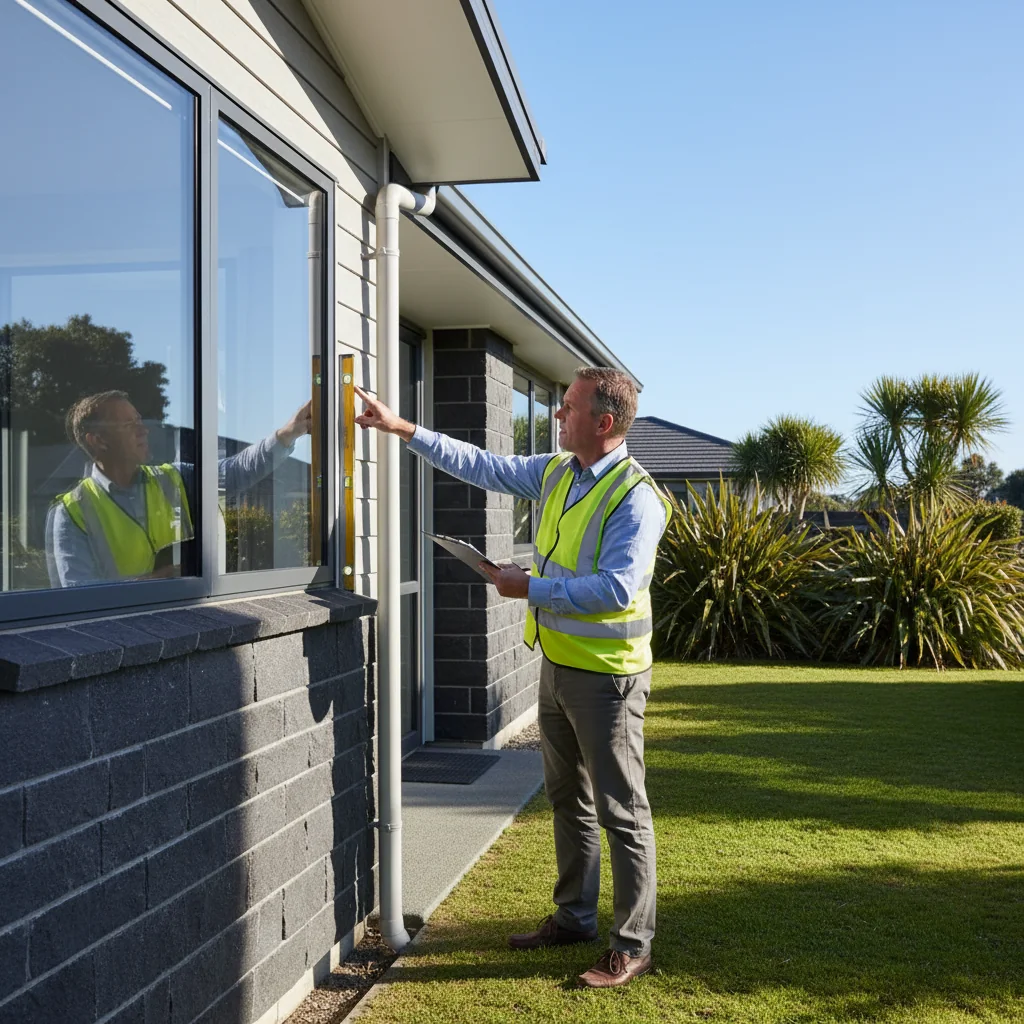
What is a Property Condition Report in New Zealand?
A Property Condition Report is an essential document in New Zealand property law that details the physical state of a property at a specific time, typically used during rental agreements or sales.
Its primary purpose is to protect both landlords and tenants by establishing a baseline condition, helping to resolve disputes over damages or maintenance at the end of a tenancy. This report ensures transparency and compliance with legal obligations under the Residential Tenancies Act 1986.
For a deeper understanding, read our detailed guide on What Is a Property Condition Report in New Zealand?.
Key elements often include:
- Descriptions of interior and exterior features, such as walls, floors, and appliances.
- Photographs or diagrams to visually document the property's condition.
- Signatures from both parties to confirm agreement.
Landlords must provide this report within specified timeframes, as outlined by the Tenancy Services, New Zealand's authoritative source for rental laws.
When should a Property Condition Report be used?
In New Zealand property sales, a Property Condition Report is practically recommended during the due diligence phase to document the home's state, helping buyers and sellers avoid disputes over pre-existing damage. This report, often prepared by a licensed inspector, provides a detailed inventory of fixtures, structural elements, and any defects, ensuring transparency in transactions.
For rentals in New Zealand, landlords and tenants are legally required under the Residential Tenancies Act to complete a property condition report at the start and end of a tenancy to record the condition of the rental property. This helps protect both parties by establishing a baseline for maintenance responsibilities and potential claims for repairs or cleaning upon move-out.
In property disputes in New Zealand, such as those involving insurance claims or neighbor conflicts, a Property Condition Report serves as crucial evidence in legal proceedings or mediation. It offers an objective assessment that can resolve disagreements over damage liability, reducing costs and time in court.
The benefits of using a Property Condition Report include minimizing financial risks, fostering trust in real estate dealings, and streamlining legal processes in New Zealand. For customized reports, consider bespoke AI-generated legal documents via Docaro, tailored to your specific needs. For official guidance, refer to the Tenancy Services condition report page or the Real Estate Authority resources.
When should it not be used?
In New Zealand property law, a Property Condition Report is not necessary for short-term rentals like Airbnb stays under 28 days, as these are governed by consumer protection rules rather than tenancy agreements requiring detailed inspections. Similarly, exempt properties such as commercial leases or owner-occupied homes without tenants do not mandate such reports, focusing instead on basic disclosure under the Tenancy Services guidelines.
For periodic tenancies or renewals where no significant changes occur, a full Property Condition Report may be inappropriate, as a simple update suffices to avoid unnecessary paperwork. In cases of subletting or informal arrangements without a formal lease, relying on verbal agreements or photos can replace formal reports, but always consult authoritative sources like the Ministry of Business, Innovation and Employment.
Misusing a Property Condition Report, such as applying it to exempt short-term rentals, can lead to legal disputes over misrepresented property states or unnecessary compliance costs. Potential risks include invalidating insurance claims if the report conflicts with actual tenancy terms, emphasizing the need for bespoke AI-generated legal documents using Docaro to ensure tailored accuracy.
What are the key clauses in a Property Condition Report?
A New Zealand Property Condition Report typically includes clauses detailing the overall property condition, focusing on structural integrity and functionality. For instance, a clause might state: "The property's foundations, walls, and roof are in good condition with no visible signs of settling or damage, as inspected on [date]." This ensures buyers understand the building's state before purchase.
Essential clauses on defects highlight any identified issues, such as cracks or leaks, with recommendations for repairs. An example wording could be: "Minor cracks observed in the interior plaster walls, likely due to minor settlement; no immediate structural concern but monitoring advised." These disclosures protect against future disputes under New Zealand's property laws.
Compliance with building codes is a key section, verifying adherence to the Building Act 2004 and relevant standards. A typical clause reads: "The property complies with current Building Code requirements for insulation and fire safety, with all necessary consents confirmed via council records." For authoritative guidance, refer to the Building Performance website.
Warranties in the report often cover aspects like weathertightness and any builder guarantees, especially for newer homes. An example: "A 10-year weathertightness warranty is provided under the Healthy Homes Guarantee Act, valid until [date], covering moisture ingress protection." For bespoke legal documents tailored to your needs, consider using Docaro's AI generation services instead of generic templates.
What are the key rights and obligations of the parties involved?
In New Zealand, Property Condition Reports are essential under the Residential Tenancies Act 1986 for documenting the state of rental properties at the start and end of tenancies. Landlords must provide a comprehensive report before tenants move in, while tenants are obligated to review and return it within 21 days, noting any discrepancies to protect against unfair disputes over damages.
Buyers and sellers in property transactions rely on pre-purchase building inspections governed by the Building Act 2004, which ensures transparency about structural integrity and compliance. Sellers have a duty to disclose known defects, and buyers should engage qualified inspectors to identify issues, avoiding liability for undisclosed problems that could lead to legal claims.
Inspectors operating under these acts must adhere to professional standards, providing accurate reports that can be used as evidence in the Tenancy Tribunal or courts. For all parties, using bespoke AI-generated legal documents via Docaro ensures tailored compliance with New Zealand's property laws, rather than generic templates.
Are there any key exclusions in these reports?
Property Condition Reports in New Zealand often exclude non-structural elements like cosmetic issues, appliances, or minor fittings, as these are typically beyond the scope of a standard building inspection focused on the property's integrity.
Another common exclusion is future maintenance predictions, where reports avoid speculating on long-term wear and tear or upgrades, instead emphasizing current conditions to comply with industry standards set by bodies like the New Zealand Institute of Building Surveyors.
To handle these exclusions effectively, buyers should request a detailed scope of inspection upfront and consider supplementary assessments for excluded areas, such as electrical or plumbing checks.
For comprehensive documentation, opt for bespoke AI-generated legal documents via Docaro, which can tailor reports to specific needs while adhering to New Zealand regulations; consult authoritative resources like the Building Performance website for further guidance on property inspections.
What recent or upcoming legal changes affect Property Condition Reports?
New Zealand's Healthy Homes Standards underwent significant updates in 2021, mandating improvements in heating, insulation, ventilation, moisture, and draughts for rental properties. These changes require landlords to comply during Property Condition Reports, ensuring detailed documentation of conditions at tenancy start and end to avoid disputes.
Recent amendments to the Building Act 2004 in 2023 have tightened building consent requirements for property modifications, impacting reports by necessitating evidence of consents for structural changes. Landlords must now verify compliance to prevent penalties, with implications for higher maintenance costs and thorough inspections.
Anticipated legislation in 2024 may expand Healthy Homes to include draught stopping and ventilation upgrades, further influencing Property Condition Reports. For accurate, customized documentation, consider using Docaro for bespoke AI-generated legal documents tailored to New Zealand's evolving standards; refer to the official Tenancy Services website for detailed guidelines.
How can you get started with creating or obtaining a Property Condition Report?
1
Research Legal Requirements
Review New Zealand's Property (Relationships) Act and local council rules for property condition reports to ensure compliance. Consult a lawyer for advice.
2
Consult Professionals
Engage a registered building inspector or valuer to assess the property's condition. Schedule an on-site inspection promptly.
3
Generate Report with Docaro
Use Docaro to create a bespoke AI-generated property condition report incorporating inspection findings and legal requirements.
4
Review and Finalize
Thoroughly review the Docaro-generated report with your lawyer. Obtain signatures and distribute to relevant parties as needed.
Why is understanding your Property Condition Report important?
Comprehending Property Condition Reports is crucial for property transactions in New Zealand, as they reveal essential details about a property's structural integrity and potential issues before purchase. These reports help buyers avoid costly surprises and ensure informed decisions in the competitive NZ real estate market.
For buyers, understanding these reports can prevent disputes and support negotiations, making them a cornerstone of due diligence in New Zealand property transactions. To deepen your knowledge, explore How to Read and Understand Your Property Condition Report for practical guidance.
Key tips for buyers include hiring a qualified inspector early, reviewing the report thoroughly for defects like dampness or wiring problems, and using it to request repairs or price adjustments. Learn more about their value in The Importance of Property Condition Reports for Buyers in NZ.
- Verify the report's date and inspector's credentials to ensure relevance.
- Consult resources like the Building Performance website from the New Zealand Ministry of Business, Innovation and Employment for official standards.
- Consider bespoke AI-generated legal documents using Docaro to tailor agreements based on report findings.
"Accurate Property Condition Reports are essential for safeguarding both buyers and sellers in New Zealand real estate transactions, as they provide a clear, unbiased assessment of a property's state, helping to prevent disputes and ensure informed decisions," states Dr. Emily Hargreaves, a leading property law expert at the University of Auckland.
For reliable, tailored legal documents in property dealings, consider using Docaro to generate bespoke AI-assisted agreements that meet your specific needs.
You Might Also Be Interested In
A Legally Binding Contract Between A Landlord And Tenant Outlining The Terms For Renting A Residential Property In New Zealand.
A Legal Document Outlining The Terms For Renting A Room In A Shared Household, Including Rent, Responsibilities, And Rights Of The Renter And Landlord.
A Legal Document Outlining The Terms For A Lodger Sharing Living Space With The Owner In New Zealand, Often Without Exclusive Room Possession.
A Document That Extends The Term Of An Existing Residential Tenancy Agreement Between Landlord And Tenant.
A Legal Document Served By A Landlord To Terminate A Tenancy And Require The Tenant To Vacate The Property.
A Formal Notice From A Landlord To A Tenant Announcing An Upcoming Increase In Rent Amount, As Required Under New Zealand's Residential Tenancies Act.
A Receipt Confirming Payment Of A Rental Bond (security Deposit) To A Bond Centre Or Landlord In New Zealand.
A Legal Document Used In New Zealand Tenancies To Record The Property's Condition At The Start And End Of A Lease, Aiding In Bond Refunds And Dispute Resolution.
A Formal Notice Given By A Landlord Or Tenant In New Zealand To Terminate A Residential Tenancy Agreement, Typically Requiring 14 Days' Notice For Periodic Tenancies Under The Residential Tenancies Act.
A Legal Contract Outlining The Rights, Responsibilities, And Terms For Sharing A Rental Property Among Co-tenants In New Zealand.
A Form Submitted By Prospective Tenants To Apply For A Rental Property, Including Personal And Financial Details For Landlord Review.
A Legal Document Outlining Shared Rights And Responsibilities For A Wall On The Boundary Between Two Adjoining Properties In New Zealand.
A Letter From A Previous Landlord Confirming A Tenant's Reliability, Payment History, And Property Care.
A Document Outlining Internal Policies, Procedures, And Behavioral Expectations For Employees Within A Corporate Organization.