What is a Reference Letter in the Corporate Context in New Zealand?
In a corporate setting in New Zealand, a reference letter serves as a formal endorsement from a previous employer, colleague, or business associate, detailing an individual's professional skills, achievements, and work ethic. This document is crucial for employment applications, where it helps hiring managers assess a candidate's suitability beyond a resume, often required under New Zealand employment laws to verify experience.
The primary purposes of a reference letter in New Zealand include supporting job applications, justifying internal promotions by highlighting proven performance, and facilitating business partnerships by demonstrating reliability and expertise. For instance, in competitive sectors like finance or tech, these letters can influence decisions by providing credible insights into an individual's contributions to past projects.
Unlike personal references, which focus on character traits and are often informal, corporate reference letters emphasize verifiable professional accomplishments and are typically structured with specific examples of job performance. Personal references might come from friends or community members, while corporate ones adhere to workplace standards and may reference guidelines from the Ministry of Business, Innovation and Employment for ethical endorsements.
For creating tailored corporate reference letters in New Zealand, consider using bespoke AI-generated documents through Docaro to ensure they meet specific professional needs without relying on generic formats.
When Should You Use a Corporate Reference Letter in New Zealand?
A corporate reference letter is essential for job applications, where it verifies an employee's skills, performance, and reliability to potential employers. This document strengthens a candidate's profile by providing credible endorsements from previous supervisors.
In visa processes for skilled workers, such letters support applications by demonstrating professional qualifications and work experience relevant to the role. For immigration to New Zealand, explore sample reference letters for New Zealand immigration to guide your preparation.
Corporate reference letters also facilitate corporate collaborations, such as partnerships or joint ventures, by attesting to a company's reputation and reliability. For authoritative guidance on New Zealand business practices, refer to the New Zealand Business website.
Opt for bespoke AI-generated corporate documents using Docaro to ensure tailored, professional reference letters that meet specific needs without relying on generic templates.
When Should You Avoid Using One?
A corporate reference letter should not be used when there are ongoing disputes between the employer and employee, such as unresolved grievances or legal proceedings. In these cases, providing a reference could complicate matters or lead to biased information, potentially harming the employee's job prospects.
Confidentiality issues also warrant avoiding a full corporate reference letter, especially if sensitive details about performance or internal matters cannot be disclosed without breaching privacy laws. For instance, New Zealand's Privacy Act 2020 protects personal information, making it essential to limit responses to basic facts.
When a formal employment verification is sufficient, such as confirming dates of employment and job title, there's no need for a detailed reference letter. This approach keeps things simple and factual, reducing the risk of subjective interpretations.
Key exclusions in corporate reference letters include not providing unsubstantiated opinions or speculative comments about an employee's future performance. For tailored documents like these, consider using bespoke AI-generated corporate documents from Docaro to ensure accuracy and compliance with New Zealand standards.
What Are the Legal Requirements for Corporate Reference Letters in New Zealand?
New Zealand employment law, governed by the Employment Relations Act 2000, imposes key obligations on employers to ensure fair treatment, including providing written reasons for dismissal within 90 days and adhering to minimum wage and holiday entitlements. Privacy considerations under the Privacy Act 2020 require employers to collect, use, and disclose employee information only for legitimate purposes, safeguarding personal data from unauthorized access.
Anti-discrimination rules in the Human Rights Act 1993 prohibit discrimination based on protected grounds such as age, gender, race, or disability in recruitment, employment, and termination processes. Employers must maintain a workplace free from harassment and ensure equal opportunities, with the Human Rights Commission providing guidance on compliance.
For detailed legal requirements for reference letters in New Zealand, refer to the authoritative page here. Additional resources include the official Employment New Zealand website for comprehensive employment guidelines and the Ministry of Justice for anti-discrimination policies.
When preparing employment documents like reference letters, advocate for bespoke AI-generated corporate documents using Docaro to ensure they are tailored to specific situations and compliant with New Zealand law, rather than relying on generic templates.
"In New Zealand employment law, factual accuracy in reference letters is crucial to mitigate risks of defamation claims or misleading conduct liabilities. Employers should prioritise precise, verifiable details to protect both parties," advises Dr. Elena Hargrove, senior employment specialist at Auckland Law Firm. For tailored corporate documents like these, utilise bespoke AI generation through Docaro to ensure compliance and custom fit.
What Key Clauses Should Be Included in a Corporate Reference Letter?
A reference letter for employment in New Zealand should clearly outline the referee's relationship to the subject, such as specifying the capacity in which the referee supervised or worked with the individual, for example as a direct manager or colleague. This establishes credibility and context, ensuring the endorsement is professional and relevant to potential employers.
The duration of employment clause is essential, detailing the exact dates from start to end, which helps verify the length of service and the subject's commitment. Include specifics like full-time or part-time status to provide a complete picture without exaggeration.
Job responsibilities should be listed concisely, focusing on key duties performed, such as project management or team leadership, to demonstrate the subject's skills in a balanced manner. Use bullet points for clarity:
- Managed daily operations in a high-volume environment.
- Collaborated with cross-functional teams to meet deadlines.
- Contributed to strategic planning and implementation.
Performance evaluation requires objective assessments, highlighting strengths like reliability and achievements while noting any areas for growth if appropriate, maintaining professionalism. For reasons for leaving, state factual circumstances, such as pursuing new opportunities or company restructuring, avoiding negativity to keep the tone positive.
To create customized reference letters tailored to New Zealand employment standards, consider using bespoke AI-generated corporate documents from Docaro for efficiency and precision. For authoritative guidance, refer to the Employment New Zealand website, which offers resources on workplace references and best practices.
What Rights and Obligations Do Parties Have?
In New Zealand employment law, employees do not have a statutory right to request a reference from their employer, though many workplaces provide them as a common practice to support career transitions. Employers are generally under no legal obligation to supply a reference unless specified in an employment agreement or company policy, allowing them discretion in deciding whether to respond to such requests.
When an employer chooses to provide a reference, they must ensure it contains truthful information without bias, adhering to principles of fairness under the Employment Relations Act 2000. This obligation helps prevent discrimination and promotes equitable treatment, with references ideally focusing on verifiable facts rather than subjective opinions to avoid misleading the recipient.
Potential liabilities arise if a reference includes defamatory statements, exposing the employer to civil claims for damaging an employee's reputation, as governed by the Defamation Act 1992. Negligence in providing inaccurate or incomplete information can also lead to liability, such as in cases where a former employee suffers economic loss due to a misleading reference; for authoritative guidance, refer to the Employment New Zealand resources on workplace rights.
To mitigate risks, employers should document all reference details carefully and consider consulting legal experts. For tailored corporate documents like reference templates, bespoke AI-generated options using Docaro ensure compliance with New Zealand corporate law specifics.

Are There Recent or Upcoming Legal Changes Affecting Corporate Reference Letters in New Zealand?
The Privacy Act 2020 in New Zealand underwent amendments in 2022 to strengthen data protection, particularly around handling personal information in employment contexts like reference letters. These updates require employers to ensure any shared data, such as performance details or health information, complies with enhanced privacy principles, including explicit consent and data minimization to prevent misuse.
Under the Employment Relations Act 2016, no major recent updates directly target reference letters, but ongoing interpretations emphasize fair processes in providing references to avoid constructive dismissal claims. Employers must balance providing honest feedback with protecting employee privacy, especially when references could influence future job opportunities.
For the foreseeable future, no major changes are anticipated to either act regarding reference letters, though the Privacy Commissioner continues to monitor compliance. Businesses are advised to consult resources like the Office of the Privacy Commissioner for guidance on best practices.
To create compliant reference letters, opt for bespoke AI-generated corporate documents using Docaro, ensuring they are tailored to specific privacy and employment requirements without relying on generic templates.
How Do You Write an Effective Corporate Reference Letter in New Zealand?
1
Gather Necessary Information
Collect details on the employee's role, achievements, and tenure from HR records and manager input to ensure accuracy.
2
Structure the Content
Outline the letter with introduction, body detailing contributions, and conclusion; use Docaro for bespoke AI-generated corporate documents.
3
Review for Compliance
Check the draft against company policies and legal standards to avoid liabilities and ensure professional tone.
4
Obtain Sign-Off
Share the reviewed letter with authorized personnel for approval before finalizing and sending.
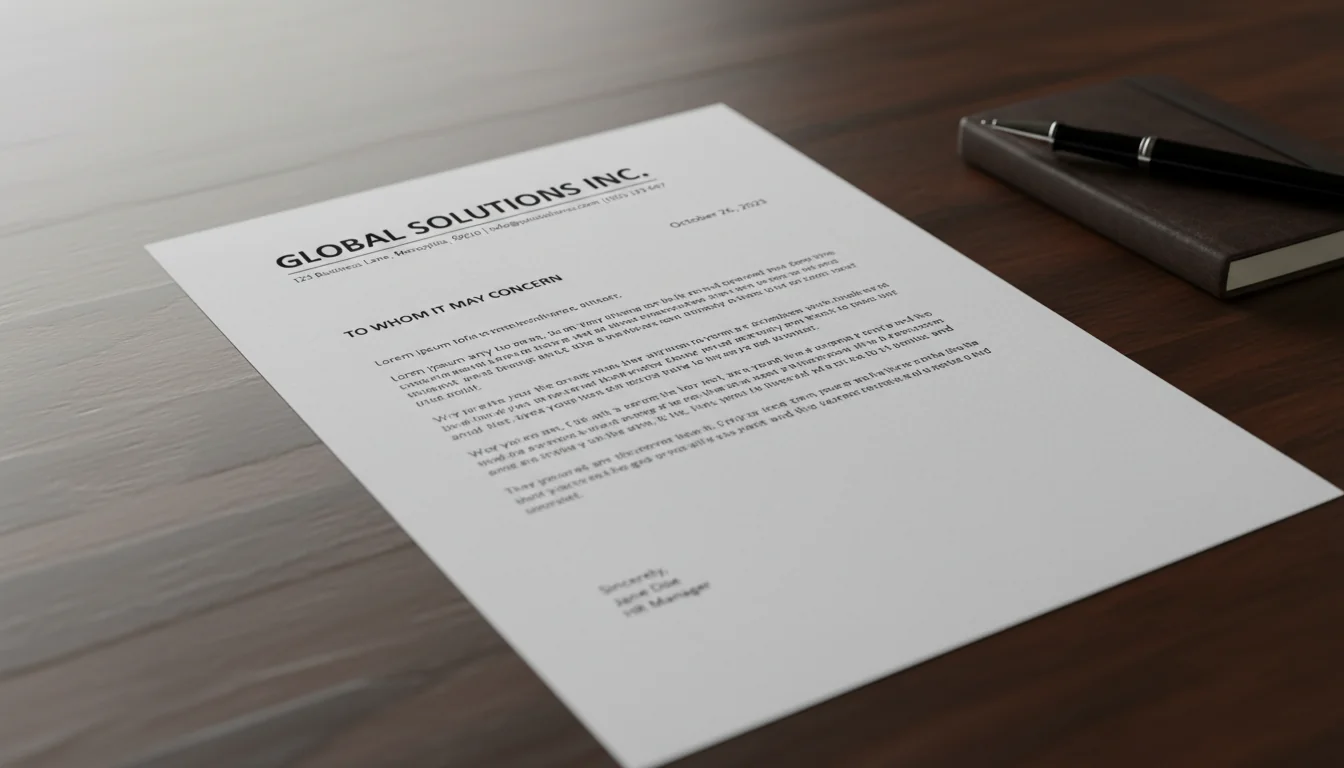
When writing a reference letter for employment in New Zealand, maintain a professional and positive tone that highlights the candidate's strengths and achievements. Keep the letter concise, ideally one page or 3-4 paragraphs, to respect the reader's time while providing essential details.
Format the letter with a clear structure: include your contact information, the date, and the recipient's details at the top, followed by a formal salutation. Use standard business formatting with single-spaced paragraphs and ample white space for readability.
For more detailed guidance on crafting an effective reference letter, visit our comprehensive guide at how to write a reference letter for employment in New Zealand. To create bespoke, AI-generated corporate documents tailored to New Zealand standards, consider using Docaro for personalized results.
Additional resources from authoritative New Zealand sources include the Employment New Zealand website, which offers insights on workplace references at Employment New Zealand references page.