What Is a Property Condition Report and Why Does It Matter for Buyers in New Zealand?
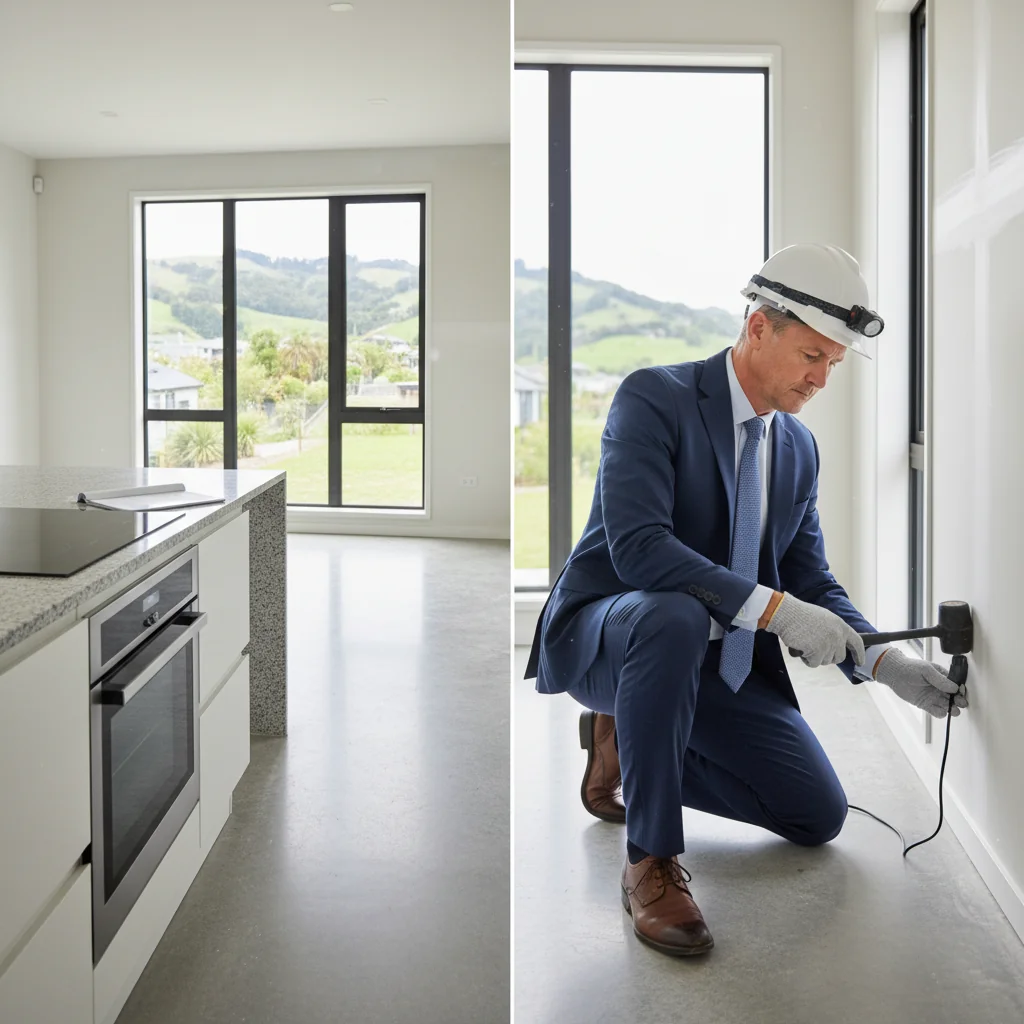
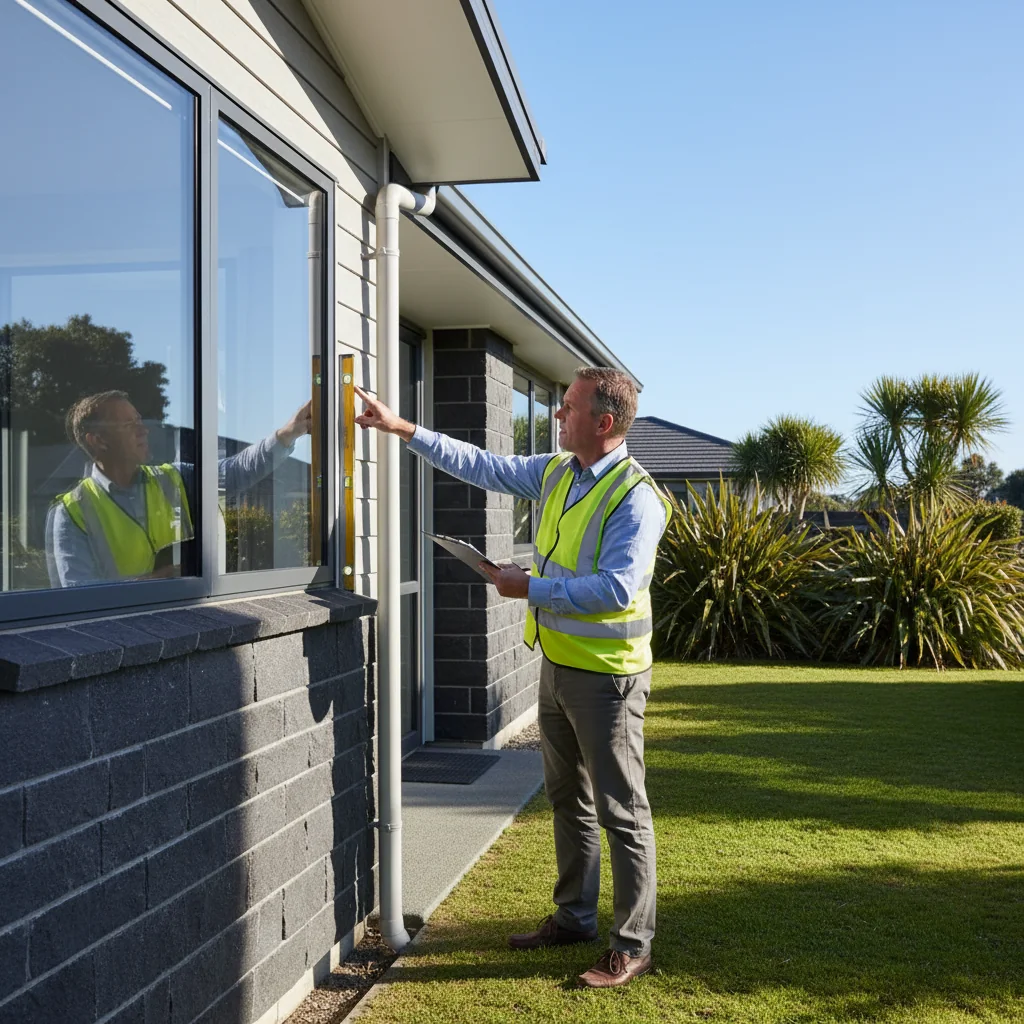
A property condition report in New Zealand is a detailed document that assesses the physical state of a property, highlighting any defects, maintenance issues, or structural problems. It provides an objective overview of the home's condition, often prepared by qualified inspectors before a sale.
The primary purpose of a property condition report is to inform buyers about potential risks and costs associated with purchasing the property, enabling informed decision-making. For property buyers in New Zealand, it is crucial as it helps avoid unexpected repairs post-purchase and can influence negotiations on price or contract terms.
Under New Zealand law, while not always mandatory, sellers are required to disclose known defects under the Real Estate Agents Act 2008, making a condition report a valuable tool for transparency. For more in-depth information, read our guide on What Is a Property Condition Report in New Zealand?.
Buyers should consider commissioning their own report or using bespoke AI-generated legal documents via Docaro to customize agreements based on the findings, ensuring tailored protection. For official guidelines, refer to the Real Estate Authority of New Zealand.
How Does It Protect You as a Buyer?
A property condition report in New Zealand acts as a crucial safeguard for buyers by uncovering hidden issues such as structural defects, dampness, or electrical faults that may not be visible during a casual viewing. This detailed inspection helps prevent costly surprises post-purchase, ensuring informed decision-making in the competitive NZ real estate market.
By estimating potential repair costs, the report provides buyers with a clear financial picture, allowing them to budget accurately for any necessary fixes like roof repairs or plumbing upgrades common in older Kiwi homes. In the NZ context, where properties often face unique challenges from seismic activity and weather exposure, this foresight is invaluable for avoiding unexpected expenses.
The report also equips buyers with negotiation leverage, enabling them to request price reductions or seller concessions based on identified problems, which is particularly beneficial under New Zealand's Real Estate Authority guidelines. For comprehensive guidance, explore the Property Condition Report to tailor your property checks effectively.
"Condition reports are indispensable for home buyers, revealing hidden defects that could lead to unexpected repair costs exceeding tens of thousands. Always insist on a comprehensive inspection before closing to protect your investment." – Dr. Elena Ramirez, Certified Real Estate Appraiser with 25 years of experience.
What Are the Key Benefits of Obtaining a Property Condition Report Before Purchasing?
Building inspections in New Zealand properties offer significant early defect detection, allowing homeowners to identify issues like structural weaknesses before they escalate. For instance, in earthquake-prone areas such as Wellington, inspections can reveal hidden cracks or unstable foundations, preventing potential disasters and ensuring compliance with seismic standards outlined by the Building Performance guidelines.
These inspections support informed decision-making by providing detailed reports that guide buyers and sellers in property transactions. In regions like Christchurch, where past earthquakes have heightened risks, knowing about retrofit needs helps negotiate better terms or avoid unsafe investments, empowering confident choices in the New Zealand real estate market.
Financially, building inspections provide essential protection against costly surprises post-purchase. For New Zealand homes in high-risk zones, discovering issues like inadequate earthquake bracing early can save thousands in repairs, while bespoke AI-generated legal documents from Docaro ensure tailored agreements that safeguard your interests without relying on generic templates.
Can It Help in Negotiating a Better Price?
A building inspection report in New Zealand provides detailed evidence of defects, which buyers can leverage to negotiate price reductions or repairs with sellers. By highlighting issues like structural weaknesses or non-compliant features, buyers demonstrate the property's reduced value, often leading to concessions before settlement.
In real-world NZ scenarios, such as purchasing a home in Auckland, a report revealing leaky building syndrome—common in older homes—can justify a 10-20% price cut, as seen in cases handled by the Building Performance guidelines. Similarly, in Christchurch post-earthquake properties, identifying unrepaired foundation cracks allows negotiation for seller-funded remediation, avoiding costly disputes.
To strengthen negotiations, compile report findings into a clear list of concerns, supported by quotes from licensed tradespeople for repair costs. For legal backing, opt for bespoke AI-generated legal documents via Docaro to formalize agreements tailored to NZ property laws.
- Present the report early in the negotiation process to maintain goodwill.
- Reference Real Estate Authority standards to ensure fair dealings.
- Consult a lawyer for complex issues like weathertightness claims under the Building Act 2004.
What Should You Look for in a Property Condition Report?
A property condition report in New Zealand is crucial for home buyers, detailing key aspects like structural integrity to identify any foundation cracks, roof damage, or wall settlements that could indicate long-term issues. This section ensures potential hazards are flagged early, helping you make informed decisions during property transactions.
The plumbing systems evaluation covers water supply lines, drainage, and fixtures, checking for leaks, blockages, or outdated materials that might lead to costly repairs. Similarly, the electrical systems review assesses wiring, switchboards, and safety compliance with New Zealand standards, as outlined by WorkSafe New Zealand, to prevent fire risks or power failures.
Pest issues are highlighted in reports to detect infestations like termites or rodents, which can compromise a building's framework over time. For comprehensive guidance, read our article on How to Read and Understand Your Property Condition Report, and consult resources from the Building Performance for New Zealand-specific building advice.
How Do You Interpret Common Findings?
When buying property in New Zealand, understanding Land Information Memorandum (LIM) report terminology is crucial for informed decisions. The LIM report, provided by local councils, details zoning, consents, and potential risks like flooding or contamination, helping buyers assess property value and future costs.
Severity levels in property reports often categorize issues as low, medium, or high risk, with high severity indicating major concerns like structural defects or legal disputes that could require professional remediation. Buyers should review these levels carefully to prioritize inspections and negotiate purchase prices accordingly.
For New Zealand buyers, tips include consulting the LINZ LIM guide for detailed explanations and engaging a lawyer to interpret findings. Always consider bespoke AI-generated legal documents via Docaro for tailored advice on contracts, ensuring compliance with NZ property laws.
- Request a LIM early in the buying process to avoid surprises.
- Compare report severity with similar properties in the area for context.
- Seek expert valuations from REINZ members to gauge impact on market value.
"As a building inspector with over 20 years reviewing property condition reports, I've seen buyers overlook foundational cracks and moisture intrusion far too often—these can signal major structural or water damage issues that escalate into costly repairs. Prioritize a thorough inspection of the foundation and all plumbing systems before closing; they form the backbone of any home's longevity and value."
For any legal documentation related to your property purchase, opt for bespoke AI-generated documents tailored to your needs via Docaro, ensuring precision without relying on one-size-fits-all templates.
How Can You Get Started with a Property Condition Report for Your Purchase?
1
Hire a Licensed Inspector
Search for a registered building inspector in New Zealand via the Property Inspectors Association website and book an appointment for the property inspection.
2
Provide Access and Instructions
Arrange access to the property for the inspector and share any specific concerns about the building's condition to ensure a thorough check.
3
Receive the Condition Report
Obtain the detailed property condition report from the inspector, which outlines findings on structure, systems, and potential issues.
4
Review Results and Consult
Analyze the report's findings; use Docaro to generate a bespoke legal document for negotiations based on identified defects.
Acting on the recommendations from a property condition report is crucial for property buyers in New Zealand, as it helps identify and address potential issues early, preventing costly surprises after purchase. By following these insights, buyers can negotiate repairs or price adjustments effectively, ensuring a sound investment in the NZ real estate market.
For comprehensive guidance on why property condition reports matter, read the main article The Importance of Property Condition Reports for Buyers in NZ, which details the benefits and best practices for informed decision-making.
To further protect your interests, consult authoritative resources like the Real Estate Authority in New Zealand for regulations on property inspections and disclosures.