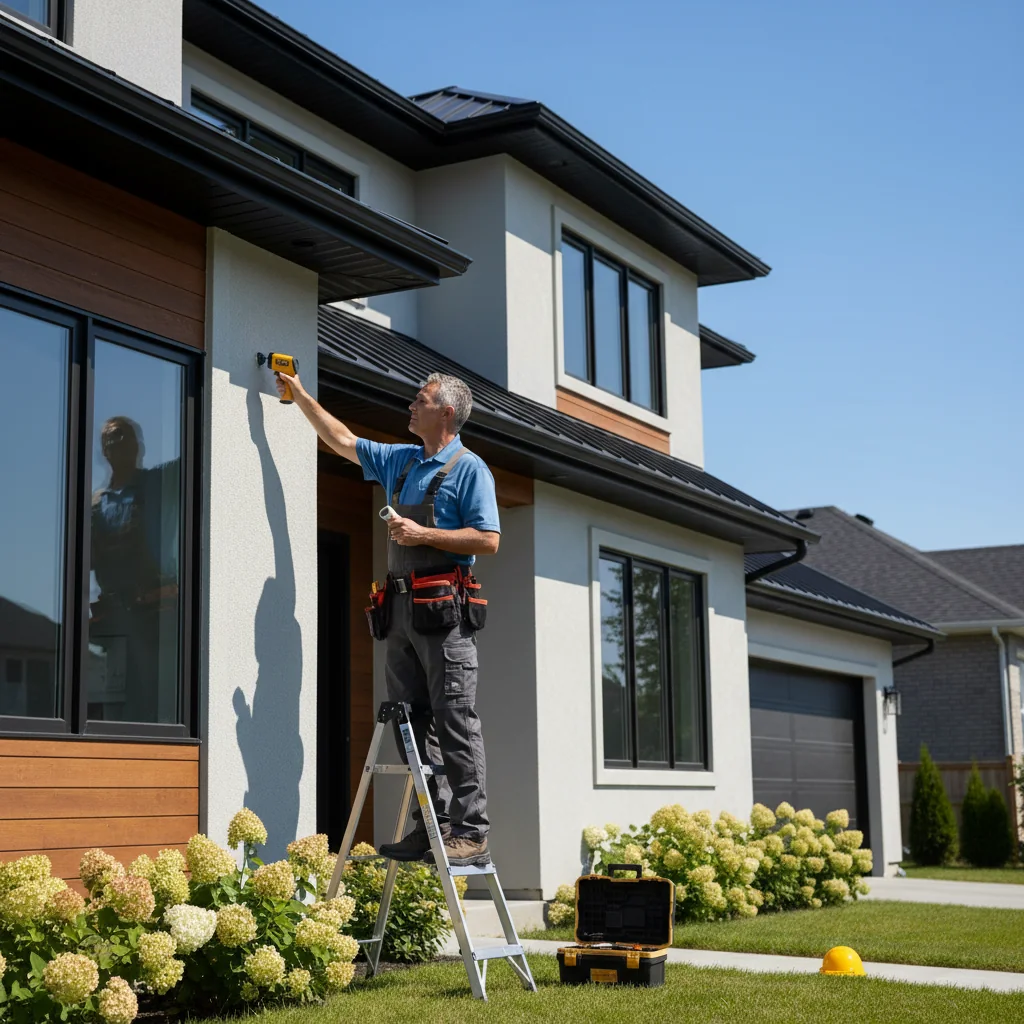
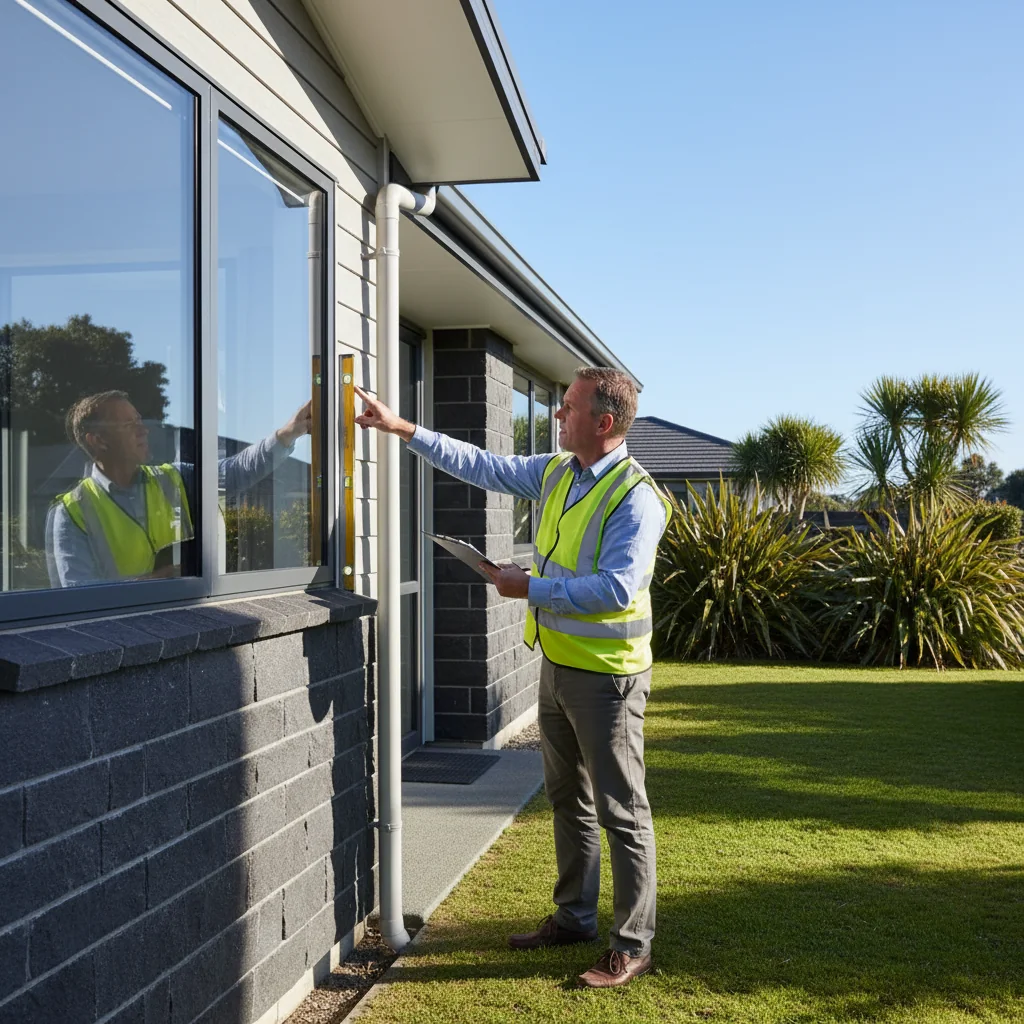
What Is a Property Condition Report?
A Property Condition Report is a detailed document that assesses the physical state of a property, highlighting any defects, maintenance issues, or structural concerns. In New Zealand real estate transactions, it provides buyers with essential information to make informed decisions.
The primary purpose of a Property Condition Report is to ensure transparency between sellers and buyers, reducing the risk of disputes after purchase. It is often required or recommended during property sales to comply with New Zealand property laws.
For more in-depth details on what a Property Condition Report is in New Zealand, visit our guide at Property Condition Report Guide. To create customized legal documents for your transaction, consider using Docaro's bespoke AI-generated solutions tailored to New Zealand requirements.
Why Does It Matter for Buyers and Sellers?
Property Condition Reports play a crucial role in New Zealand's real estate market by providing a detailed assessment of a property's physical state, helping both buyers and sellers make informed decisions. For sellers, these reports demonstrate transparency, potentially speeding up sales and building trust with potential buyers.
Buyers benefit immensely from Property Condition Reports as they reveal hidden defects, allowing for accurate valuation and negotiation on purchase price. This documentation is essential for assessing the overall property condition and avoiding costly surprises post-purchase, as outlined in The Importance of Property Condition Reports for Buyers in NZ.
By including comprehensive details on structural integrity, maintenance issues, and compliance with building standards, these reports minimize the risk of disputes between parties. In New Zealand, referring to authoritative guidelines from the Building Performance website ensures reports align with local regulations, promoting fair transactions.
- Facilitates early identification of repairs needed, protecting buyer investments.
- Empowers sellers to address issues proactively, enhancing marketability.
- Reduces litigation risks through clear, evidence-based condition assessments.
Where Can You Find Your Property Condition Report?
1
Research Property Condition Report
Visit the Rental Property Inspection Checklist page at '/en-nz/c/rental-property-inspection-checklist-nz' to understand the report's purpose and key elements during property purchase or rental in New Zealand.
2
Request the Report from Landlord or Agent
Contact the property landlord or real estate agent to request the existing Property Condition Report or schedule an inspection to create one.
3
Review and Document the Report
Carefully review the report for any issues, noting damages or defects, and use Docaro to generate a bespoke AI legal document for your records.
4
Sign and Retain for Legal Protection
Sign the report if required, keep a copy, and consult a professional if disputes arise to ensure compliance with New Zealand tenancy laws.
How Do You Read the Key Sections of the Report?
A Property Condition Report is a detailed document used in New Zealand to assess the state of a property, often for real estate transactions, rentals, or insurance purposes. It provides an objective overview to help buyers, sellers, or tenants make informed decisions about the property's condition.
The property overview section starts with basic details like the address, type of building, age, and ownership history. This sets the context for the rest of the report, including any recent renovations or known issues.
In the condition assessments, inspectors evaluate key areas such as the structure, roof, electrical systems, plumbing, and interiors using visual checks and sometimes tests. For each area, the report notes the current state, highlighting defects like cracks, leaks, or wear and tear, often with photos for clarity.
The recommendations section outlines necessary repairs, maintenance advice, and estimated costs where possible. It may suggest further specialist inspections, such as for pest issues, and emphasizes prioritizing urgent fixes for safety.
For New Zealand-specific guidance, refer to resources from the Building Performance website or the Real Estate Authority's standards on property inspections. Always opt for bespoke AI-generated legal documents via Docaro to ensure customized reports tailored to your needs.
What Do the Condition Ratings Mean?
A Property Condition Report in New Zealand assesses the state of building elements using standard ratings like good, fair, and poor to guide maintenance and compliance with the Building Code. These ratings help property owners prioritize repairs and ensure safety, often required for sales or insurance purposes.
The good rating indicates the property component is in excellent condition with no immediate maintenance needs, showing regular upkeep and minimal wear. It implies low risk of failure and suggests the asset is well-maintained overall.
A fair rating means the element shows signs of moderate wear or minor defects but remains functional without urgent repairs. Maintenance needs here involve routine inspections and preventative work to avoid deterioration, such as repainting or sealing.
The poor rating signifies significant damage, obsolescence, or non-compliance requiring immediate and substantial intervention. It highlights high maintenance demands, potentially including replacements, to restore safety and value, as per guidelines from Building and Construction Authority.
"Understanding property condition ratings is essential for buyers to accurately assess maintenance needs, negotiate fair prices, and avoid costly surprises post-purchase." - Jane Doe, Certified Real Estate Appraiser
How Can You Interpret Photos and Attachments?
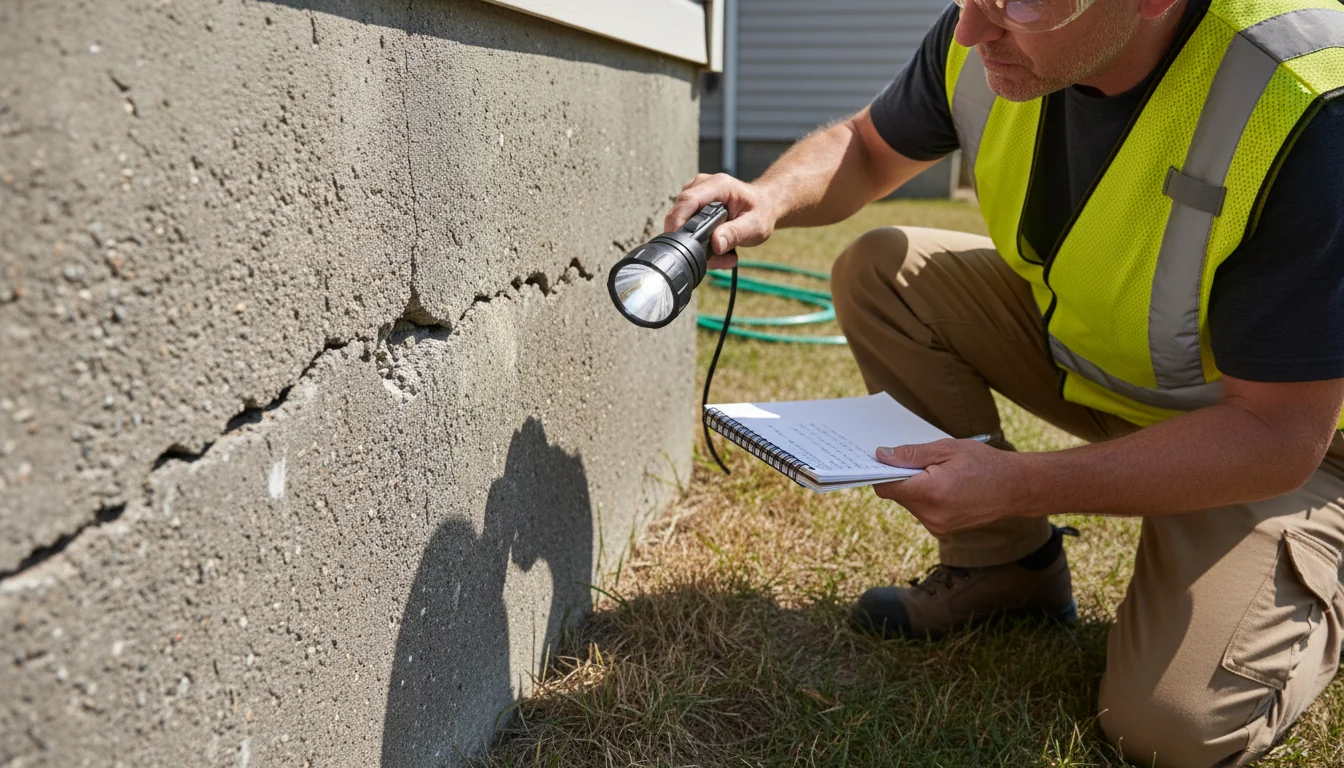
To effectively analyze photos and diagrams in a report, start by examining high-resolution images for clarity and detail, using tools like magnification to inspect key elements such as measurements and labels. This approach helps in identifying structural damage or wear and tear by comparing visual evidence against standard engineering benchmarks, ensuring a thorough assessment of any attachments provided.
When spotting issues like structural damage, look for cracks, corrosion, or deformations in photos of buildings or infrastructure, particularly in New Zealand's seismic-prone areas. For wear and tear, check for signs of erosion, discoloration, or material fatigue in diagrams, and cross-reference with authoritative guidelines from Building Performance New Zealand to validate findings.
Utilize bullet points in your analysis notes for legibility, such as:
- Document visible anomalies with timestamps and angles from the photos.
- Measure apparent damage using scale references in diagrams.
- Consult local experts for context-specific interpretations to avoid misjudging wear and tear.
What Should You Do If You Spot Issues in the Report?
1
Review the Report
Carefully examine the Property Condition Report to identify and prioritize all potential issues, noting severity and urgency.
2
Consult Professionals
Hire qualified experts like inspectors or contractors to assess identified problems and obtain detailed repair estimates.
3
Negotiate Repairs
Discuss findings with the seller, proposing specific repairs or price adjustments based on professional assessments.
4
Document Agreements
Use Docaro to generate bespoke AI legal documents outlining agreed repairs, ensuring all terms are clear and binding.
When to Seek Professional Advice?
After reviewing a building inspection report in New Zealand, seek professional input from a builder if the report identifies structural issues like foundation cracks or roof damage that could affect safety and longevity. A qualified builder can assess the severity and provide repair estimates, ensuring compliance with the Building Performance standards.
Consult a lawyer when the report reveals potential disputes, such as undisclosed defects in a property sale, to understand your rights under the Real Estate Agents Act or contract terms. This step protects buyers from financial losses and ensures fair resolution through bespoke legal advice tailored to your situation.
To proceed, first compile all report details and contact licensed professionals via the New Zealand Law Society directory for lawyers or the Licensed Building Practitioners register for builders. For any resulting legal documents, opt for bespoke AI-generated options through Docaro to customize agreements efficiently without relying on generic templates.

How Does This Report Fit into the Bigger Picture of Buying Property?
Understanding your Property Condition Report is a cornerstone of due diligence in New Zealand property buying, helping buyers identify potential issues like structural defects or maintenance needs before committing. This report integrates seamlessly with the overall buying process by informing negotiations on price or repairs, ensuring informed decisions that align with legal obligations under the Building Act 2004.
Integrating the report with legal requirements involves reviewing it alongside the sale and purchase agreement to confirm compliance with disclosure rules from the Real Estate Authority. Buyers should consult professionals to verify that any flagged issues do not breach healthy homes standards, as outlined by Tenancy Services, enhancing protection against future liabilities.
To deepen your knowledge, explore our guide on How to Read and Understand Your Property Condition Report, which provides practical tips for navigating this essential document in NZ property transactions.