What Is a Property Condition Report in New Zealand?
In the New Zealand real estate market, a Property Condition Report (PCR) is a comprehensive document that assesses the overall state of a property, helping both landlords and tenants understand its condition at the start of a tenancy. This report plays a crucial role in protecting parties from disputes by providing a clear snapshot of the property's features, fixtures, and any existing issues.
The primary purpose of a PCR is to record the property's condition to establish a baseline for maintenance responsibilities during the rental period, making it especially important for rental properties in New Zealand. It is typically conducted at the beginning of a tenancy, with both the landlord and tenant present to agree on the details, and often updated at the end to compare changes.
Unlike a building report, which is a more in-depth inspection focusing on structural integrity, potential hazards, and compliance with the Building Code, a PCR is simpler and geared toward tenancy matters without requiring qualified inspectors. For first-time property owners or buyers, a PCR can be useful as a preliminary check, though buyers should complement it with a full building inspection for thorough due diligence; learn more from the Tenancy Services website.
Key components of a PCR include descriptions of the property's condition, such as walls, floors, appliances, and outdoor areas, along with notations of any defects like cracks or leaks. It also verifies basic compliance with building standards, such as smoke alarms and insulation, ensuring the property meets healthy homes requirements under New Zealand law.
Why Is a Property Condition Report Important for Renters and Landlords?
In New Zealand, the Property Condition Report (PCR) is a crucial document under the Residential Tenancies Act 1986, serving as a detailed snapshot of a rental property's condition at the start of a tenancy. It ensures both renters and landlords have a clear, agreed-upon record, preventing disputes over damage and promoting fair tenancy practices.
For renters, the PCR protects against unfair charges for pre-existing damage by documenting the property's initial state, allowing tenants to note any existing issues during the inspection. Landlords benefit by using it to establish a baseline, making it easier to claim for actual tenant-caused damage at the end of the lease while complying with legal requirements.
The PCR facilitates dispute resolution through the Tenancy Tribunal, where it serves as key evidence in cases of disagreement over bond deductions or repairs. For more guidance on inspections, refer to the rental property inspection checklist.
A comprehensive Property Condition Report (PCR) at the start and end of a tenancy is essential for protecting landlords and tenants from disputes over property damage or maintenance responsibilities. For tailored legal support, including bespoke AI-generated tenancy agreements, visit Docaro.
What Does a Property Condition Report Typically Include?
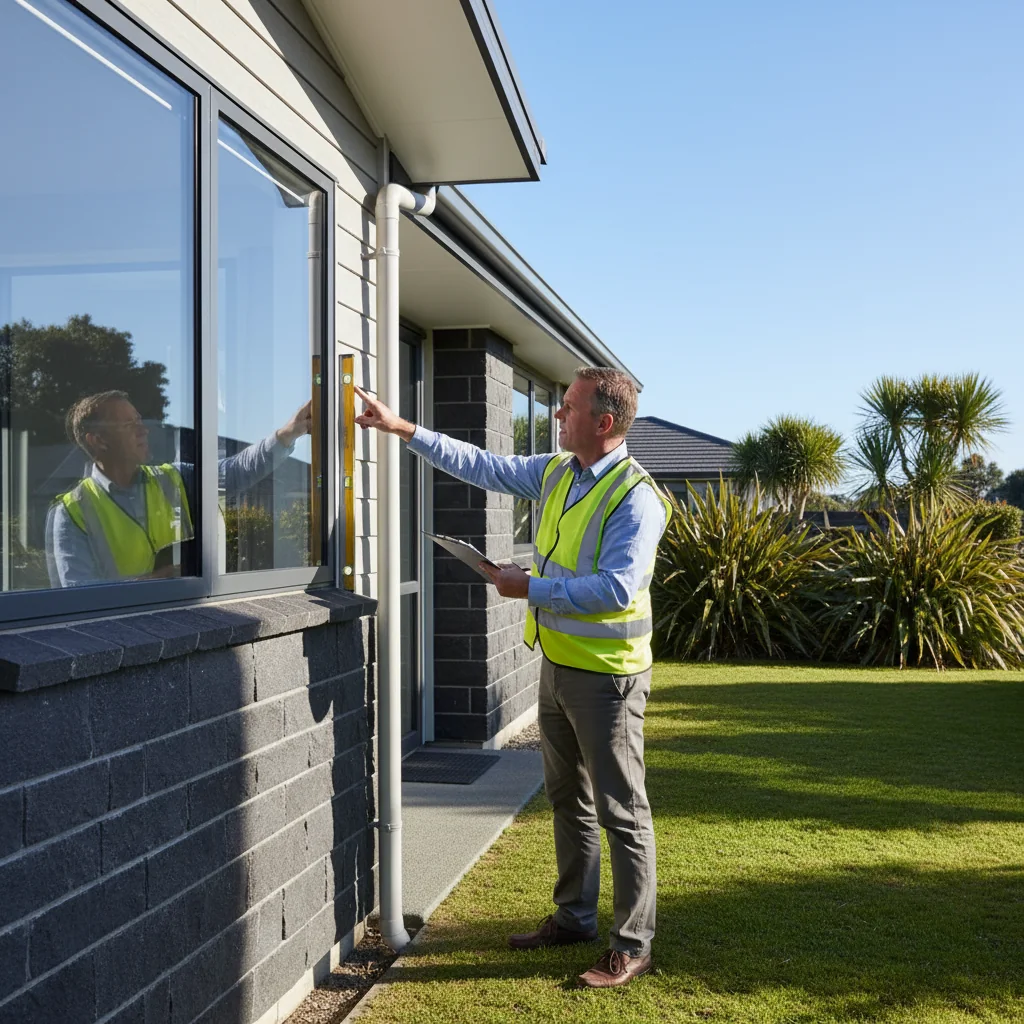
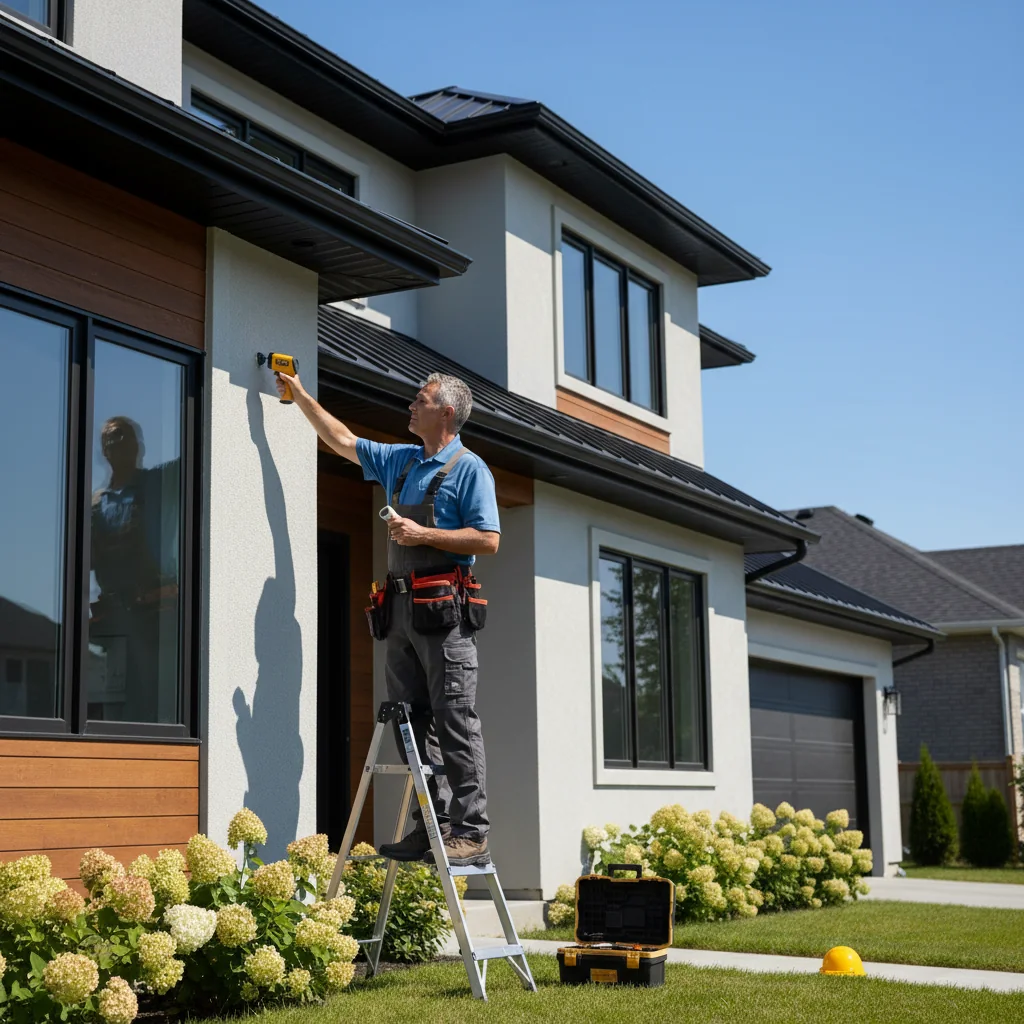
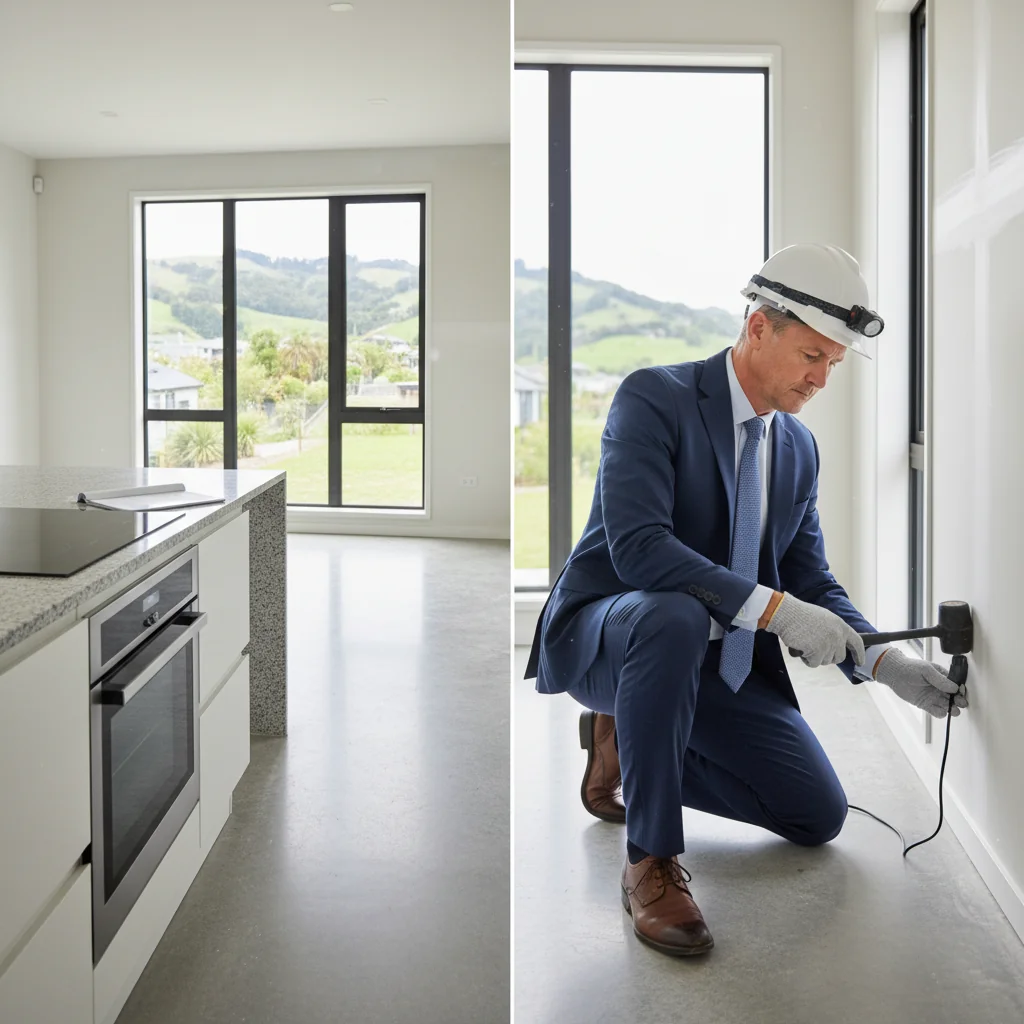
A Property Condition Report (PCR) in New Zealand provides a comprehensive assessment of a property's state, typically covering interior and exterior conditions to help buyers make informed decisions. Interior sections often detail walls, ceilings, flooring, and windows for signs of wear or damage, while exterior evaluations include roofing, cladding, gutters, and foundations to identify weather-related issues or structural integrity.
Fixtures and appliances are scrutinized for functionality, such as plumbing, electrical systems, heating, and built-in units like ovens or air conditioners, ensuring they meet safety standards. Structural elements like framing, beams, and load-bearing walls are examined for stability, with reports noting any cracks, subsidence, or pest damage that could affect the property's longevity.
Health and safety issues form a critical part of the PCR, highlighting risks like asbestos, mould, faulty wiring, or non-compliant installations that could pose hazards. For authoritative guidance, refer to the Building Performance website from the New Zealand Ministry of Business, Innovation and Employment, which outlines building standards relevant to these reports.
Photos and detailed notes are commonly included to visually document findings, with timestamps and descriptions providing context for each observation. To interpret these elements effectively, see our guide on How to Read and Understand Your Property Condition Report for practical tips.
Who Conducts the Report?
In New Zealand, conducting a Property Condition Report (PCR) for rental properties does not require a licensed professional, allowing landlords or property managers to perform it themselves. This approach ensures the process remains thorough and impartial, as outlined in the Residential Tenancies Act, helping to document the property's condition at the start and end of a tenancy.
For added objectivity, especially in disputed cases, hiring a qualified inspector or third-party service is a recommended option. These professionals provide an unbiased assessment, reducing potential conflicts between tenants and landlords.
Services like those offered by the Tenancy Services in New Zealand can guide you on best practices for PCRs, while bespoke AI-generated legal documents from Docaro ensure customized, compliant reports tailored to your specific tenancy needs.
When Should You Get a Property Condition Report?
A Property Condition Report (PCR) is essential at the start and end of a tenancy in New Zealand to document the property's condition and protect both landlords and tenants from disputes. Under the Residential Tenancies Act 1986, landlords must provide a PCR to tenants before they move in, and both parties should complete it together; at the end of the tenancy, a final inspection using the PCR helps assess any damage beyond fair wear and tear, as outlined by Tenancy Services.
During property sales, obtaining a PCR is crucial for buyers in New Zealand to identify hidden issues like structural defects or maintenance needs before purchase. For more on why this matters, read The Importance of Property Condition Reports for Buyers in NZ, which highlights how a PCR can prevent costly surprises post-sale.
For ongoing maintenance, landlords should update the PCR periodically or after major repairs to track the property's condition over time and comply with tenancy laws requiring habitable living standards. Buyers benefit most from insisting on a recent PCR, ensuring transparency and reducing risks in the competitive NZ real estate market.
1
Schedule the Inspection
Contact the landlord or tenant to arrange a joint property inspection at the start of the tenancy, ensuring both parties can attend.
2
Document the Condition
During the inspection, note the property's condition, including any existing damage or issues, using photos and detailed descriptions.
3
Generate the Report with Docaro
Use Docaro to create a bespoke Property Condition Report based on your notes, tailored to New Zealand tenancy laws.
4
Sign and Store the Report
Both parties review, sign the report digitally or in person, then store copies securely for future reference.