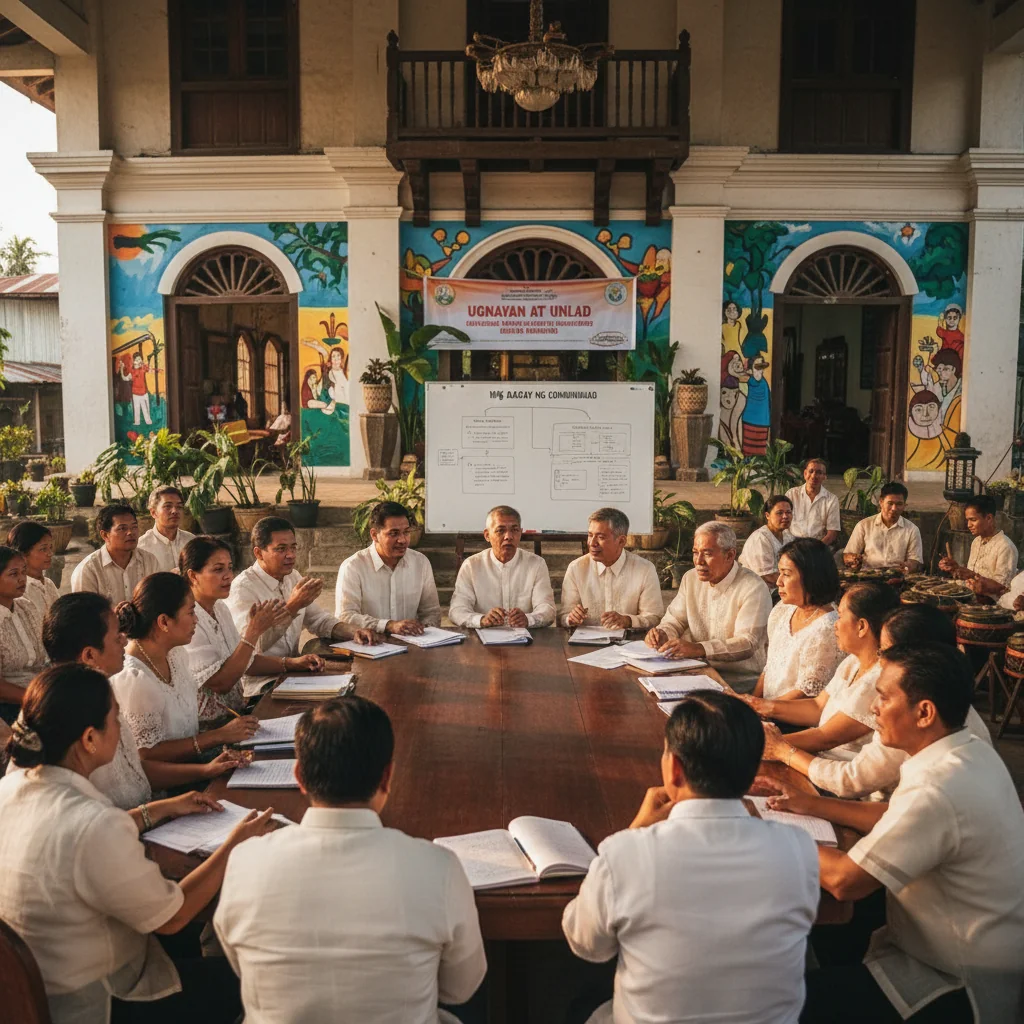
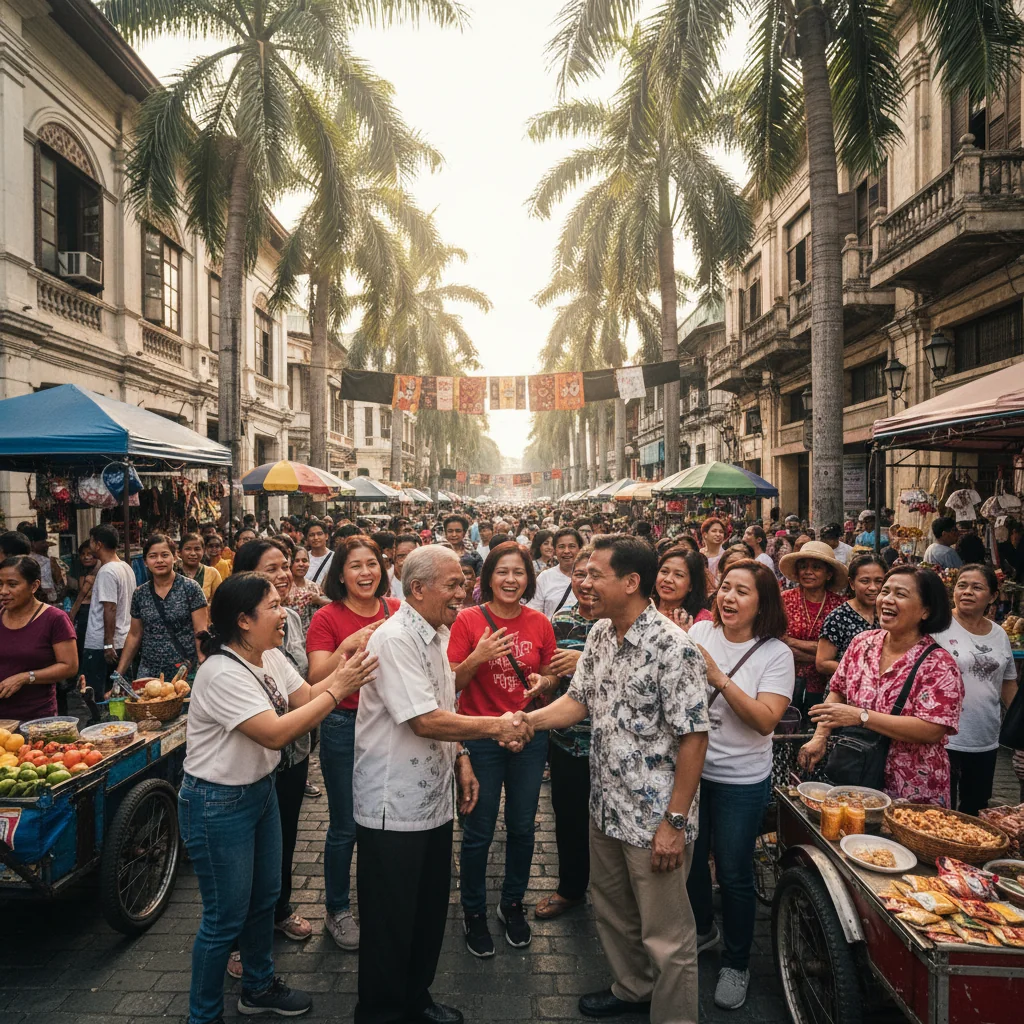
What Are Community Guidelines in the Philippines?
Community guidelines in the Philippines serve as essential frameworks for online platforms, fostering respectful interactions while aligning with national laws. These guidelines draw from the Philippine Constitution and laws like Republic Act No. 10175, the Cybercrime Prevention Act, which address digital misconduct and protect users from harm.
Socially, they promote values rooted in Filipino culture, such as pakikipagkapwa-tao (shared humanity) and bayanihan (community spirit), encouraging positive engagement and discouraging hate speech or misinformation. Platforms enforce these to build safe digital spaces compliant with local regulations.
For detailed rules, refer to our Community Guidelines page. Learn more from authoritative sources like the Official Gazette on the Cybercrime Prevention Act.
"Community guidelines serve as the bedrock of social harmony in the Philippines, promoting mutual respect and collective responsibility to prevent conflicts and build resilient societies." – Atty. Maria Santos, Philippine legal expert on community law.
For your corporate needs, opt for bespoke AI-generated documents tailored precisely to your requirements using Docaro.
How Do They Differ from General Laws?
Community guidelines are internal rules established by platforms, organizations, or online communities to govern user behavior and content, often focusing on maintaining a positive environment rather than legal enforcement. In contrast, formal Philippine laws are binding statutes enacted by the government, such as those under the Revised Penal Code or Republic Act No. 10175 (Cybercrime Prevention Act), which carry penalties like fines or imprisonment for violations.
Key differences include enforcement mechanisms: community guidelines typically result in moderation actions like content removal or account bans, while Philippine laws involve judicial processes through bodies like the Official Gazette or the Department of Justice. For example, a social media platform's guideline might prohibit hate speech to foster inclusivity, but posting such content could violate Article 353 of the Revised Penal Code on libel, leading to criminal charges.
Another distinction lies in scope and applicability; community guidelines apply only within the specific platform or group, whereas Philippine laws, including the Data Privacy Act of 2012, have nationwide jurisdiction. Platforms like Facebook often align their guidelines with local laws to avoid liability, but users must consult authoritative sources for compliance.
- Flexibility: Guidelines can evolve quickly based on community feedback, unlike rigid laws requiring legislative approval.
- Purpose: Guidelines prioritize user experience, while laws protect public welfare and national security.
What Are the Key Principles of These Guidelines?
In the Philippines, community guidelines emphasize respect as a core principle, deeply rooted in the cultural value of kapwa, which fosters mutual regard and empathy among individuals in diverse communities. This principle ensures that interactions promote harmony and dignity, reflecting the Filipino tradition of pakikisama or smooth interpersonal relations.
Inclusivity is another vital aspect of Philippine community guidelines, encouraging participation from all backgrounds to build united societies, influenced by the country's multicultural heritage including indigenous, Spanish, and American elements. Guidelines often draw from the 1987 Philippine Constitution's emphasis on equality, promoting environments where every voice is valued regardless of ethnicity, gender, or socioeconomic status.
Accountability holds community members responsible for their actions, aligning with Filipino concepts like utang na loob (debt of gratitude) that underscore ethical behavior and transparency. For further reading on these principles, explore the Understanding Community Guidelines in the Philippines: Key Principles and Applications article, and refer to the official 1987 Philippine Constitution from the Official Gazette for authoritative context.
- Respect: Upholds dignity through cultural empathy.
- Inclusivity: Ensures equal participation in diverse settings.
- Accountability: Promotes responsible and transparent conduct.
Why Is Respect a Core Principle?
In the Philippines, respect forms the cornerstone of community guidelines due to deep-rooted cultural values like kapwa (shared identity) and hiya (sense of propriety), which emphasize harmony and avoiding shame in social interactions. These principles guide both daily life and online behavior, fostering inclusive environments as outlined in national policies on digital citizenship.
In daily interactions, Filipinos demonstrate respect through practices such as using honorifics like "po" and "opo" when speaking to elders, reflecting deference in family and neighborhood settings. For instance, during fiestas or community gatherings, individuals prioritize collective well-being over personal gain, ensuring no one feels marginalized.
Online, respect is central to community guidelines on platforms popular in the Philippines, where cyberbullying and hate speech are discouraged to maintain digital harmony. The Philippine Cybercrime Prevention Act enforces these standards, promoting respectful discourse on social media to protect vulnerable users.
Examples include moderating comments in Facebook groups for local barangays, where users avoid inflammatory language to preserve community bonds. This online etiquette mirrors offline norms, reinforcing respect as essential for a cohesive Filipino society.
How Does Inclusivity Promote Community Well-Being?
In Philippine community guidelines, inclusivity plays a pivotal role in fostering environments where diverse groups such as indigenous peoples, LGBTQ+ individuals, and persons with disabilities feel valued and supported. This approach aligns with national policies like the Magna Carta for Persons with Disability, promoting equal participation in community activities.
The benefits for diverse groups include enhanced social cohesion and reduced discrimination, allowing marginalized communities in the Philippines to contribute unique perspectives to local decision-making processes. By prioritizing inclusive practices, communities can build resilience against social divides, leading to more harmonious and productive interactions.
- Empowerment of underrepresented voices through accessible forums and events.
- Improved mental health outcomes for diverse participants via affirming guidelines.
- Stronger community ties that reflect the multicultural fabric of the Philippines.
How Are These Principles Applied in Daily Life?
In Philippine neighborhoods, key principles of community guidelines promote harmony by encouraging residents to report suspicious activities to local barangay officials, fostering safer environments as seen in urban areas like Quezon City. For instance, organizing clean-up drives aligns with environmental stewardship, reducing waste and enhancing community bonds.
Within Philippine schools, adhering to guidelines means integrating anti-bullying policies into daily activities, such as peer mediation sessions that teach empathy and respect among students. This approach, supported by the Department of Education's child protection programs, creates inclusive learning spaces across public and private institutions.
In Philippine workplaces, businesses apply these principles by implementing fair labor practices, like providing safe working conditions under the Occupational Safety and Health Standards from the Department of Labor and Employment (DOLE website). Employees benefit from clear harassment reporting mechanisms, promoting productivity and morale in diverse settings from Manila offices to provincial factories.
To learn more about compliance, refer to How to Comply with Philippine Community Guidelines for Businesses and Individuals. For bespoke corporate documents, consider AI-generated options using Docaro to tailor solutions to specific needs.
What Role Do They Play in Online Communities?
Community guidelines on digital platforms in the Philippines, particularly social media like Facebook and TikTok, aim to foster safe online spaces by prohibiting hate speech, misinformation, and cyberbullying. These rules are crucial in a country with over 80 million internet users, where platforms enforce them to comply with local laws such as the Cybercrime Prevention Act of 2012.
A real-world example is Facebook's handling of election-related content during the 2022 Philippine elections, where the platform removed thousands of posts spreading false information about candidates to prevent voter manipulation. Similarly, TikTok banned accounts promoting violence against indigenous communities, aligning with guidelines against harmful content.
On Instagram, community guidelines have been applied to curb body shaming in influencer posts, with the platform deleting content that violates standards on mental health and self-esteem. These enforcement actions highlight how social media policies in the Philippines protect users while adapting to cultural contexts like family-oriented online interactions.
- Platforms like YouTube demonetize videos inciting religious intolerance, as seen in cases involving local faith-based disputes.
- Twitter (now X) suspends accounts for doxxing public figures, ensuring privacy under Philippine data protection laws.
"In our digital communities, clear guidelines aren't just rules—they're the foundation for harmony. I urge every leader to implement them proactively online to prevent conflicts before they arise." – Elena Rivera, Community Advocate
How Can Businesses Implement Them Effectively?
Businesses in the Philippines aiming to apply compliance strategies for data privacy principles should begin by conducting a thorough internal audit to identify all personal data processing activities. This step ensures alignment with the Data Privacy Act of 2012, allowing companies to map out risks and establish baseline protections without relying on generic tools.
To implement robust risk management, organizations must develop customized policies tailored to their operations, such as employee training programs on data handling and secure storage protocols. Integrating these into daily workflows helps mitigate breaches and fosters a culture of accountability, as recommended by the National Privacy Commission.
For ongoing regulatory adherence, businesses should regularly review and update their compliance frameworks using bespoke AI-generated corporate documents via Docaro, ensuring they remain current with Philippine laws. Periodic consultations with local experts can further refine these strategies, promoting long-term sustainability and trust.
What Are Common Challenges in Application?
In the Philippines, adhering to community guidelines on social media and online platforms often presents challenges due to cultural misunderstandings, where local humor or traditions may unintentionally violate global standards on hate speech or misinformation.
Another frequent issue is the rapid spread of unverified news during elections or disasters, leading to violations of rules against fake content, as seen in reports from the Philippine Communications Office.
To navigate these, users should familiarize themselves with platform policies tailored to Philippine contexts. For detailed guidance, read Common Violations of Community Guidelines in the Philippines and How to Avoid Them.
- Double-check facts before sharing to prevent misinformation penalties.
- Respect diverse cultural views to avoid hate speech flags.
- Report suspicious content promptly to maintain community standards.
How to Overcome Enforcement Issues?
1
Assess Current Challenges
Identify specific enforcement issues in your guidelines by gathering input from team members and reviewing past incidents.
2
Develop Bespoke Policies
Use Docaro to generate customized AI-driven corporate documents tailored to your unique enforcement needs and organizational context.
3
Implement Training Programs
Train individuals or community members on the new policies, emphasizing practical application and consistent guideline adherence.
4
Monitor and Refine
Regularly evaluate enforcement effectiveness through feedback and metrics, then update documents via Docaro for ongoing improvements.
To overcome challenges in corporate document creation in the Philippines, start by leveraging AI tools like Docaro to generate bespoke documents tailored to local regulations, such as those from the Securities and Exchange Commission.
Address compliance hurdles by integrating real-time updates from authoritative Philippine sources, ensuring documents align with the latest Corporation Code amendments without relying on outdated templates.
For efficiency, use Docaro's customization features to incorporate specific business details, reducing errors and streamlining workflows in a regulated environment like the Philippine business landscape.
- Verify outputs against Bureau of Internal Revenue guidelines for tax-related clauses.
- Consult legal experts for final reviews to enhance accuracy.