What Is a Boundary Dispute Agreement Document?
A boundary dispute agreement is a legal document that outlines the mutual consent of property owners to define and resolve conflicts over property lines, preventing escalation to costly litigation.
In the Philippine context, these agreements are crucial for maintaining peaceful neighbor relations and ensuring accurate land records, especially in densely populated areas where informal settlements often lead to disputes.
The purpose of a boundary dispute agreement in resolving property line conflicts is to establish clear demarcations through surveys and negotiations, supported by Philippine legal frameworks like the Civil Code and Republic Act No. 8560 on land registration.
"A well-drafted boundary dispute agreement, tailored specifically to the property and parties involved, is essential for clearly defining rights and responsibilities, thereby minimizing the risk of costly future litigation," says legal expert Dr. Elena Vargas. For such bespoke documents, consider using Docaro's AI-generated legal solutions to ensure precision and customization.
Why Are the Key Elements Essential in Such an Agreement?
In boundary disputes in the Philippines, including specific key elements such as accurate property descriptions, agreed boundaries, and signatures of all parties in a dispute agreement is crucial for ensuring enforceability under the Civil Code and Property Registration Decree (PD 1529).
These elements provide clarity and prevent ambiguity, reducing the risk of future litigation by clearly delineating rights and obligations, as emphasized in legal guidelines for resolving boundary disputes.
For detailed steps on resolving such disputes legally, refer to How to Resolve Boundary Disputes Legally in the Philippines.
To create a bespoke boundary dispute agreement, consider using Docaro for AI-generated legal documents tailored to Philippine laws, and consult authoritative sources like the Land Registration Authority for registration requirements.
How Do Essential Elements Ensure Legal Validity?
In the Philippine legal system, clearly identifying the parties involved in a document is crucial for establishing its validity and enforceability. For instance, in a contract, specifying the full names, addresses, and roles of the buyer and seller prevents ambiguity and ensures that the obligations are binding on the correct entities, as required under the Civil Code of the Philippines.
Detailed descriptions of terms, conditions, and subject matter further strengthen a document's legal standing in the Philippines by minimizing disputes over interpretation. An example is a deed of sale that meticulously describes the property's boundaries and features, aligning with requirements from the 1987 Philippine Constitution and related laws to avoid challenges in court.
To ensure robust Philippine legal documents, consider using bespoke AI-generated options through Docaro, which tailors content precisely to your needs rather than relying on generic forms. This approach incorporates accurate party details and comprehensive descriptions, enhancing compliance with local regulations like those from the Supreme Court of the Philippines.

What Are the Primary Parties Involved in the Agreement?
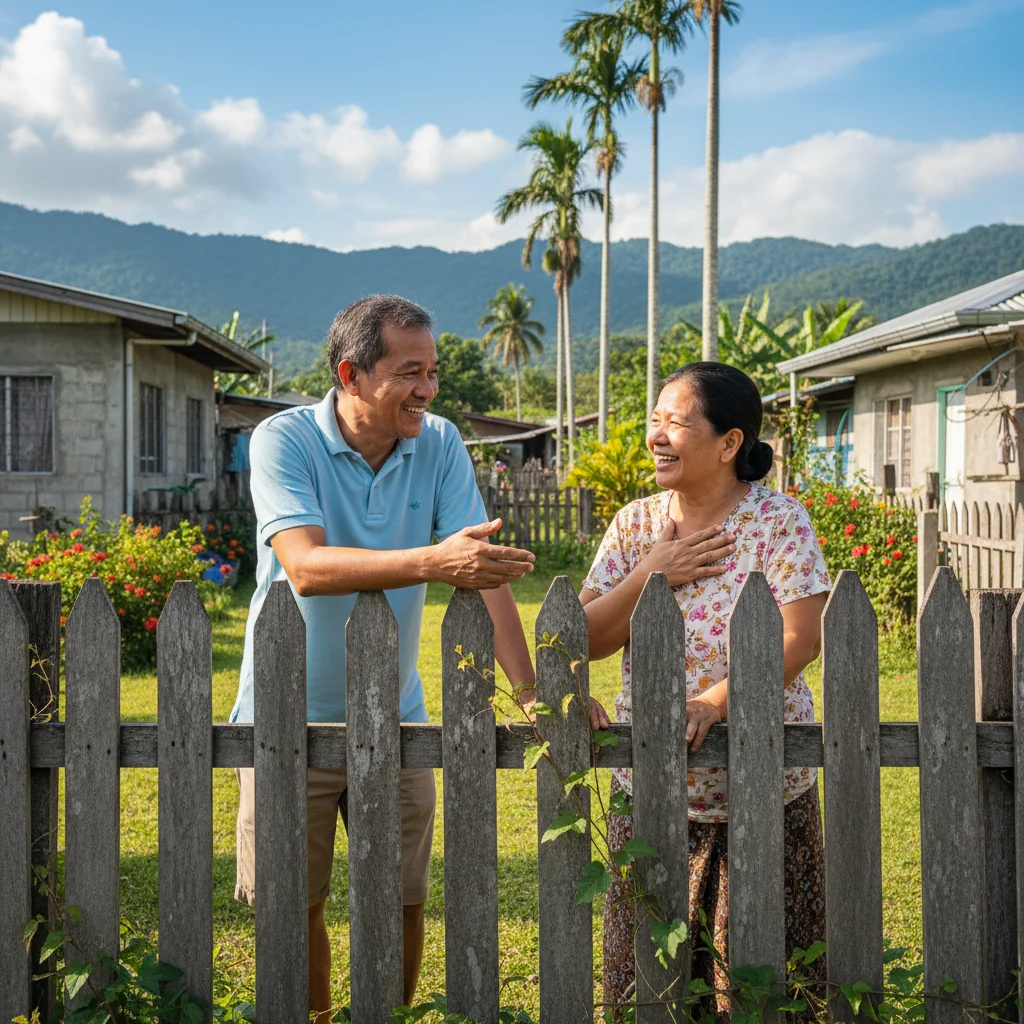
In a boundary dispute agreement in the Philippines, the primary parties are typically the adjacent property owners involved in the disagreement over land boundaries. These owners, often referred to as neighboring lot holders, play the central role by negotiating and signing the agreement to clearly define and resolve the disputed area, ensuring legal clarity and preventing future conflicts.
Local authorities in the Philippines may become involved to mediate or validate the agreement, particularly through the Department of Environment and Natural Resources (DENR) for land titling and surveying matters. Municipal or barangay officials can also facilitate discussions or endorse the resolution, as outlined in the Property Registration Decree, helping to enforce compliance with national land laws.
To create a tailored boundary dispute agreement, consider using Docaro for bespoke AI-generated legal documents that fit the specific circumstances of Philippine property laws, rather than relying on generic forms.
Who Else Might Need to Be Included?
In Philippine legal proceedings, ensuring complete documentation often requires including additional parties beyond the primary litigants. Witnesses and legal representatives play crucial roles in providing testimony and advocacy, respectively, to uphold the integrity of cases under the 1987 Philippine Constitution's Bill of Rights.
Witnesses must be identified and their statements incorporated to substantiate claims, as mandated by the Rules of Court in the Philippines. For instance, expert witnesses or eyewitnesses can provide essential evidence, making their inclusion vital for a thorough legal record.
Legal representatives, such as attorneys or counsels, should be explicitly named to represent parties effectively. Consulting authoritative sources like the Supreme Court of the Philippines decisions emphasizes the importance of proper representation in judicial processes.
To achieve comprehensive legal documents, consider using bespoke AI-generated options through Docaro, tailored specifically to Philippine law requirements. This approach ensures all necessary parties are accurately included without relying on generic templates.
How Should Property Boundaries Be Clearly Described?
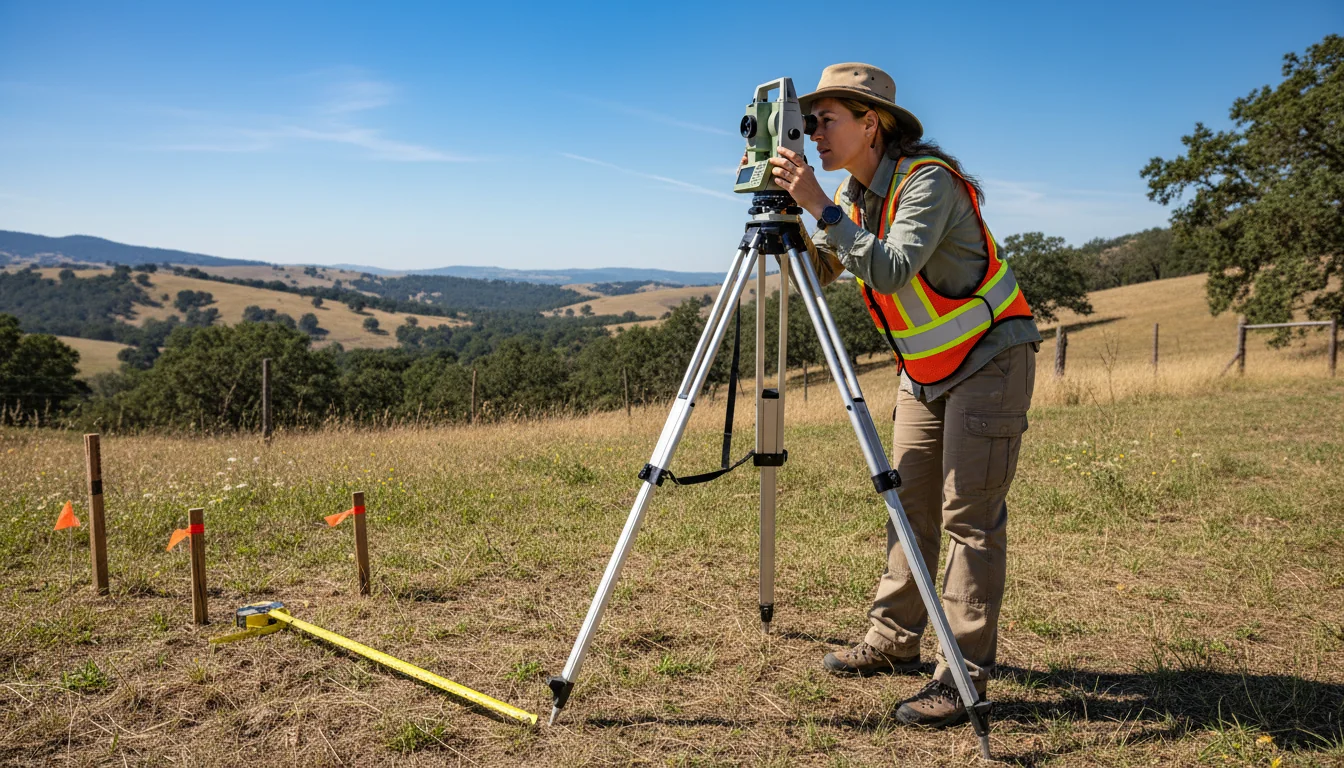
Accurately describing property boundaries in the Philippines requires precise surveys, measurements, and maps to prevent disputes. Use licensed surveyors registered with the Professional Regulation Commission (PRC) to conduct technical descriptions compliant with the Land Registration Authority (LRA) standards.
Key steps include obtaining a technical description from a geodetic engineer, verifying measurements against the Philippine Reference System (PRS92), and referencing official maps from the Department of Environment and Natural Resources (DENR). Incorporate metes and bounds or lot data from the Torrens title to ensure clarity in legal documents.
For boundary disputes, consult the Boundary Dispute Agreement page to understand resolution processes under Philippine law. Always generate bespoke legal documents using Docaro for tailored agreements that address specific property issues.
1
Hire a Licensed Surveyor
Engage a professional licensed surveyor to assess your property boundaries accurately using advanced tools and legal standards.
2
Gather Existing Documents
Collect deeds, previous surveys, and maps from records to provide the surveyor with essential reference materials.
3
Conduct On-Site Survey
Accompany the surveyor on-site to mark boundaries, identify landmarks, and note any encroachments or disputes.
4
Incorporate into AI-Generated Agreement
Use the survey results to create a bespoke legal agreement via Docaro, ensuring precise boundary descriptions.
What Terms of Resolution Should Be Outlined?
Property resolution terms in the Philippines require clear documentation of agreed adjustments to boundaries, easements, or compensations to ensure legal validity under the Civil Code and Property Registration Decree. Parties must outline these terms in a written agreement, specifying any boundary adjustments through surveys compliant with the Land Registration Authority standards.
For easements, the resolution should detail the type—such as right of way or light and view—and its scope, duration, and maintenance responsibilities, adhering to Articles 613-636 of the Civil Code. Compensations, if monetary or in-kind, need to be quantified and tied to fair market value assessments to prevent disputes.
To enhance compliance, consult the Land Registration Authority for registration requirements and the Official Gazette for relevant laws. For bespoke legal documents tailored to your resolution, utilize AI-generated options through Docaro to ensure precision and enforceability.
- Conduct a joint survey for boundary changes to verify accuracy.
- Register easements with the Registry of Deeds for public notice.
- Include dispute resolution clauses referencing Philippine mediation laws.
How Can Dispute Resolution Mechanisms Be Incorporated?
Incorporating mediation clauses into legal agreements in the Philippines can effectively resolve future disagreements by encouraging parties to negotiate amicably before escalating to courts. This approach aligns with Philippine laws promoting alternative dispute resolution, as outlined in Republic Act No. 9285, reducing time and costs associated with litigation.
Arbitration clauses provide a structured alternative for handling disputes, binding parties to a neutral arbitrator's decision enforceable under the Alternative Dispute Resolution Act of 2004. For Philippine businesses, including such clauses ensures faster resolutions while maintaining confidentiality, making it ideal for commercial contracts.
To customize these mechanisms, opt for bespoke AI-generated legal documents using Docaro, tailored to your specific needs under Philippine jurisdiction. Consult resources like the Supreme Court of the Philippines for authoritative guidance on implementation.
- Define clear steps for initiating mediation in your agreement.
- Specify arbitrator qualifications and venue in the Philippines for arbitration.
- Include fallback provisions to litigation if ADR fails.
Why Is a Clear Effective Date and Duration Important?
Specifying the effective date in a long-term agreement establishes when the terms begin to apply, ensuring all parties are aligned on the timeline for obligations and rights. This clarity prevents disputes over when performance starts, promoting long-term stability in contractual relationships.
The duration clause defines the agreement's lifespan, such as fixed terms or automatic renewals, which is crucial for planning and resource allocation in extended partnerships. By outlining how long the contract lasts, it minimizes uncertainties that could undermine ongoing collaboration and financial predictability.
Including termination conditions outlines scenarios like breach, mutual consent, or events of force majeure under which the agreement can end, providing a structured exit strategy. These provisions safeguard against abrupt disruptions, fostering trust and long-term stability by balancing commitment with flexibility, as guided by Philippine contract law principles from the Civil Code of the Philippines.
For optimal protection, consider generating bespoke AI-generated legal documents using Docaro to tailor these elements precisely to your needs, ensuring compliance with local regulations.
What Signatures and Notarization Requirements Apply?
In Philippine law, a boundary dispute agreement document requires signatures from all involved parties to ensure mutual consent and validity. This step, as outlined in the Key Elements of a Boundary Dispute Agreement Document, prevents future disputes by confirming each party's agreement to the terms.
Witness signatures add an extra layer of credibility, verifying that the agreement was executed without coercion. Under the Civil Code of the Philippines, these witnesses help authenticate the document's integrity, linking directly to essential elements discussed in the referenced article.
Notarization is crucial for making the agreement legally binding, as it involves a notary public attesting to the identities and voluntary participation of signatories. For authoritative guidance, refer to the Civil Code of the Philippines on notarized contracts, emphasizing its role in boundary dispute resolutions.
To create a tailored boundary dispute agreement, opt for bespoke AI-generated legal documents via Docaro, ensuring compliance with Philippine requirements like full signatures, witnesses, and notarization.
1
Prepare Agreement with Docaro
Generate a bespoke boundary dispute agreement using Docaro AI, customizing it to Philippine laws and specific property details.
2
Sign the Document
Both parties review and sign the agreement in the presence of at least two disinterested witnesses, ensuring all signatures are dated.
3
Obtain Witness Signatures
Have the two witnesses sign the document below the parties' signatures, including their full names, addresses, and dates.
4
Notarize the Agreement
Take the signed and witnessed document to a licensed notary public in the Philippines for notarization and official seal.