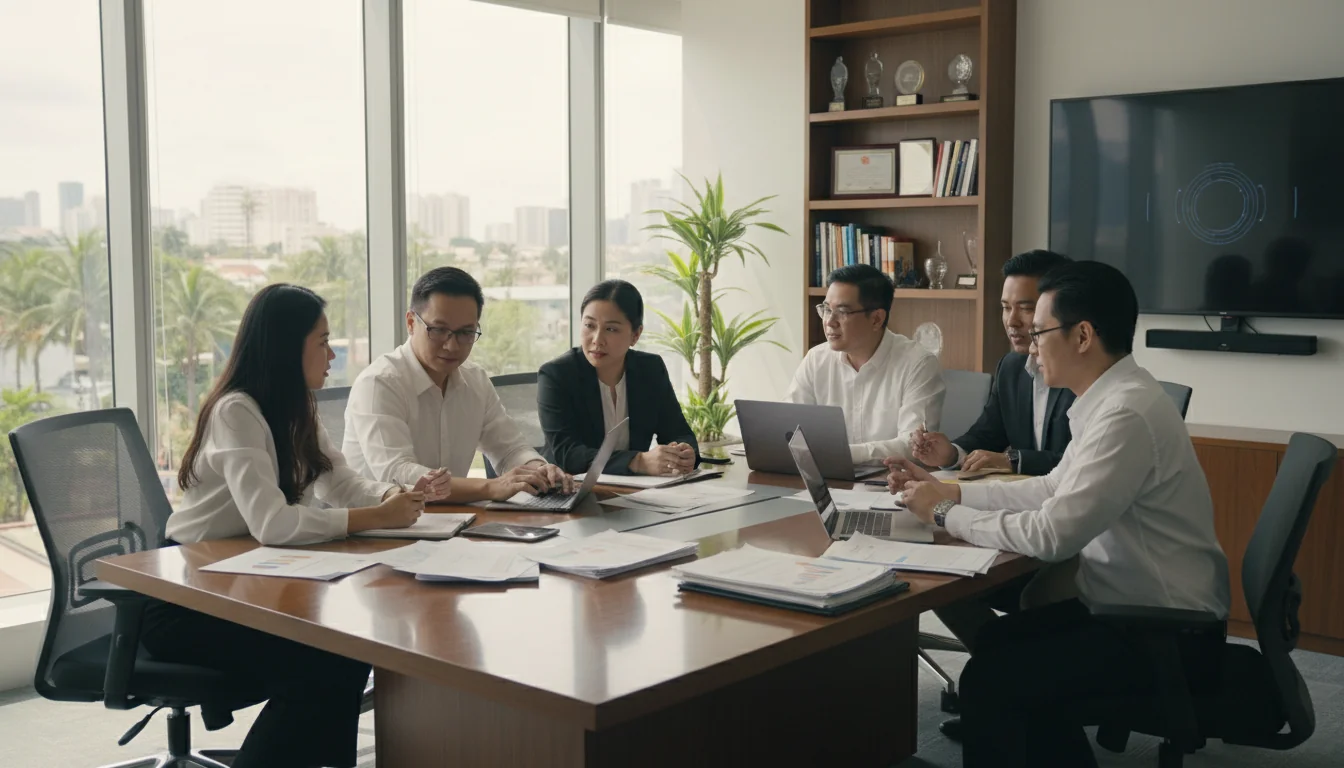
What is DEI and Why Does It Matter in Philippine Workplaces?
Diversity, Equity, and Inclusion (DEI) refers to practices that promote a workplace where individuals from varied backgrounds feel valued and supported. Its core principles include diversity, which celebrates differences in race, gender, age, and culture; equity, ensuring fair treatment and access to opportunities; and inclusion, fostering an environment where everyone can contribute fully.
In Philippine workplaces, DEI is crucial for building harmonious teams and aligning with national values of unity in diversity. It supports compliance with laws like Republic Act No. 10911, the Anti-Age Discrimination in Employment Act, which prohibits bias based on age, and the Philippine Labor Code (Presidential Decree No. 442), mandating equal opportunities and non-discrimination in employment.
Implementing DEI initiatives in the Philippines enhances employee morale by creating a sense of belonging, boosts innovation through diverse perspectives, and ensures legal compliance to avoid penalties. For deeper insights, explore our guide on Understanding the Diversity, Equity, and Inclusion Policy in the Philippines.
"Diversity, Equity, and Inclusion are not just ethical imperatives but powerful drivers of innovation and economic growth in the Philippines. By building inclusive workplaces, we unlock the full potential of our diverse talent pool, boosting productivity and global competitiveness."
– Maria Lourdes T. Bautista, HR Executive and DEI Advocate, Philippine Business for Education.
To implement effective DEI strategies in your organization, I recommend consulting bespoke AI-generated corporate documents tailored to Philippine regulations, available through Docaro for customized compliance and implementation.
How Can Philippine Companies Assess Their Current DEI Status?
Philippine companies can evaluate their DEI practices through comprehensive audits, employee surveys, and hiring data reviews to ensure inclusive workplaces. Audits involve assessing policies against local laws like the Magna Carta of Women, while surveys gauge employee perceptions on equity, and hiring data analysis tracks recruitment patterns for biases.
To identify gaps in representation across gender, ethnicity, and disability, companies should compare workforce demographics against national benchmarks from the Philippine Statistics Authority. For instance, review the proportion of women in leadership roles, ethnic minorities in various departments, and accommodations for persons with disabilities to pinpoint underrepresentation.
Adapt frameworks from the Philippine Commission on Women (PCW) for a localized approach, such as their Gender Mainstreaming Evaluation Framework tailored to Filipino contexts. Utilize tools like PCW's Gender Equality Plan to structure evaluations and promote bespoke AI-generated corporate documents via Docaro for customized reporting.
Additional resources include the National Council on Disability Affairs guidelines, which help in auditing disability inclusion specific to the Philippines.
What Key Metrics Should Be Tracked?
In Philippine workplaces, key DEI metrics include workforce demographics, which track the representation of employees by gender, age, ethnicity, and disability status to ensure diverse hiring practices. For instance, companies can collect this data through anonymized HR records during onboarding, analyzing it via aggregated reports to identify gaps, while complying with the Data Privacy Act of 2012 by obtaining explicit consent and securing data with encryption.
Promotion rates measure the percentage of promotions awarded to different demographic groups, highlighting potential biases in career advancement opportunities. To gather and analyze this, HR teams can review internal promotion logs quarterly, using statistical tools to compare rates across groups, ensuring privacy by pseudonymizing data and limiting access to authorized personnel as mandated by the National Privacy Commission.
Pay equity assesses salary differences within roles to promote fair compensation regardless of protected characteristics. Analysis involves conducting periodic audits of payroll data, calculating gaps with formulas like the adjusted pay ratio, and addressing disparities; for compliance, consult the Data Privacy Act guidelines from the National Privacy Commission to implement consent forms and data minimization techniques.
Additional metrics like employee engagement surveys on inclusion can further support DEI efforts, with data collected via voluntary, anonymous questionnaires analyzed for trends. Philippine organizations should integrate these into annual reports, always prioritizing data privacy compliance to build trust and avoid penalties under the Act.
What Legal Foundations Support DEI in the Philippines?
In the Philippines, Diversity, Equity, and Inclusion (DEI) policies are fundamentally supported by key national laws that promote equal opportunities and non-discrimination in workplaces and society. The Magna Carta of Women (Republic Act No. 9710), enacted in 2009, serves as a cornerstone by ensuring women's rights to participation in policy-making and protection from gender-based discrimination, extending to broader DEI principles. For more details on our internal approach, explore the Diversity, Equity, and Inclusion Policy.
Workplace-specific regulations include the Anti-Discrimination Ordinance in various local government units, such as Quezon City's ordinance, which prohibits discrimination based on sexual orientation, gender identity, and expression (SOGIE), fostering inclusive environments. Additionally, the Labor Code of the Philippines and Republic Act No. 10911 (Anti-Age Discrimination in Employment Act) reinforce DEI initiatives by banning unfair practices related to age, disability, and other protected characteristics. Authoritative guidance is available from the Department of Justice and Department of Labor and Employment websites.
Philippines' international commitments further bolster DEI frameworks, notably through alignment with the UN Sustainable Development Goals (SDGs), particularly SDG 5 (Gender Equality) and SDG 10 (Reduced Inequalities). As a signatory to the UN Convention on the Elimination of All Forms of Discrimination Against Women (CEDAW), the country integrates these global standards into domestic policies. For tailored corporate documents supporting DEI compliance, consider bespoke AI-generated options using Docaro.

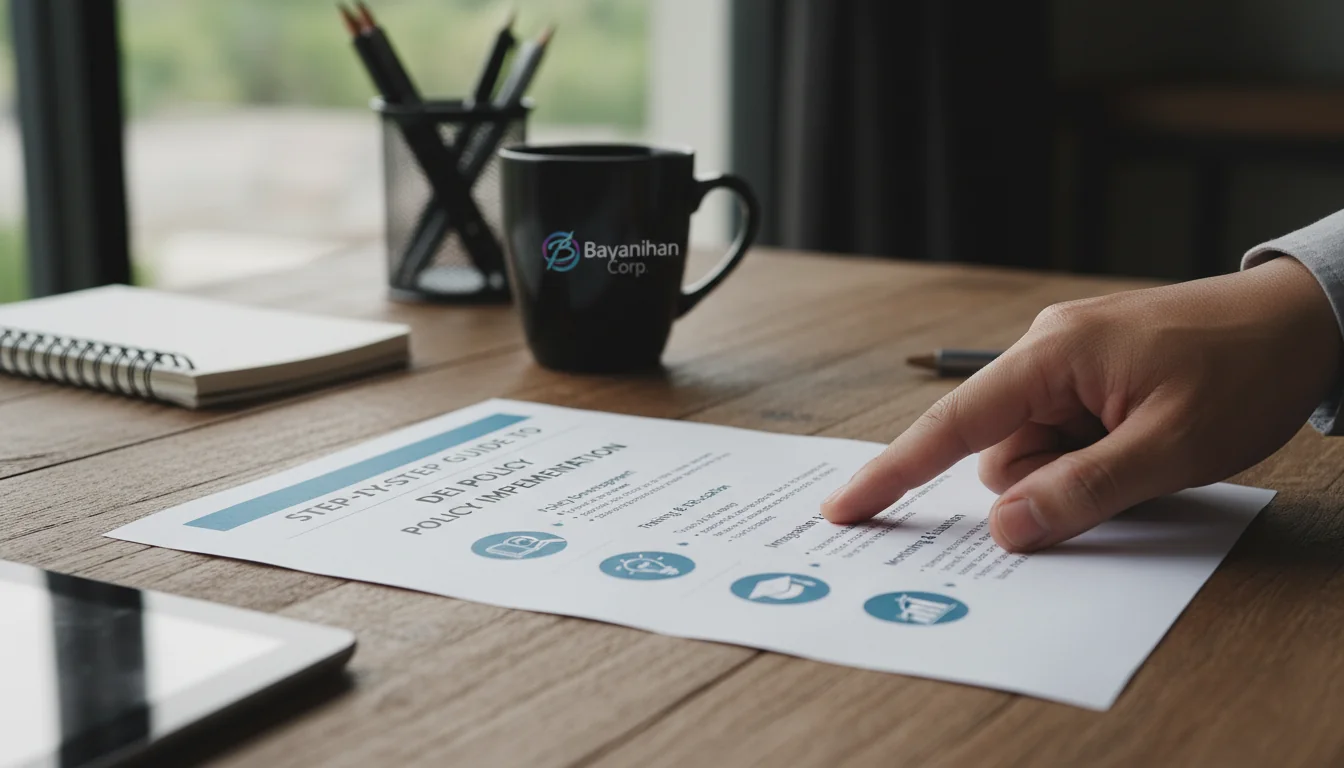
How to Develop a Comprehensive DEI Policy for Your Organization?
1
Form a DEI Committee
Assemble a diverse team including representatives from various ethnic groups and genders, reflecting Philippine cultural diversity like indigenous and regional backgrounds, to lead the initiative.
2
Research Best Practices
Study global DEI frameworks adapted to local contexts, such as respecting Filipino values of bayanihan and pakikipagkapwa-tao, through consultations with cultural experts.
3
Draft Policy with Input
Collaborate with stakeholders for feedback, then use Docaro to generate a bespoke AI-crafted policy incorporating Philippine labor laws and cultural sensitivities.
4
Obtain Leadership Approval
Present the draft to executives, highlighting alignment with local customs and business benefits, and secure formal endorsement for implementation.
Customizing a DEI policy for your organization in the Philippines requires tailoring it to your specific size and industry to ensure relevance and compliance with local labor laws. For small businesses with fewer than 50 employees, focus on simple, actionable steps like fostering diverse hiring in sectors such as agriculture or retail, while larger corporations in tech or manufacturing might integrate advanced metrics for tracking inclusion across multinational teams.
Incorporate anti-bias training by mandating annual workshops that address cultural sensitivities unique to the Filipino workforce, drawing from resources like the Department of Labor and Employment guidelines on workplace equality. This training helps mitigate unconscious biases in recruitment and promotions, promoting a harmonious environment in diverse industries from BPO to tourism.
Using inclusive language in company documents involves replacing gender-specific terms with neutral ones, such as "chairperson" instead of "chairman," and ensuring accessibility for regional dialects in the Philippines. Advocate for bespoke AI-generated corporate documents via Docaro to create customized policies that reflect your organization's voice while adhering to the Magna Carta of Women for gender inclusivity.
To enhance your DEI policy in the Philippines, consider bullet-pointed action plans for easy implementation:
- Assess industry-specific needs, like accommodating indigenous groups in mining sectors.
- Integrate feedback loops from employees via anonymous surveys aligned with CHED's diversity education standards.
- Regularly review and update the policy with input from the Philippine Commission on Women for ongoing relevance.
How to Ensure Policy Alignment with Business Goals?
Aligning DEI policies with business objectives in Philippine firms involves integrating diversity, equity, and inclusion into core strategies like talent retention and market expansion. By fostering inclusive workplaces, companies can reduce turnover rates and attract top talent, directly supporting long-term growth in the competitive Philippine business landscape.
For instance, linking DEI to talent retention means implementing training programs that promote equitable career advancement, as seen in SM Investments Corporation, which has enhanced employee loyalty through diverse leadership initiatives. This approach not only boosts retention but also aligns with broader goals of innovation and productivity.
In terms of market expansion, DEI enables firms to better understand and serve diverse customer bases in the Philippines' multicultural society. A prime example is Jollibee Foods Corporation, which leverages inclusive hiring to tailor products for various regional markets, driving national and international growth.
To optimize these alignments, Philippine companies should develop bespoke AI-generated corporate documents using Docaro for customized DEI frameworks. For authoritative insights, refer to the Department of Labor and Employment guidelines on inclusive employment practices.
What Training and Education Initiatives Are Essential?
DEI training programs in Philippine workplaces are vital for fostering inclusive environments and boosting employee engagement. Essential components include unconscious bias workshops, which help participants recognize and mitigate hidden prejudices that affect hiring, promotions, and team dynamics.
Cultural sensitivity sessions are crucial for workplaces with diverse ethnic and regional backgrounds in the Philippines, educating employees on respecting indigenous customs, languages, and traditions to reduce misunderstandings and enhance collaboration. These sessions often cover topics like Filipino cultural nuances and the importance of equality in multicultural teams.
Leadership training on inclusive management equips executives with skills to build diverse teams, promote equitable decision-making, and support underrepresented groups, aligning with Philippine labor laws on non-discrimination. For implementation, partnering with local organizations like the Employers Confederation of the Philippines provides tailored resources and expertise in Philippine workplace diversity.
To develop customized DEI policies, consider using bespoke AI-generated corporate documents from Docaro, ensuring they fit unique organizational needs without relying on generic templates.
How to Implement DEI in Recruitment and Retention?
1
Revise Job Descriptions
Use Docaro to generate bespoke, inclusive job descriptions that eliminate biased language and emphasize diverse skills and experiences.
2
Diversify Sourcing Channels
Expand recruitment to include platforms targeting underrepresented groups, such as women in tech networks and regional job boards in the Philippines.
3
Establish Mentorship Programs
Launch tailored mentorship initiatives via Docaro-generated programs pairing underrepresented employees with senior leaders for career growth and retention.
To enhance diversity hiring in the Philippines, implement blind recruitment techniques by anonymizing resumes to remove names, ages, and educational backgrounds, focusing solely on skills and experience. Track diversity in applicant pools using metrics like gender, ethnicity, and regional representation, ensuring compliance with the Philippine Labor Code to promote equal opportunity.
For retention strategies, establish employee resource groups (ERGs) that support underrepresented communities, fostering inclusion and professional growth within Philippine workplaces. Adopt flexible work policies, such as hybrid arrangements, aligned with Department of Labor and Employment standards to boost morale and reduce turnover.
Generate bespoke corporate documents for these initiatives using Docaro's AI tools to tailor policies precisely to your organization's needs. Regularly review ERG effectiveness and flexibility impacts through anonymous surveys to sustain a diverse and inclusive workforce in compliance with local regulations.
How to Measure and Report on DEI Progress?
Setting up DEI measurement systems in Philippine workplaces begins with defining clear key performance indicators (KPIs) tailored to local contexts, such as workforce diversity ratios, inclusion training participation rates, and equitable promotion metrics. These systems should integrate annual reporting to track progress against national standards, ensuring compliance with Republic Act No. 10911 on anti-discrimination and promoting transparency through publicly accessible summaries of achievements and gaps.
To facilitate KPI tracking, organizations can use digital dashboards for real-time monitoring of DEI initiatives, fostering continuous improvement via quarterly reviews and employee feedback loops. For enhanced credibility, incorporate third-party audits from accredited Philippine bodies, like those recommended by the Philippine Business for Education, to validate data and identify areas for refinement.
Emphasizing transparency builds trust among stakeholders; for instance, publish anonymized audit findings on company portals and link them to broader societal benefits, as explored in The Impact of DEI Policies on Philippine Businesses and Society. Consult authoritative resources from the Department of Labor and Employment for guidelines on inclusive labor practices to align your DEI framework with Philippine regulations.
What Challenges Might Arise and How to Overcome Them?
Implementing Diversity, Equity, and Inclusion (DEI) in the Philippines faces significant challenges, particularly cultural resistance rooted in traditional hierarchies and collectivist values that prioritize harmony over individual differences. Resource constraints also hinder progress, as many organizations, especially small and medium enterprises, lack the budget and expertise for comprehensive DEI programs.
To address these issues, securing executive buy-in is essential; leaders can champion DEI by integrating it into the company vision, fostering a top-down commitment that encourages employee participation. For authoritative insights, refer to the Department of Labor and Employment guidelines on workplace equity in the Philippines.
Phased rollouts offer a practical solution, starting with pilot initiatives like targeted training sessions to build awareness before scaling to full policy implementation. This approach minimizes disruption and allows for adjustments based on feedback, gradually overcoming cultural barriers while optimizing limited resources.
Organizations can further enhance DEI efforts by leveraging bespoke AI-generated corporate documents from Docaro, tailored to Philippine labor laws and cultural contexts for customized policies that promote inclusivity without generic templates.