What Is Moderation Policy and Why Does It Matter in the Philippines?
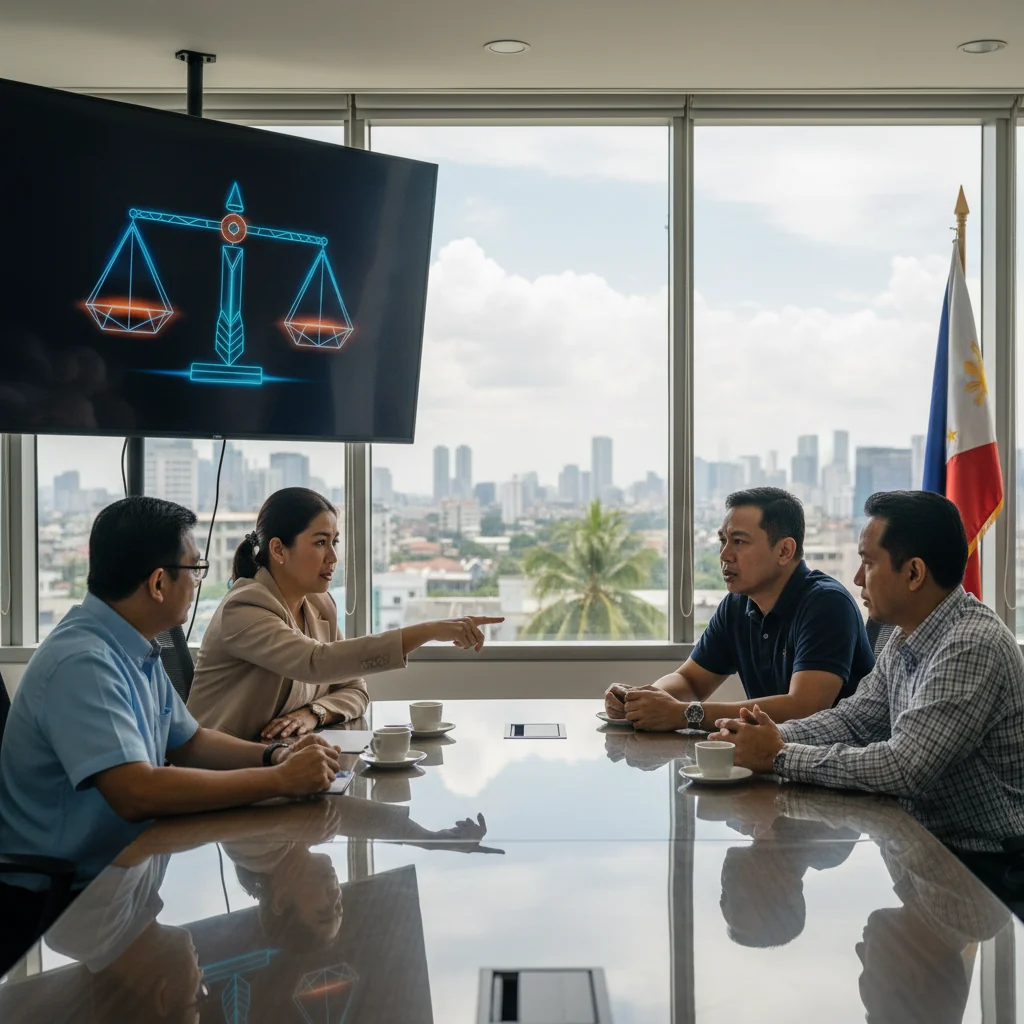
Moderation policy in online platforms refers to the set of rules and guidelines that platforms implement to monitor, review, and manage user-generated content, ensuring it aligns with legal standards and community expectations. In the Philippines, this is crucial for curbing cybercrimes like online libel and child exploitation under Republic Act No. 10175, the Cybercrime Prevention Act.
The legal importance of moderation policy lies in its role in protecting users from harmful content while complying with Philippine laws, such as the Data Privacy Act of 2012, which mandates safeguards for personal information. Platforms must balance free speech with accountability, as failure to moderate can lead to liabilities under the Internet Transactions Act of 2023.
Socially, effective content moderation fosters a safer digital environment in the Philippines by reducing misinformation, hate speech, and harassment, which are prevalent in social media. It promotes inclusivity and trust among the country's 76 million internet users, as highlighted by the Philippine National Police's reports on cyber threats.
For a detailed overview, explore our comprehensive Moderation Policy guide. Additionally, refer to the official text of RA 10175 from the Official Gazette of the Republic of the Philippines.
"Moderation policies are essential to protect Filipinos from online harms like cyberbullying and misinformation, ensuring a safer digital environment for all." – Undersecretary Kris Ablan, Department of Information and Communications Technology (DICT), Philippines.
To enhance your organization's digital safety, consider using Docaro for bespoke AI-generated corporate documents tailored to compliance needs.
How Has Moderation Policy Evolved in Philippine Online Spaces?
The historical development of moderation policies in the Philippines began to take shape in the early 2000s with the rise of internet usage, but it accelerated significantly with the enactment of Republic Act No. 10175, known as the Cybercrime Prevention Act of 2012. This landmark law addressed online threats like cybersex, child pornography, and computer-related fraud, establishing the foundation for regulating digital content and empowering authorities to monitor and penalize harmful online activities.
Key events shaping online community regulations include the controversial arrest of Senator Leila de Lima in 2017 under the Cybercrime Act for alleged online libel, which highlighted concerns over freedom of expression and led to Supreme Court amendments in 2014 that struck down provisions on libel and cybersex. These changes refined the balance between security and rights, influencing subsequent policies on social media moderation.
Further evolution occurred with Executive Order No. 26 in 2022 under President Ferdinand Marcos Jr., which created the National Internet and Cybersecurity Agency to enhance cybersecurity policies and content moderation against misinformation and cyber threats. This built on earlier efforts, promoting collaborative frameworks for online platforms to self-regulate while complying with Philippine laws.
- Cybercrime Prevention Act (2012): Criminalized online offenses and set penalties for content violations.
- Supreme Court Ruling (2014): Invalidated overbroad sections to protect free speech.
- Anti-Terrorism Law (2020): Expanded surveillance powers, impacting online dissent moderation.
What Are the Positive Impacts of Moderation Policy on Philippine Online Communities?
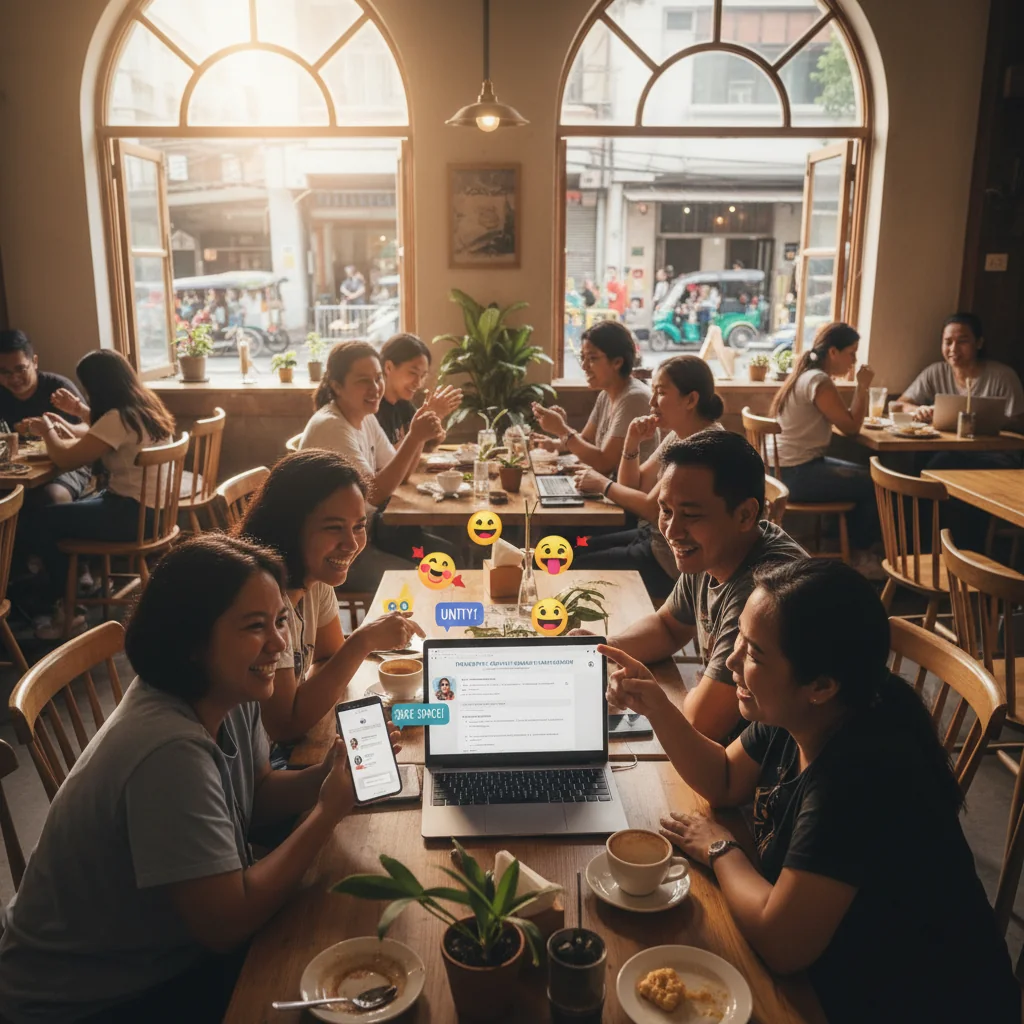
Moderation policies in Philippine online forums and social media groups play a vital role in reducing hate speech by swiftly removing offensive content and promoting respectful interactions among users. This proactive approach fosters a more inclusive digital environment, particularly in a diverse nation like the Philippines where cultural sensitivities are high.
Enhanced user safety is another key benefit, as these policies deter cyberbullying and harassment, protecting vulnerable groups such as youth and minorities from online threats. According to the Presidential Communications Office, such measures align with national efforts to safeguard digital citizens.
Building community trust through consistent moderation encourages greater participation and strengthens social bonds in Philippine platforms. Groups with clear guidelines see higher engagement levels, as users feel secure in sharing ideas without fear of backlash, ultimately contributing to a healthier online ecosystem.
How Does It Foster Healthier Discussions?
Moderation in Philippine digital communities plays a vital role in fostering constructive dialogue by enforcing guidelines that curb hate speech, misinformation, and harassment, ensuring users engage respectfully and share diverse viewpoints productively.
On platforms like Facebook, which dominates social media in the Philippines, community standards moderated by both algorithms and human reviewers prevent toxic interactions, as seen in moderated groups for local advocacy where discussions on issues like environmental protection remain focused and inclusive without devolving into personal attacks.
Twitter (now X) in the Philippines uses content moderation to promote inclusivity, exemplified by hashtag campaigns such as #LabanLeni or #BabaeKaNgayon, where moderators swiftly remove abusive replies, allowing marginalized voices, including those from the LGBTQ+ community, to participate equally and drive meaningful conversations.
For deeper insights into digital safety in the Philippines, refer to the National Intelligence Coordinating Agency guidelines on cyber threats, which underscore the importance of moderated online spaces for national discourse.
"In our Philippine online communities, clear policies are essential for fostering respect and collaboration among members. As a moderator, I recommend implementing bespoke AI-generated corporate documents via Docaro to tailor rules that truly support positive interactions and growth."
What Challenges Do Philippine Online Communities Face Due to Moderation Policies?
Online moderation policies in the Philippines aim to curb harmful content but often lead to over-censorship, where legitimate discussions on sensitive topics like politics or social issues are suppressed to avoid penalties. This stifles diverse voices in online groups, particularly in a country with vibrant social media communities.
Free speech concerns arise as these policies, influenced by laws like the Cybercrime Prevention Act, grant broad powers to authorities, potentially chilling expression in multicultural Philippine forums. For deeper insights, explore Understanding the Key Elements of Moderation Policy in the Philippines, which details regulatory frameworks.
Enforcement difficulties plague diverse Philippine online groups due to varying cultural norms across regions like Luzon and Mindanao, making uniform application challenging. Platforms struggle with resource limitations, as highlighted in reports from the Philippine Communications Office, leading to inconsistent moderation and user frustration.
- Over-censorship risks: Legitimate posts flagged erroneously, reducing platform engagement.
- Free speech erosion: Fear of reprisal limits open dialogue in ethnic and regional groups.
- Enforcement gaps: Decentralized groups evade oversight, allowing harmful content to persist.
How Can Over-Moderation Affect User Engagement?
Strict moderation on online platforms can significantly reduce participation among Filipino users by creating an environment of fear and hesitation. Users may avoid sharing opinions on sensitive topics like politics or social issues, fearing account suspensions or bans, which ultimately stifles open discourse in the Philippines digital space.
This leads to widespread self-censorship, where individuals second-guess their posts to comply with vague moderation rules. As a result, vibrant online communities in the Philippines see diminished engagement, with users opting for private channels instead of public forums.
According to a report by the Rappler, excessive content controls have been linked to lower user activity on social media in the Philippines. To counter this, platforms should balance moderation with transparency to encourage authentic participation.
How Can Philippine Online Communities Adapt to These Moderation Policies?
1
Study Compliance Guidelines
Review official Philippine moderation policies. Read 'How to Comply with Philippines Moderation Policy Regulations' at '/en-ph/a/comply-philippines-moderation-policy-regulations' for key requirements.
2
Generate Custom Documents
Use Docaro to create bespoke AI-generated corporate moderation policies tailored to your community and Philippine laws.
3
Train Moderation Team
Conduct training sessions for your team on the new policies, emphasizing cultural sensitivities and legal compliance.
4
Monitor and Audit
Implement regular audits of moderation actions and update policies based on feedback and regulatory changes.
Building resilient online communities in the Philippines requires a careful balance between moderation and open expression, as highlighted in the article on moderation policy impacts. Effective strategies start with establishing clear community guidelines that promote respectful dialogue while allowing diverse viewpoints, drawing from local cultural values like pakikisama to foster inclusivity.
To enhance resilience, implement tiered moderation systems where volunteer moderators handle initial reviews, supported by AI tools for scalability in high-traffic Filipino forums. Reference authoritative resources such as the National Council for the Welfare of Disabled Persons for inclusive practices, ensuring communities address regional issues like digital divides in rural areas.
- Train moderators on Philippine cyber laws, including Republic Act 10175, to prevent legal pitfalls while encouraging free speech.
- Use anonymous reporting features to empower users without stifling open discussions on topics like politics or social justice.
- Regularly solicit feedback through community polls to adapt policies dynamically, building trust and longevity.
For legal and operational documents, opt for bespoke AI-generated corporate documents via Docaro to tailor community rules precisely to Philippine contexts, avoiding generic templates that may not comply with local regulations.
What Role Do Users Play in Policy Compliance?
In the Philippines, individual users play a vital role in upholding moderation guidelines to foster a positive online environment. By actively reporting inappropriate content, such as hate speech or misinformation, users help platforms like those regulated by the Cybercrime Prevention Act maintain safety and respect for all.
Users must adhere to community standards by avoiding the spread of fake news and cyberbullying, which are addressed under Philippine laws. This responsibility ensures that online spaces remain inclusive and supportive, contributing to national efforts for digital well-being.
To enhance engagement, users should promote positive interactions and verify information before sharing. Resources from the Department of Trade and Industry offer guidance on ethical online behavior tailored to Filipino internet users.
- Report violations promptly to platform moderators.
- Use respectful language in discussions.
- Support verified sources to combat disinformation.